


Period pain is very common, and for many people it is bad enough to disrupt work, school and sleep. The good news is that a few simple steps, taken early, can ease it quickly. Knowing which painkiller works best, and when pain is a sign of something else, makes a big difference.
This guide covers how to stop period pain fast, whether ibuprofen or paracetamol is better, longer-term options, and when to see a GP.
How to stop period pain fast
- Take ibuprofen at the first sign of pain, or even just before your period starts if it is predictable, and keep taking it regularly as directed rather than waiting for the pain to build.
- Use heat. A heat pad or hot water bottle on the lower tummy or back works well, and some studies suggest heat is as effective as ibuprofen for many people.
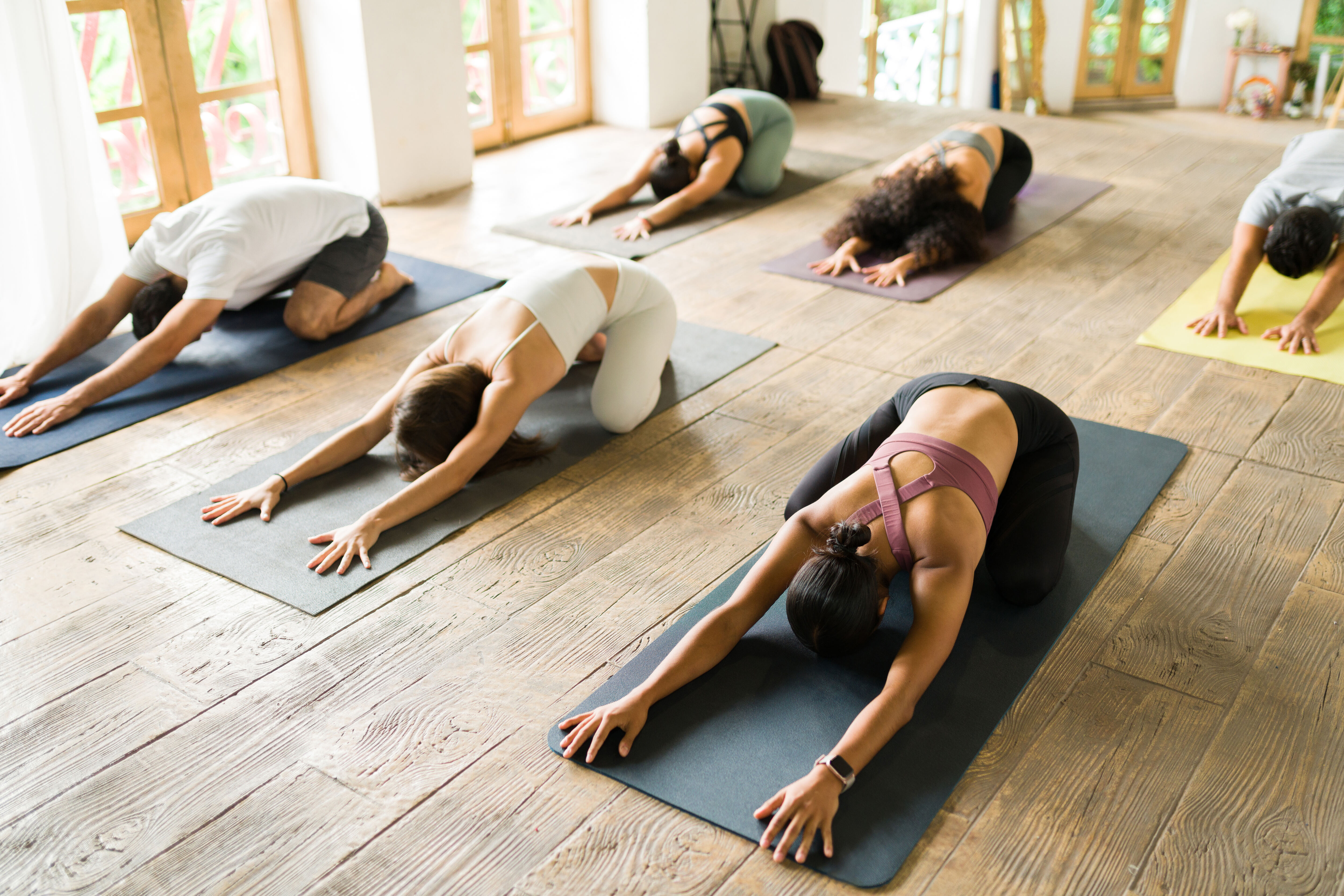
- Move gently. A walk, stretching or gentle yoga can ease cramps.
- Try a TENS machine, which uses mild electrical pulses and helps some people.
- A warm bath or shower relaxes the muscles.
Ibuprofen or paracetamol for period pain?
For most people, ibuprofen works better than paracetamol for period pain. Period cramps are driven by chemicals called prostaglandins, and ibuprofen reduces their production. Paracetamol can still help and can be taken alongside ibuprofen if needed.
Ibuprofen is not suitable for everyone. Check with a pharmacist first if you have asthma that is worsened by anti-inflammatories, a stomach ulcer, kidney problems, or you might be pregnant. Take it with food to protect your stomach.
What period pain feels like
Typical period pain is a cramping or aching pain in the lower tummy, sometimes spreading to the lower back and thighs. It usually starts just before or at the beginning of a period and lasts one to three days. Some people also feel sick, have loose stools or get headaches.
Longer-term options
- Regular exercise through the month may reduce pain over time.
- Hormonal treatments such as the combined pill, the coil or other options from your GP can significantly reduce period pain.
- Stronger prescription anti-inflammatories such as naproxen or mefenamic acid.
- Acupuncture: some studies suggest it may reduce period pain for some people, although the evidence is limited.
- A symptom diary to track pain, bleeding and timing, which is very helpful if you see a doctor.
When period pain may be something else
Pain caused by an underlying condition, such as endometriosis, adenomyosis, fibroids or pelvic infection, is called secondary period pain. See a GP if:
- Pain stops you going to work, school or doing daily activities
- Painkillers do not help
- Period pain starts or gets worse after the age of 25
- You have pain during or after sex
- You have pain between periods, or bleeding between periods or after sex
- Your periods are very heavy
- You have difficulty getting pregnant
Seek urgent medical help for sudden, severe pelvic pain, pain with fever or unusual discharge, or pelvic pain if you might be pregnant.
Frequently asked questions
How long does period pain last?
Usually one to three days, often worst at the start of the period.
Can period pain get better with age?
Typical period pain often eases in your 20s and after childbirth. Pain that worsens with age should be checked.
Is it normal to be sick with period pain?
Feeling sick can happen with strong cramps. If you are regularly vomiting or unable to function, see your GP.
Does chocolate help period pain?
It may lift your mood, but it does not treat the pain. Heat and ibuprofen are more effective.
Period pain support in Chiswick
Omnia Lifestyle supports people with painful periods alongside their GP, at our clinic in Chiswick, W4, close to Turnham Green station, on bus routes 94, E3 and 272. Limited parking is available on request when booking.
Read more about period pain and endometriosis, see how endometriosis is diagnosed, explore acupuncture, or book an appointment.
This article is general information, not medical advice. If you have any of the warning signs listed above, seek medical attention.

.jpg)
.jpg)