




Many products promise to boost your immune system, but in a healthy person the immune system cannot be pushed beyond normal, and you would not want it to be, because an overactive immune system causes problems of its own. What you can do is help it work as well as it should, by getting the basics right and correcting anything that is holding it back.
This guide explains what genuinely supports immune health, which supplements are worth considering, what does not work, and when frequent infections need a GP.
Quick answer
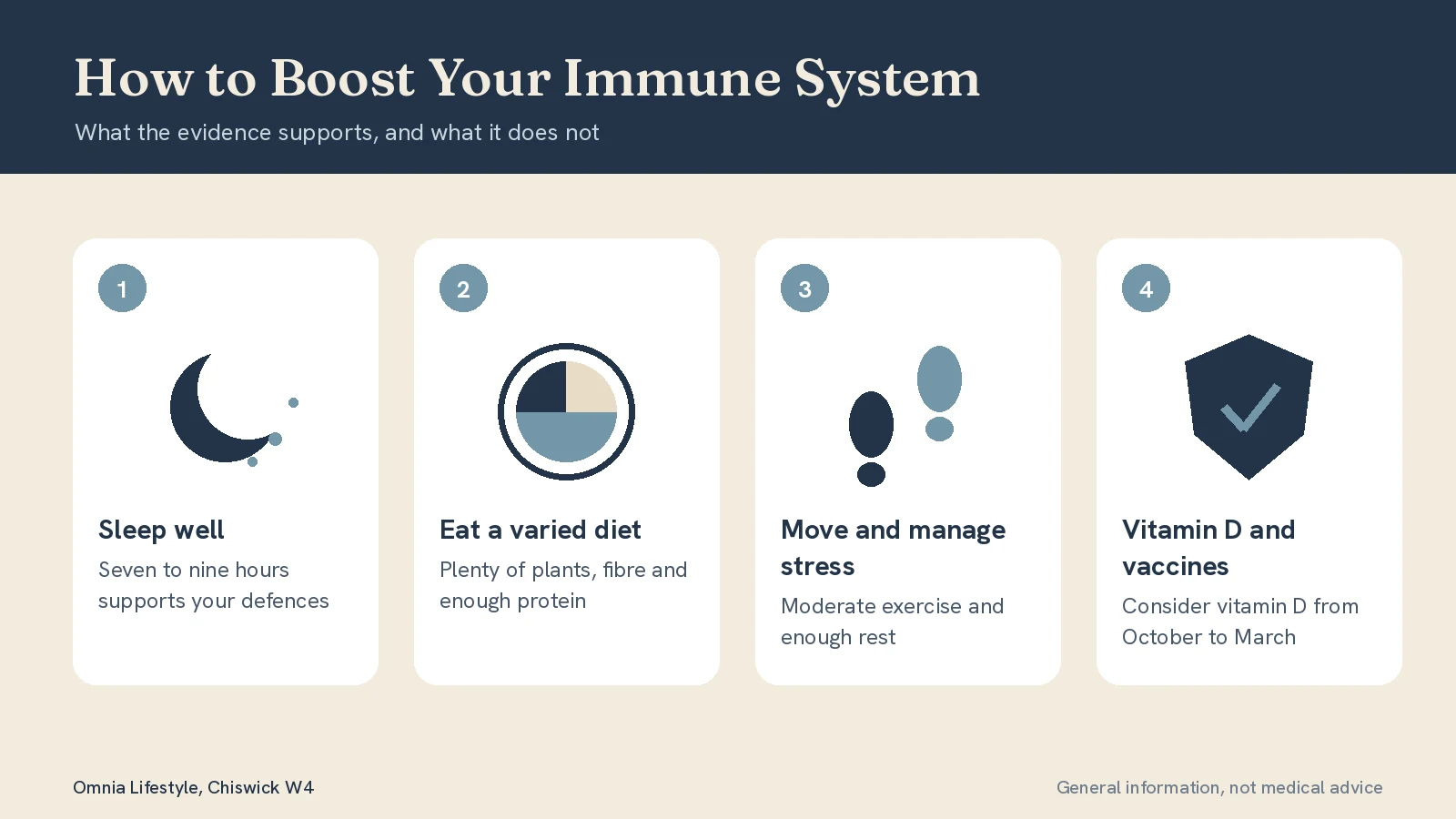
The habits with the best evidence for immune health are sleeping seven to nine hours, eating a varied diet with plenty of plants and enough protein, staying active, managing stress, not smoking, keeping alcohol low and staying up to date with recommended vaccines. In the UK, everyone is advised to consider a daily vitamin D supplement from October to March. Most other immune-boosting supplements have weak evidence.
Sleep well
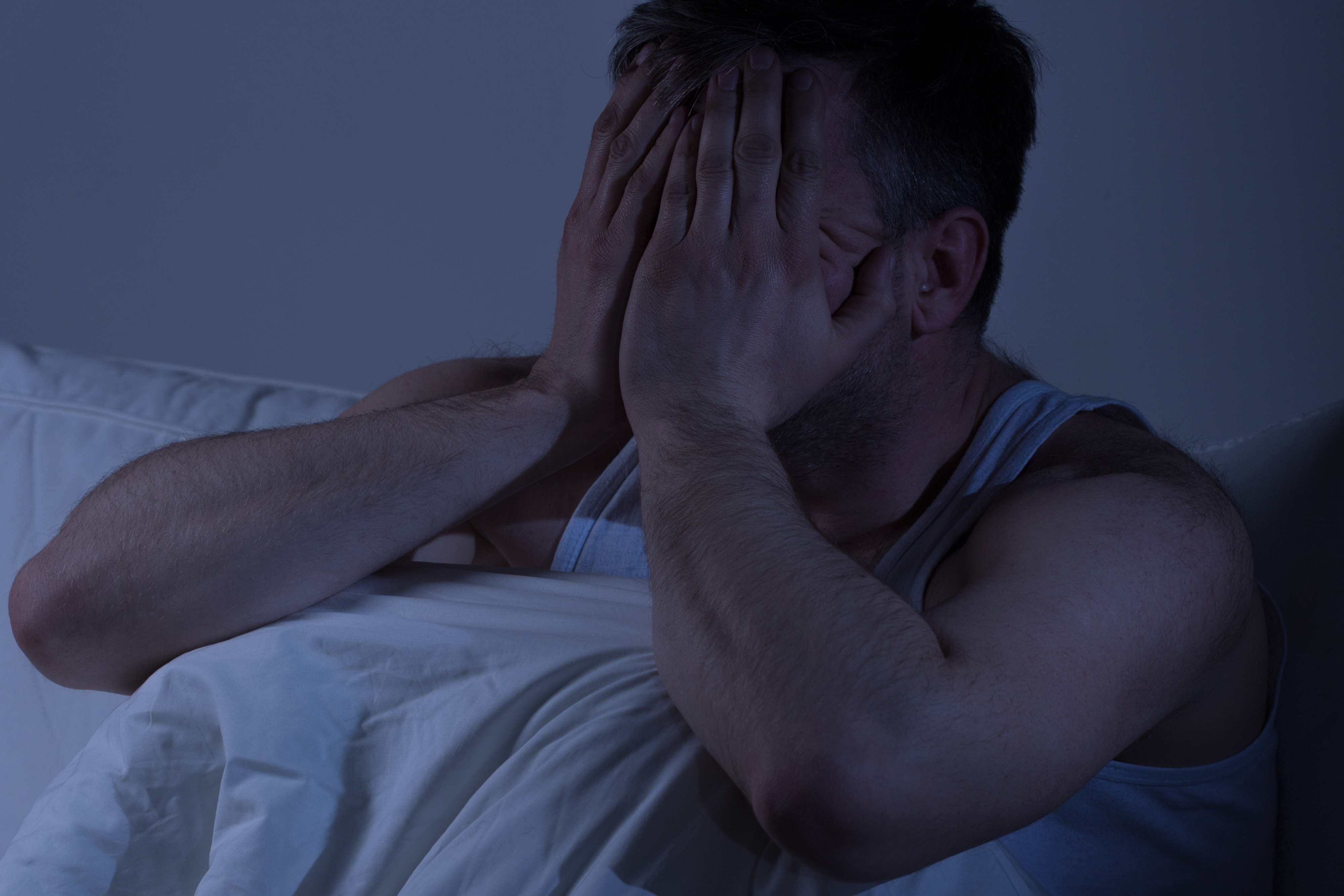
Sleep is when the body repairs and the immune system regulates itself. In one well-known study, people who usually slept less than six hours a night were more likely to catch a cold when exposed to the virus than people who slept seven hours or more. Aim for seven to nine hours, with regular sleep and wake times.
Eat a varied diet
No single food boosts immunity, but a varied diet supplies the protein, vitamins and minerals the immune system needs. Eat plenty of vegetables, fruit, beans, lentils, wholegrains, nuts and seeds, and enough protein from fish, eggs, dairy, meat or plant sources. Fibre and fermented foods such as yoghurt and kefir support a healthy gut microbiome, which is closely linked to immune function.
Stay active
Regular moderate exercise, such as brisk walking, cycling or swimming, is linked with fewer respiratory infections and better responses to vaccines. Aim for at least 150 minutes a week. Very long, intense training without enough recovery can temporarily lower defences, so rest days matter.
Manage stress
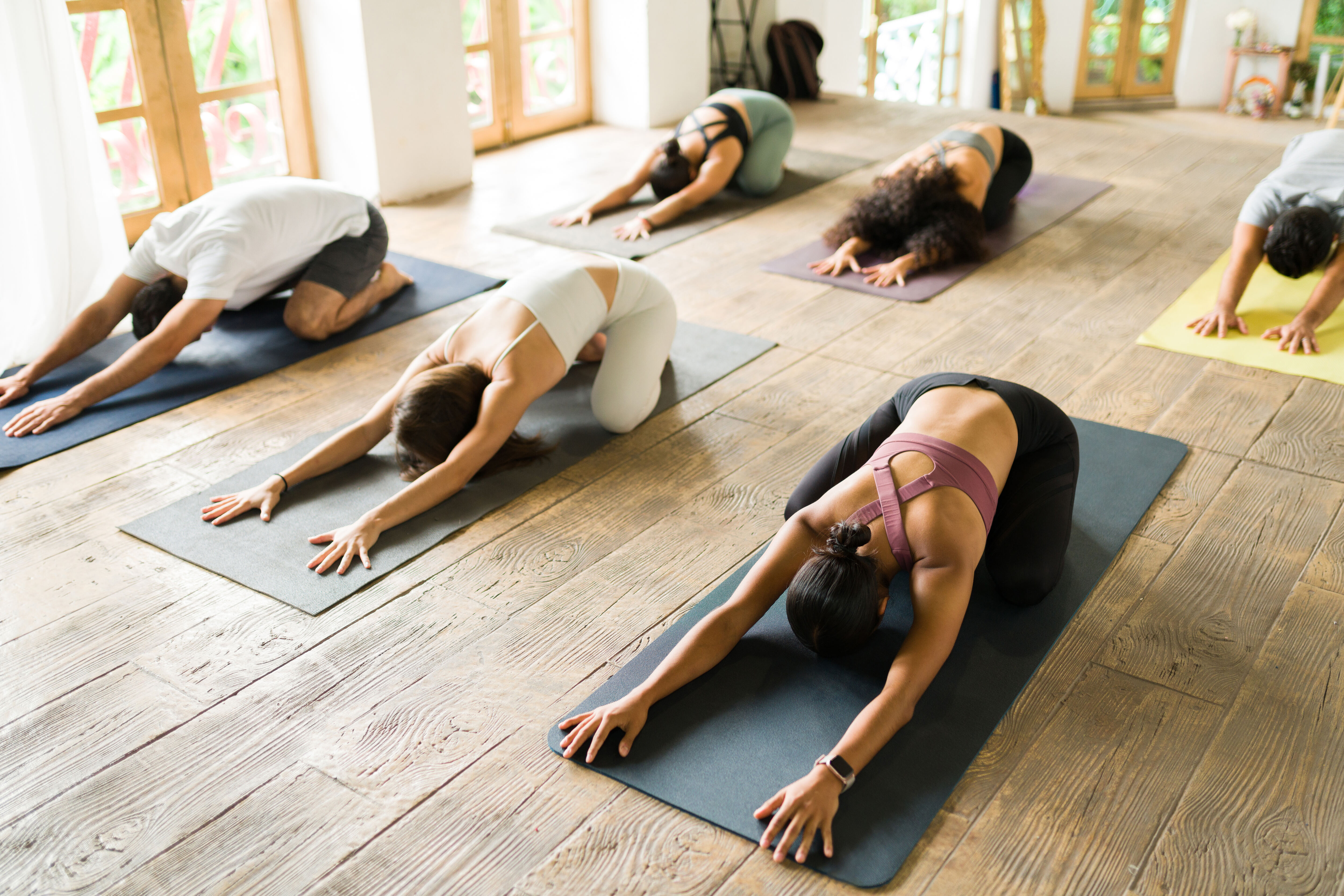
Long-term stress raises cortisol and disrupts sleep, and both can dampen immune responses. Regular exercise, time outdoors, social connection, relaxation techniques and practices such as tai chi or yoga can help.
Vitamin D
Vitamin D plays a role in immune function, and correcting a deficiency may reduce the risk of respiratory infections. UK advice is for everyone to consider a daily supplement of 10 micrograms from October to March, when sunlight is too weak for the skin to make enough. People with darker skin, those who cover their skin outdoors and people who are mostly indoors may need it all year round. A blood test can check your level.
Alcohol and smoking
Smoking damages the lining of the airways and increases the risk of chest infections. Heavy drinking weakens immune defences. Stopping smoking and keeping alcohol to no more than 14 units a week both support immune health.
Vaccines and hygiene
Vaccines train the immune system safely and are one of the most effective ways to prevent serious infections. Check which you are eligible for, such as the flu, COVID-19, pneumococcal and shingles vaccines. Washing your hands regularly, especially in winter, also reduces the spread of infections.
Do immune-boosting supplements work?
- Vitamin C. Taking it regularly does not prevent colds for most people, but it may slightly shorten them. People under heavy physical stress, such as endurance athletes, may benefit more.
- Zinc. Zinc lozenges started early may shorten a cold, but they can cause nausea and a bad taste, and long-term high doses can cause other deficiencies.
- Echinacea. Research results are mixed, and any benefit appears small.
- Probiotics. Some studies suggest a small reduction in respiratory infections, but results vary by product.
For most people who eat well, vitamin D in winter is the only supplement routinely recommended. Correcting a proven deficiency, such as low iron or B12, also helps. Always check supplements with a pharmacist if you take regular medicines. For more, see what supplements should I take?
Signs your immune system may need checking
Most adults catch two to four colds a year, and more if they have young children or work with the public. Infections that are unusually frequent, severe or slow to clear, or that keep needing antibiotics, are worth discussing with your GP. Low iron, low vitamin D, poorly controlled diabetes and some medicines can all weaken defences. See our page on low immunity for more.
When to seek medical help
Call 999 or go to A&E if you or someone you care for has signs of sepsis, such as slurred speech or confusion, extreme shivering or muscle pain, passing no urine in a day, severe breathlessness, or skin that is mottled, blue or very pale.
See your GP if:
- You get infections much more often than usual, or they are severe or slow to clear
- You keep needing antibiotics
- You have unexplained weight loss, night sweats, fevers or swollen glands
- You have a weakened immune system from a condition or treatment and develop any new infection
Frequently asked questions
What foods boost the immune system?
No single food boosts it. A varied diet with plenty of vegetables, fruit, pulses, wholegrains and enough protein gives your immune system what it needs.
Does vitamin C prevent colds?
For most people, no. Taking it regularly may slightly shorten colds, but it does not stop you catching them.
How long does it take to strengthen your immune system?
Better sleep and correcting a deficiency can help within weeks. The benefits of regular exercise, a varied diet and lower stress build up over months.
Does exercise strengthen the immune system?
Regular moderate exercise is linked with fewer infections and better vaccine responses. Balance it with rest, as very intense training without recovery can temporarily lower defences.
Immune support in Chiswick
Immune health support, including blood tests for vitamin D, iron and B12, is available at Omnia Lifestyle in Chiswick, W4, close to Turnham Green station, on bus routes 94, E3 and 272. Limited parking is available on request when booking. Anything that suggests an immune problem is passed to your GP.
Read more about immune support, see private blood tests explained and why am I so tired all the time?, explore blood tests, fitness and nutrition coaching and tai chi and qi gong, or book an appointment.
This article is general information, not medical advice. If you have any of the warning signs listed above, seek medical attention.

.jpg)
.jpg)