






Book at our Chiswick clinic
Acupuncture
Period pain is common, but for some people cramps and back ache stop them working, sleeping or exercising for a day or more every month. This guide is for anyone who has tried heat and painkillers and wants an honest view of acupuncture for period pain: what the research shows, what a course involves and when pain needs a medical check first.
When to see someone: if period pain is affecting your daily life each month, it is worth getting help. Acupuncture at Omnia is £80 for a 60-minute session, assessment included. Book online or call 020 4515 0000.
Quick answer
Acupuncture may reduce period pain for some people, but the research is mostly small, low-quality trials, so it is not a proven treatment. The NHS recommends heat, gentle exercise, massaging the tummy and back, and painkillers such as ibuprofen first, with prescription anti-inflammatories, a TENS machine or hormonal contraception from your GP if pain is severe. Acupuncture can sit alongside these as a personal choice. Pain that is getting worse needs a GP check. A 60-minute session at Omnia in Chiswick is £80.

Why periods hurt
The NHS explains that period pain happens when the womb tightens during your period. It usually lasts up to three days and can include tummy cramps that spread to the back and thighs, with sharp or dull aching. For most people this is a normal part of the menstrual cycle.
Sometimes pain is caused by an underlying condition. The NHS lists endometriosis and adenomyosis, fibroids, pelvic inflammatory disease and, in the first few months after insertion, an intrauterine device (IUD). NICE guidance on endometriosis (NG73) says endometriosis should be suspected when period pain affects daily activities and quality of life. If that sounds like you, a GP assessment comes before any complementary therapy. See how endometriosis is diagnosed.
Does acupuncture help period pain? What the evidence shows
A Cochrane review found that studies comparing acupuncture with no treatment reported lower pain scores, but comparisons with sham acupuncture were inconsistent, the quality of evidence was low or very low, and the authors concluded there is not enough evidence to show whether acupuncture or acupressure work for period pain. It is not clear how much of the benefit is specific to the needles rather than the relaxation and attention of treatment.
In practical terms, acupuncture is a reasonable option to try if you have normal (primary) period pain, painkillers do not suit you or do not help enough, or you prefer to add a non-drug approach. It should not delay a check-up if your pain has changed or is getting worse.
What the NHS and NICE say
- NHS advice. Self-help includes a warm bath, a heat pad or wrapped hot water bottle, massaging the tummy and back, gentle exercise such as yoga, swimming or walking, painkillers such as paracetamol or ibuprofen, and cutting down on alcohol and smoking. For severe pain, a GP can offer anti-inflammatory medicines, a TENS machine, hormonal contraception or a referral. The NHS period pain page does not mention acupuncture.
- NICE. There is no NICE recommendation for acupuncture for period pain. For endometriosis, NICE NG73 advises a short trial of paracetamol or an anti-inflammatory and hormonal treatment, and says the available evidence does not support traditional Chinese medicine, Chinese herbal medicines or supplements for treating endometriosis.
We think it is important to say this plainly. Acupuncture may help some people feel more comfortable, but it does not treat endometriosis, fibroids or infection.
What happens at an acupuncture session for period pain
Your first appointment starts with questions about your cycle: how long your periods last, when pain starts, how heavy bleeding is, what you have tried and any other symptoms such as pain during sex or bleeding between periods. Your practitioner may also ask about sleep, stress and digestion, which are often part of a Traditional Chinese Medicine assessment.
Fine, single-use needles are placed at points on the lower tummy, lower back, lower legs and hands. A point on the inner lower leg (SP6, Sanyinjiao) is one of the most commonly used for period pain. Needles usually stay in for 20 to 30 minutes while you rest. Heat or gentle cupping on the lower back may be added. Our practitioners are registered with the British Acupuncture Council or the Association of Traditional Chinese Medicine. Read more about acupuncture points.
How many sessions do you need?
Because period pain follows your cycle, it takes time to judge. Many people try weekly sessions over two to three cycles, often including a session in the days before a period is due. We review progress at the third visit. A simple diary of pain scores, days missed from work or exercise and painkillers used makes it easier to see if acupuncture is making a difference. If nothing has changed after two cycles, it is better to focus on other options with your GP.
Acupuncture points for period pain you can try at home
Acupressure means pressing on points with your fingers instead of needles. Some small studies suggest pressing SP6, about four finger widths above the inner ankle bone just behind the shin bone, may ease cramps. Press firmly for one to three minutes on each leg while breathing slowly. Avoid pressing SP6 if you might be pregnant. Acupressure mats and spiky mats have very little research behind them, but some people find lying on one with a heat pad relaxing.
What else helps period pain
- Heat. A heat pad or wrapped hot water bottle on the tummy or lower back is simple and effective for many people.
- Anti-inflammatory painkillers. Painkillers such as ibuprofen can ease cramps if they are safe for you. Check with a pharmacist if unsure.
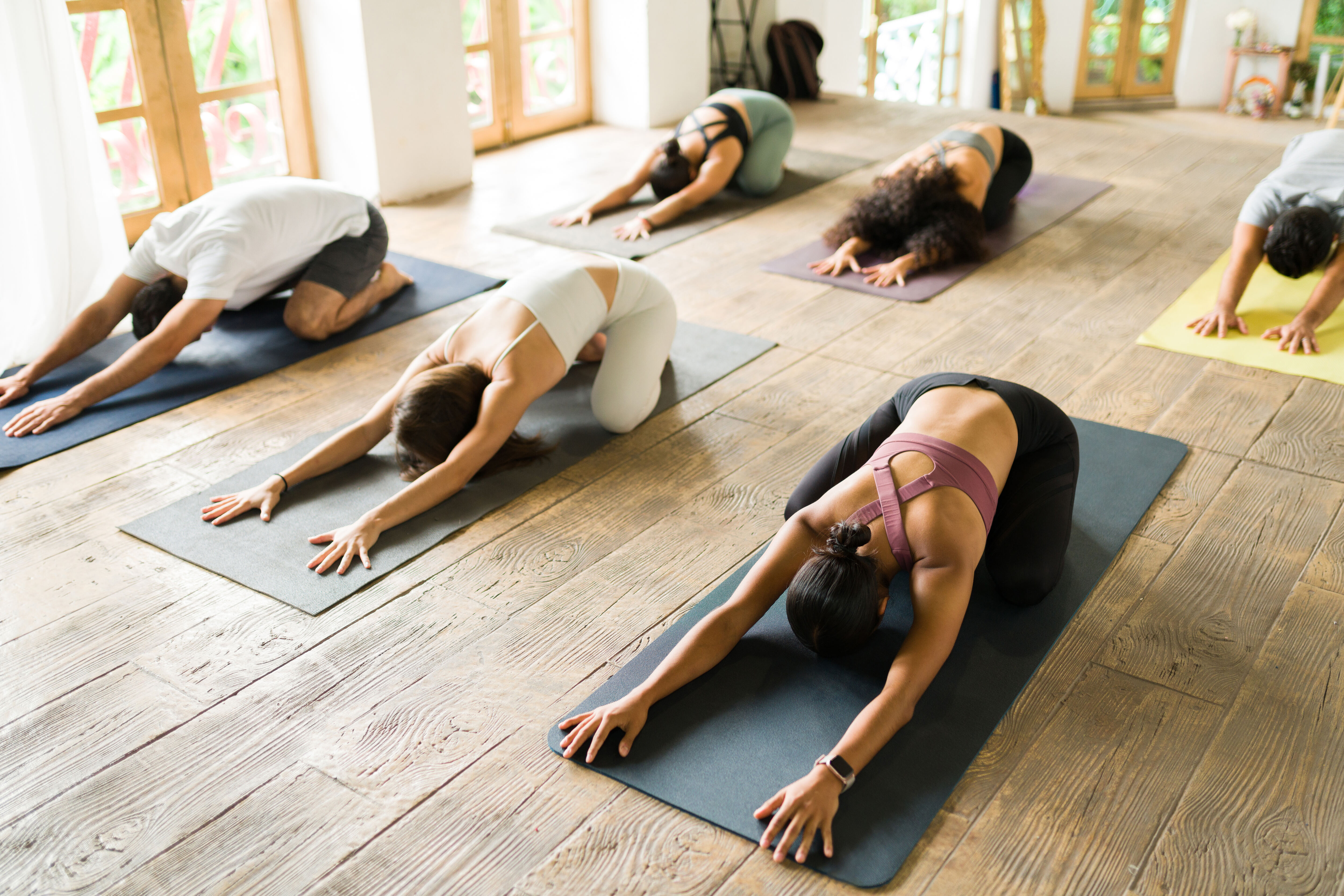
- Movement. Gentle walking, swimming or yoga can ease cramps.
- Massage. The NHS suggests massaging the tummy and back.
- A GP review. Hormonal contraception can make periods lighter and less painful for some people.
For quick relief ideas, see how to stop period pain fast, and read about heavy periods if bleeding is also a problem.
Who should take care with acupuncture
Acupuncture is generally safe with a registered practitioner using single-use sterile needles. The NHS advises care if you take blood-thinning medicine, have a higher risk of bleeding or very heavy periods linked to a bleeding problem, or have a skin condition or infection at the treatment area. Tell your practitioner if you are pregnant or trying to conceive, as some points are avoided. Mild soreness, bruising or tiredness can occur. See acupuncture side effects.
When to seek urgent help
Call 999 or go to A&E if you have:
- A sudden, sharp and intense pain in your tummy, especially if you feel very dizzy, faint or sick, look very pale, or could be pregnant
- Severe pelvic pain that is getting worse or hurts when you move, with a very high temperature or shivering
- Pelvic pain with very heavy vaginal bleeding
Get an urgent GP appointment or contact NHS 111 if your period or pelvic pain is severe or worse than usual and painkillers have not helped.
See your GP if your periods become more painful, heavier or irregular, pain stops your usual activities, you have pain during sex or when peeing or pooing, you bleed between periods, or you have a swollen tummy or weight loss without trying.
Frequently asked questions
Can acupuncture help period cramps?
It may ease cramps for some people. Research reviews have found some benefit compared with no treatment, but the studies are small and low quality, so it does not work for everyone. Acupuncture works alongside heat, movement and painkillers rather than replacing them. If cramps are severe or changing, see your GP to rule out conditions such as endometriosis or fibroids.
Is acupuncture good for period pain relief during a period?
Some people book a session in the days before or at the start of a period, when cramps are building. Others find regular weekly sessions across the month more useful. There is no single correct timing, so your practitioner will plan around your cycle and review at the third visit. Keep using heat and painkillers as needed during your period.
Does acupuncture help period back pain?
Period pain often spreads to the lower back and thighs. Acupuncture treatments for period pain usually include points on the lower back as well as the tummy and legs, and some people find this helps the back ache. A heat pad on the lower back and gentle movement are also worth trying. New or severe back pain should be checked.
Can acupuncture help endometriosis pain?
Some people with endometriosis use acupuncture to help them cope with pain, but it does not treat the condition. NICE recommends painkillers and hormonal treatment, with specialist referral where needed, and says the evidence does not support traditional Chinese medicine or herbal medicines for treating endometriosis. Speak to your GP or gynaecologist first. See our endometriosis page.
Is Chinese medicine (TCM) for period pain the same as acupuncture?
Acupuncture is one part of Traditional Chinese Medicine, which also includes herbal medicine, cupping and Tui Na massage. This guide covers acupuncture. If you are considering Chinese herbs, tell your GP and pharmacist about all your medicines, and take particular care with herbs if you could be pregnant or are breastfeeding.
Acupuncture for period pain in Chiswick
Our clinic is at 8 to 9 Bedford Corner, The Avenue, Chiswick W4 1LZ, close to Turnham Green station, on bus routes 94, E3 and 272. Limited parking is available on request when booking. Our acupuncturists can plan sessions around your cycle and suggest simple self-care for between visits.
Read more on our period pain and menstrual disorders page, see how to stop period pain fast, learn about irregular periods, or explore acupuncture in Chiswick.
Book acupuncture in Chiswick: a 60-minute session is £80, assessment included. Book online or call 020 4515 0000.
This article is general information, not medical advice. If you have any of the warning signs above, seek medical attention.
Ready to book?
Acupuncture



.jpg)
.jpg)
