Close

Part of ourMusculoskeletal (MSK) conditionscare

Migraine: what it is and how we help

Migraine is a neurological condition causing severe recurring headaches, often with nausea and sensitivity to light. At Omnia Lifestyle in Chiswick we treat it with acupuncture, manual therapy and stress-regulation therapies, combined after assessment.

Omnia Lifestyle, 8 to 9 Bedford Corner, The Avenue, Chiswick W4 1LZ. Two minutes from Turnham Green station. Call 020 4515 0000.
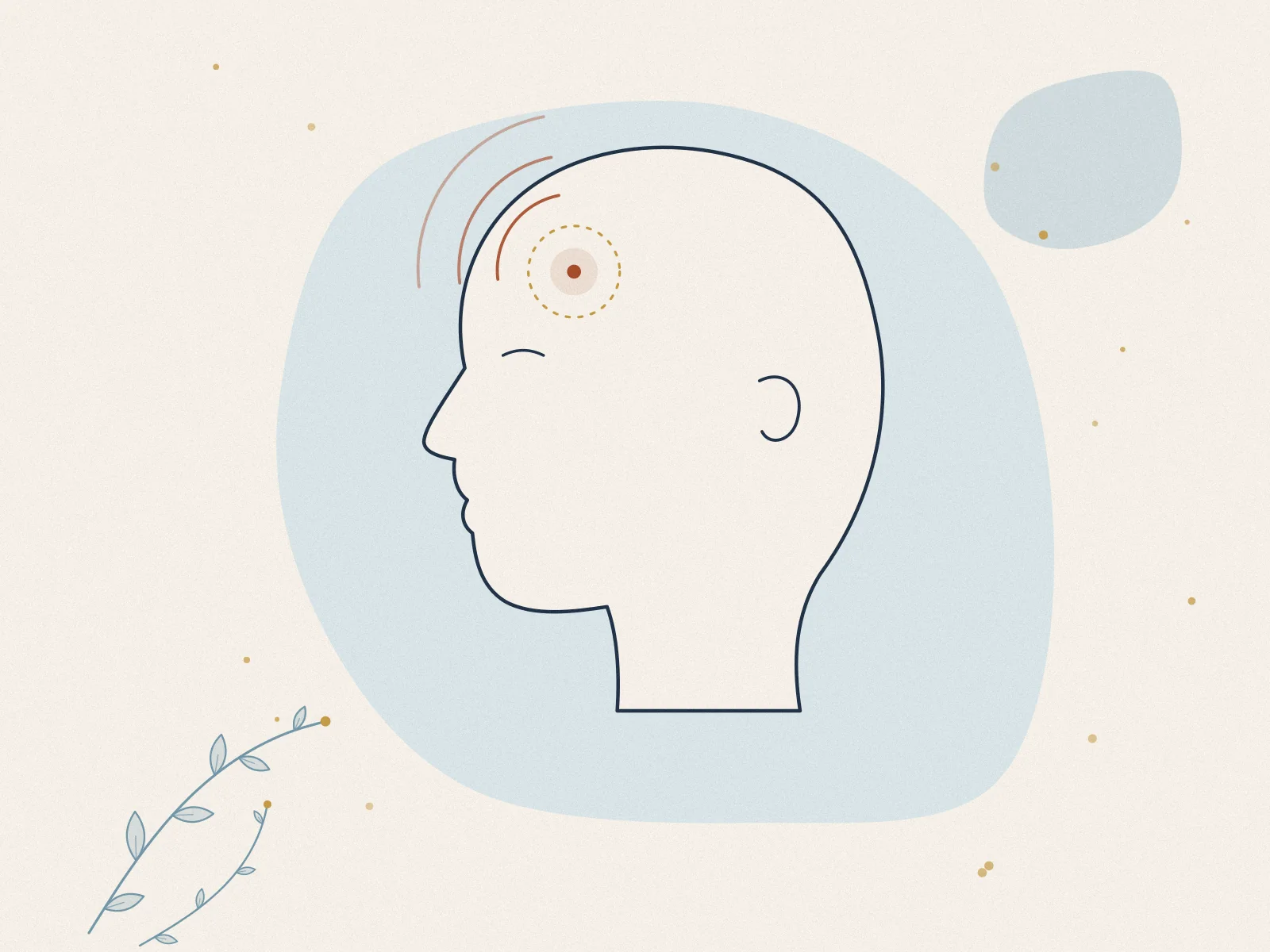
Illustration of migraine, treated at Omnia Lifestyle clinic in Chiswick, West London

Migraine at a glance

Migraine is a neurological condition, not just a bad headache. Attacks usually bring a moderate to severe throbbing pain, often on one side, with nausea and sensitivity to light and sound, and can last from four hours to three days. Around one in seven people in the UK live with migraine, and it is two to three times more common in women.

Symptoms of migraine

  • Throbbing head pain, often one-sided and worse with movement
  • Nausea or vomiting
  • Sensitivity to light, sound or smells
  • Aura in some people: zigzag lines, blind spots or tingling before the headache
  • Tiredness, low mood or food cravings before or after an attack

What triggers migraine?

Common triggers include hormonal changes around periods and the menopause, stress and the let-down after stress, poor or irregular sleep, skipped meals, dehydration, alcohol and neck muscle tension. Triggers differ from person to person, so a diary is the best tool.

How is migraine treated?

Your GP can prescribe treatment for attacks, such as triptans, and preventive medication if attacks are frequent. Overusing painkillers on more than about ten days a month can cause medication overuse headache, which is worth discussing with your GP.

How we help with migraine in Chiswick

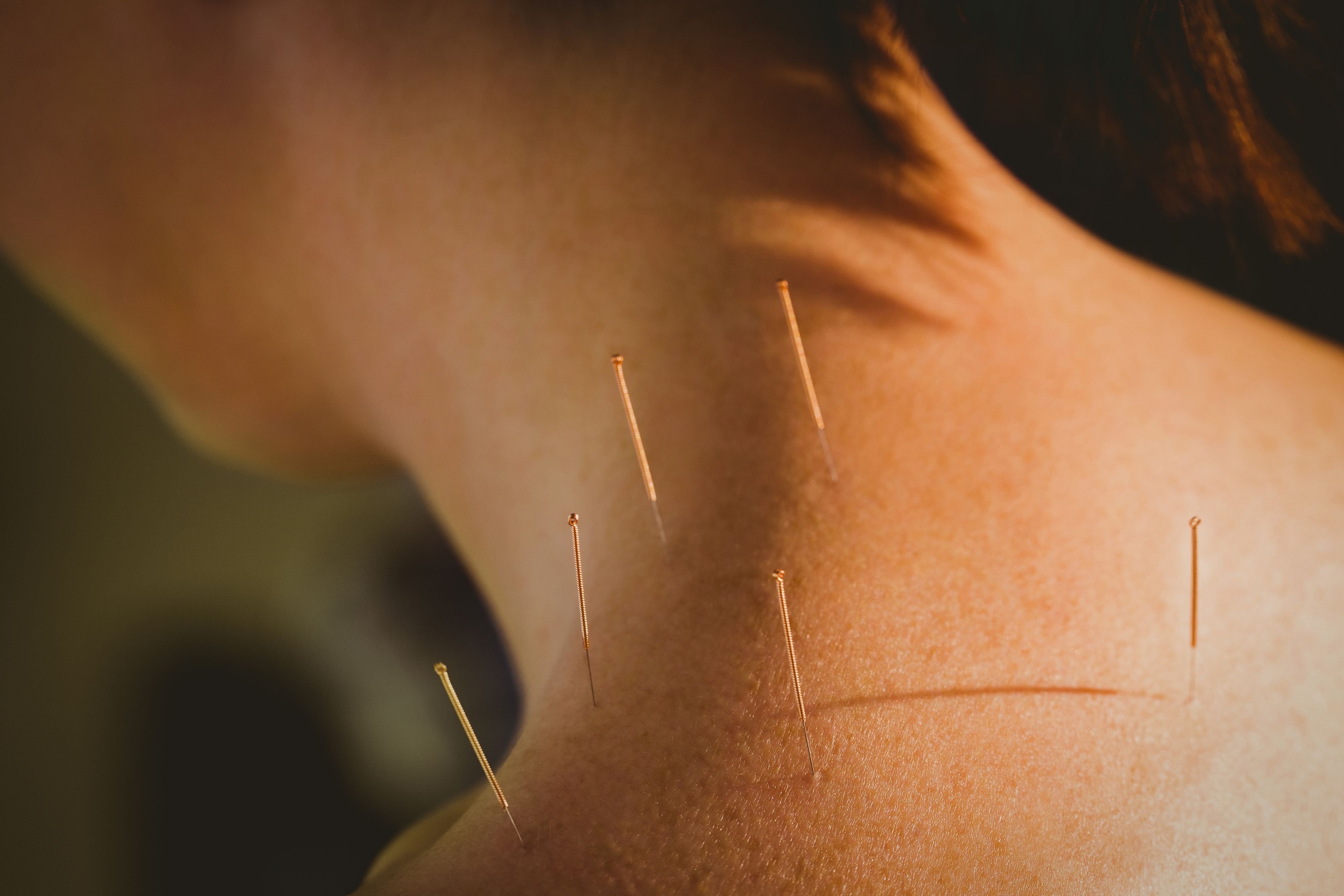
  • Acupuncture: NICE guidance (CG150) says a course of up to ten sessions over five to eight weeks can be considered to prevent migraine. This is one of the best-supported uses of acupuncture.
  • Manual therapy and physiotherapy: for neck and shoulder tension that often accompanies attacks.
  • Ayurveda: routine, sleep and diet guidance to reduce common triggers.
  • Yoga: relaxation and breathing that some studies link to fewer attacks.

What does the evidence say?

Large reviews found acupuncture reduces the frequency of migraine attacks compared with no acupuncture, with effects similar to some preventive medicines and fewer side effects. Regular sleep, meals and exercise also reduce attack frequency.

Can acupuncture help migraines?

For prevention, yes, there is reasonable evidence. NICE headache guidance says a course of up to ten acupuncture sessions over five to eight weeks can be considered to prevent migraine, particularly when preventive medicines such as topiramate or propranolol are unsuitable or have not worked. Cochrane reviews found acupuncture reduces how often attacks happen, with effects similar to some preventive drugs and fewer side effects. It is less useful for stopping an attack that has already started, so it works best as a planned course alongside your GP's treatment.

What happens during acupuncture for migraine?

Your first session starts with questions about how often attacks happen, how long they last, your triggers and any medication you take. Fine, single-use sterile needles are placed at points on the head, neck, hands and feet and left for around 20 to 30 minutes while you rest. Most people feel a brief tingle or dull ache and find the sessions relaxing. Sessions are usually weekly at first, and you keep a headache diary so we can measure whether attacks are becoming less frequent or less severe.

Hormonal and menstrual migraine

Many women notice attacks cluster around their period, when oestrogen levels fall, and migraine often changes during perimenopause, pregnancy and after the menopause. A diary that records your cycle alongside attacks helps your GP decide whether short-term preventive treatment around your period is worth trying. Where this pattern is clear, we time acupuncture sessions around your cycle. See also menopause symptoms.

What to expect at Omnia

We begin with a full headache history and a check of neck, jaw and shoulder tension, then agree a course, usually six to ten sessions over five to eight weeks. You keep a simple diary of attack days, severity and painkiller use, and we review it with you mid-course and at the end. If attacks are not reducing, we tell you honestly rather than continuing. We ask you to keep your GP informed, and we never change prescribed medication.

What you can do at home

  • Keep a headache diary for at least eight weeks
  • Eat and sleep at regular times, including weekends
  • Stay hydrated and limit alcohol
  • Rest in a dark, quiet room at the first sign of an attack

For tension-type and mixed headaches, see headaches and migraines. For how long migraine and other headaches last, and when a long attack needs advice, see how long headaches last. Omnia Lifestyle is at 8 to 9 Bedford Corner, Chiswick W4, two minutes from Turnham Green. Book acupuncture for migraine or call 020 4515 0000.

Related Therapies & Services

Questions we are asked

Migraine: your questions answered

Can acupuncture help migraines?

Yes, there is reasonable evidence for prevention. NICE headache guidance says a course of up to 10 acupuncture sessions over 5 to 8 weeks can be considered to prevent migraine, for example when preventive medicines are unsuitable or have not worked.

How many acupuncture sessions are needed for migraine?

A typical course is 6 to 10 sessions over 5 to 8 weeks, then maintenance only if it is helping. We ask you to keep a headache diary so the effect is measured, not guessed.

How does acupuncture help migraines?

It is thought to change how the nervous system processes pain and to reduce muscle tension in the neck and shoulders that can trigger attacks. Its main value is fewer or milder attacks over time, rather than stopping one already under way.

What is the difference between a migraine and a tension headache?

Migraine is usually a moderate to severe throbbing pain, often one-sided, with nausea or sensitivity to light and sound, and sometimes aura. Tension headache feels like a band of pressure across both sides and rarely causes nausea.

When is a headache an emergency?

Call 999 or go to A&E for a sudden severe thunderclap headache, headache with weakness, confusion, slurred speech or loss of vision, or headache with fever and a stiff neck.

Thank you, we have your notes.

A member of our team will be in touch to arrange your call. If anything is urgent, please call 020 4515 0000.

An error has occurred somewhere and it is not possible to submit the form. Please try again later.

Book online

To book an appointment straight away you can use our book now button

Message us on WhatsApp