Close

Part of ourWomen's healthcare

Menopause Symptoms: what it is and how we help

Menopause symptoms such as hot flushes, disturbed sleep and mood changes arise as hormone levels shift in midlife. At Omnia Lifestyle in Chiswick we support the transition with acupuncture, restorative therapies and screening, combined after assessment, alongside HRT or medical care where you use it.

Omnia Lifestyle, 8 to 9 Bedford Corner, The Avenue, Chiswick W4 1LZ. Two minutes from Turnham Green station. Call 020 4515 0000.
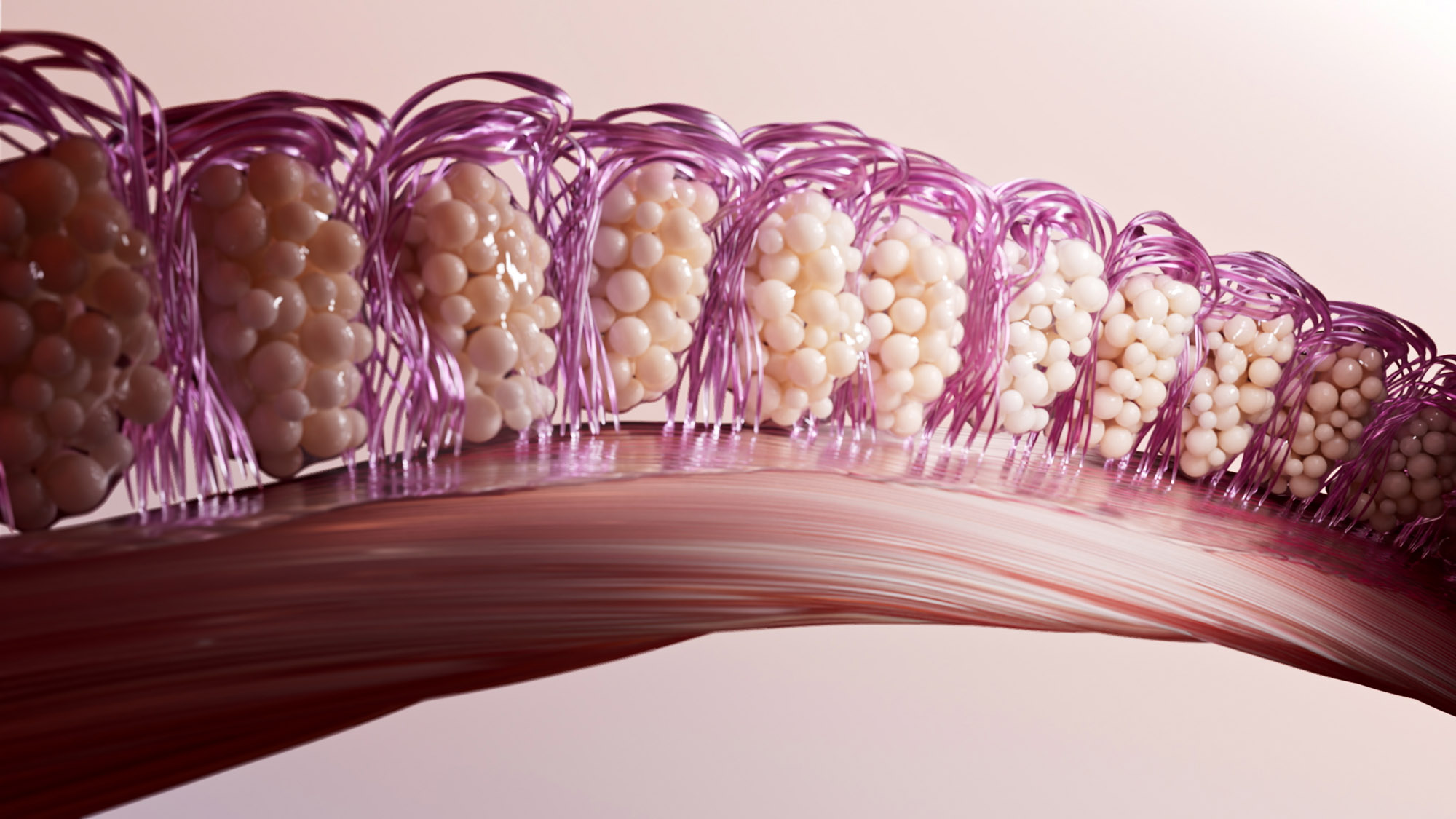
Illustration of menopause symptoms, treated at Omnia Lifestyle clinic in Chiswick, West London

Menopause symptoms at a glance

Menopause is when periods stop for twelve months, usually between 45 and 55, with an average age of 51 in the UK. Symptoms often start years earlier in perimenopause, as oestrogen levels fluctuate. Hot flushes, poor sleep, joint pain, brain fog and low mood are common, and most women experience at least some symptoms. Good support can make a large difference.

Common menopause symptoms

  • Hot flushes and night sweats
  • Difficulty sleeping
  • Joint aches and muscle pain
  • Brain fog, poor concentration and memory lapses
  • Anxiety, irritability and low mood
  • Weight gain around the middle and loss of muscle
  • Vaginal dryness and urinary symptoms

When does menopause start?

Most women reach menopause between 45 and 55, and the average age in the UK is 51. Perimenopause, the phase when hormones start to fluctuate and periods change, often begins in the mid 40s but can start earlier. Menopause before 45 is called early menopause, and before 40 it is called premature ovarian insufficiency. Both are reasons to see your GP, because HRT is usually recommended to protect bone and heart health until the average age of menopause. Surgery to remove the ovaries and some cancer treatments can also bring on menopause suddenly.

How long does menopause last, and what signals the end?

Menopause itself is a single point: the day twelve months after your last period. After that you are postmenopausal. Symptoms continue for around four years after the last period on average, but around one in ten women have symptoms for up to twelve years. There is no single sign that symptoms have finished; hot flushes and night sweats usually become less frequent and milder over time. Vaginal dryness and urinary symptoms can continue or appear later, and they respond well to treatment, so they are worth raising with your GP.

How is menopause treated?

Hormone replacement therapy (HRT) is the most effective treatment for hot flushes and many other symptoms, and your GP can discuss benefits and risks for you. NICE guidance (NG23, updated) also recommends cognitive behavioural therapy for hot flushes and low mood. Healthy lifestyle measures help everyone.

How we support menopause in Chiswick

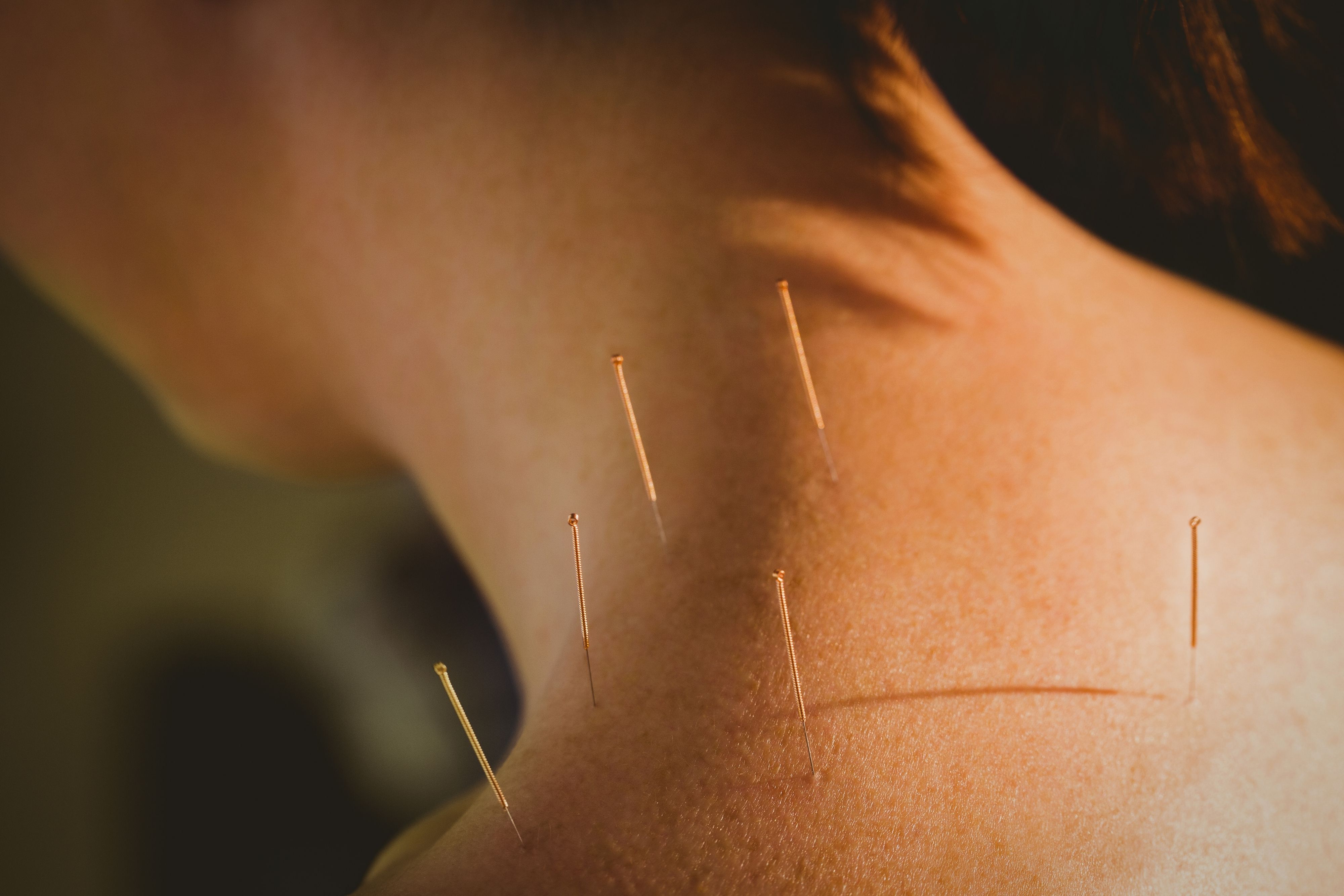
  • Acupuncture: some trials report fewer or less troublesome hot flushes; many women use it alongside or instead of HRT.
  • Fitness and nutrition with InBody: strength training and nutrition to protect muscle and bone and manage weight.
  • Physiotherapy: for menopausal joint pain and stiffness.
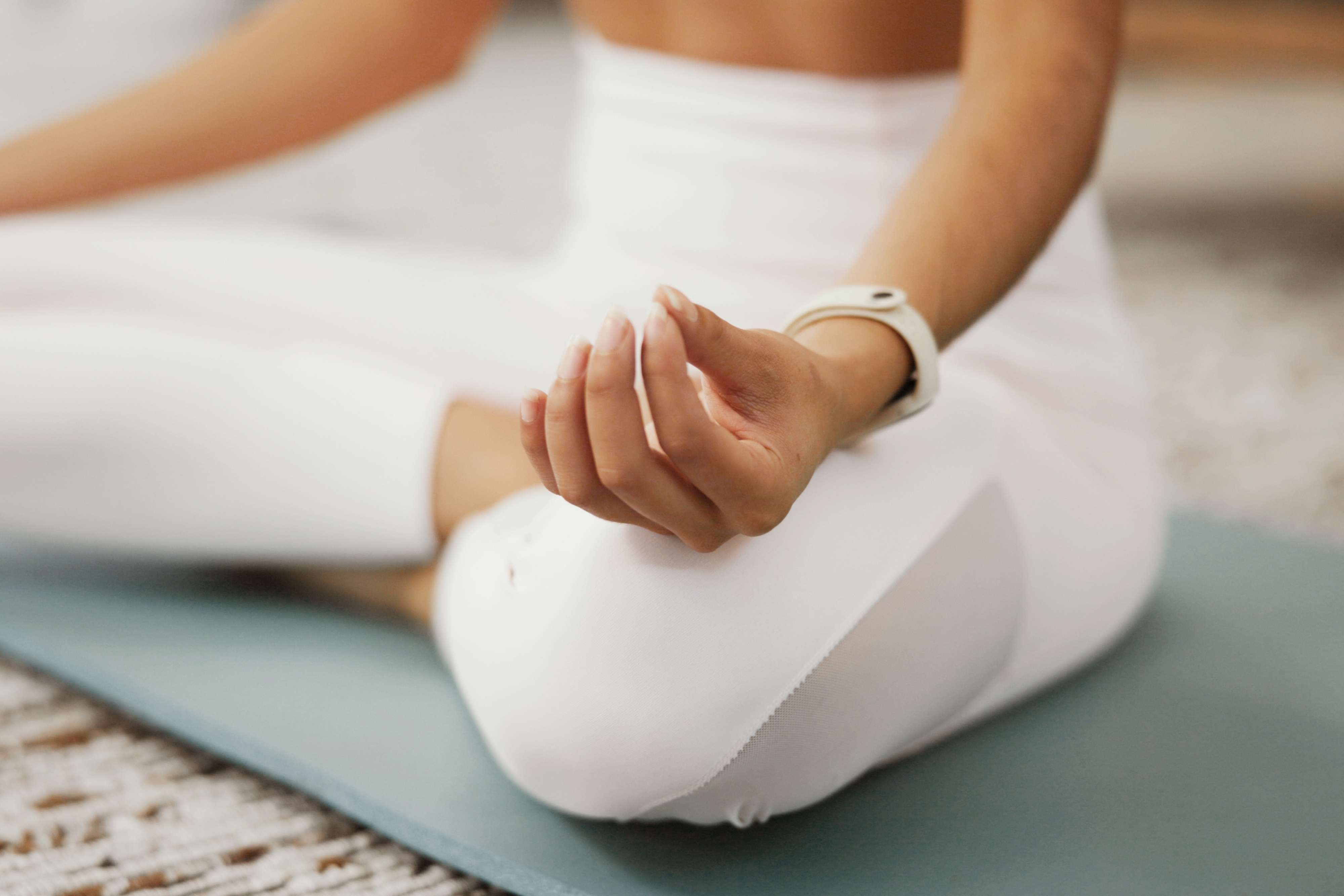
  • Ayurveda, yoga and tai chi: sleep, stress and routine support.
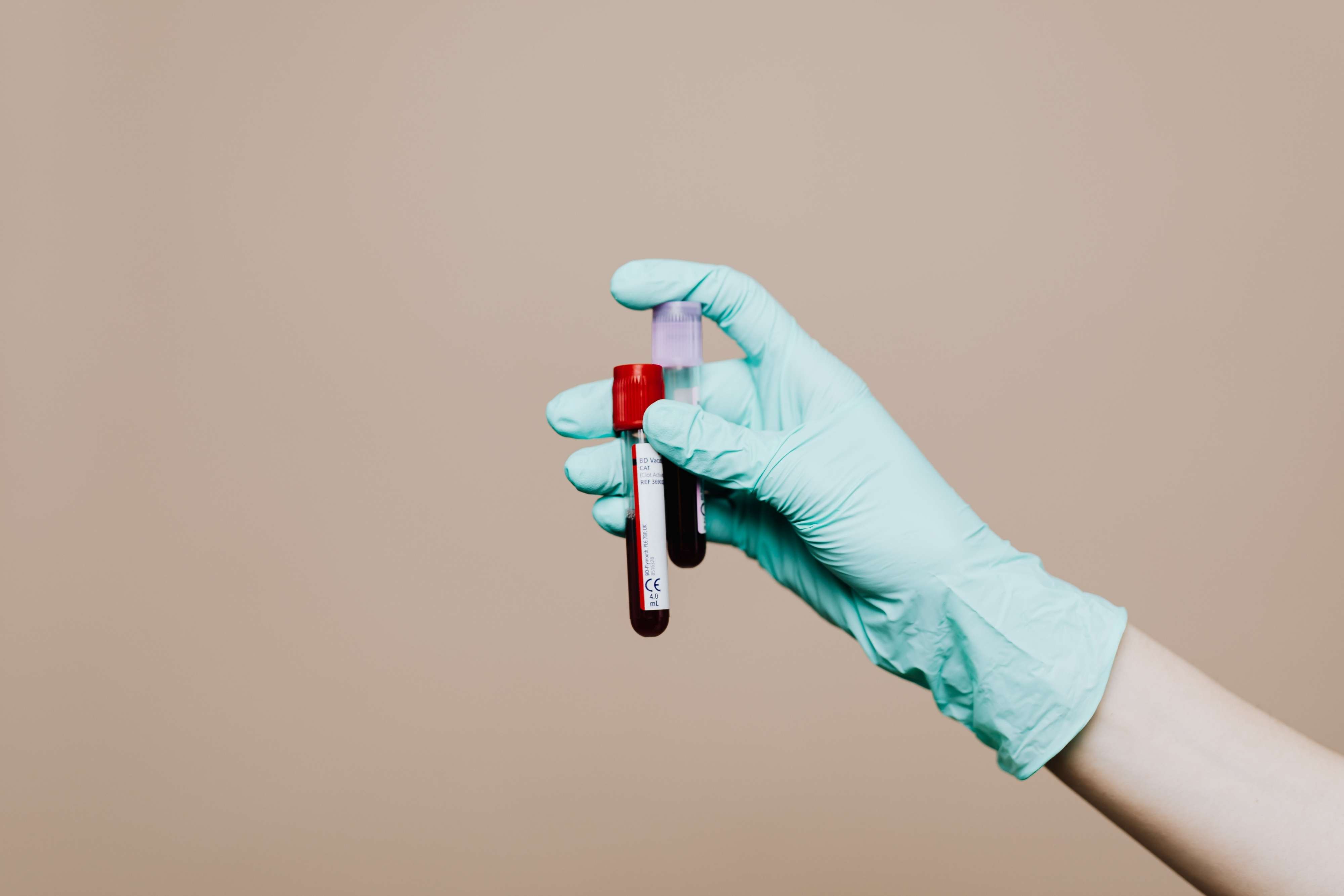
  • Blood tests: thyroid, iron, vitamin D and cholesterol, which change around menopause.

What does the evidence say?

HRT has the strongest evidence for symptom relief. Strength training protects bone density and muscle mass, which fall after menopause. Evidence for acupuncture on hot flushes is mixed but some women benefit.

Why does menopause cause belly fat, and what helps?

As oestrogen falls, the body tends to store more fat around the abdomen rather than the hips and thighs, and muscle mass declines, which lowers daily energy use. Poor sleep and stress add to this. The most effective steps are strength training two or three times a week, protein at each meal, regular walking, less alcohol and a consistent sleep routine. An InBody scan measures visceral fat and muscle, so you can see changes the scales miss.

What to expect at Omnia

Your first appointment covers your symptoms, cycle history, sleep, mood, any HRT or medication and what matters most to you. Many women start with an InBody scan and a blood panel to check thyroid, iron, vitamin D and cholesterol. Your plan might combine acupuncture for flushes and sleep, strength coaching and Ayurvedic routine support, reviewed every few weeks. We work alongside your GP or menopause specialist, and we are always happy to support women who are using HRT.

What you can do at home

  • Lift weights or do resistance exercise two or three times a week
  • Reduce alcohol and caffeine if they trigger flushes
  • Keep your bedroom cool and use layers
  • Eat enough protein and calcium-rich foods

For a stage-by-stage timeline, see our guide to how long menopause lasts.

Wondering whether it has begun? See our guide to when menopause starts and the first signs.

Blood tests that can help

Most women over 45 do not need a blood test to diagnose menopause, but a test can help if symptoms start earlier or the picture is unclear. Our Hormone Health Check (£69) checks the key hormones. Read our guide to early menopause blood tests. Blood tests are taken at our Chiswick clinic, with no GP referral, and you receive a clear results report, with a GP review available at an additional cost if you would like one. See every blood test and price.

Related: hormonal weight gain and sleep problems. Omnia Lifestyle, Chiswick W4. Book online or call 020 4515 0000.

Related Therapies & Services

Questions we are asked

Menopause Symptoms: your questions answered

How long does the menopause last?

Symptoms usually start in the perimenopause, often in your 40s, and last on average around four years after your last period, but some people have them for 10 years or more. The average age of menopause in the UK is 51.

What are the common symptoms of the menopause?

Hot flushes, night sweats, poor sleep, low mood, anxiety, brain fog, joint aches, vaginal dryness, reduced libido and changes in periods are common. Symptoms vary widely from person to person.

Can acupuncture help menopause symptoms?

Some studies suggest acupuncture may reduce hot flushes and improve sleep and wellbeing for some women. It can be used alongside HRT or as an option for those who cannot or prefer not to take it.

How can I reduce menopause belly fat?

Falling oestrogen shifts fat towards the tummy and muscle declines. Strength training, protein at each meal, reducing alcohol, good sleep and stress management help most. An InBody scan shows where changes happen.

When should I see a doctor about menopause symptoms?

See your GP if symptoms affect your daily life, to discuss HRT and other treatments. Always see your GP about any bleeding after the menopause, meaning more than 12 months after your last period.

Thank you, we have your notes.
A member of our team will be in touch to arrange your call. If anything is urgent, please call 020 4515 0000.

An error has occurred somewhere and it is not possible to submit the form. Please try again later.

Book online

To book an appointment straight away you can use our book now button

Message us on WhatsApp