






Vestibular First · Chiswick W4, West London
Vestibular First
Vestibular First at Omnia Lifestyle in Chiswick, West London, is specialist assessment and rehabilitation for vertigo, BPPV and balance problems, including repositioning manoeuvres such as the Epley and structured balance retraining.
Vertigo and BPPVSpecialists
Epley manoeuvreRepositioning
Balance retrainingStructured rehab
4.9 ★Google rating
Health insurance
Recognised by . Check your policy and bring your authorisation code; we provide itemised receipts for every claim.


At Omnia Lifestyle
Vertigo and BPPV treatment in London
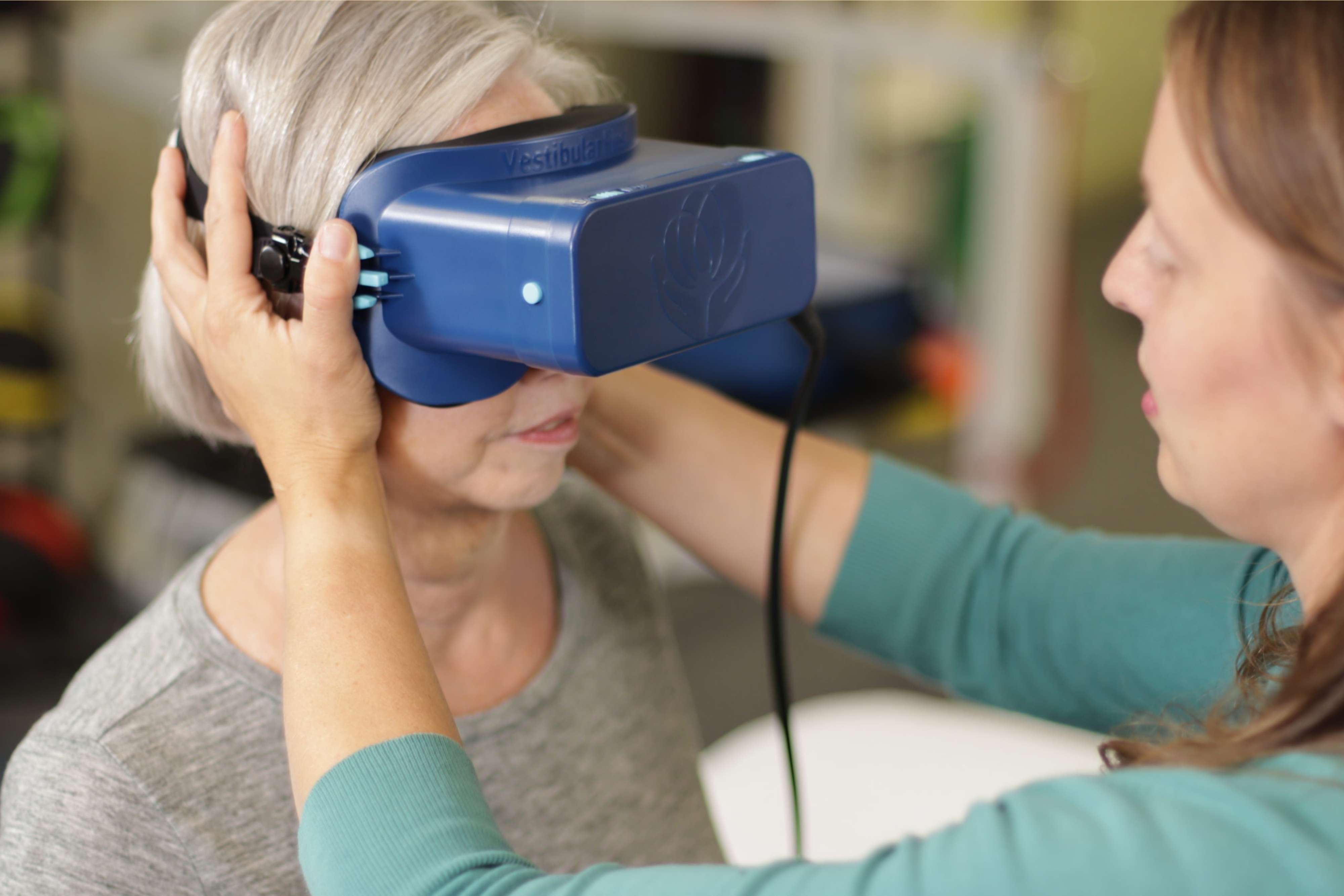
Does the room spin when you roll over in bed, look up or get out of a chair? That pattern is typical of BPPV, the most common cause of vertigo, and it is one of the most treatable conditions we see. Vestibular First at Omnia Lifestyle in Chiswick, West London, is specialist assessment and rehabilitation for vertigo, dizziness and balance problems.
Treatment includes repositioning manoeuvres such as the Epley for BPPV, which can resolve symptoms in one or two sessions, and structured balance retraining for vestibular dysfunction, post-concussion imbalance and persistent dizziness. Every assessment screens first for causes that need medical referral.
Two minutes from Turnham Green station on the District line, with home visits across West London for anyone too dizzy to travel.
Why Omnia Lifestyle
4.9 ★Google rating from verified patient reviews
5000+Patients supported through personalised, results-driven care
150+ yearsCombined clinical experience across a multidisciplinary team
RegisteredWith leading UK professional bodies, with internationally recognised specialists
Why people come
Why choose Omnia for vestibular rehabilitation in London
- Specialist vestibular assessment. Positional, eye movement and balance testing to find the cause.
- The Epley manoeuvre for BPPV. Often resolves spinning vertigo in one or two sessions.
- Balance retraining. Structured exercises that retrain the brain to process movement signals.
- Red flag screening first. Signs that need a doctor are identified before treatment begins.
- Fewer falls, more confidence. Stability and spatial awareness improve with a home programme.
- Home visits available. For anyone too dizzy to travel to the clinic.
The mechanism
How vestibular rehabilitation works
Your sense of balance comes from three sources: the inner ear, your eyes and the sensors in your muscles and joints. When one of them sends faulty signals, the brain receives a mismatch and you feel dizzy or unsteady. In BPPV, tiny calcium crystals have moved into the wrong part of the inner ear, triggering spinning with certain head positions.
Repositioning manoeuvres such as the Epley guide those crystals back to where they belong, often with immediate relief. For other vestibular problems, rehabilitation exercises gradually retrain the brain to recalibrate, reducing dizziness and restoring confident movement over a structured programme.

Who it helps
Is vestibular treatment right for you?
- BPPV. Short bursts of spinning when you turn in bed, look up or bend down.
- Persistent dizziness. Lightheadedness or unsteadiness that has been going on for weeks.
- Balance problems and falls. Older adults who feel less steady on their feet.
- After concussion. Dizziness, visual disturbance and imbalance following a head injury.
- Inner ear conditions. Vestibular neuritis, labyrinthitis and Meniere's disease, alongside medical care.
- Anyone told to "wait and see". Most vertigo responds to targeted treatment.

What to expect
What to expect at your vestibular assessment
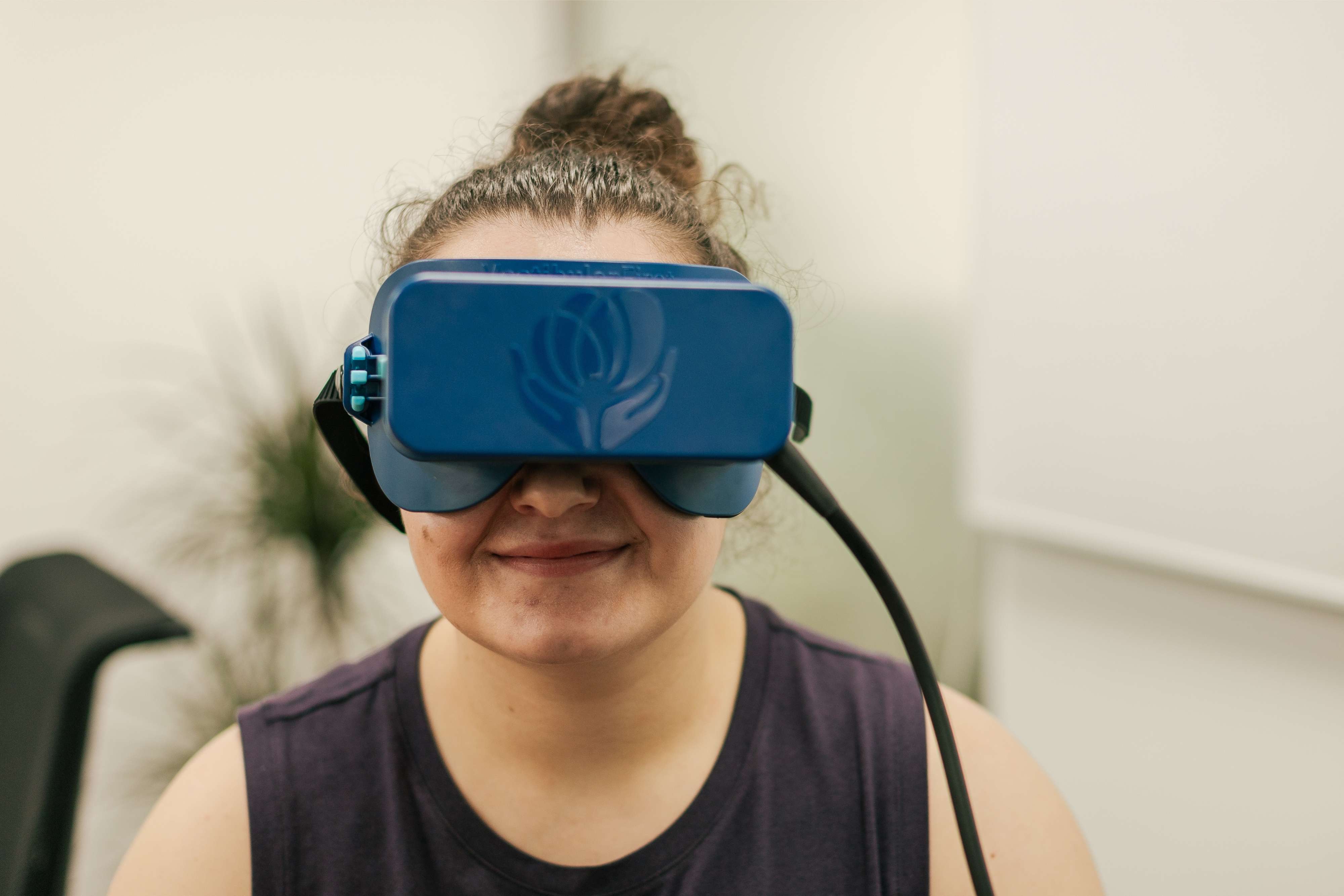
Your first appointment begins with a detailed history of your dizziness: what triggers it, how long it lasts and what else you notice. Your practitioner then carries out positional, eye movement and balance tests to identify the cause, and screens for any signs that need medical referral first.
If BPPV is confirmed, treatment usually starts in the same session with a repositioning manoeuvre; expect brief dizziness during it and relief soon after. For other causes you leave with a structured home programme and a follow-up plan. Bring someone to drive you home if you are prone to strong vertigo.
Step by step
What a Vestibular First visit looks like
- Vestibular assessment. Detailed history and balance, eye movement and positional tests to find the cause of dizziness.
- Screening. Any signs needing medical referral are identified before treatment begins.
- Treatment. Repositioning manoeuvres such as Epley for BPPV, or balance retraining exercises.
- Home programme. Structured exercises and follow-up to retrain balance over time.

Fees
Session fees
- Vestibular assessment and treatment: £50
- Follow-up rehabilitation session: £50
- Home visit for severe vertigo: ask at booking
Call 020 4515 0000 for courses, packages and anything not listed here.
Safety and suitability
Assessment screens for causes of dizziness that need medical referral first, including neurological signs, before any repositioning or rehabilitation begins.
Reviews
Trusted by hundreds in West London
Questions
Before you book
Can physiotherapy help with dizziness and vertigo?
What happens at a vestibular assessment?
Can BPPV come back, and how do I stop it recurring?
How do I know if my dizziness is BPPV or something else?
What is the Epley manoeuvre?
What is BPPV and how is it treated?
Why choose Vestibular First at Omnia?
Can vestibular rehabilitation help after a concussion?
Can vestibular rehabilitation help chronic dizziness?
What is the vestibular system?
What is vestibular rehabilitation?
Chiswick, West London
8 to 9 Bedford Corner, The Avenue, Chiswick W4 1LZ
Two minutes from Turnham Green station on the District line.
Vestibular First near me: Omnia Lifestyle is a short walk from Turnham Green station and serves Chiswick, Hammersmith, Ealing, Acton, Brentford, Kew, Richmond and the wider West London area, with home visits available.


