






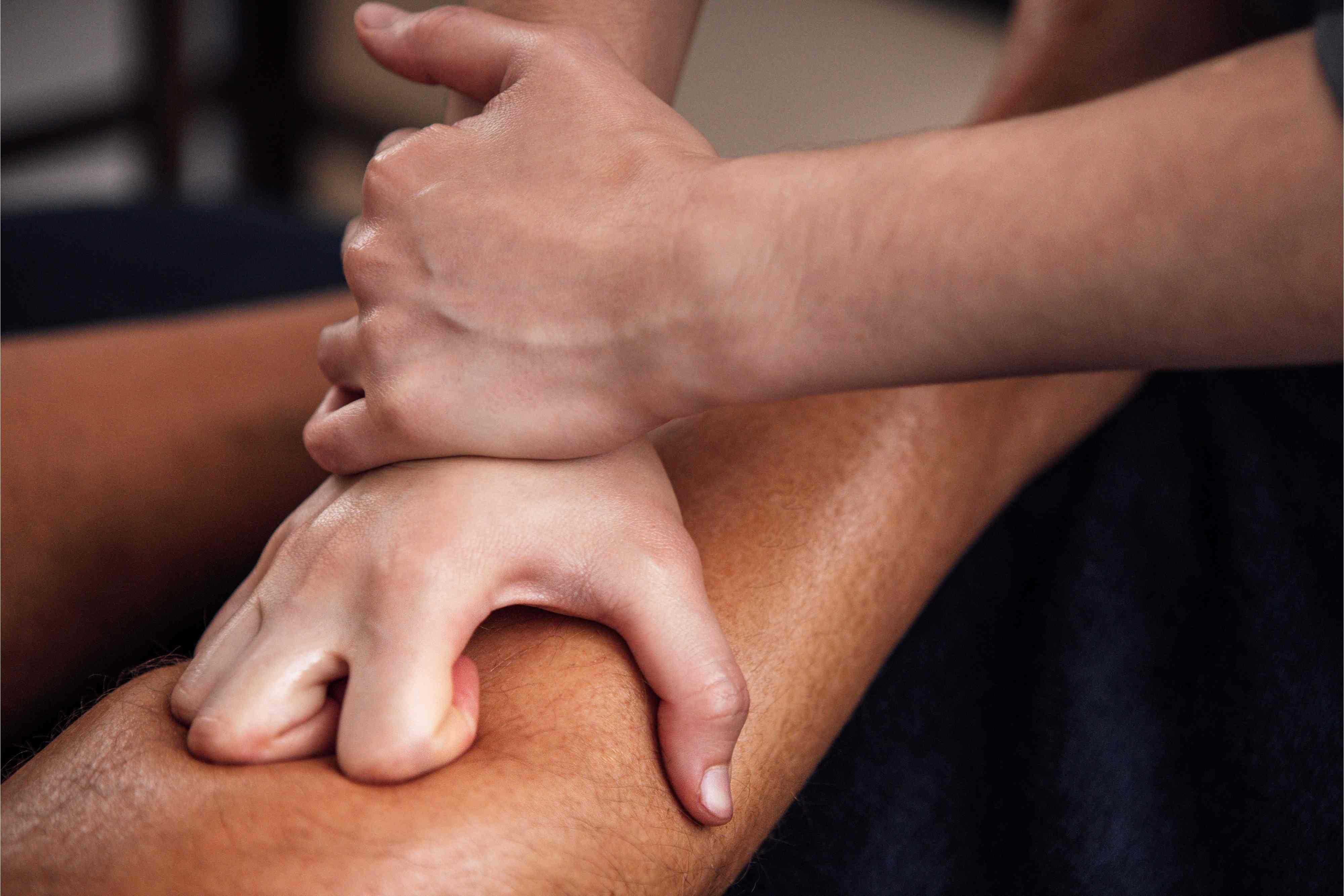
Deep Tissue Massage · Chiswick W4, West London
Deep Tissue Massage
Deep tissue massage uses slow, sustained pressure to release chronic tension in the deeper layers of muscle and fascia. At Omnia Lifestyle in Chiswick, West London, it is used for neck, shoulder and back pain, knots, postural strain from desk work and stress-related tension.
30–60 minSession length
Slow and sustainedPressure technique
Short courseBest for chronic tension
4.9 ★Google rating


At Omnia Lifestyle
Deep tissue massage in London for lasting relief
Neck and shoulders that never quite let go, a lower back that stiffens by mid-afternoon, or knots you can feel under your fingers? Deep tissue massage at Omnia Lifestyle in Chiswick, West London, uses slow, sustained pressure to reach the deeper layers of muscle and fascia where chronic tension sits, delivered by therapists who find the source before they start.
It is our most requested massage for desk-related neck and shoulder pain, lower back tightness, tension headaches and the physical side of stress. Pressure is worked up gradually and adjusted to you, so the treatment is firm and effective without being a test of endurance. Deep tissue massage is part of our manual therapy service, alongside sports massage for training and recovery, and MSK therapy with a physiotherapist when pain keeps coming back.
Two minutes from Turnham Green station on the District line, deep tissue massage in Chiswick is £65 for 30 minutes or £90 for 60 minutes, with home visit massage available across West London.
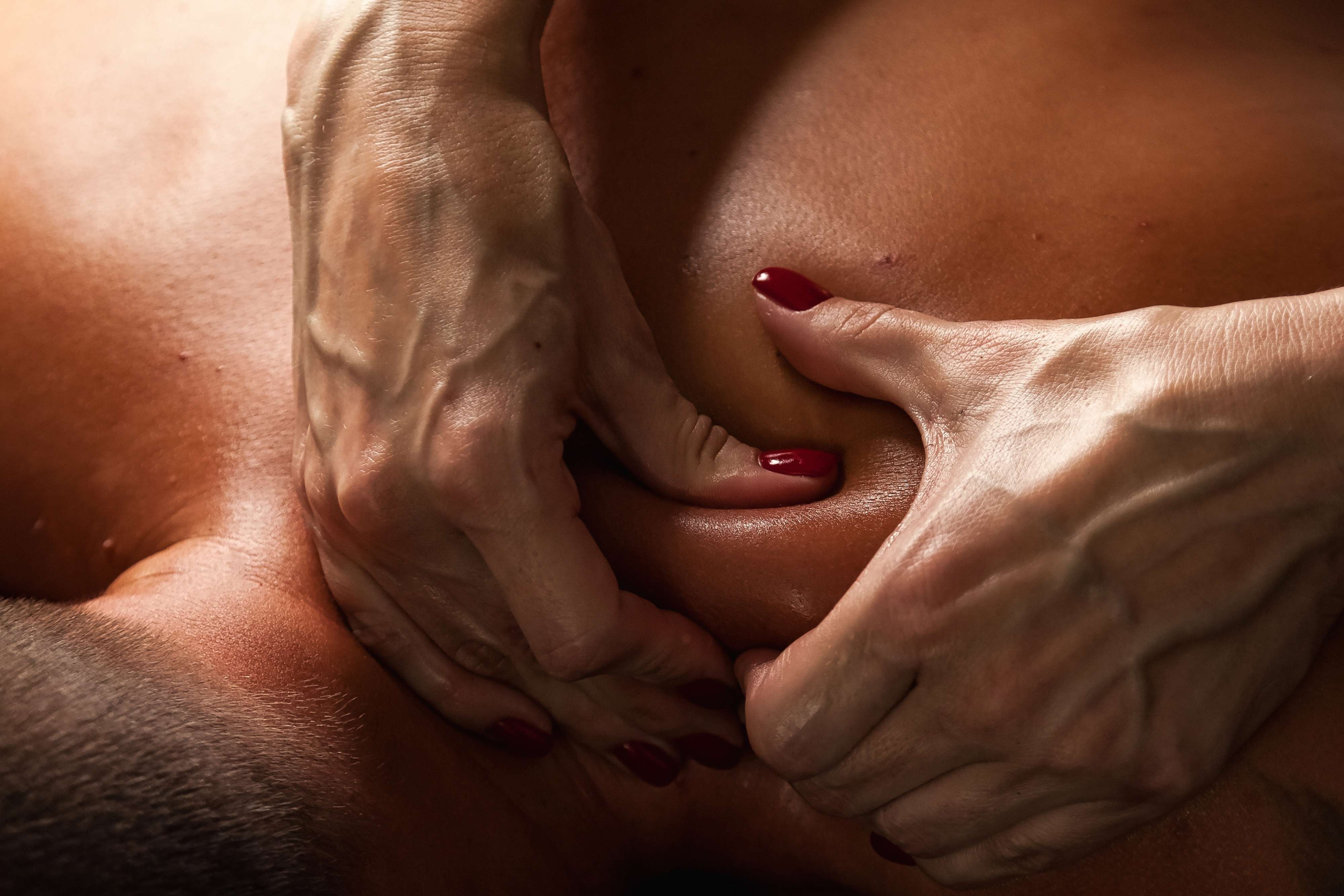
Why Omnia Lifestyle
4.9 ★Google rating from verified patient reviews
5000+Patients supported through personalised, results-driven care
150+ yearsCombined clinical experience across a multidisciplinary team
RegisteredWith leading UK professional bodies, with internationally recognised specialists
Why people come
Why patients choose Omnia for deep tissue massage
- Releases chronic tension. Slow, sustained pressure reaches the deeper muscle layers that lighter massage does not.
- Eases neck, shoulder and back pain. Especially the stiffness that builds from long hours at a desk or on a phone.
- Works on knots and trigger points. Focused pressure on tight bands that refer pain elsewhere, including some tension headaches.
- Restores comfortable movement. Turning your head, reaching overhead and bending feel easier when guarded muscle relaxes.
- Pressure that suits you. Built up gradually with constant feedback, firm but never punishing.
- A clinic, not a spa. If assessment suggests a deeper problem, our physiotherapists are in the same building.
The mechanism
How deep tissue massage works
Deep tissue massage uses slow strokes and sustained pressure from the hands, forearms and elbows to work through the superficial muscles into the deeper layers beneath. Holding pressure on a tight band gives the muscle time to release, and working across and along the fibres helps restore glide between muscle and fascia that has stiffened through posture, overuse or stress.
As guarding eases and local circulation increases, movement becomes more comfortable and the ache that has become background noise often settles. Because chronic tension usually has a cause, your therapist will point out the postural or daily habits feeding it and give you simple ways to keep the benefit going.
.jpeg)
Who it helps
Is deep tissue massage right for you?
- Desk and laptop workers. Stiff neck, rounded shoulders and upper back pain from long hours at a screen.
- Chronic lower back tightness. The ache that builds through the day and never fully resets overnight.
- Tension headaches. Headaches that start in the neck and shoulders, often worse under stress.
- Stress held in the body. Clenched jaw, raised shoulders and muscles that will not switch off.
- Physical jobs. Tradespeople, carers, parents and anyone lifting and carrying all day.
- People who find relaxation massage too light. You want pressure that actually reaches the problem.
What to expect
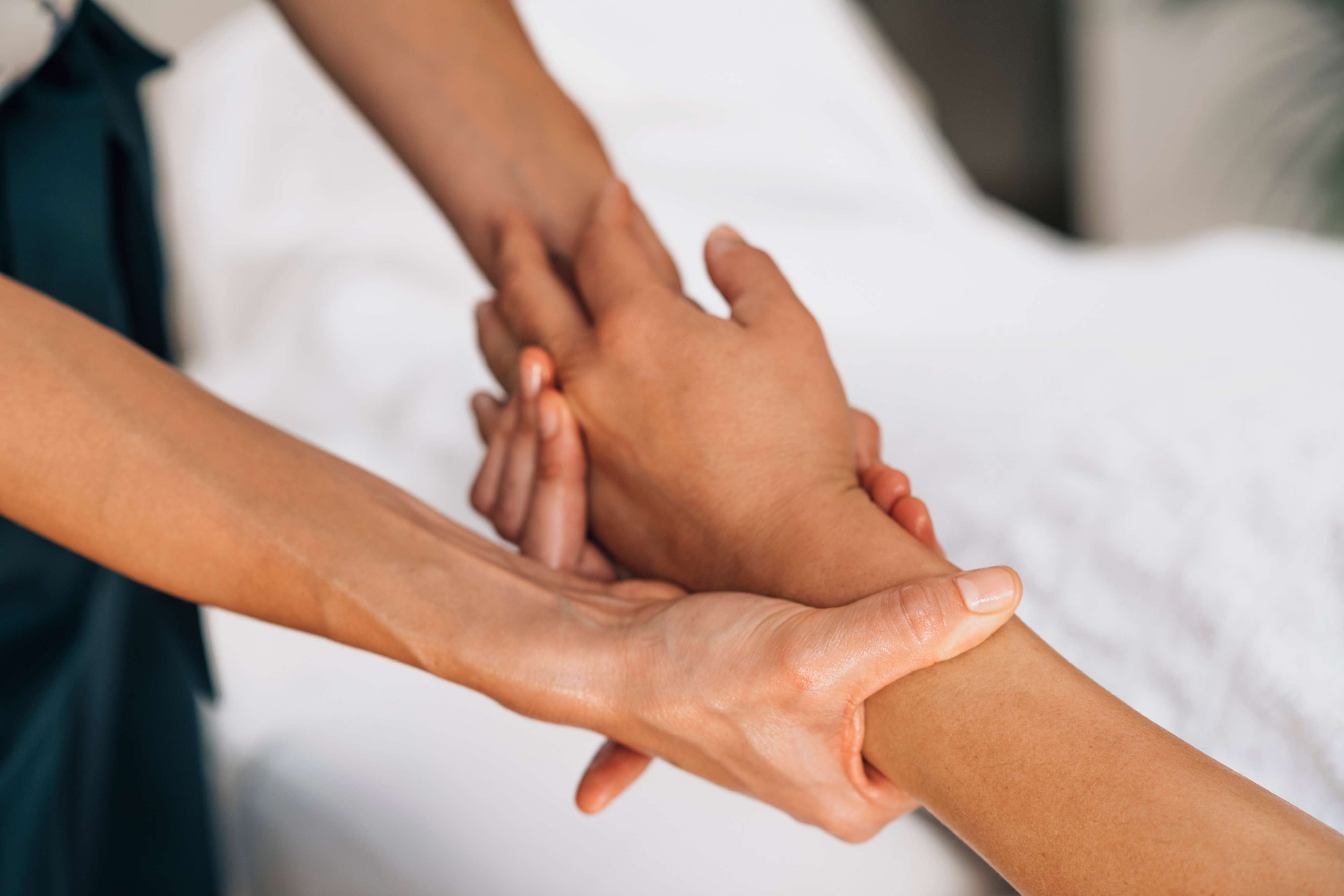
What to expect at your deep tissue massage
Your session begins with a short consultation: where you feel tight or sore, what your day involves, any injuries or medical conditions and how firm you like your massage. Your therapist starts with broader, warming strokes before working more deeply into the areas that need it. You are covered with towels throughout and only the area being treated is uncovered.
Deep pressure can feel intense on very tight spots, and your therapist will check in regularly and ease off whenever you ask. Some tenderness for a day or two afterwards is common and is usually followed by noticeably easier movement. Drink water, keep moving gently and try the simple stretches your therapist suggests. Long-standing tension usually responds best to a short course of sessions.
Step by step
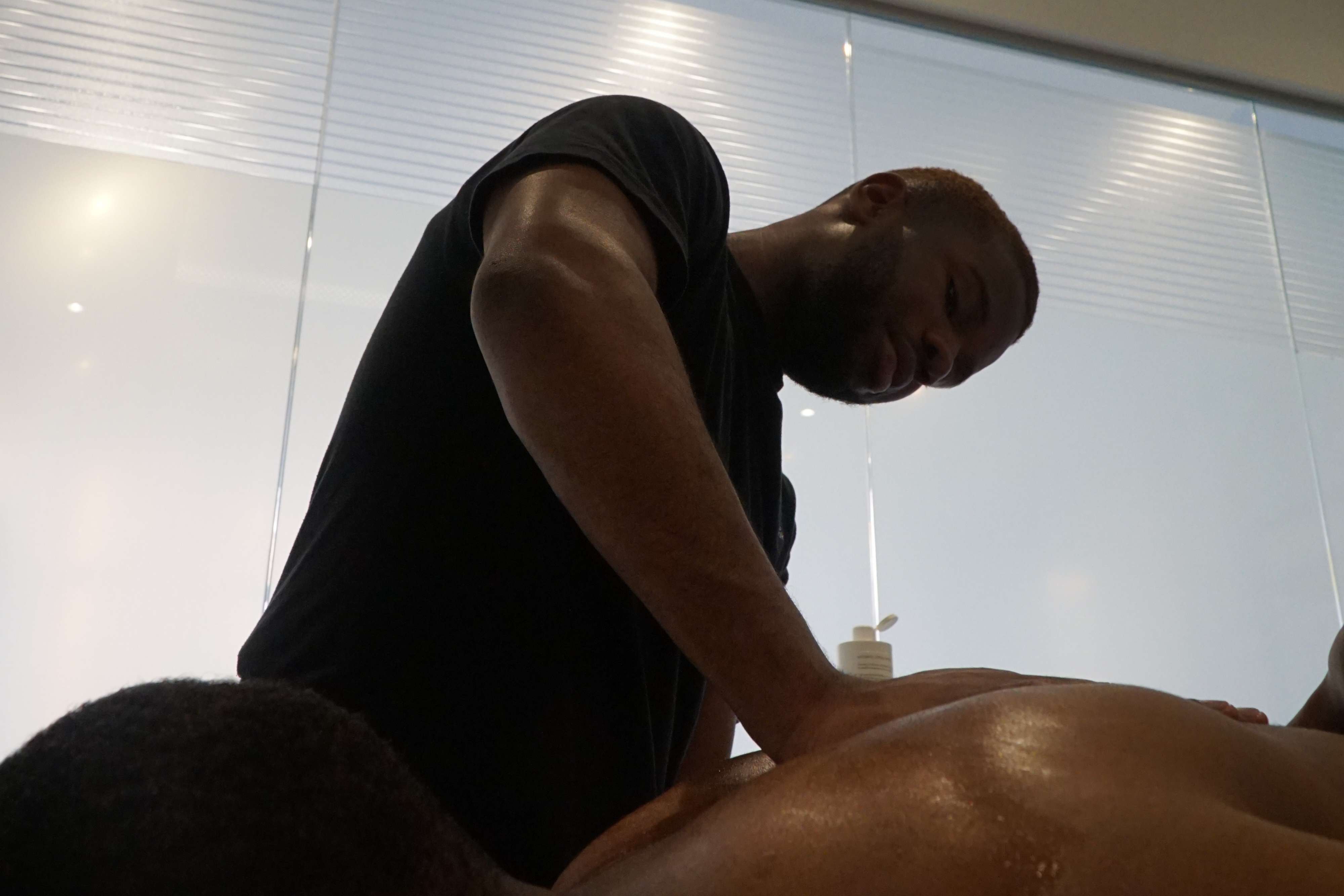
What a Deep Tissue Massage visit looks like
- Consultation. We ask where you feel tension, what your day involves and how firm you like your massage.
- Warm-up. Broad strokes prepare the tissue before deeper work begins.
- Deep work. Slow, sustained pressure on the areas that need it, adjusted to your feedback throughout.
- Aftercare. Hydration, gentle movement and simple stretches to keep the benefit going.
Who you will see
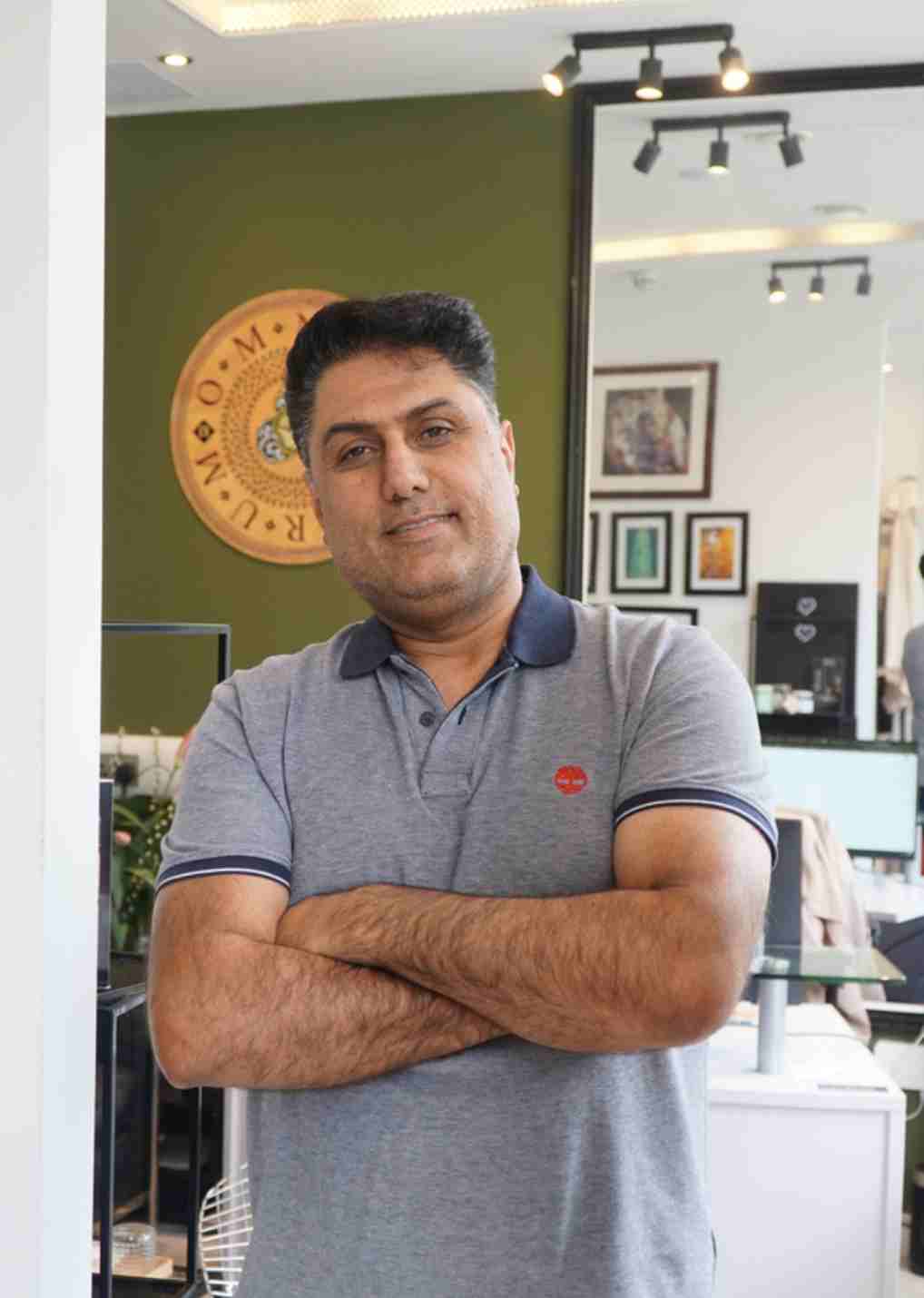
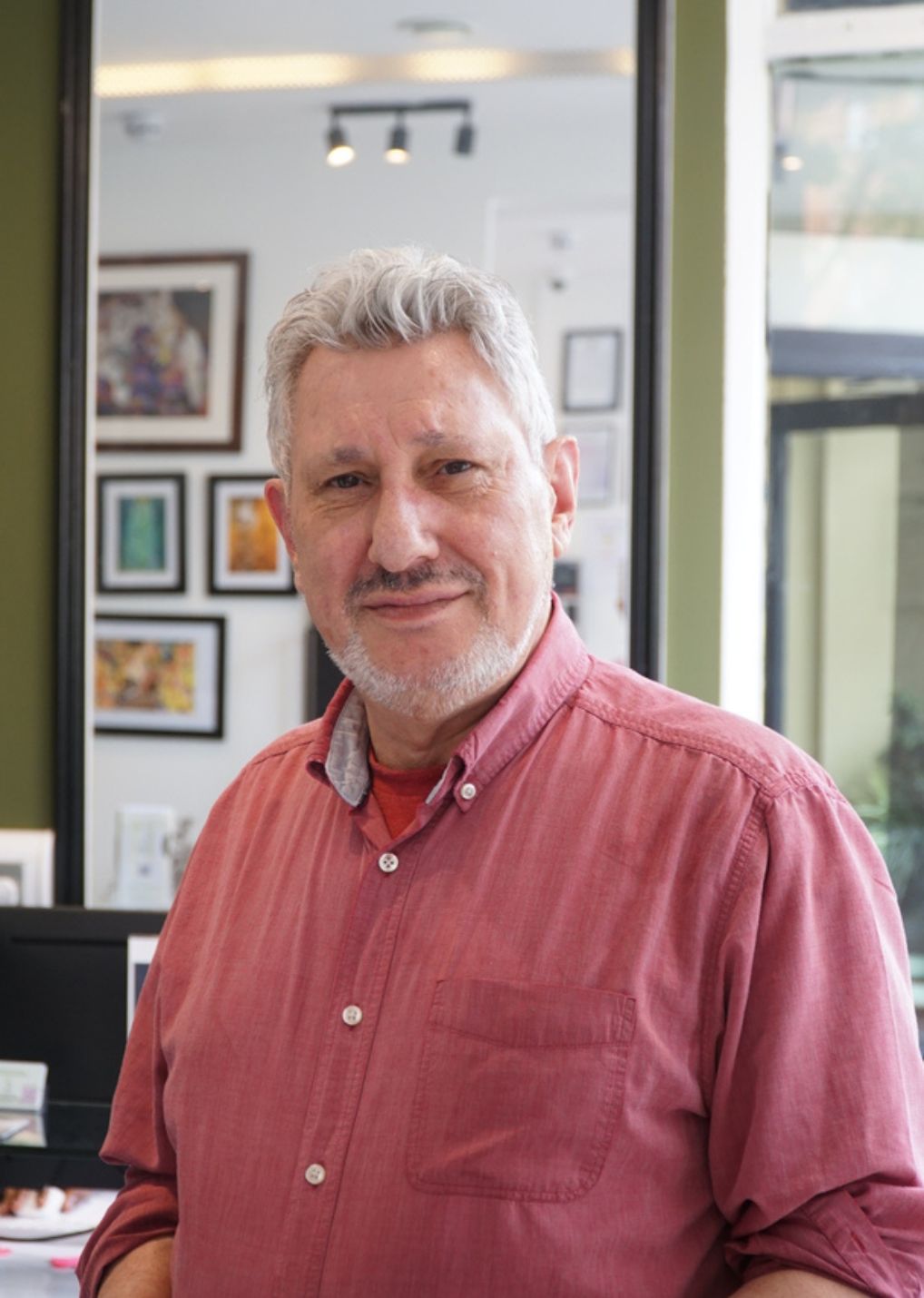
Meet your specialists
Fees
Session fees
- Deep tissue massage, 30 min: £65
- Deep tissue massage, 60 min: £90
- Home visit massage, West London: from £100
Call 020 4515 0000 for courses, packages and anything not listed here.
Safety and suitability
Deep tissue massage is adapted around injuries, pregnancy and medical conditions. It is avoided over recent injuries, varicose veins and areas of suspected DVT, and needs care with some blood-thinning medication, so tell your therapist about anything relevant first.
Reviews
Trusted by hundreds in West London
Questions
Before you book
Who should avoid deep tissue massage?
Can deep tissue massage help with neck and shoulder pain from desk work?
How often should I get a deep tissue massage?
How long does soreness last after a deep tissue massage?
Is deep tissue massage painful?
Chiswick, West London
8 to 9 Bedford Corner, The Avenue, Chiswick W4 1LZ
Two minutes from Turnham Green station on the District line.
Deep Tissue Massage near me: Omnia Lifestyle is a short walk from Turnham Green station and serves Chiswick, Hammersmith, Ealing, Acton, Brentford, Kew, Richmond and the wider West London area, with home visits available.


