


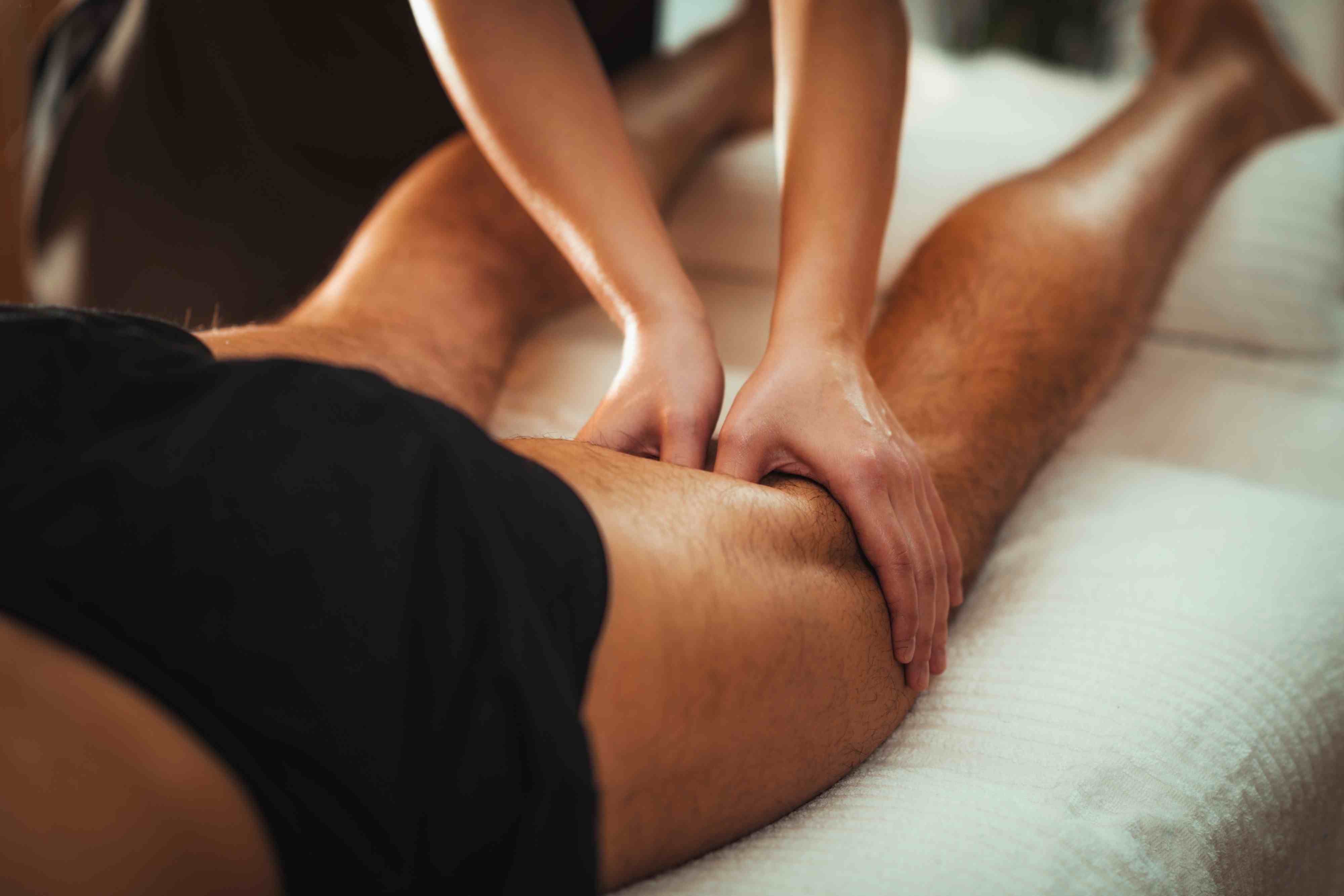
Sports Massage · Chiswick W4, West London
Sports Massage
Sports massage is firm, targeted soft tissue work combined with stretching to ease tight muscles, restore range and speed recovery from training. At Omnia Lifestyle in Chiswick, West London, therapists assess how you move first, for runners, cyclists, gym-goers and team sport players.
30 to 60 minSession length
Assessment-ledEvery session
Pre and post eventTraining support
4.9 ★Google rating


At Omnia Lifestyle
Sports massage in Chiswick, W4 and West London
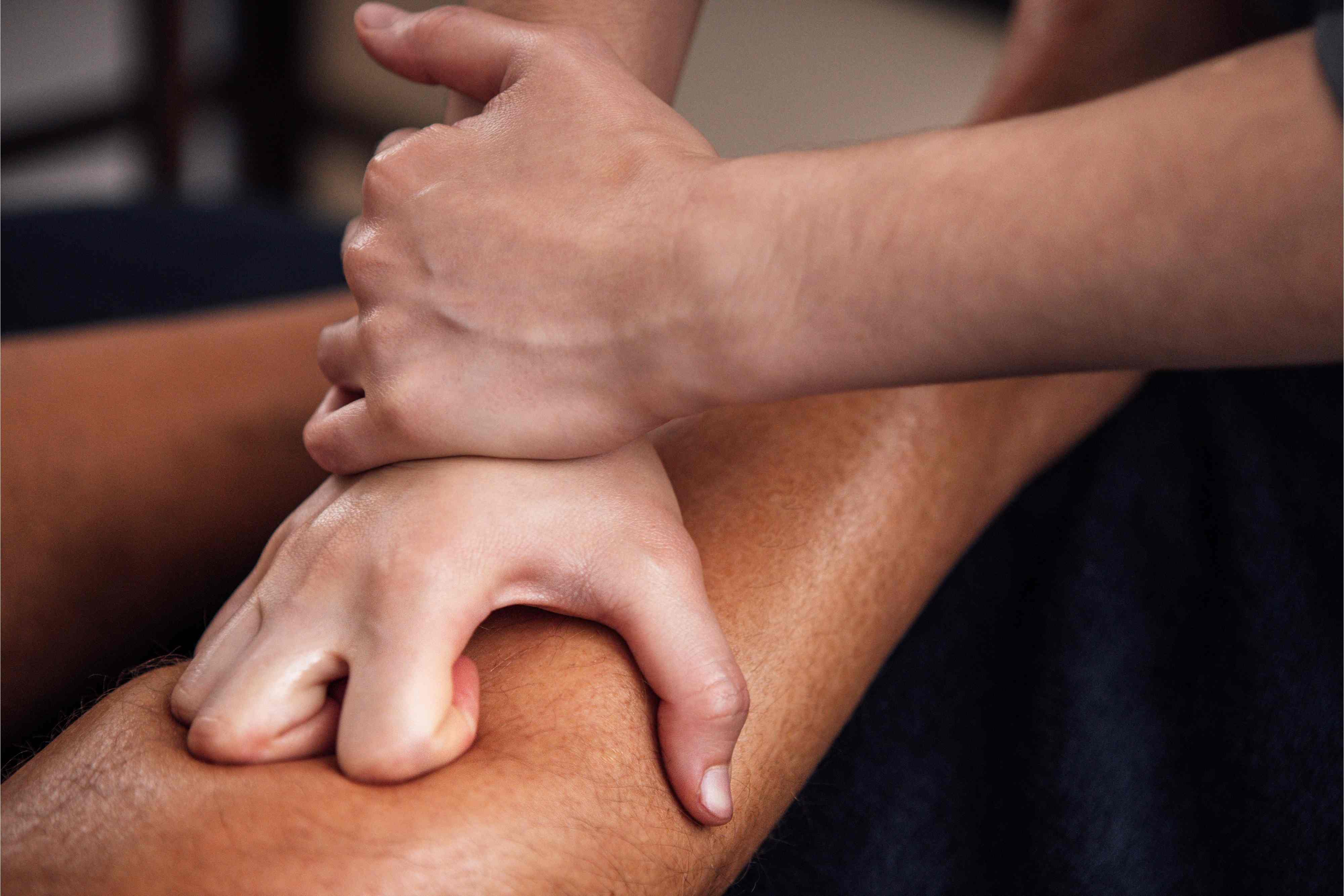
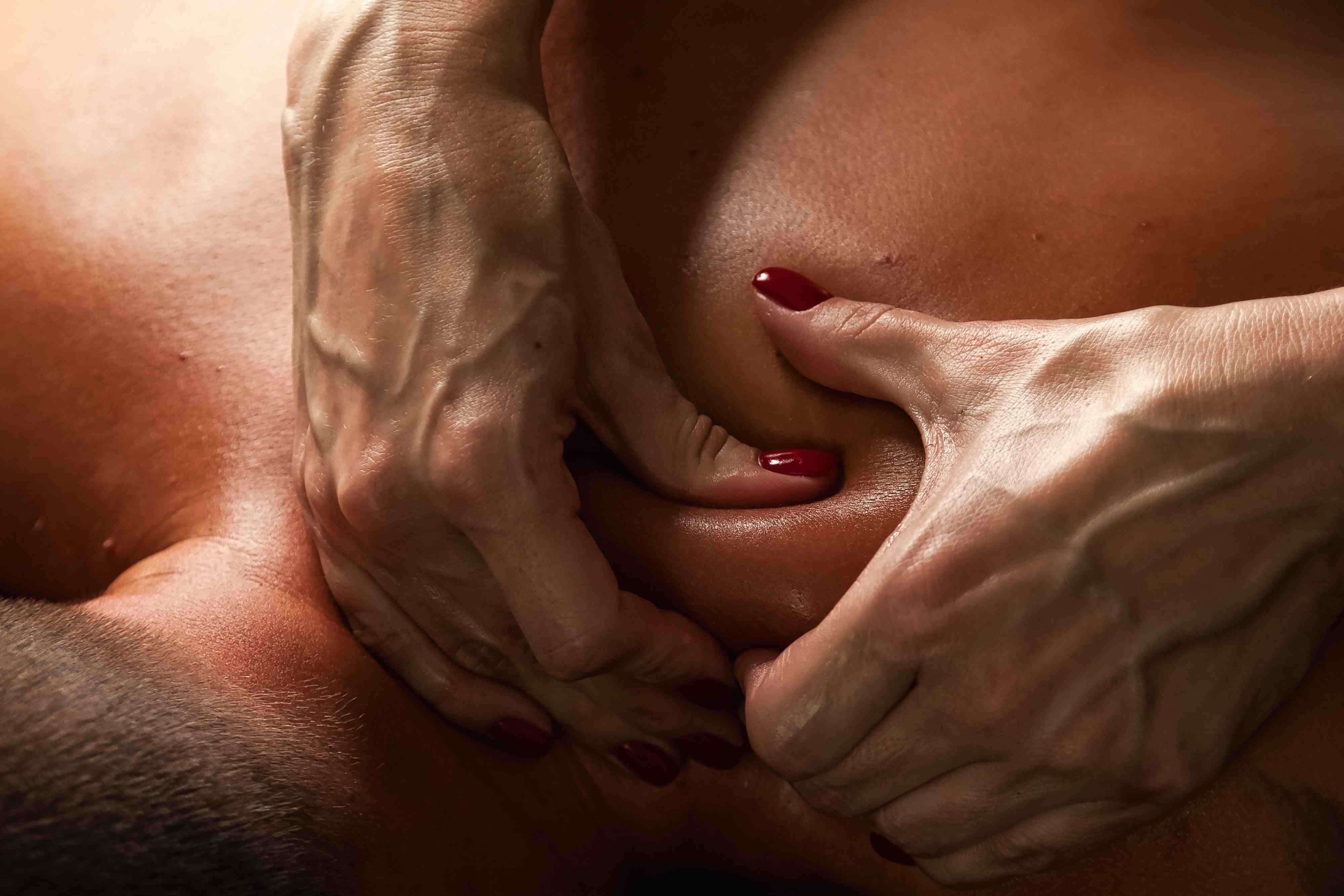
Sports massage in Chiswick, West London, is firm, targeted soft tissue work with stretching that eases tight muscles, restores range and helps you recover from training. At Omnia Lifestyle we work with runners, cyclists, footballers, rowers, climbers and gym-goers, and with anyone whose job or training loads the same muscles day after day. Your therapist checks how you move first, so the session goes where the problem is rather than following a routine.
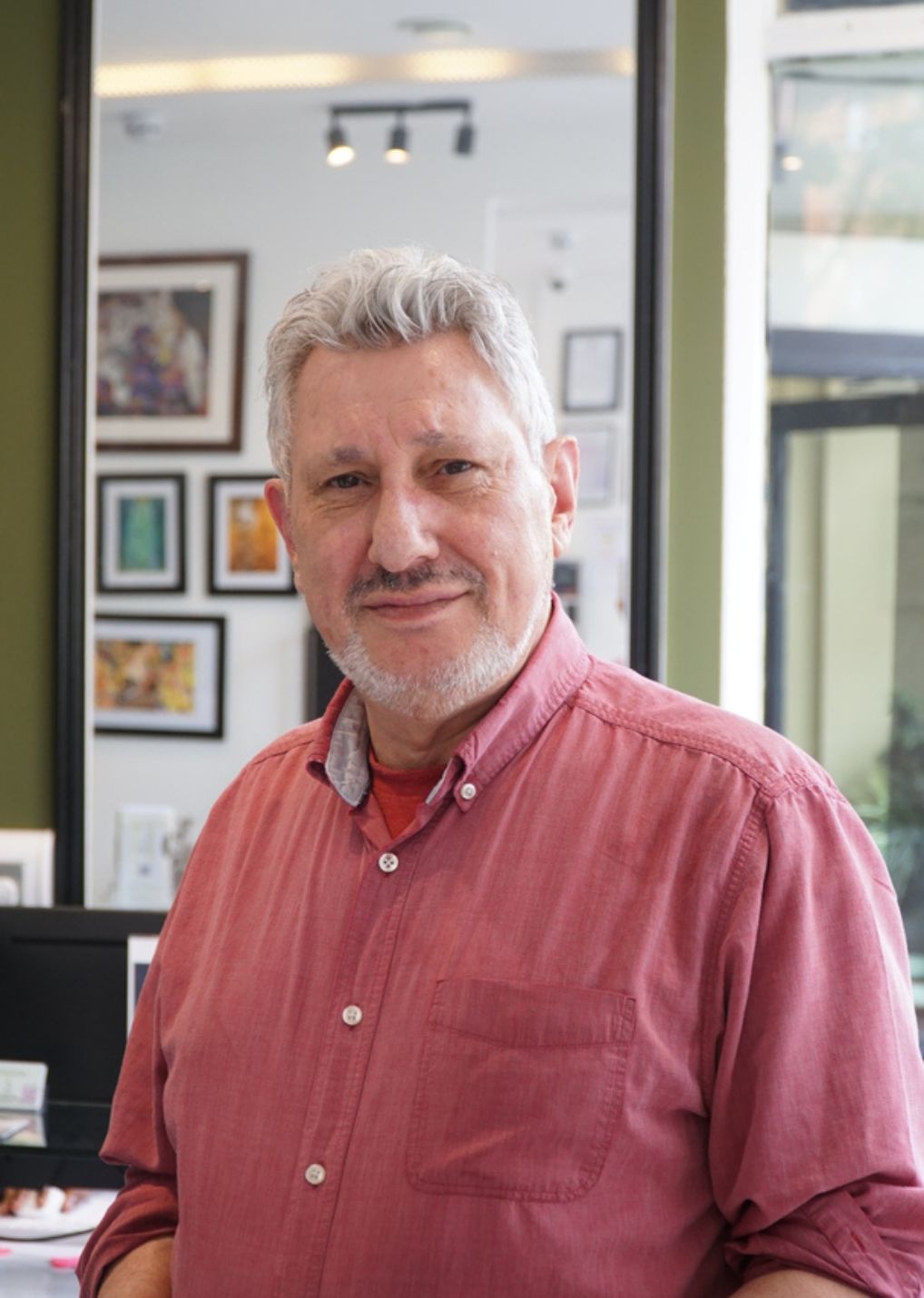
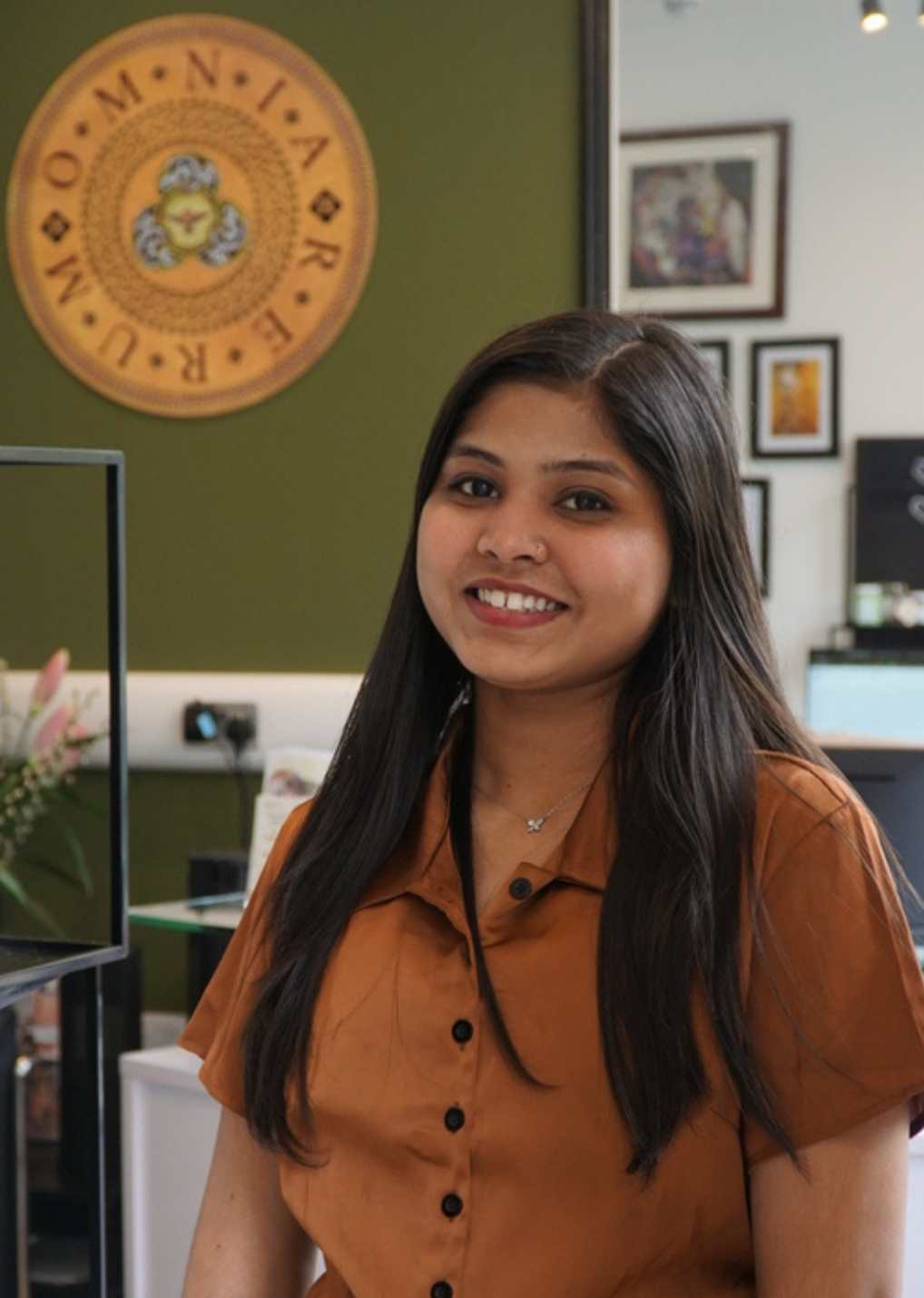
Sessions are with Patrick Chedmail, who leads our manual therapy team, or our physiotherapist Khushbu Tiwari. Prices start at £65 for 30 minutes, with 60-minute sessions for full lower or upper body work. Sports massage is one of our manual therapy treatments, and if you have a specific injury, physiotherapist-led MSK therapy is the better place to start. Book online when you are ready, and tell us about any events coming up.
Why Omnia Lifestyle
4.9 ★Google rating from verified patient reviews
5000+Patients supported through personalised, results-driven care
150+ yearsCombined clinical experience across a multidisciplinary team
RegisteredWith leading UK professional bodies, with internationally recognised specialists
Why people come
Why active people choose Omnia for sports massage
- Faster recovery between sessions. Eases the heaviness and soreness that build after hard training, so the next session feels better.
- Looser, more mobile muscles. Targeted work on hamstrings, calves, hips, back and shoulders restores range you have lost.
- Early warning on overloaded tissue. Your therapist spots tight, irritable areas before they start limiting your training.
- Assessment first. We check how you move and ask about your training before choosing where to work.
- Pre-event and post-event sessions. Lighter, quicker work before a race; recovery-focused work afterwards.
- Physiotherapy under the same roof. If something needs more than massage, a physiotherapist can assess it here.
The mechanism
How sports massage works
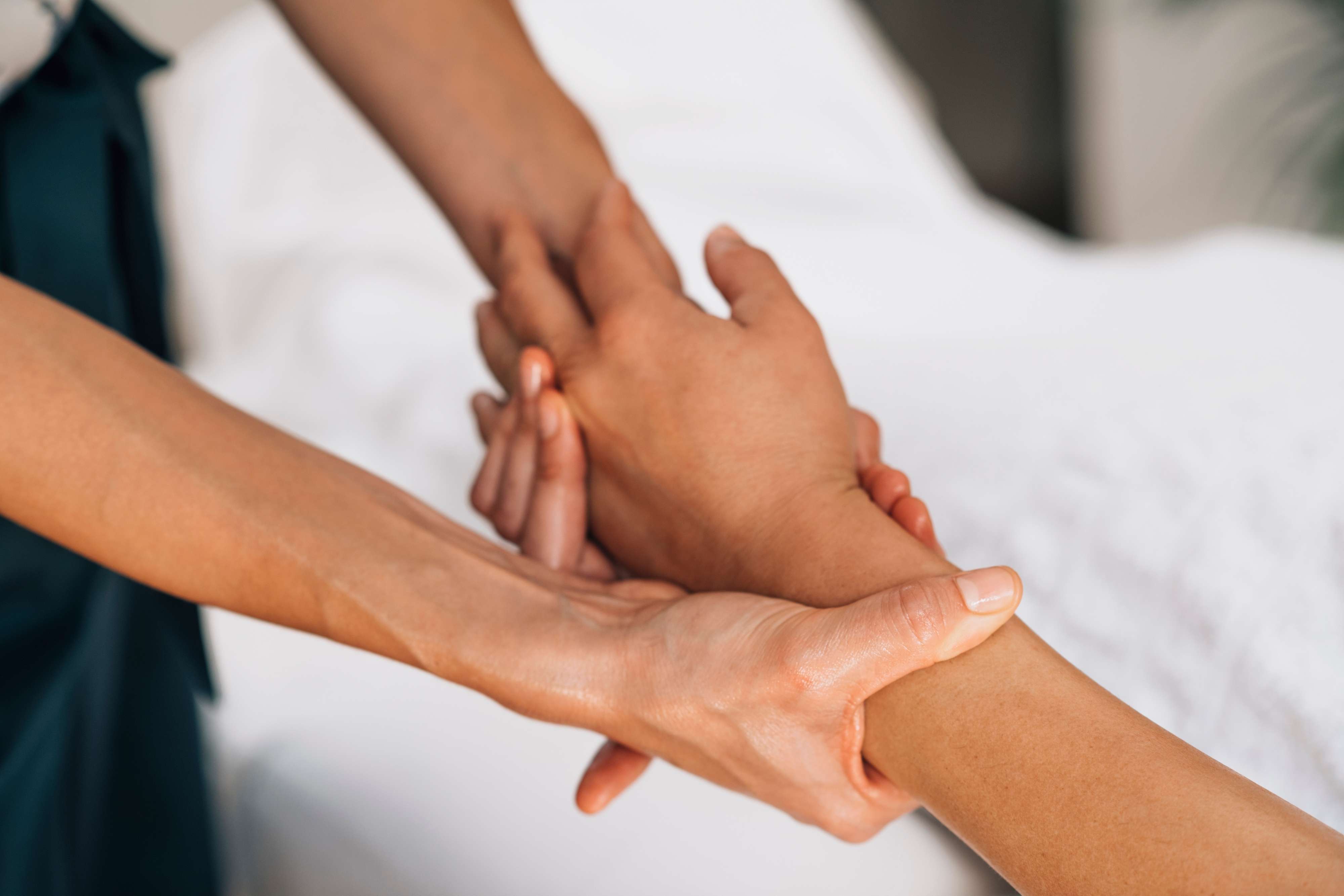
Sports massage uses firmer, more directed techniques than a relaxation massage. Your therapist works through the muscles and fascia that carry your training load with deep strokes, cross-fibre friction, trigger point pressure and myofascial release, then adds assisted stretching and active movement so you leave with range you can actually use.
Hands-on work reduces muscle guarding, increases local blood flow and changes how tight tissue feels, which is why many people move more freely straight away. The lasting benefit comes from timing: sessions placed around your training block, plus simple stretches or mobility work to keep between visits.
Who it helps
Is sports massage right for you?
- Runners and cyclists. Tight calves, hamstrings, quads, hip flexors and IT band tension from repetitive miles.
- Gym-goers and strength athletes. Stiff backs, shoulders and hips after heavy lifting or high training volume.
- Team sport players. Footballers, rugby and hockey players managing a weekly match and training load.
- Event preparation and recovery. Before and after marathons, triathlons, sportives and races.
- Active desk workers. People who train hard and then sit for eight hours, and feel both.
- Anyone returning to training. A sensible start alongside physiotherapy when you are coming back from a break or injury.
What to expect
What to expect at your first sports massage
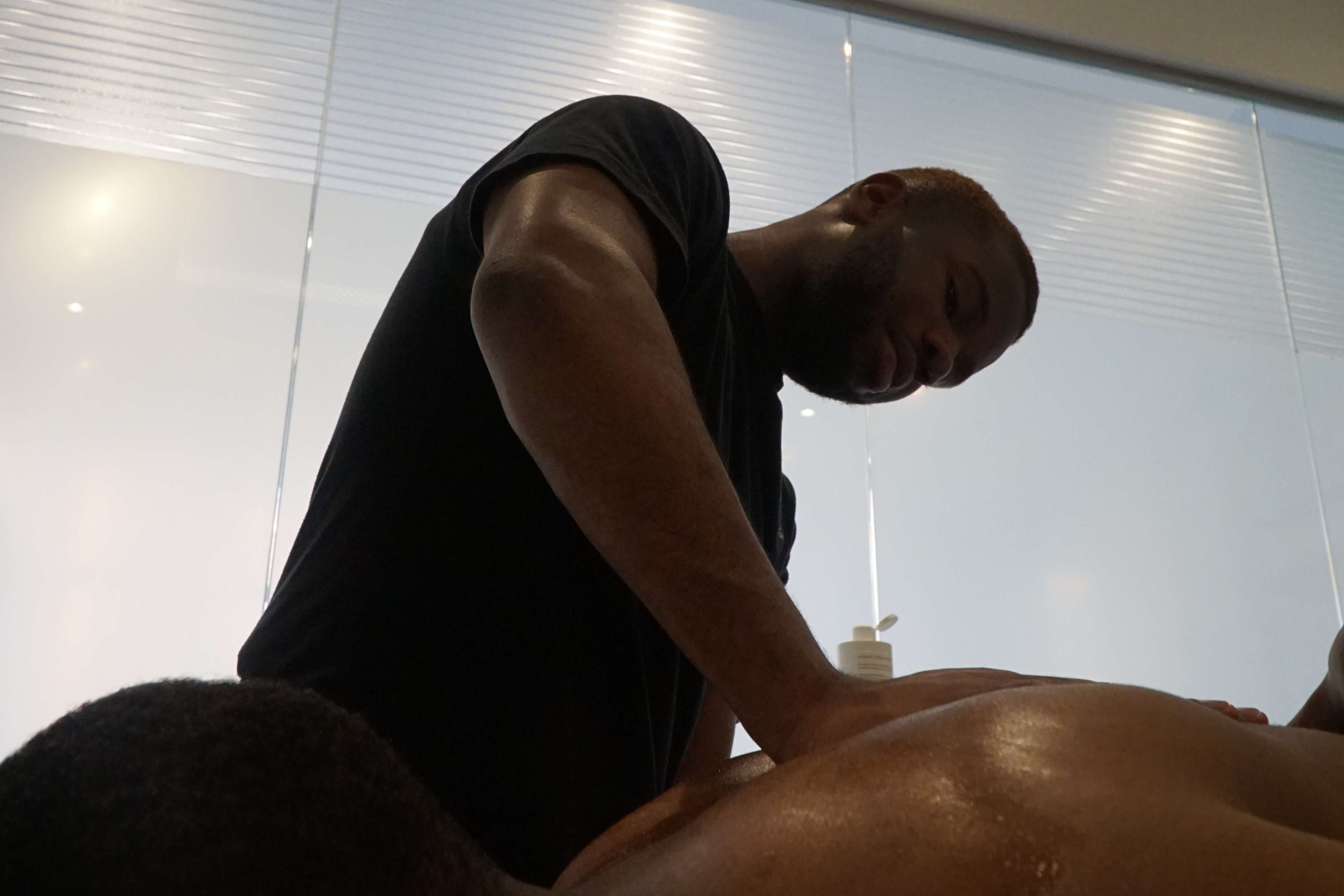
Your first session begins with a short conversation about your sport, your training week, any events coming up and where you feel tight or sore. Your therapist checks how you move, then works on the areas driving the problem, with pressure adjusted to you throughout. Wear or bring shorts and a sports top; you are covered with towels during treatment.
Sports massage is firm and can feel intense on very tight areas, but it should never be sharp or unbearable, so tell your therapist and they will adjust. It is normal to feel a little tender for a day or two. Avoid a hard session on the same day if you can, drink water and keep moving gently. You leave with simple stretches and a suggested rhythm of sessions to fit your training.
Step by step
Your Sports Massage visit, step by step
- Training chat. We ask about your sport, training load, upcoming events and where you feel tight or sore.
- Movement check. Your therapist looks at how you move to find the muscles driving the problem.
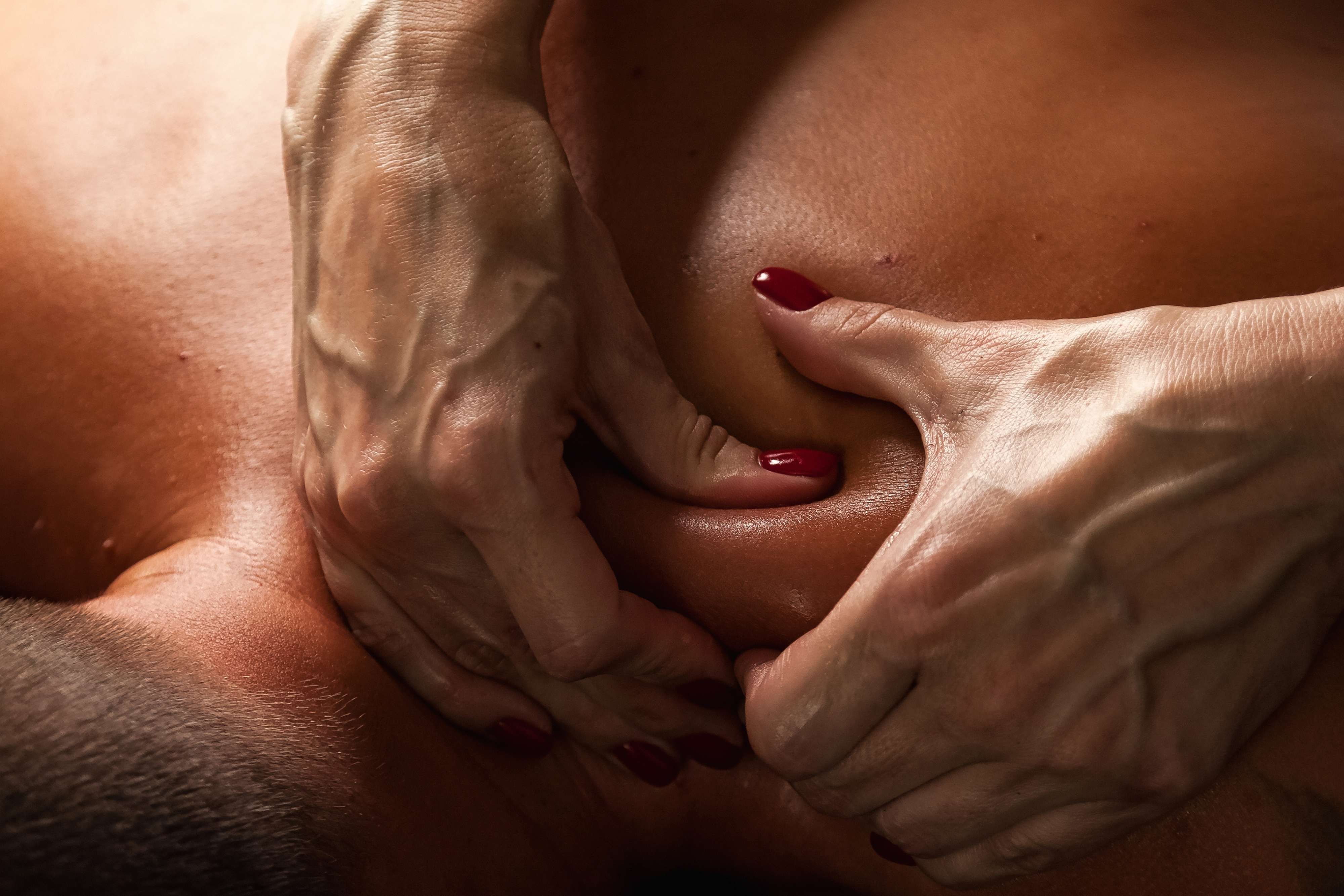
- Treatment. Deep strokes, trigger point and myofascial work with assisted stretching, pressure adjusted to you.
- Recovery plan. Simple stretches and a session rhythm that fits around your training.
Sports massage in Chiswick and West London
We see runners and active clients from Chiswick, Hammersmith, Acton, Ealing, Brentford, Kew and Gunnersbury, and you can compare options on massage in West London. Sports massage is £65 for 30 minutes or £90 for 60 minutes, and home visit massage is available across West London from £100. New to it? Read what a sports massage involves or compare deep tissue and sports massage.
Sports therapy and sports injuries in Chiswick
Most people searching for sports therapy in Chiswick or W4 need one of two things. If your muscles feel tight, heavy or slow to recover from training, sports massage is the right place to start. If you have a specific injury, such as a sprained ankle, a pulled hamstring, tendon pain or a knee that hurts on stairs, start with an assessment through MSK therapy or physiotherapy so you know what is wrong and how to load it safely.
Because sports massage and physiotherapy are under one roof, your therapist can refer you to one of our HCPC-registered physiotherapists if something needs more than massage, and our sports physiotherapy in London page explains how injury rehabilitation works. Read more about sports injuries and when to worry about a sprained ankle. Go to an urgent treatment centre or A&E if you heard a crack or snap when you were injured, cannot put weight on the injured limb, or it looks misshapen. For advice on a less urgent injury, call NHS 111 or see your GP.
Pre-event and post-event sports massage for runners and cyclists
Timing matters. A pre-event sports massage is lighter and quicker, designed to leave you loose rather than sore, so it is best not to try deep work for the first time in the days just before a race. Post-event work starts gently once the immediate fatigue has settled, then focuses on the muscles that did the most work. Regular maintenance sessions during a training block help catch tight or overloaded areas before they limit your running, riding or lifting.
Before your first visit, see what to wear to a sports massage and how often to get a massage. Runners often ask about IT band knee pain, and our guide explains the causes and when to get it assessed.
If you want slow, firm pressure for desk-related neck and shoulder tension rather than training recovery, deep tissue massage may suit you better. Our guide to types of massage compares the options.
Getting to our Chiswick clinic
Omnia Lifestyle is at 8 to 9 Bedford Corner, The Avenue, Chiswick W4 1LZ, close to Turnham Green station, on bus routes 94, E3 and 272. Limited parking is available on request when booking.
Who you will see
Meet your specialists
Fees
Session fees
- Sports massage, 30 min: £65
- Sports massage, 60 min: £90
- Home visit massage, West London: from £100
Call 020 4515 0000 for courses, packages and anything not listed here.
Safety and suitability
Sports massage is adapted around recent injuries, pregnancy and medical conditions. It is not performed over acute tears, fractures, open wounds or areas of suspected DVT, and anything that needs assessment is referred to our physiotherapists.
Reviews
Trusted by hundreds in West London
Omnia gift cards
Give an hour of care to someone you love
An Omnia Lifestyle gift card can be spent on this treatment or on any therapy, lifestyle or screening session at our Chiswick clinic. It arrives by email in about two minutes and stays valid for twelve months.
Who is it for?
01ChoosePick the amount and add their details at checkout.
02SendThe card is emailed, ready to forward or print.
03They bookAny session, whenever they are ready.
For a printed card or a different amount, call the clinic. Gift card terms
AcupuncturePhysiotherapyRed light therapyManual lymphatic drainageLPG EndermologieAyurvedaCompression therapySports massageYogaTai chi and qi gongInBody BWAStyku 3D scanBlood testingVeda Pulse
Questions
Before you book
Does sports massage hurt?
How often should I have a sports massage?
Should I have a sports massage before or after a race?
What is the difference between sports massage and deep tissue massage?
Can sports massage help with a sports injury?
Is sports massage only for athletes?
What should I wear to a sports massage?
Chiswick, West London
8 to 9 Bedford Corner, The Avenue, Chiswick W4 1LZ
Two minutes from Turnham Green station on the District line.
Sports Massage near me: Omnia Lifestyle is a short walk from Turnham Green station and serves Chiswick, Hammersmith, Ealing, Acton, Brentford, Kew, Richmond and the wider West London area, with home visits available.


