Close

Part of ourMental health and wellbeingcare

Poor Sleep & Insomnia: what it is and how we help

Insomnia is persistent difficulty falling or staying asleep, degrading energy, mood and long-term health. At Omnia Lifestyle in Chiswick we support it with acupuncture, restorative therapies and screening for underlying causes, combined after assessment.

Omnia Lifestyle, 8 to 9 Bedford Corner, The Avenue, Chiswick W4 1LZ. Two minutes from Turnham Green station. Call 020 4515 0000.
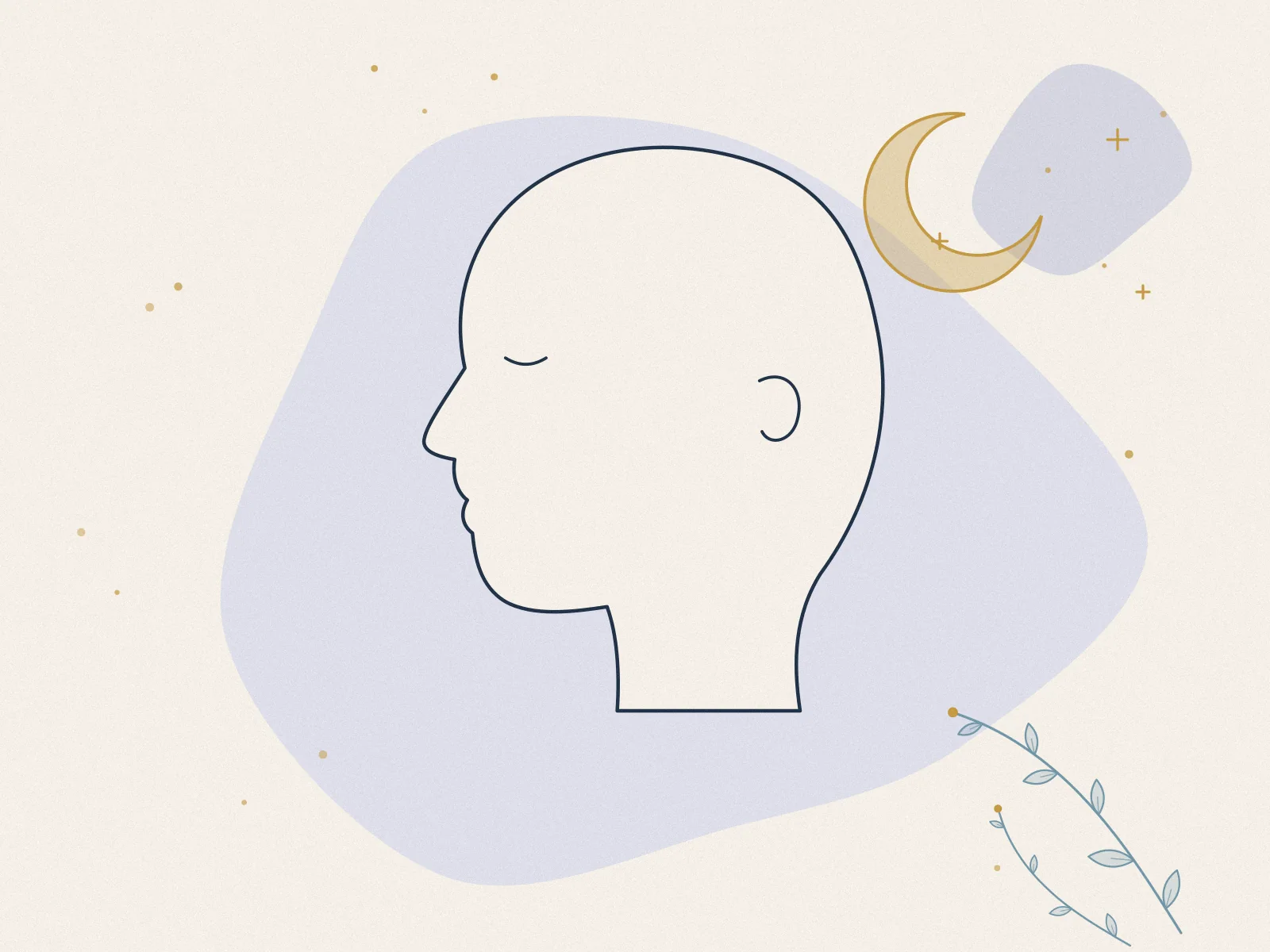
Illustration of poor sleep and insomnia, treated at Omnia Lifestyle clinic in Chiswick, West London

Poor sleep and insomnia at a glance

Insomnia means regularly finding it hard to fall asleep, stay asleep or wake refreshed, despite having the chance to sleep. Around a third of UK adults have sleep problems at some point. Short-term insomnia often follows stress; long-term insomnia is usually kept going by habits and worry about sleep itself, which is why behavioural approaches work so well.

Signs of insomnia

  • Taking more than 30 minutes to fall asleep
  • Waking in the night and struggling to get back to sleep
  • Waking too early
  • Daytime tiredness, irritability and poor concentration
  • Worrying about sleep in the evening

What causes poor sleep?

Stress and anxiety, irregular schedules, screens late at night, caffeine and alcohol, pain, menopause, shift work and some medications are common causes. Snoring with pauses in breathing can indicate sleep apnoea, which needs a doctor. For more, see why you cannot sleep and what to do tonight.

How is insomnia treated?

NICE recommends cognitive behavioural therapy for insomnia (CBT-I) as the first-line treatment for long-term insomnia, ahead of sleeping tablets. Sleep hygiene helps but is rarely enough on its own. For a fuller guide, see what insomnia is and how it is treated.

How we help with sleep in Chiswick

  • Clinical psychology: psychological support for the worry and stress that keep insomnia going.
  • Acupuncture: some trials suggest improved sleep quality; many patients find sessions deeply relaxing.
  • Ayurveda: evening routine guidance and Shirodhara, a traditional calming oil therapy. Read Shirodhara for better sleep.
  • VedaPulse: a stress and recovery check using heart rate variability.
  • Yoga: gentle evening practice and breathing techniques.

What does the evidence say?

CBT-I has the strongest evidence and lasting effects. Yoga, tai chi and acupuncture show benefit for sleep quality in some studies. Regular daytime exercise improves sleep for most people.

Why do I wake up at 3am?

Waking briefly in the night is normal; it becomes a problem when you cannot get back to sleep. Early waking is often linked to stress, anxiety or low mood, alcohol in the evening, needing the toilet, hot flushes in perimenopause, or going to bed too early. Watching the clock and worrying about sleep tends to keep you awake for longer.

What is CBT for insomnia?

Cognitive behavioural therapy for insomnia (CBT-I) is a structured programme, usually over four to eight weeks, that retrains your sleep pattern. It includes keeping a fixed wake time, only going to bed when sleepy, getting up if you cannot sleep, and changing unhelpful thoughts about sleep. It works for most people and the benefits last, which is why NICE recommends it first. Digital CBT-I is available through the NHS in some areas.

Are sleeping tablets a good idea?

Sleeping tablets can help for a few nights during a crisis, but they are not recommended long term, because they lose effect, can cause morning drowsiness and may lead to dependence. Over-the-counter sleep aids and supplements have limited evidence. Discuss any medication with your GP or pharmacist.

What to expect at Omnia

We start with a detailed look at your sleep pattern, routine, stress, health and caffeine and alcohol intake, and may ask you to keep a sleep diary for a week or two. Your plan may combine behavioural sleep techniques, psychological support, acupuncture, Ayurvedic evening routines and Shirodhara. We review your diary with you to see what is changing.

What you can do tonight

  • Keep the same wake-up time every day, including weekends
  • Only go to bed when sleepy; get up if awake for more than 20 minutes
  • Avoid caffeine after midday and screens in the last hour
  • Read our five habits for better sleep

If poor sleep leaves you drained, see our guide to why you may be tired all the time.

Omnia Lifestyle, Chiswick W4, two minutes from Turnham Green. Book online or call 020 4515 0000.

Read what the evidence says about red light and sleep.

Related Therapies & Services

Questions we are asked

Poor Sleep & Insomnia: your questions answered

What causes insomnia?

Common causes are stress and worry, poor sleep habits, an irregular routine, caffeine and alcohol, shift work, pain, menopause symptoms, depression and anxiety, and some medicines. Insomnia often continues because of the worry about not sleeping.

What is the best treatment for insomnia?

NICE recommends cognitive behavioural therapy for insomnia, known as CBT-I, as the first treatment. Good sleep habits help too: a regular wake time, a dark, cool room, limiting screens before bed and avoiding caffeine after midday.

Can acupuncture help insomnia?

Some studies suggest acupuncture may improve sleep quality for some people, but the evidence is limited. Many patients find it relaxing. We use it alongside sleep habit changes and relaxation practices rather than on its own.

How long does insomnia last?

Short-term insomnia often settles within a few weeks once the trigger passes. Insomnia lasting three months or more is considered long-term and responds best to CBT-I. Speak to your GP if poor sleep affects your daily life.

How does Omnia support better sleep in Chiswick?

We look at the whole picture, including stress, pain, hormones and routine, and may combine acupuncture, Ayurvedic guidance, yoga, tai chi and blood tests where relevant. Book online at our W4 clinic.

Thank you, we have your notes.

A member of our team will be in touch to arrange your call. If anything is urgent, please call 020 4515 0000.

An error has occurred somewhere and it is not possible to submit the form. Please try again later.

Book online

To book an appointment straight away you can use our book now button

Message us on WhatsApp