Close

Part of ourWomen's healthcare

Hormonal Weight Gain: what it is and how we help

Hormonal weight gain is weight change driven by shifts in hormones such as thyroid, insulin or oestrogen rather than lifestyle alone. At Omnia Lifestyle in Chiswick we support it with hormonal screening, acupuncture and nutrition coaching, combined after assessment.

Omnia Lifestyle, 8 to 9 Bedford Corner, The Avenue, Chiswick W4 1LZ. Two minutes from Turnham Green station. Call 020 4515 0000.

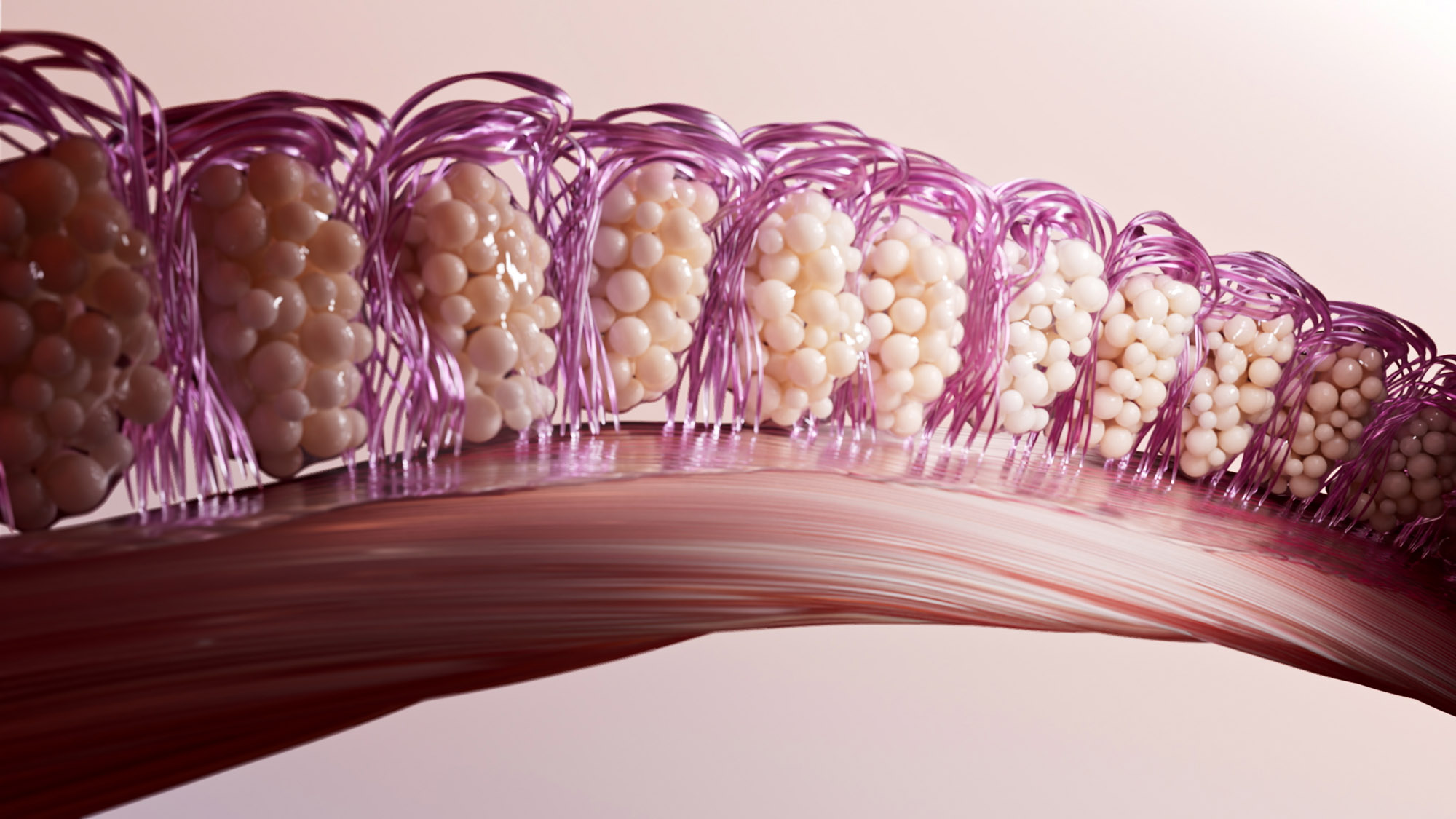
Hormonal Weight Gain illustration, Omnia Lifestyle Chiswick

Hormonal weight gain at a glance

Hormones influence where you store fat, how hungry you feel and how much muscle you keep. Hormonal weight gain is common around perimenopause and menopause, with PCOS, with an underactive thyroid, during periods of high stress and with poor sleep. The good news is that the same foundations, strength training, protein, sleep and stress management, help across all of these.

Signs your hormones may be involved

  • Weight gain around the middle despite no change in eating
  • Cravings, especially for sugar, and energy crashes
  • Irregular periods, hot flushes or new acne
  • Feeling cold, tired and sluggish
  • Poor sleep and high stress

Common hormonal causes

  • Menopause: falling oestrogen shifts fat to the abdomen and speeds muscle loss. See menopause symptoms.
  • PCOS and insulin resistance: higher insulin makes fat storage easier. See PCOS.
  • Underactive thyroid: slows metabolism. See thyroid disorders.
  • Chronic stress and short sleep: raise cortisol and appetite hormones.

How is it treated?

Your GP can test for thyroid problems, PCOS and diabetes, and discuss HRT for menopause. Alongside medical care, lifestyle change remains the most effective lever for weight.

How we help in Chiswick

Can hormones stop you losing weight?

Hormones can make weight loss slower and change where fat is stored, but they rarely stop it entirely. An untreated underactive thyroid, insulin resistance, the menopause and some medicines, such as steroids or certain antidepressants, all have an effect. Once any medical cause is treated, the same approach of strength, protein, sleep and consistent activity works, though progress may be slower.

Cortisol and stress-related weight gain

Long-term stress raises cortisol, which increases appetite, particularly for sugary and fatty foods, and encourages fat storage around the middle. Poor sleep has a similar effect. Cortisol tests are only useful when a doctor suspects a specific condition, so for most people the practical focus is on sleep, stress management and regular meals.

Which tests are useful?

Helpful blood tests include thyroid function, HbA1c for blood sugar, lipids and, where relevant, sex hormones. For women over 45 with perimenopausal symptoms, NICE advises diagnosis from symptoms rather than hormone blood tests, because levels fluctuate from day to day. Your GP or our practitioners can help decide what is worth testing.

What to expect at Omnia

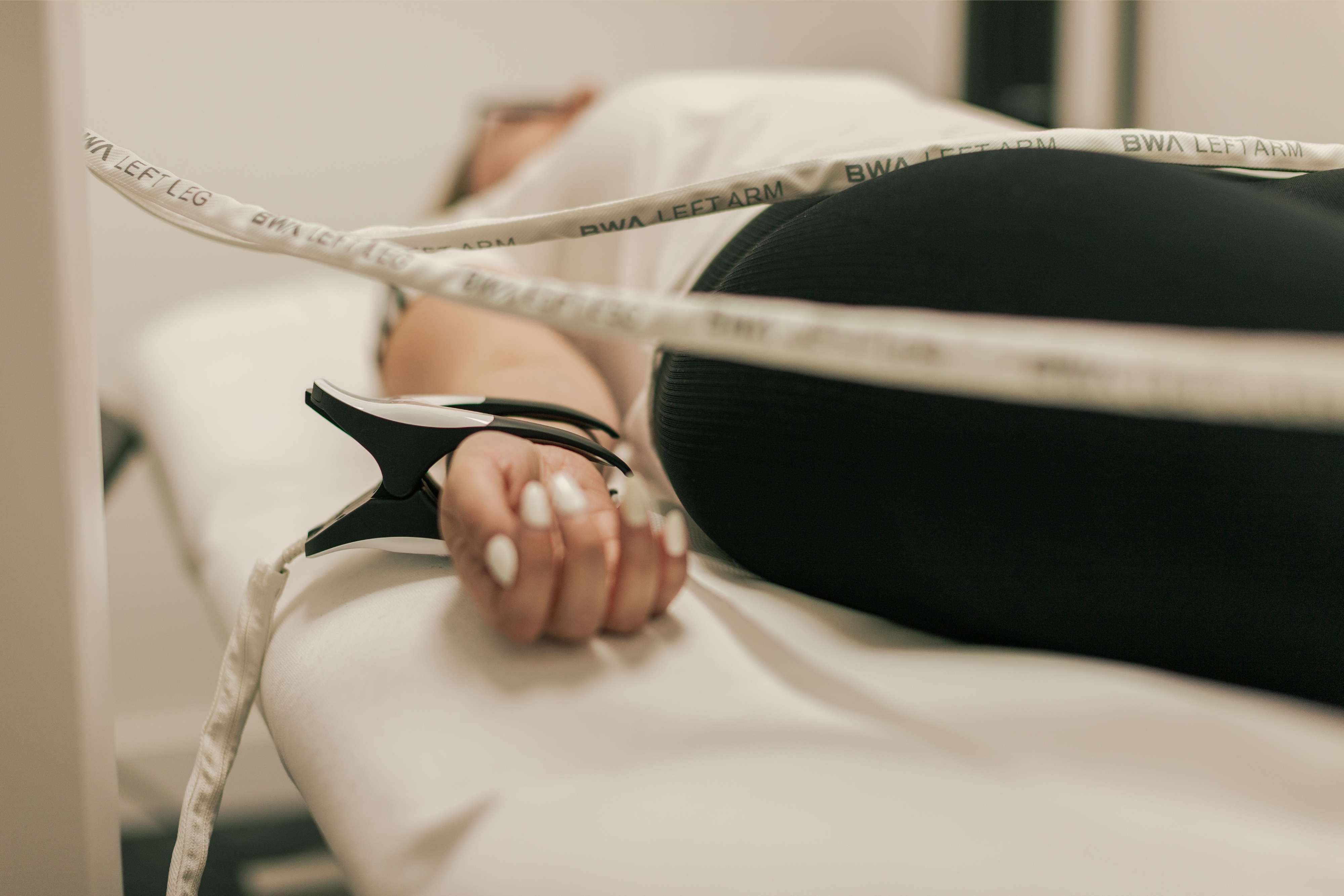
Your first appointment covers your weight history, cycle or menopause stage, sleep, stress, medication and goals, with an InBody scan and blood tests where useful. Your plan combines strength-focused training, eating patterns that steady blood sugar and support for sleep and stress, with repeat measurements every few weeks.

What you can do at home

  • Strength train two or three times a week
  • Aim for 25 to 30 grams of protein at each meal
  • Keep a regular bedtime
  • Reduce alcohol, which disrupts sleep and hormones

For what the research shows about HRT and weight, see our guide to whether HRT causes weight gain.

See our guide to when menopause starts and the first signs.

Blood tests that can help

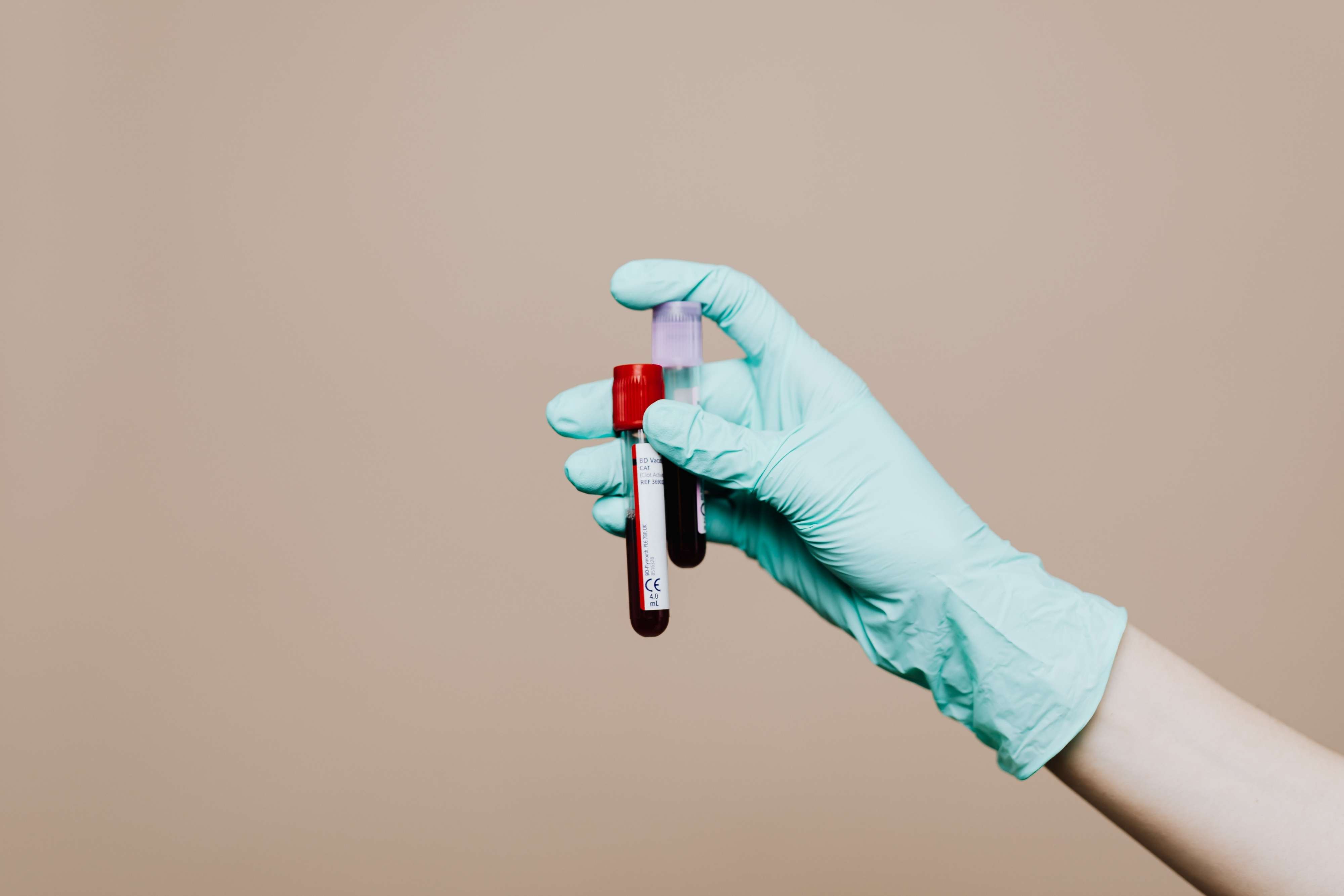
Blood tests can check thyroid, blood sugar and hormone causes of weight change. Our Hormone and Thyroid Panel (£99) covers thyroid and sex hormones together. See our guides to blood tests for PCOS and prediabetes blood tests. Blood tests are taken at our Chiswick clinic, with no GP referral, and you receive a clear results report, with a GP review available at an additional cost if you would like one. See every blood test and price.

Visit our weight management hub. Omnia Lifestyle, Chiswick W4. Book online or call 020 4515 0000.

Related Therapies & Services

Questions we are asked

Hormonal Weight Gain: your questions answered

Can a hormonal imbalance cause weight gain?

Yes. An underactive thyroid, PCOS, the perimenopause and menopause, high cortisol from long-term stress and insulin resistance can all make weight gain more likely, particularly around the middle. Blood tests help identify which is involved.

Does HRT make you gain weight?

Research does not show that HRT itself causes weight gain. Weight often changes around the menopause because of ageing, hormone changes and loss of muscle. Speak to your GP about HRT questions.

Why do I gain weight around my middle in menopause?

Falling oestrogen shifts fat storage towards the abdomen, and muscle mass naturally declines. Strength training, protein at each meal, good sleep and managing stress help counter these changes.

Which tests check for hormonal weight gain?

Thyroid function, HbA1c or fasting glucose, and sex hormones where relevant, are useful starting points. Omnia offers Randox hormone panels and InBody body composition scans to show where changes are happening.

How does Omnia help with hormonal weight gain in Chiswick?

We combine blood testing, body composition tracking, one-to-one fitness and nutrition coaching, Ayurvedic guidance and supportive therapies, and work alongside your GP. Book online at our W4 clinic.

Thank you, we have your notes.

A member of our team will be in touch to arrange your call. If anything is urgent, please call 020 4515 0000.

An error has occurred somewhere and it is not possible to submit the form. Please try again later.

Book online

To book an appointment straight away you can use our book now button

Message us on WhatsApp