Close

Part of ourWomen's healthcare

PCOS (Polycystic Ovary Syndrome): what it is and how we help

PCOS is a hormonal condition affecting how the ovaries work, linked to irregular cycles, weight change and fertility challenges. At Omnia Lifestyle in Chiswick we support it with acupuncture, nutrition coaching and hormonal screening, combined after assessment and alongside your medical care.

Omnia Lifestyle, 8 to 9 Bedford Corner, The Avenue, Chiswick W4 1LZ. Two minutes from Turnham Green station. Call 020 4515 0000.
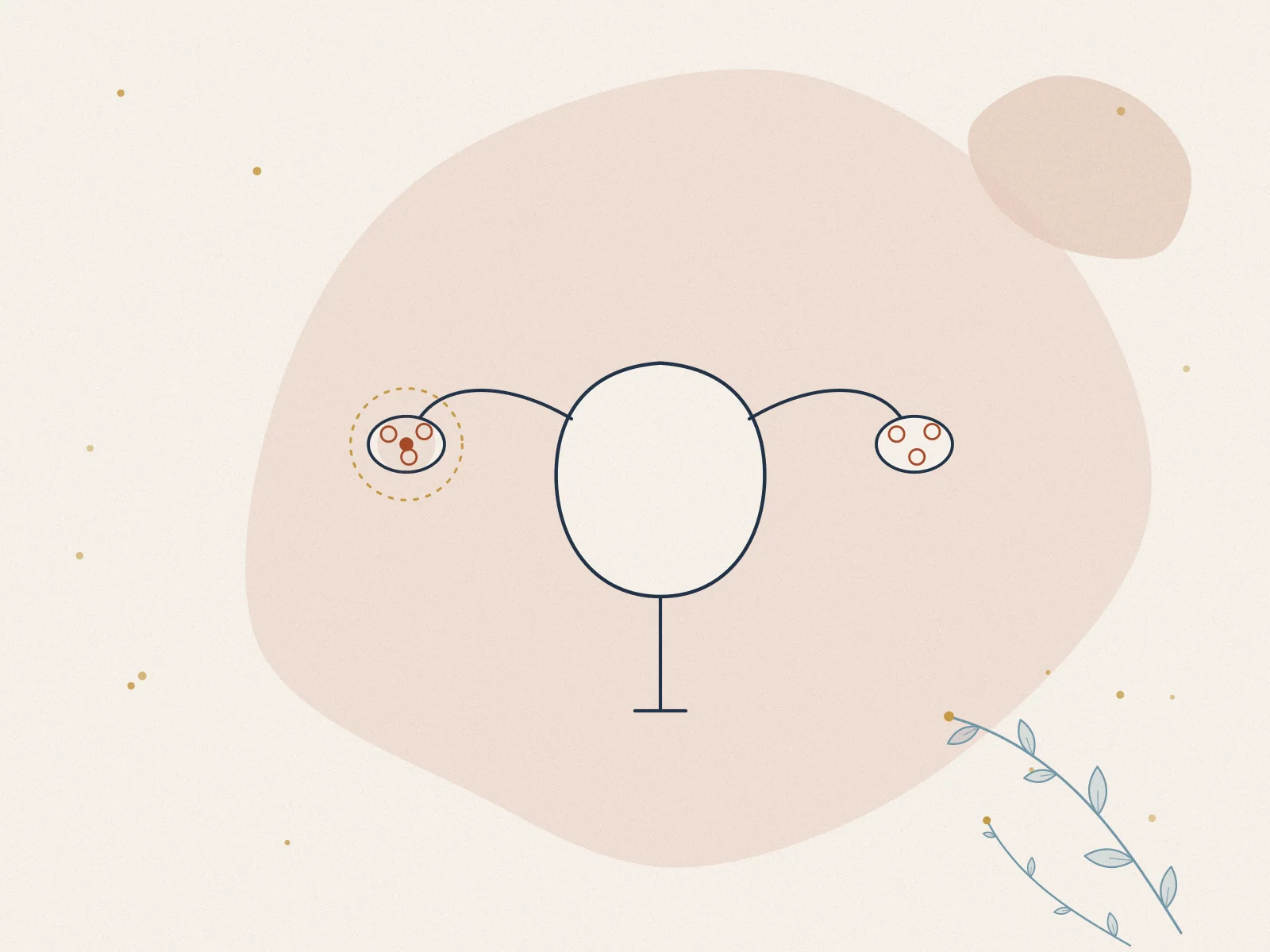
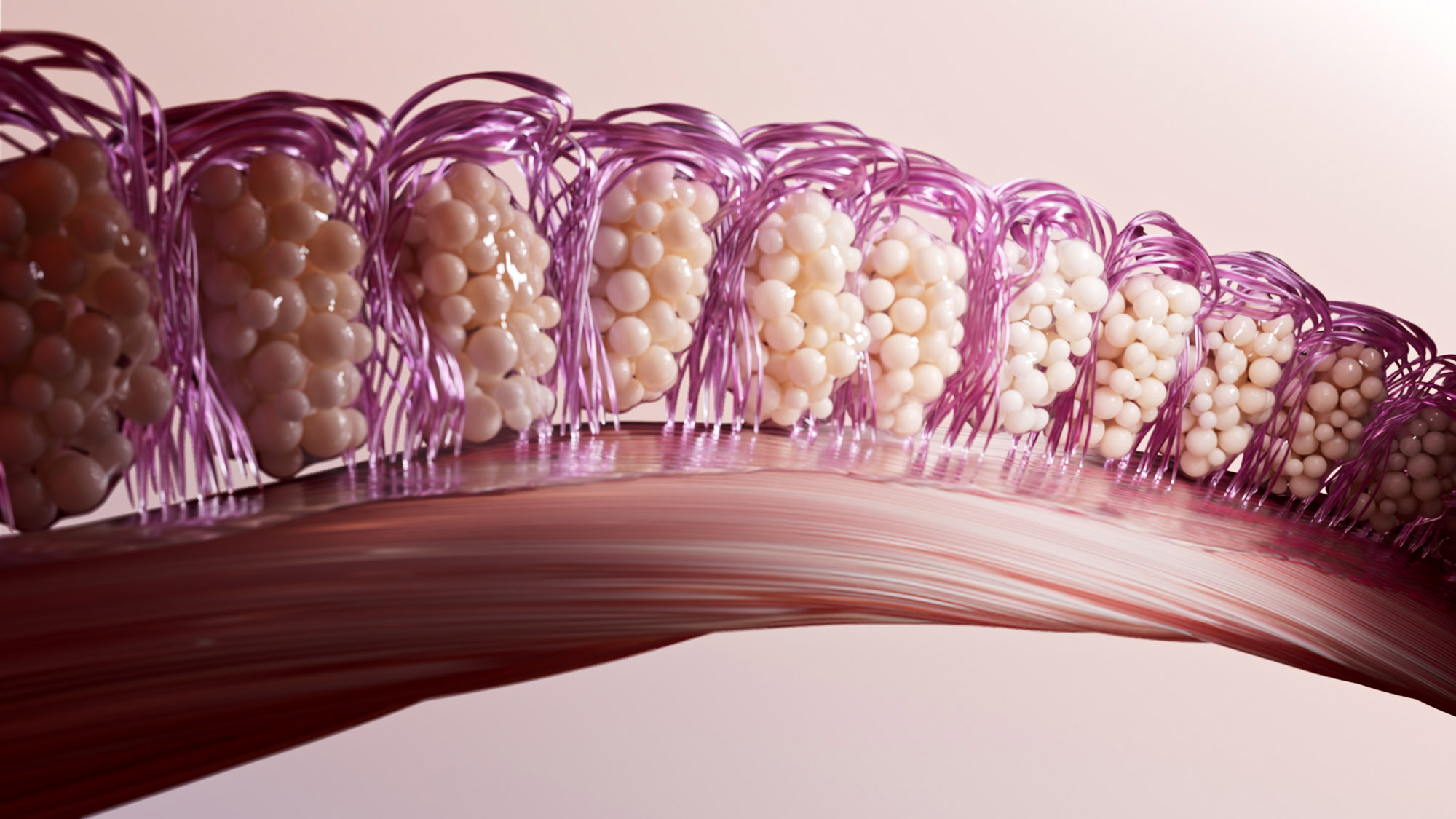
Illustration of PCOS (polycystic ovary syndrome), treated at Omnia Lifestyle clinic in Chiswick, West London

PCOS at a glance

Polycystic ovary syndrome (PCOS) is a common hormonal condition affecting around one in ten women in the UK. It can cause irregular periods, excess hair growth, acne, weight gain and difficulty getting pregnant. The name is misleading: you do not need cysts to have PCOS. Lifestyle changes, especially around weight, blood sugar and activity, are the foundation of managing it.

Symptoms of PCOS

  • Irregular, infrequent or absent periods
  • Excess hair on the face, chest or back, and thinning hair on the head
  • Oily skin and acne
  • Weight gain, especially around the waist, and difficulty losing weight
  • Difficulty getting pregnant because ovulation is irregular
  • Fatigue and low mood

What causes PCOS?

PCOS involves higher levels of androgens (male-type hormones) and, in many people, insulin resistance, where the body needs more insulin to control blood sugar. It runs in families. Insulin resistance also raises the long-term risk of type 2 diabetes, which is why blood sugar monitoring matters.

How is PCOS diagnosed and treated?

A GP diagnoses PCOS using symptoms, blood tests and sometimes an ultrasound. Treatment may include the contraceptive pill to regulate periods, medication for hair growth or blood sugar, and fertility treatment if you are trying to conceive. For people with a higher body weight, losing five to ten percent can restore regular periods.

How we support PCOS in Chiswick

  • Fitness and nutrition: a structured programme focused on blood sugar, strength training and sustainable weight change.
  • InBody scan: tracks fat and muscle, not just weight, so progress is visible.
  • Blood tests: hormones, HbA1c, lipids, vitamin D and thyroid.
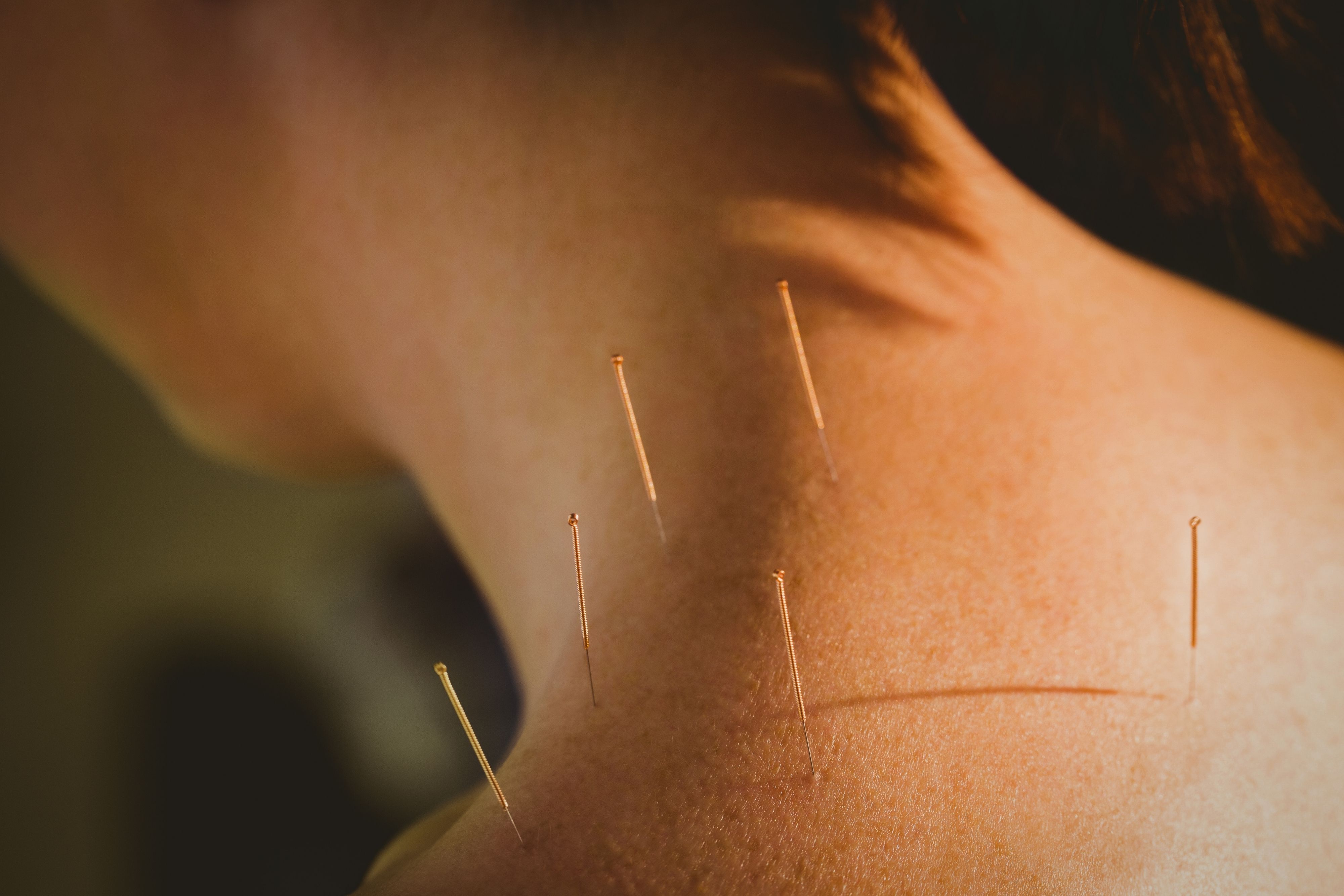
  • Acupuncture: some small studies suggest it may help regulate cycles; evidence is limited.
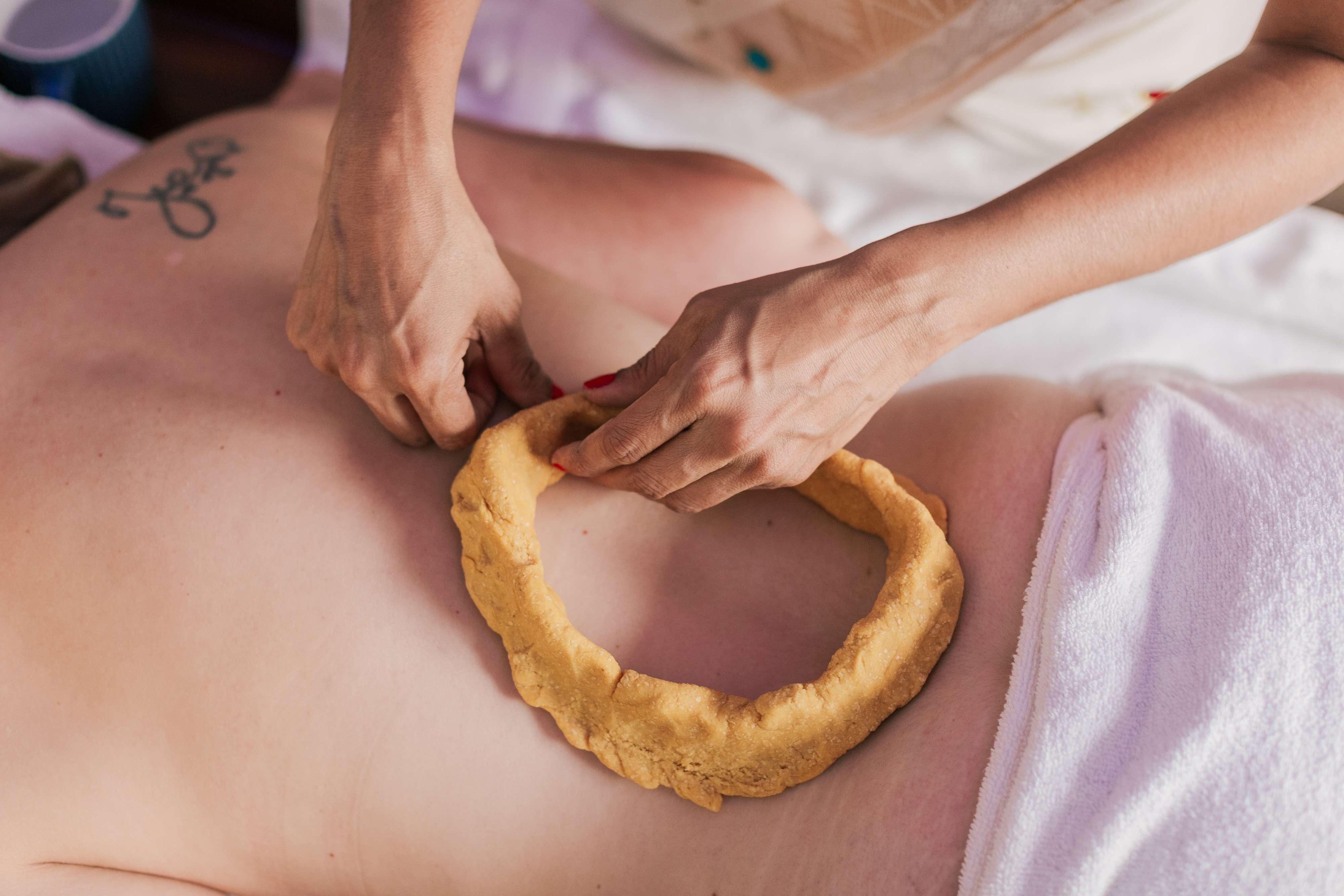
  • Ayurveda and yoga: diet, routine and stress support.

What does the evidence say?

Lifestyle change is the first-line treatment in international PCOS guidelines. Resistance and aerobic exercise improve insulin sensitivity even without weight loss. Evidence for acupuncture in PCOS is mixed.

What should I eat with PCOS?

There is no single PCOS diet, but eating patterns that steady blood sugar help most people. Build meals around protein, vegetables and high-fibre carbohydrates such as oats, beans, lentils and wholegrains, and include healthy fats. Reduce sugary drinks, sweets and refined white bread and pasta. Regular meals help avoid the energy crashes and cravings many people with PCOS describe. You do not need to cut out whole food groups, and very restrictive diets are hard to keep and can backfire.

Is PCOS curable?

PCOS cannot be cured, but symptoms can be managed very well, and many people find symptoms ease with age or after weight loss. Managing it also lowers long-term risks such as type 2 diabetes, high cholesterol and problems with the womb lining linked to infrequent periods, which is why regular check-ups matter.

PCOS and mental health

Anxiety, low mood and poor body image are more common in PCOS, partly because of symptoms such as weight change, acne and hair growth. These feelings are valid and worth raising with your GP. Our clinical psychology service can help alongside physical care.

What to expect at Omnia

Your first appointment covers your cycle, symptoms, goals and any tests you have already had. We take an InBody scan and, if needed, a hormone and metabolic blood panel. You then receive a plan combining nutrition, strength training and support for sleep and stress, with optional acupuncture or Ayurveda, reviewed every four to six weeks. If you are trying to conceive, we coordinate with your GP or fertility clinic.

What you can do at home

  • Build meals around protein, vegetables and wholegrains to steady blood sugar
  • Do strength training two or three times a week
  • Prioritise seven to nine hours of sleep
  • Track your cycle to share patterns with your GP

See our guides to how to lose weight with PCOS and whether you can get pregnant with PCOS.

See also our guide to how to reverse insulin resistance.

Visit our women's health hub. Omnia Lifestyle, Chiswick W4, two minutes from Turnham Green. Book online or call 020 4515 0000.

Related Therapies & Services

Questions we are asked

PCOS (Polycystic Ovary Syndrome): your questions answered

What is PCOS?

Polycystic ovary syndrome is a common hormonal condition affecting how the ovaries work. Its main features are irregular periods, higher levels of androgen hormones causing excess hair or acne, and polycystic ovaries on a scan.

What causes PCOS?

The exact cause is unknown, but it runs in families and is linked to insulin resistance and higher levels of insulin, which increase androgen production. Weight gain can make symptoms worse, though PCOS also affects slim women.

Can you get pregnant with PCOS?

Yes. Many women with PCOS get pregnant, sometimes with treatment to help ovulation. Losing even a small amount of weight, if you are overweight, can make periods more regular. Speak to your GP if you are trying to conceive.

How can I manage PCOS weight?

Regular exercise, especially strength training, a balanced diet that steadies blood sugar, good sleep and stress management help insulin resistance and weight. Your GP may also discuss medicines.

How does Omnia support PCOS in Chiswick?

We offer hormone and metabolic blood tests, InBody tracking, fitness and nutrition coaching, acupuncture and Ayurvedic guidance, working alongside your GP or gynaecologist. Book online in W4.

Thank you, we have your notes.

A member of our team will be in touch to arrange your call. If anything is urgent, please call 020 4515 0000.

An error has occurred somewhere and it is not possible to submit the form. Please try again later.

Book online

To book an appointment straight away you can use our book now button

Message us on WhatsApp