Close

Part of ourMusculoskeletal (MSK) conditionscare

Headaches & Migraines: what it is and how we help

Headaches and migraines range from tension-type pressure to severe episodic attacks with light sensitivity and nausea. At Omnia Lifestyle in Chiswick we treat them with acupuncture, manual therapy and stress-regulation therapies, combined after assessment.

Omnia Lifestyle, 8 to 9 Bedford Corner, The Avenue, Chiswick W4 1LZ. Two minutes from Turnham Green station. Call 020 4515 0000.
Illustration of headaches & migraines, treated at Omnia Lifestyle clinic in Chiswick, West London

Headaches at a glance

Most headaches are primary headaches, meaning the headache itself is the problem rather than a sign of something else. The two most common types are tension-type headache, a pressing band-like pain on both sides, and migraine. Many people have both, and neck and shoulder tension often feeds into each.

Types of headache and their symptoms

  • Tension-type headache: dull, tight pressure across the forehead, temples or back of the head, without nausea.
  • Migraine: throbbing, often one-sided pain with nausea and light sensitivity.
  • Cervicogenic headache: pain starting in the neck and spreading to the head, worse with certain neck positions.
  • Medication overuse headache: daily headache in people taking painkillers on many days of the month.

What causes headaches?

Stress, poor sleep, long hours at a screen, dehydration, skipped meals, jaw clenching and neck muscle tension are the most common drivers. Hormonal changes are a major factor for migraine. For the full list of triggers and warning signs, see what causes headaches.

How are headaches treated?

Treatment depends on the type. Your GP can help with medication and rule out other causes. Reducing triggers and treating the neck, jaw and posture often reduces how often headaches happen. For practical help, see how to relieve a tension headache and how long headaches last.

How we help with headaches in Chiswick

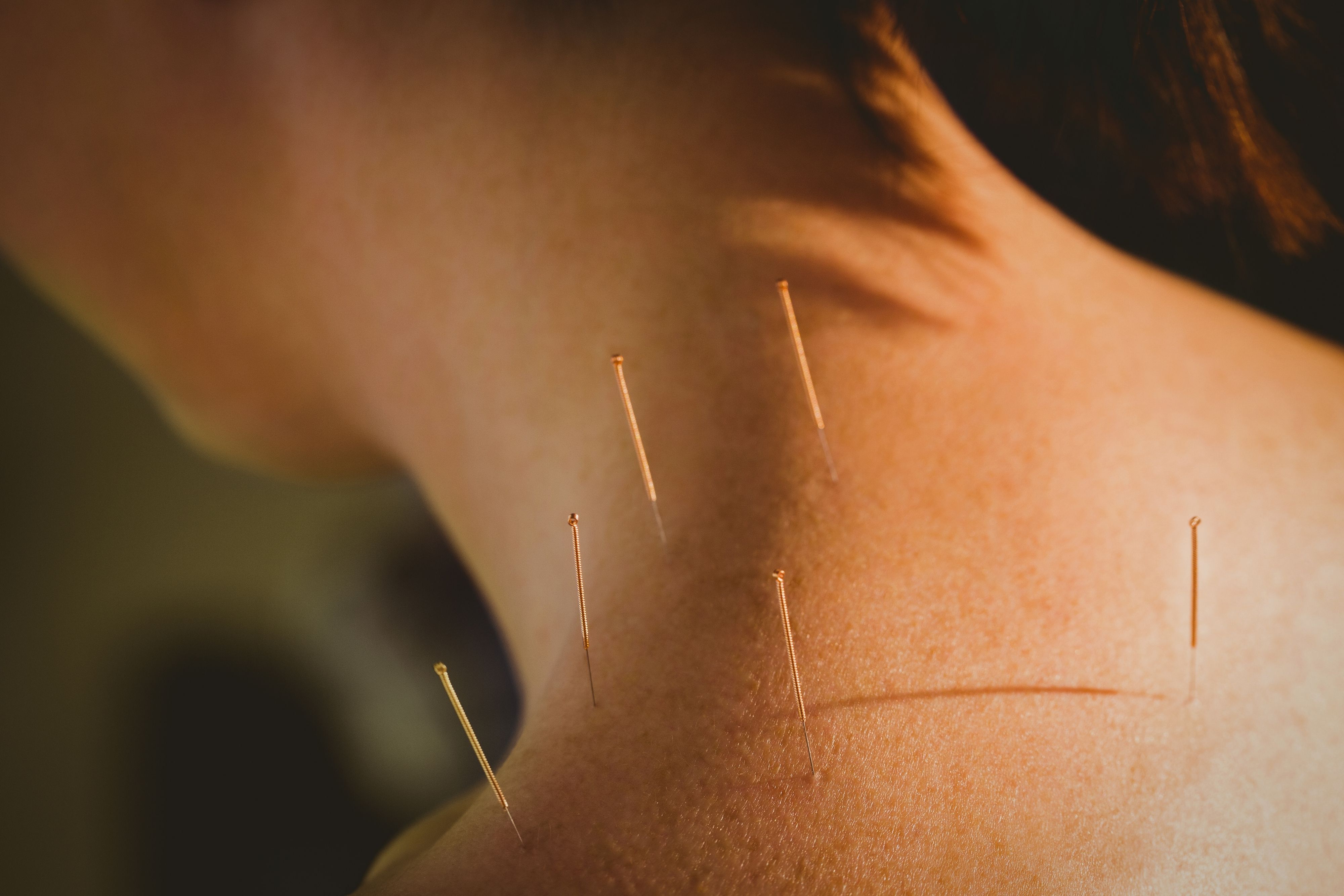
  • Acupuncture: NICE guidance says a course of up to ten sessions can be considered to prevent chronic tension-type headache and migraine.
  • Physiotherapy: assessment and exercise for neck-related headaches.
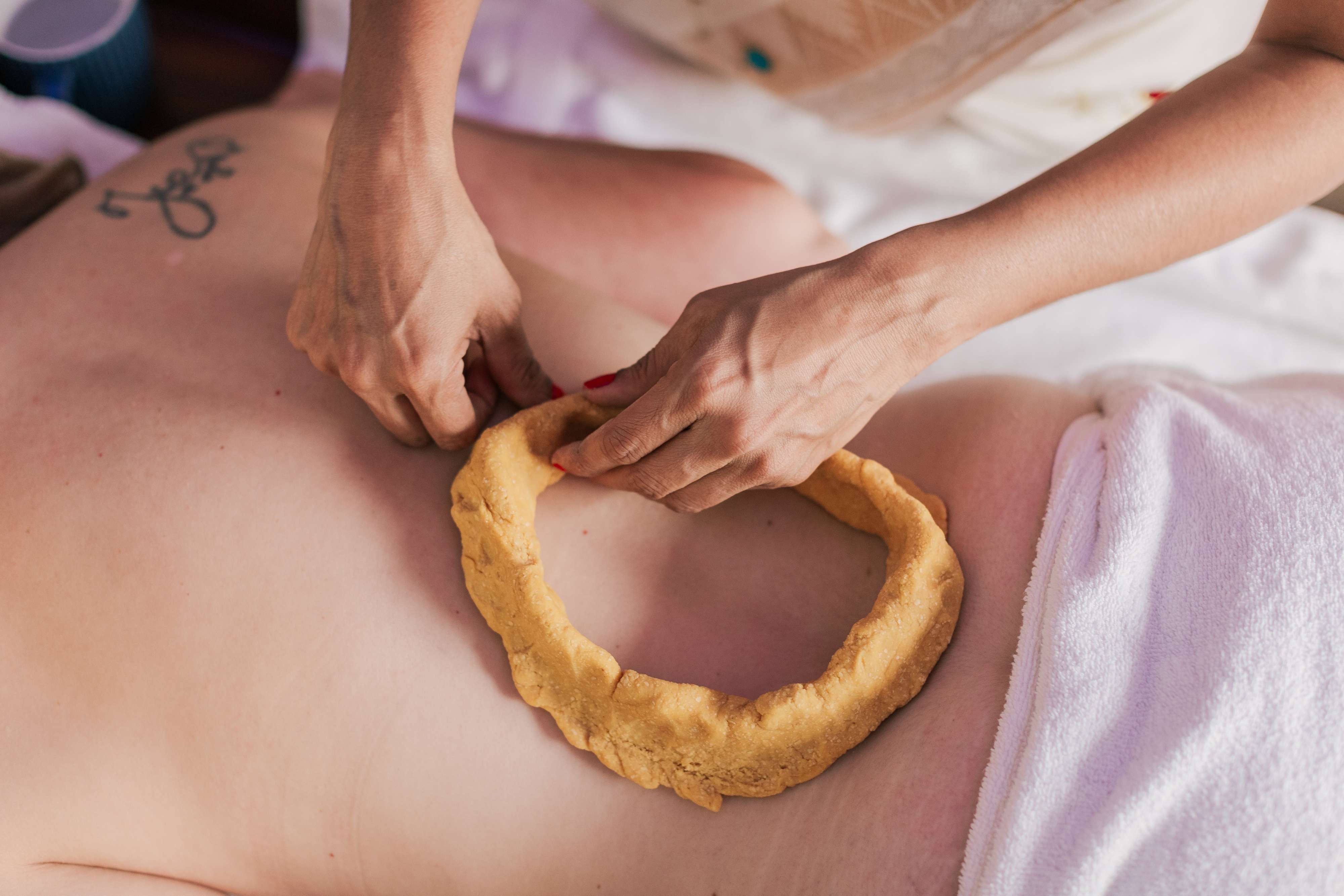
  • Manual therapy: release of neck, shoulder and jaw muscle tension.
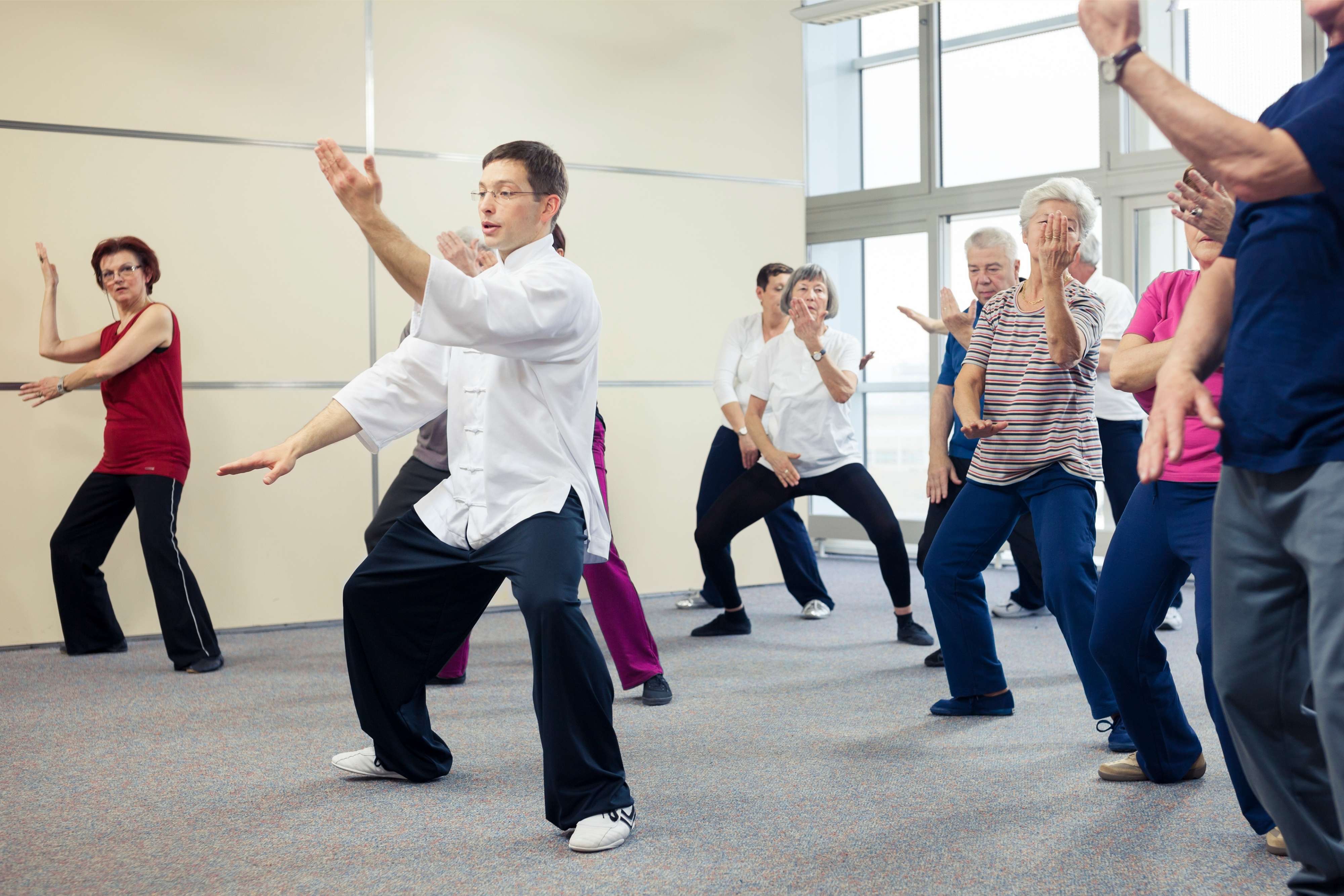
  • Yoga and tai chi: stress reduction and posture.
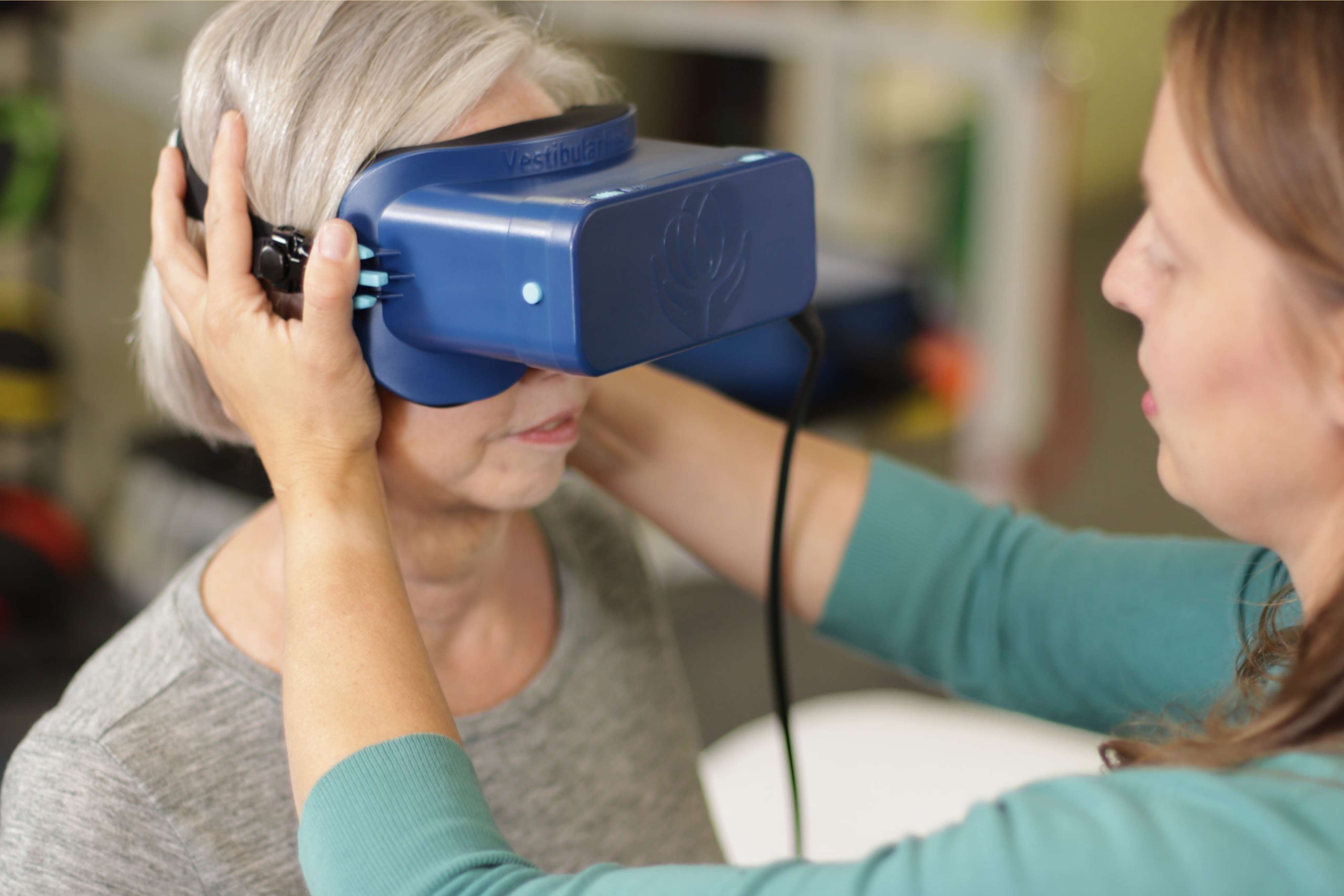
  • VedaPulse: a heart rate variability check that shows how stress is affecting your nervous system.

For more detail, read our guide to acupuncture for tension headaches.

What does the evidence say?

There is good evidence for acupuncture in preventing tension-type headache and migraine. Exercise for the deep neck muscles reduces cervicogenic headache. Relaxation training also has supporting evidence.

Tension headache or migraine?

Tension-type headache feels like a tight band or pressure on both sides of the head and usually lets you carry on with your day. Migraine is typically throbbing, often one-sided, worse with movement and comes with nausea or sensitivity to light and sound. Many people have both, and the pattern affects which treatment helps.

Why do I wake up with a headache?

Morning headaches are often linked to poor or short sleep, teeth grinding or jaw clenching at night, dehydration, alcohol the evening before, caffeine withdrawal or an awkward sleeping position for the neck. Loud snoring with pauses in breathing can point to sleep apnoea, which needs a GP. Regular morning headaches that are new or getting worse should be checked by a doctor.

How to ease a headache without overusing painkillers

Drink a glass of water, eat if you have skipped a meal, step away from the screen and get some fresh air. Gentle neck and shoulder stretches, a warm pack on the neck and relaxing the jaw help tension-type headaches. Simple painkillers are fine occasionally, but using them on more than about ten to fifteen days a month can cause medication overuse headache.

What to expect at Omnia

We take a full headache history, including frequency, triggers, sleep, stress and painkiller use, and check your neck, jaw and shoulders. Your plan may combine a course of acupuncture, physiotherapy for neck-related headaches and relaxation or routine support, with a headache diary so we can measure change. We ask you to keep your GP involved, especially if medication is part of your care.

What you can do at home

  • Take a screen break every 30 to 45 minutes
  • Drink water regularly and avoid skipping meals
  • Keep a diary to spot patterns and painkiller use
  • Unclench your jaw and drop your shoulders several times a day

Headaches often start in the neck or jaw. See our guides to neck pain exercises and easing TMJ jaw pain.

Related: neck and shoulder pain and jaw pain. Omnia Lifestyle, 8 to 9 Bedford Corner, Chiswick W4. Book online or call 020 4515 0000.

Related Therapies & Services

Questions we are asked

Headaches & Migraines: your questions answered

What is a tension headache?

A tension-type headache is the most common kind of headache. It feels like a tight band or pressure across both sides of the head, often with tight neck and shoulder muscles. It is usually mild to moderate and does not cause vomiting.

What causes tension headaches?

Triggers include stress, poor posture, long periods at a screen, muscle tension in the neck and shoulders, poor sleep, missed meals and dehydration. Frequent use of painkillers can also cause medication-overuse headaches.

Can acupuncture help headaches?

Yes, there is reasonable evidence. NICE headache guidance says a course of up to 10 acupuncture sessions over five to eight weeks can be considered for preventing tension-type headache and migraine. We combine it with manual therapy for neck and shoulder triggers.

How can I stop frequent headaches?

Regular sleep, meals and hydration, screen breaks, stress management and treating neck and shoulder tension help. Keep a headache diary to spot triggers. Using painkillers on more than 10 to 15 days a month can make headaches worse, so speak to your GP.

When is a headache an emergency?

Call 999 for a sudden, severe thunderclap headache, a headache with weakness, confusion, slurred speech or vision loss, or a headache with fever, a stiff neck and a rash. See your GP promptly for headaches that are new and getting worse.

Thank you, we have your notes.

A member of our team will be in touch to arrange your call. If anything is urgent, please call 020 4515 0000.

An error has occurred somewhere and it is not possible to submit the form. Please try again later.

Book online

To book an appointment straight away you can use our book now button

Message us on WhatsApp