Part of ourMusculoskeletal (MSK) conditionscare
TMJ pain affects the jaw joint and surrounding muscles, causing clicking, aching and restricted opening. At Omnia Lifestyle in Chiswick we treat it with physiotherapy, manual therapy and acupuncture, combined after assessment.
Omnia Lifestyle, 8 to 9 Bedford Corner, The Avenue, Chiswick W4 1LZ. Two minutes from Turnham Green station. Call 020 4515 0000.
Questions we are asked
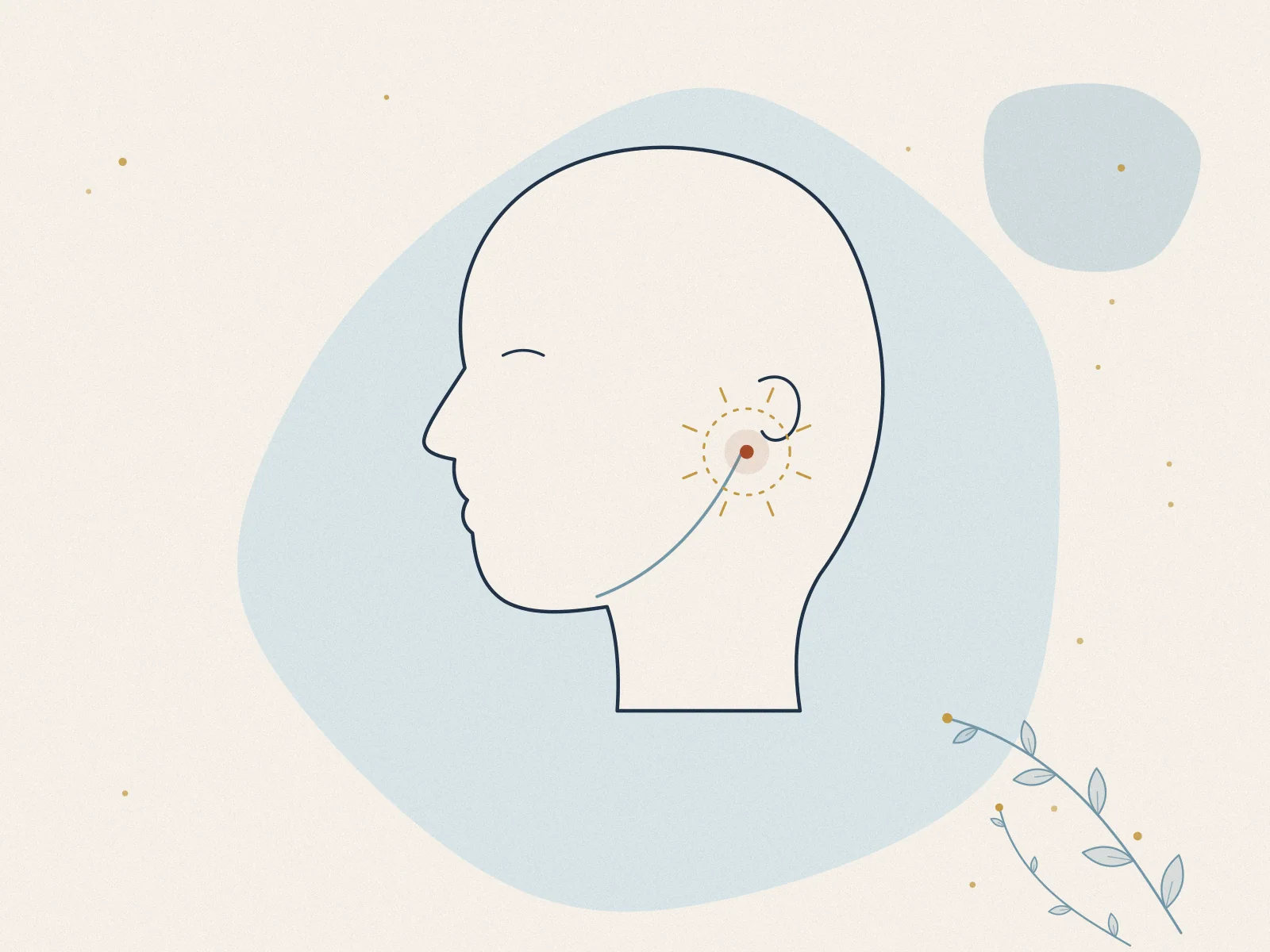
TMJ disorder describes pain and dysfunction in the temporomandibular joint, where the jaw meets the skull, and the chewing muscles around it. Common signs are jaw pain, clicking or popping, difficulty opening the mouth wide and headaches, often linked to clenching or grinding.
Most jaw pain settles within a few weeks to a few months with self-care: soft foods, avoiding wide yawns and gum, managing stress and jaw exercises. Pain lasting longer, or a jaw that locks, benefits from assessment by a dentist or physiotherapist.
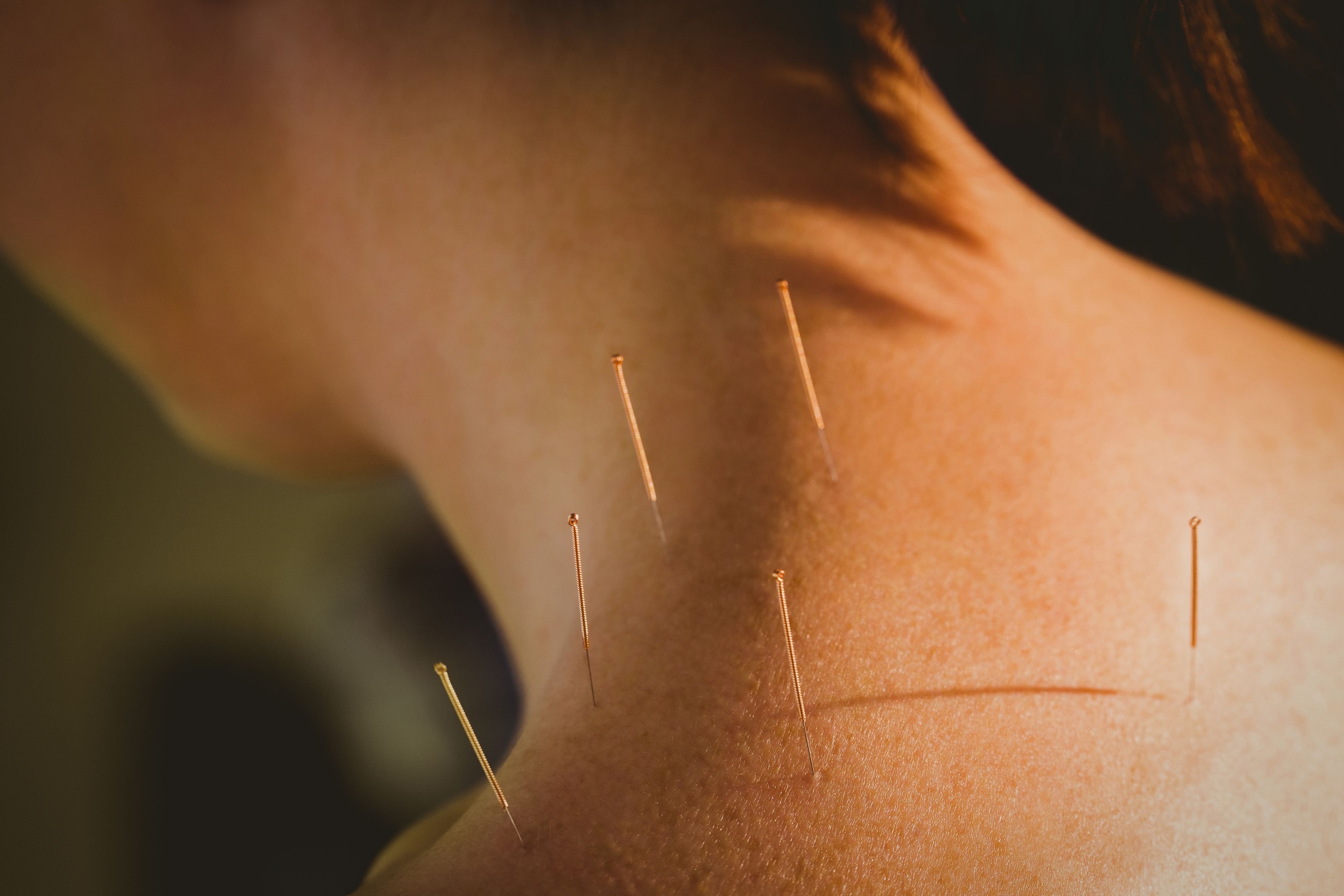
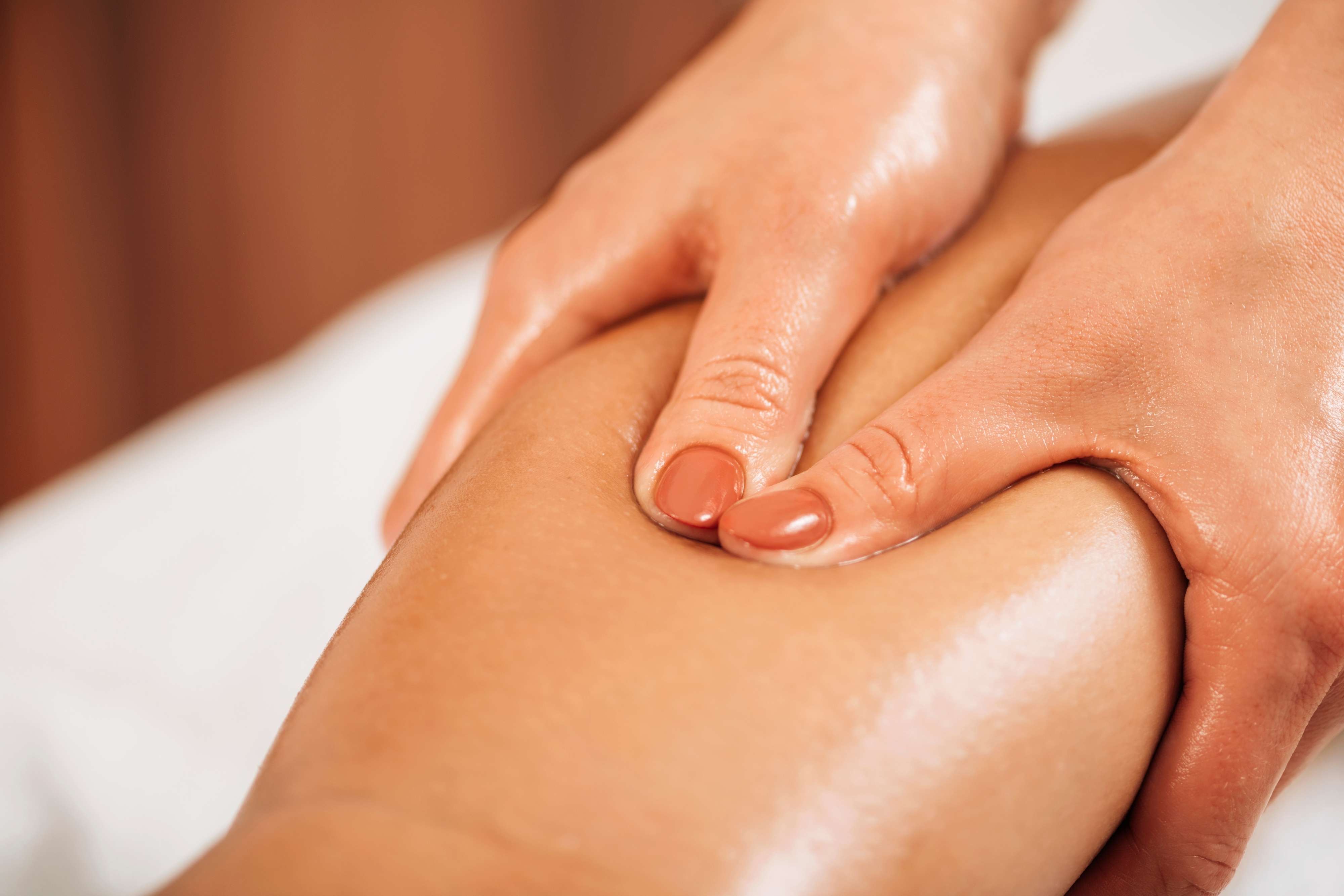
Several studies suggest acupuncture can reduce jaw muscle pain in TMJ disorders, particularly where clenching and muscle tension drive it. At Omnia we combine it with physiotherapy for jaw mechanics and posture, and gentle hands-on release of the chewing muscles.
Common causes include teeth clenching or grinding, often at night, stress, poor neck and head posture, jaw injury and arthritis in the joint. Often several factors combine, which is why treatment works best when it addresses habits and muscles as well as pain.
See a dentist if your jaw locks open or closed, your bite changes, you have tooth pain or swelling, or pain follows dental work. Jaw pain with chest pain or breathlessness needs emergency care, as it can occasionally be a sign of a heart problem.