Close

Part of ourMusculoskeletal (MSK) conditionscare

Back Pain: what it is and how we help

Lower back pain is usually mechanical, coming from the muscles, joints or discs, and most episodes improve within six weeks. At Omnia Lifestyle in Chiswick we treat back pain with physiotherapy (from £99 for a first assessment and treatment), manual therapy and acupuncture, combined after assessment.

Omnia Lifestyle, 8 to 9 Bedford Corner, The Avenue, Chiswick W4 1LZ. Two minutes from Turnham Green station. Call 020 4515 0000.
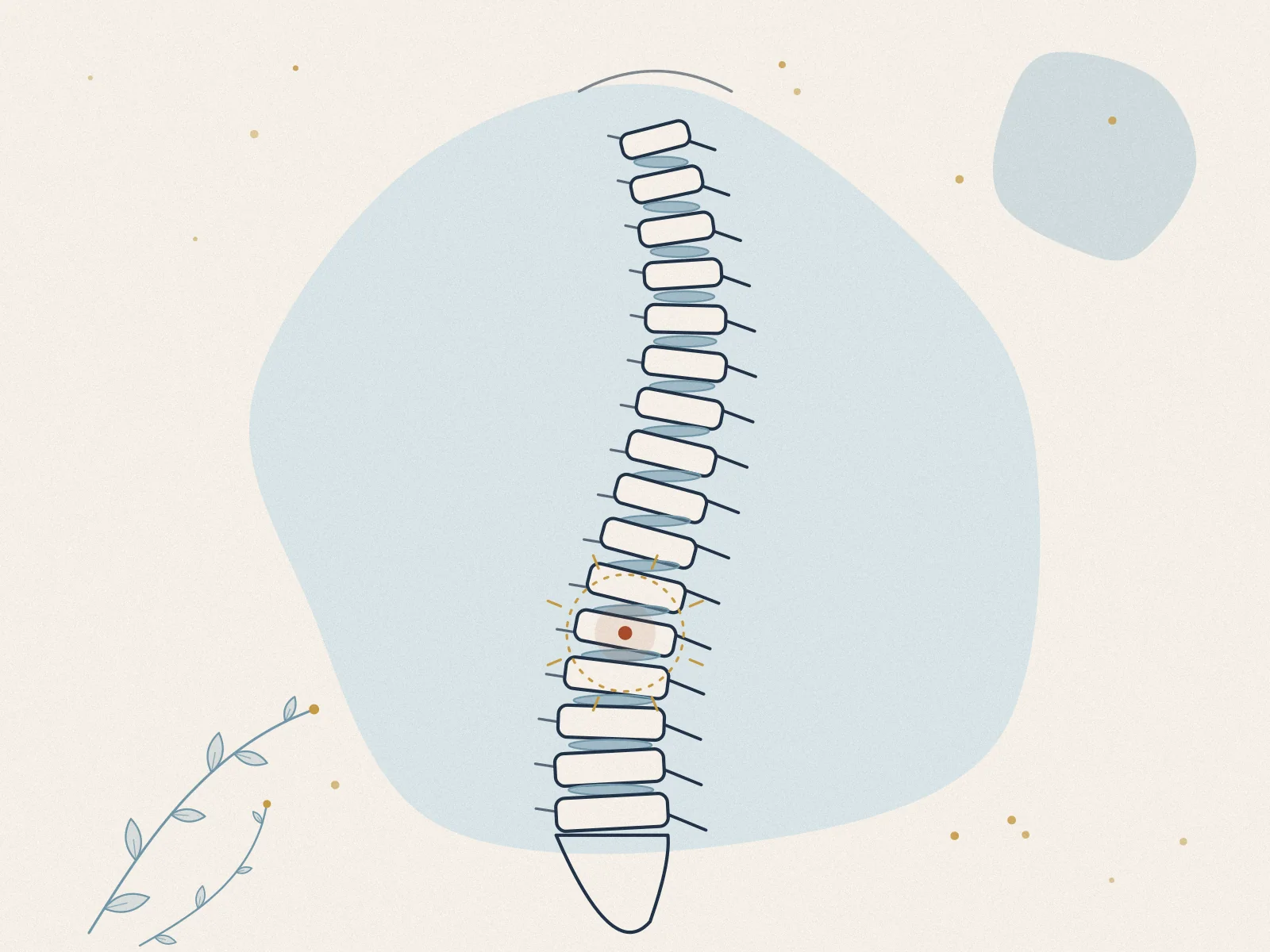
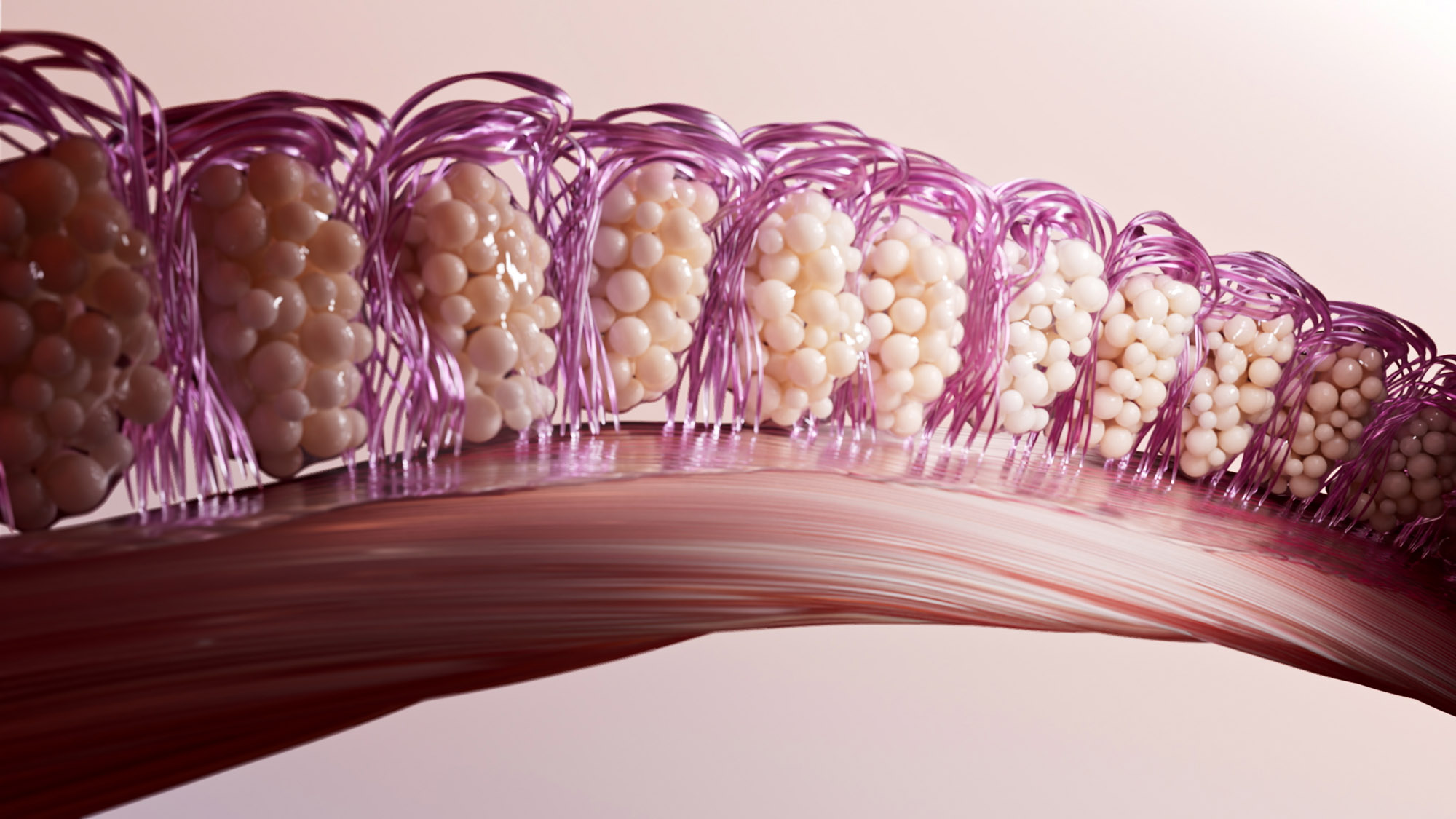
Illustration of back pain, treated at Omnia Lifestyle clinic in Chiswick, West London

Back pain at a glance

Most back pain is mechanical: it comes from the muscles, joints and discs of the spine rather than from serious disease, and around nine in ten episodes improve within six weeks. The fastest route back to normal is usually to stay active, understand what is driving the pain and follow a plan built around your own movement patterns rather than a generic sheet.

Lower back pain: symptoms and how to treat it

Lower back pain is felt between the bottom of the ribs and the top of the buttocks, and it is by far the most common type of back pain. It may be a dull ache or soreness in the lower back, stiffness first thing in the morning, or a sharp pain when you bend, twist or stand up. Even severe lower back pain with muscle spasm is usually caused by a strain or an irritated joint rather than serious damage.

To treat lower back pain at home:

  • Stay as active as you can and return to normal activities gradually
  • Use heat to ease muscle spasm
  • Ask a pharmacist about anti-inflammatory painkillers such as ibuprofen, if they are suitable for you; NHS guidance does not recommend paracetamol on its own for back pain
  • Start gentle lower back pain exercises as soon as the pain allows

If the pain is not improving after a few weeks, keeps coming back or stops you working or sleeping, a physiotherapy assessment can find what is driving it.

Symptoms of back pain

  • Aching or stiffness in the lower, middle or upper back
  • Sharp pain when bending, lifting, twisting or getting up from a chair
  • Muscle spasm that makes it hard to stand straight
  • Pain that spreads into the buttock or thigh
  • Pain travelling below the knee, with tingling or numbness, which suggests nerve involvement such as sciatica

What causes back pain?

Common causes include muscle strain, irritated facet joints, disc bulges, prolonged sitting, deconditioning and stress, which increases muscle tension and pain sensitivity. Often no single structure can be blamed, which is why assessment focuses on how you move and what eases or aggravates the pain rather than on scans. For a full guide, see what causes back pain.

How is back pain treated?

UK guidance (NICE NG59) recommends exercise as the core treatment for low back pain, with manual therapy such as spinal mobilisation or massage considered only alongside exercise. Scans are rarely needed unless there are warning signs or surgery is being considered. Pain relief can make movement possible but does not fix the cause.

Back pain treatment in Chiswick, London

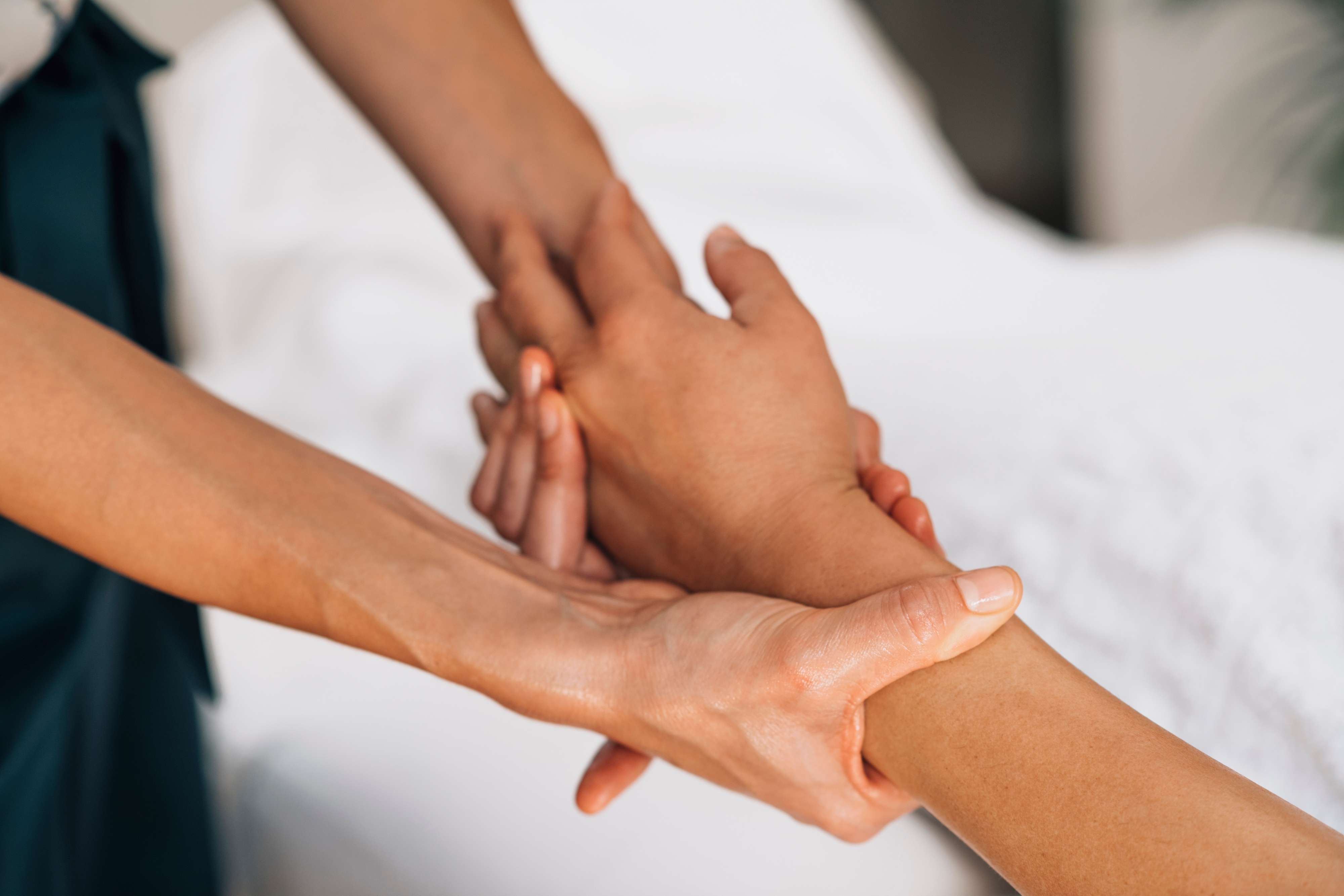
  • Physiotherapy: assessment of what is driving your pain and a progressive exercise programme. Initial assessment and treatment (70 minutes) £99, follow-ups from £70.
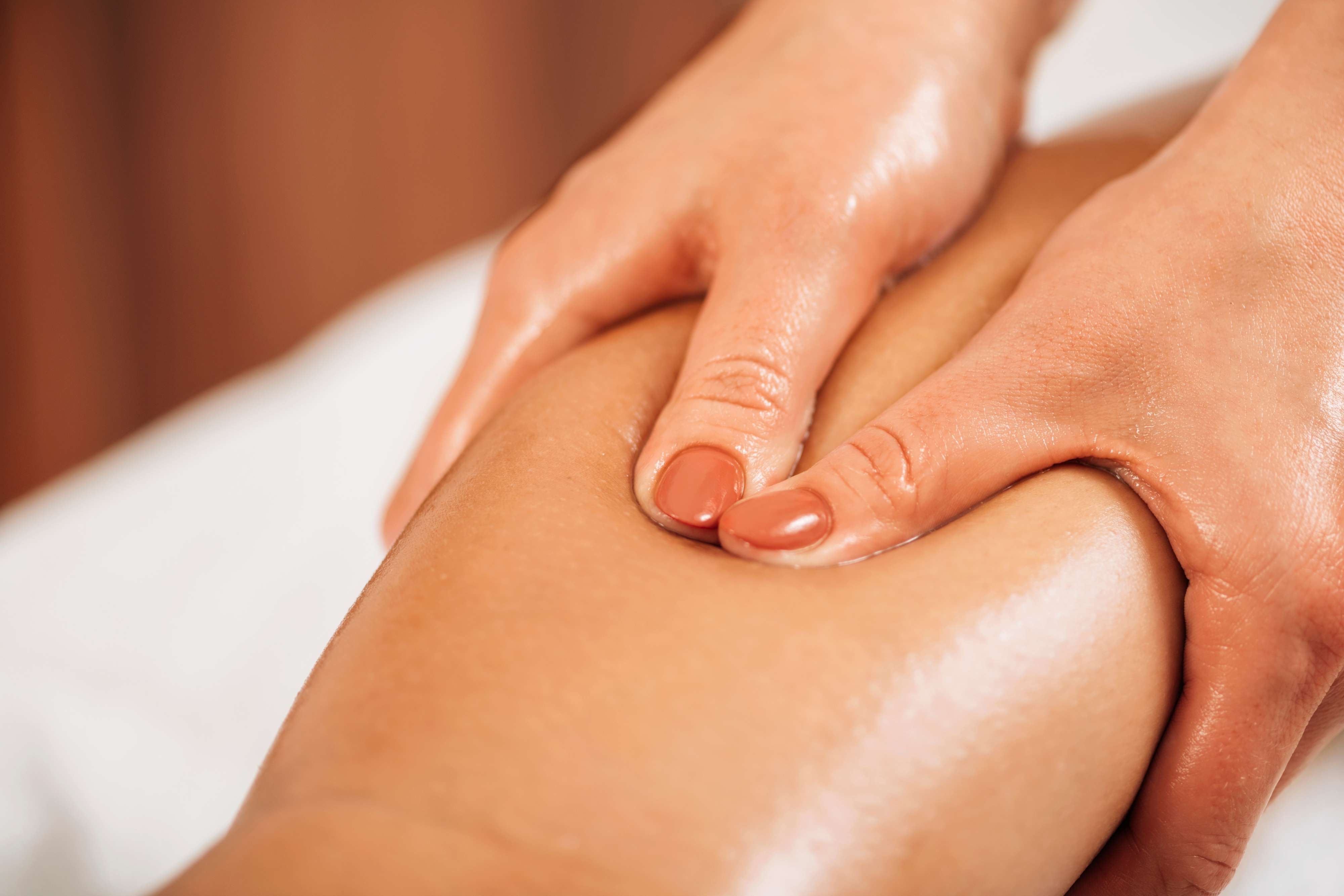
  • Manual therapy: soft tissue work and mobilisation to ease spasm and restore movement, combined with exercise. Sports, deep tissue and myoskeletal massage from £65 for 30 minutes.
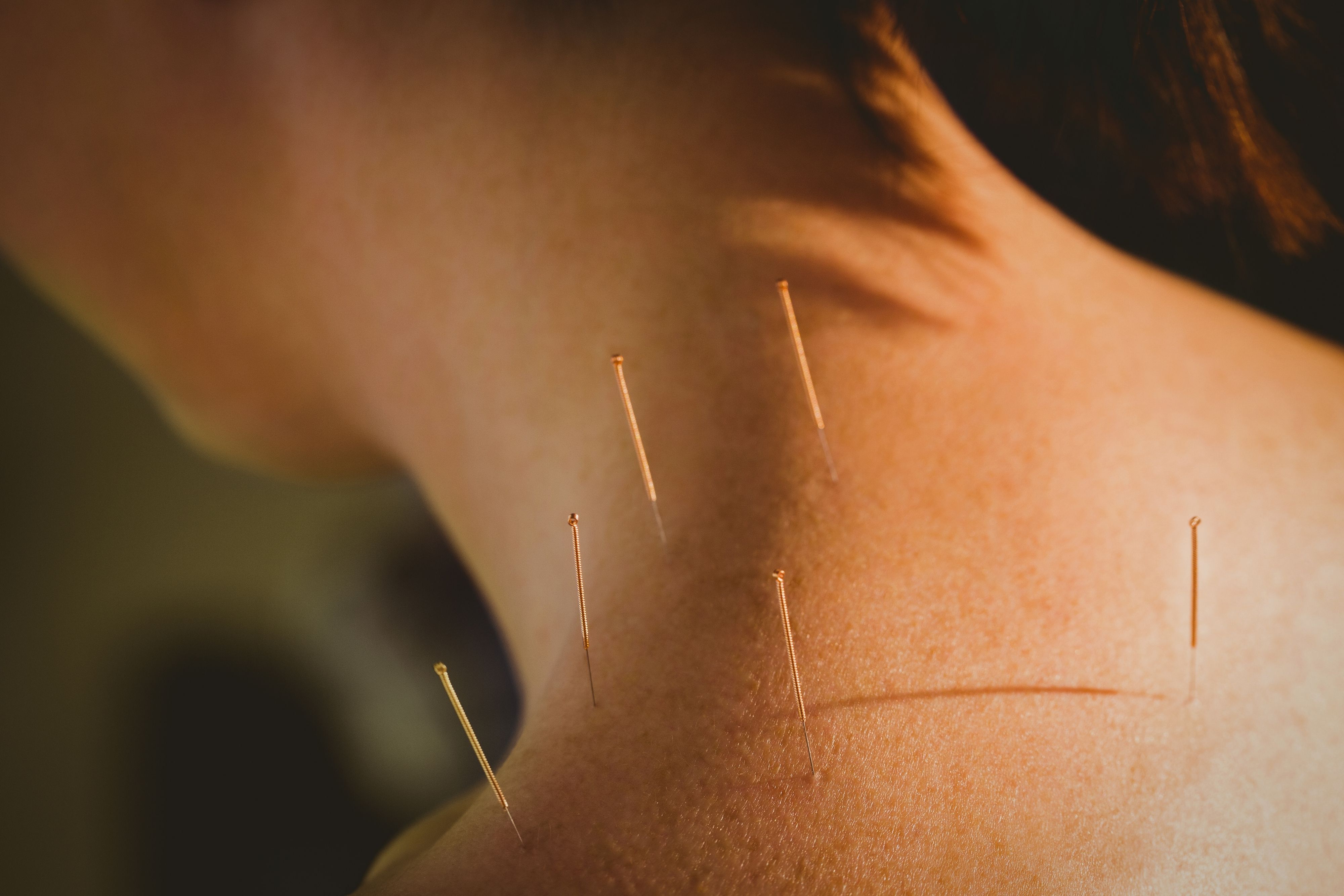
  • Acupuncture: available for people who want to try it for short-term relief; it is not a NICE-recommended treatment for low back pain, so we use it as an adjunct only. Traditional acupuncture (60 minutes) £80.
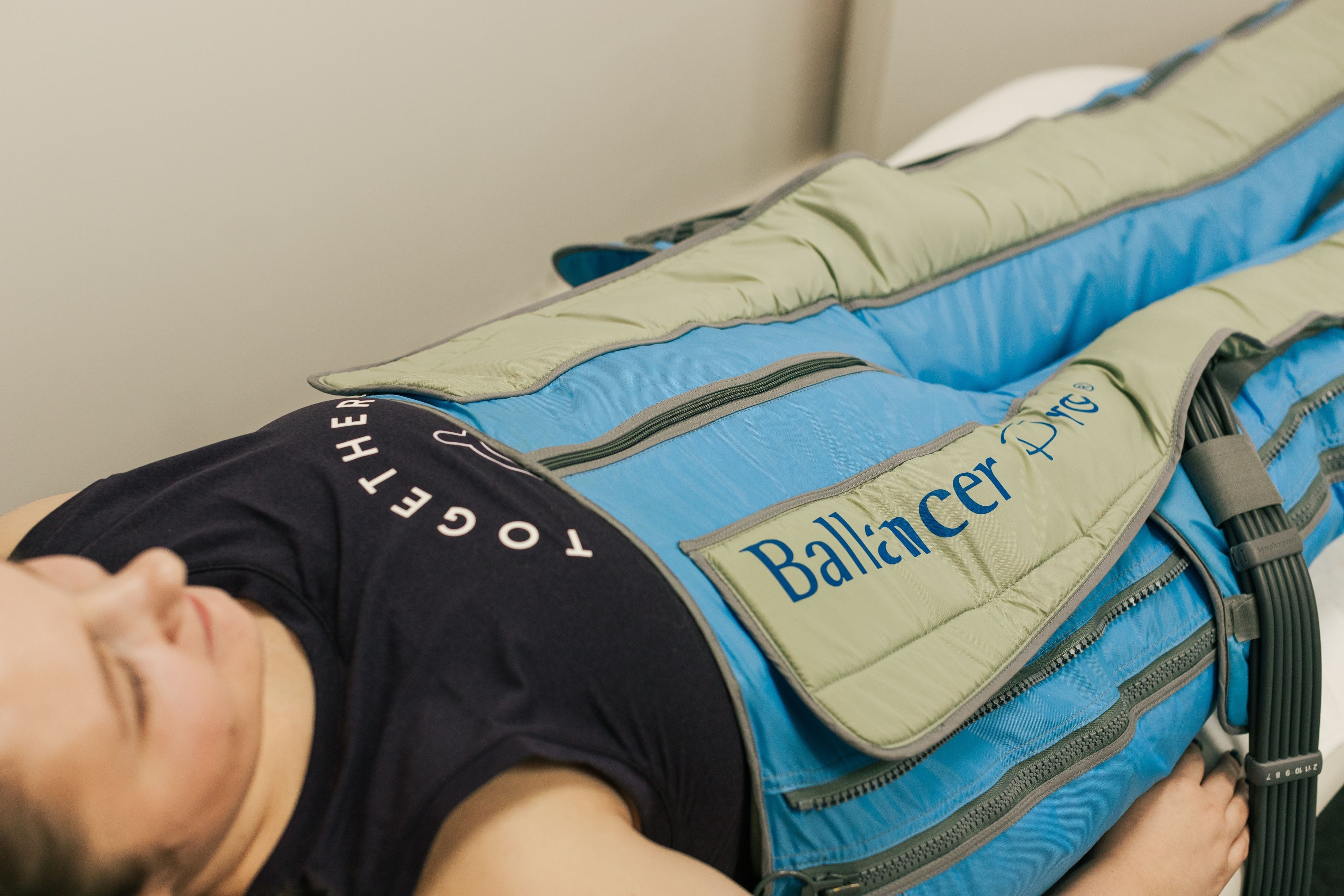
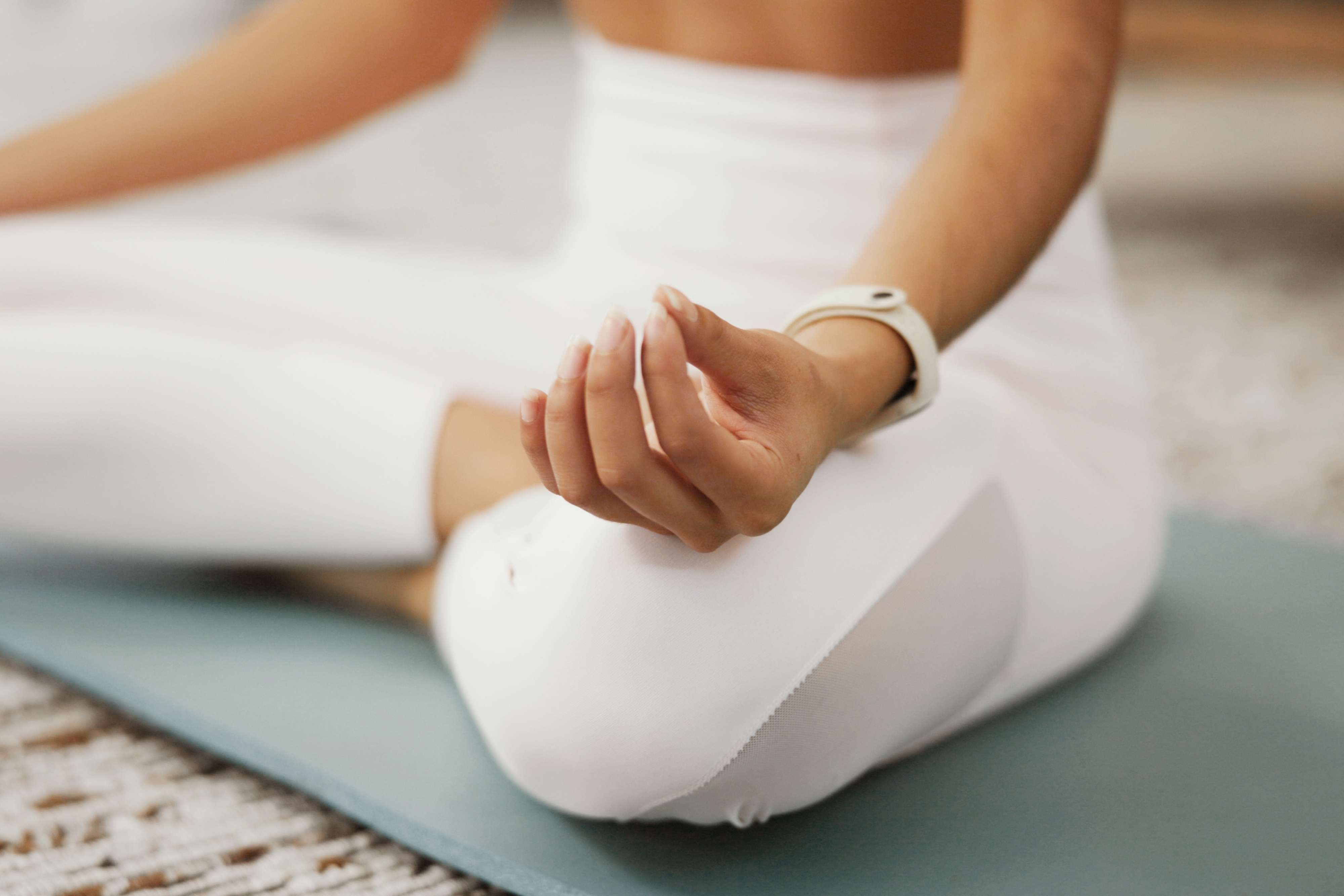
  • Red light therapy and yoga: recovery support and gentle, supervised movement once the acute phase settles. NovoTHOR full-body sessions £70, one-to-one yoga £50.
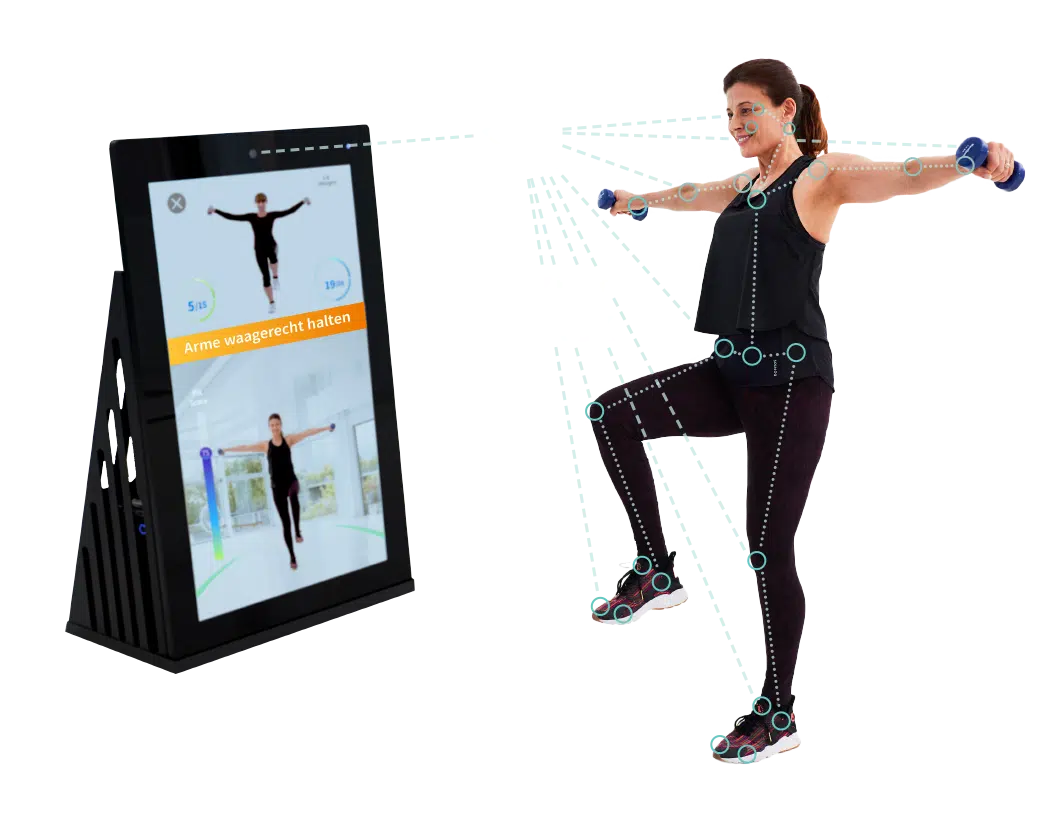
  • Pixformance: guided strength training that rebuilds core and hip strength to reduce recurrence. Guided sessions £50.
  • Home visits: physiotherapy at home across West London from £110 when travelling is too painful.

For more detail on these options, read our guides to physiotherapy for back pain, massage for back pain and red light therapy for back pain.

Physiotherapy at Omnia is recognised by AXA Health, Aviva, WPA and Vitality, and you can see every price on our fees page.

What does the evidence say?

Exercise has the strongest evidence for recovery and for preventing further episodes. Our own clinicians have published research on yoga for low back pain, summarised in Can yoga help with low back pain? Bed rest slows recovery and is no longer advised.

How long does back pain last?

Most new episodes of low back pain improve considerably within two to six weeks, even when the first few days are very painful. Around a third of people have another episode within a year, which is why building strength after the pain settles matters as much as easing it. Pain lasting longer than twelve weeks is called persistent back pain; it rarely means damage, but it does benefit from a structured plan that looks at movement, sleep, stress and work.

Do I need a scan for back pain?

Usually not. NICE guidance advises against routine X-rays or MRI for low back pain, because scans often show age-related changes such as disc bulges in people with no pain at all, and finding them can increase worry without changing treatment. Imaging is useful when warning signs suggest a serious cause, when nerve symptoms are getting worse, or when surgery is being considered.

Heat or ice for back pain?

For most back pain, heat is more helpful. A warm bath, hot water bottle or heat pad relaxes muscle spasm and makes gentle movement easier. Ice can help in the first day or two after a clear strain if it feels better, but there is no strict rule: use whichever eases your pain enough to keep you moving.

What to expect at Omnia

Your physiotherapist asks how the pain started, what eases and aggravates it, and about work, sleep and activity, then assesses movement, strength and nerve function. You leave the first session with an explanation of what is driving your pain, two or three exercises and practical advice for sitting and lifting. Follow-up sessions progress the exercises and add manual therapy where it helps. If anything suggests a scan or specialist opinion, we write to your GP.

What you can do at home

  • Keep moving within comfort; short, frequent walks help more than rest
  • Break up sitting every 20 to 30 minutes
  • Use heat for muscle spasm if it eases the pain
  • Follow our guide to relieving back pain naturally

When to see a doctor urgently

Go to A&E or call 999 if back pain comes with numbness around the genitals or buttocks, new difficulty controlling your bladder or bowels, or weakness in both legs. See your GP promptly if you have back pain with fever, unexplained weight loss, a history of cancer, or pain after a significant fall.

Our guides to middle back pain, lower right back pain, lower left back pain and back spasms explain what pain in each area usually means.

If pain travels down your leg, see how to relieve sciatica pain, what a slipped disc feels like and our sciatica exercises guide.

If you sit for long hours, see the silent damage of sitting all day.

Omnia Lifestyle is at 8 to 9 Bedford Corner, The Avenue, Chiswick W4 1LZ, close to Turnham Green station, on bus routes 94, E3 and 272. Limited parking is available on request when booking. We see patients from Chiswick, Hammersmith, Ealing, Acton, Brentford and across London. Book a back pain assessment or call 020 4515 0000.

Related Therapies & Services

Questions we are asked

Back Pain: your questions answered

Is acupuncture good for lower back pain?

It can help some people, particularly with muscle guarding and pain that has lasted more than a few weeks, but the research is mixed and NICE's low back pain guidance does not recommend acupuncture on its own. At Omnia we use it alongside exercise-based physiotherapy and manual therapy, which have the strongest evidence.

How many sessions will I need for back pain?

Recent muscular back pain often settles within three to six sessions. Longer-standing or disc-related pain usually needs a course over six to eight weeks, with the plan reviewed at each visit so you are never signed up for more than you need.

Should I see a physiotherapist or an acupuncturist for back pain?

Most people do best with both in sequence: physiotherapy to find and correct the movement pattern behind the pain, and acupuncture or hands-on therapy to calm pain so you can move. Your first assessment decides the order.

When is back pain an emergency?

Go to A&E straight away if back pain comes with numbness around the groin or buttocks, new bladder or bowel problems, or weakness in both legs. These can be signs of cauda equina syndrome and need same-day care.

Can I get back pain treatment near Chiswick without a GP referral?

Yes. You can book physiotherapy or acupuncture directly online, with no GP referral needed. A first physiotherapy assessment and treatment costs £99 and traditional acupuncture £80. We are at 8 to 9 Bedford Corner, The Avenue, Chiswick W4 1LZ, close to Turnham Green station, on bus routes 94, E3 and 272. Limited parking is available on request when booking. Physiotherapy is recognised by AXA Health, Aviva, WPA and Vitality.

Thank you, we have your notes.
A member of our team will be in touch to arrange your call. If anything is urgent, please call 020 4515 0000.

An error has occurred somewhere and it is not possible to submit the form. Please try again later.

Book online

To book an appointment straight away you can use our book now button

Message us on WhatsApp