Book at our Chiswick clinic
Physiotherapy
Most back pain is mechanical. It comes from the muscles, joints and discs of the spine rather than from serious disease, and most new episodes improve considerably within a few weeks. The approaches with the strongest evidence are also the most natural ones: staying active, the right exercise, heat, good sleep and managing stress. Medication can help you keep moving, but on its own it does not speed recovery.
This guide sets out what genuinely helps back pain without relying on painkillers, what the evidence says about hands-on and complementary treatments, what to avoid, and the warning signs that need a doctor straight away.
Quick answer
The most effective back pain relief, for lower back pain and most other back pain, is natural: keep moving with short, frequent walks rather than resting in bed, use heat to ease muscle spasm, start gentle mobility exercises within a day or two, and build core and hip strength as the pain settles. Break up long periods of sitting, protect your sleep and look after your stress levels, because all three affect how much pain you feel. UK guidance (NICE NG59) recommends exercise as the core treatment, with hands-on therapy used alongside it rather than instead of it.
How to relieve severe lower back pain quickly
When your back has just gone and even standing up is hard, these steps give the quickest relief in the first few days:
- Find a resting position that eases the spasm. Lying on your back with your knees bent over pillows, or on your side with a pillow between your knees, often helps. Rest like this for short spells only.
- Apply heat. A hot water bottle or heat pad wrapped in a cloth for 15 to 20 minutes at a time relaxes tight muscles.
- Get up and move little and often. A few minutes of walking every hour stops the back stiffening further.
- Consider pain relief to keep you moving. The NHS suggests anti-inflammatory painkillers such as ibuprofen, and does not recommend paracetamol on its own for back pain. Ask a pharmacist which is safe for you, particularly if you have asthma, stomach problems or take other medicines.
- Start the gentle exercises below as soon as you can manage them.
Most severe flare-ups ease noticeably within days. If the pain began after a serious accident, or comes with any of the warning signs further down this page, get medical help first. To understand what may have triggered it, see what causes back pain.
Keep moving
Bed rest slows recovery from back pain and is no longer advised. Gentle activity keeps the muscles and joints moving, reduces stiffness and helps the nervous system settle. Aim for short walks several times a day, increasing the distance as you feel able, and carry on with normal daily activities as far as the pain allows. Some discomfort while moving is expected and does not mean you are causing harm.
Start gentle mobility exercises
These are usually comfortable even in the first few days. Move slowly, within a comfortable range, and stop if pain becomes sharp or travels further down the leg.
- Knee rolls. Lie on your back with knees bent and feet flat. Let both knees fall slowly to one side, then the other, 10 times.
- Knee to chest. Lying on your back, bring one knee gently towards your chest, hold for 20 seconds, then swap. Repeat three times each side.
- Pelvic tilts. Lying on your back, gently flatten your lower back into the floor by tightening your stomach muscles, hold for five seconds and relax, 10 times.
- Cat and camel. On hands and knees, slowly round your back towards the ceiling, then let it dip gently, 10 times.
Build strength as the pain settles
Once moving is easier, usually after one to two weeks, strengthening reduces the chance of the pain coming back. Aim for two or three sessions a week.
- Bridges. Lying on your back with knees bent, squeeze your buttocks and lift your hips until your body forms a straight line from shoulders to knees. Hold for three seconds and lower, 10 to 15 times.
- Bird dog. On hands and knees, reach one arm forward and the opposite leg back, keeping your back level. Hold for five seconds, then swap, 10 times each side.
- Side plank from the knees. Lie on your side propped on your elbow with knees bent, lift your hips and hold for 10 to 20 seconds, three times each side.
- Sit to stand. Stand up from a chair and sit down slowly without using your hands, 10 times.
For a fuller programme with progressions, see our lower back pain exercises.
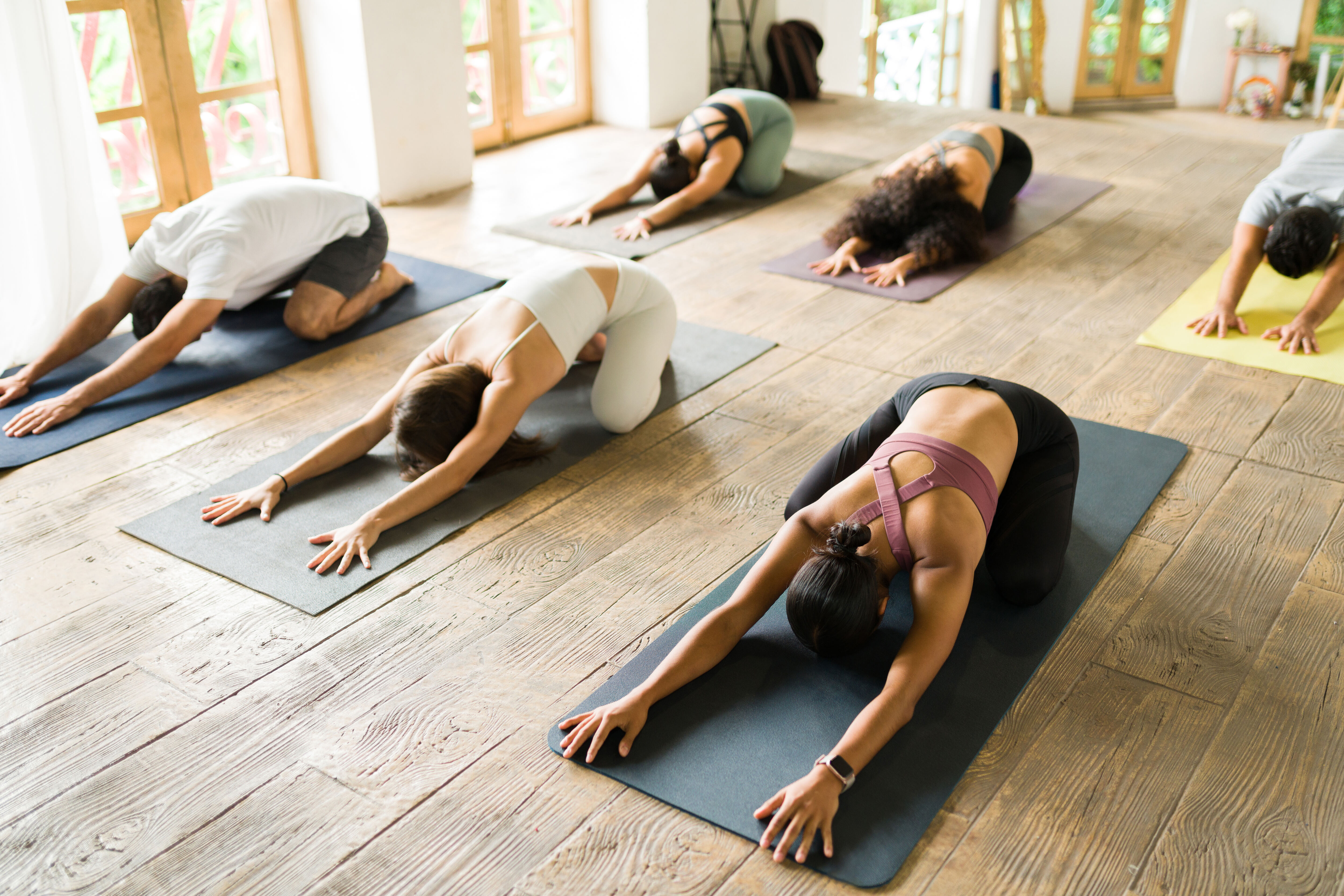
Walking, swimming, cycling, Pilates, yoga and tai chi are all reasonable ways to stay active over the longer term. No single type of exercise has been shown to be clearly best, so the one you will keep doing is usually the right choice. Our clinicians have published research on yoga for low back pain, and we summarise the evidence on tai chi and musculoskeletal pain.
Use heat
Heat from a warm bath, hot water bottle or heat pad relaxes muscle spasm and makes movement easier, and short-term studies support heat wraps for recent back pain. Ice can help in the first day or two after a clear strain if it feels better. Use whichever eases the pain enough to keep you moving, and wrap heat or ice in a cloth to protect your skin.
Look after sleep and stress
Poor sleep and stress both increase muscle tension and pain sensitivity, and pain in turn disrupts sleep. Lying on your side with a pillow between your knees, or on your back with a pillow under your knees, is often more comfortable. Keep to regular sleep and wake times. For back pain that has lasted several months, NICE advises that psychological therapy using a cognitive behavioural approach can help when it is combined with exercise.
Break up sitting
Long, unbroken spells of sitting tend to make back pain and stiffness worse. Stand up and move every 20 to 30 minutes, set your screen at eye level and keep your feet flat on the floor. There is no single perfect posture, and changing position often matters more than holding one. If you sit for long hours, see the silent damage of sitting all day.
Hands-on and complementary treatments
- Physiotherapy. An assessment identifies what is driving the pain and sets an exercise programme at the right level, which is the most effective way to recover and prevent recurrence.
- Manual therapy and massage. Spinal mobilisation, manipulation and soft tissue massage can ease pain and stiffness in the short term. NICE recommends them only as part of a package that includes exercise.
- Acupuncture. Some trials report modest short-term relief for long-standing back pain, but NICE does not recommend acupuncture for low back pain. If you choose to try it, use it alongside exercise rather than instead of it.
What to avoid
- Bed rest beyond a day or so of very severe pain
- Relying on a back brace or support belt, which NICE advises against for low back pain
- Routine scans. X-rays and MRI rarely change treatment and often show age-related changes that are normal
- Fearing all bending and lifting. The spine is strong, and gradually returning to normal movement is part of recovery
- Treatments that promise a quick fix, such as clicking a disc back into place
How long back pain takes to improve
Most new episodes improve considerably within two to six weeks, even when the first few days are very painful. Around a third of people have another episode within a year, which is why continuing the strengthening exercises after the pain settles matters. Pain that lasts longer than 12 weeks rarely means damage, but it benefits from a structured plan covering movement, sleep, stress and work.
When to seek medical help
Call 999 or go to A&E if back pain comes with numbness around the genitals, buttocks or inner thighs, new difficulty controlling your bladder or bowels, or weakness in both legs. These can be signs of cauda equina syndrome. Also call 999 if upper back pain comes with chest pain, breathlessness or sweating.
See your GP promptly if:
- You have a fever or feel generally unwell with back pain
- You have unexplained weight loss or a history of cancer
- The pain started after a significant fall or injury, or you have osteoporosis
- Pain is severe and constant, including at night, and does not change with position
- Numbness, tingling or weakness in a leg is getting worse
- Pain is not improving after four to six weeks
If pain travels down your leg, see how to relieve sciatica pain, what a slipped disc feels like and our sciatica exercises guide.
Frequently asked questions
Is walking good for back pain?
Yes. Short, frequent walks are one of the best things you can do for most back pain. Start with a distance that feels manageable and build up gradually.
What is the best sleeping position for back pain?
Lying on your side with a pillow between your knees, or on your back with a pillow under your knees, suits most people. A medium-firm mattress is often more comfortable than a very hard one.
Can stress cause back pain?
Stress does not damage the spine, but it increases muscle tension and pain sensitivity and can make back pain last longer. Exercise, good sleep and relaxation techniques all help.
Does massage help back pain?
Massage can ease muscle tension and pain in the short term. It works best combined with exercise, which has the strongest evidence for lasting recovery.
Back pain treatment in Chiswick
If self-help is not bringing enough relief after a week or two, or the pain keeps coming back, a professional assessment identifies what is driving it and sets an exercise programme at the right level, with hands-on treatment or acupuncture added where they help.
- Physiotherapy in Chiswick: initial assessment and treatment, 70 minutes, £99, with an HCPC-registered physiotherapist. Recognised by AXA Health, Aviva, WPA and Vitality.
- MSK therapy: physiotherapist-led hands-on treatment and corrective exercise for back stiffness and recurring pain.
- Deep tissue massage or sports massage: from £65 for 30 minutes, for muscle tension and spasm.
- Acupuncture: traditional acupuncture, 60 minutes, £80, used alongside exercise. See acupuncture for back pain.
Home visits are available when travelling is too painful. Omnia Lifestyle is at 8 to 9 Bedford Corner, The Avenue, Chiswick W4 1LZ, close to Turnham Green station, on bus routes 94, E3 and 272. Limited parking is available on request when booking.
Read more about back pain and sciatica, explore physiotherapy, manual therapy, acupuncture and home visit physiotherapy, or book an assessment.
This article is general information, not medical advice. If you have any of the warning signs listed above, seek medical attention.
Ready to book?
Physiotherapy