Close

Part of ourMusculoskeletal (MSK) conditionscare

Sciatica: what it is and how we help

Sciatica is pain radiating along the sciatic nerve from the lower back down one leg, often with tingling or numbness, and it often comes with back pain. At Omnia Lifestyle in Chiswick we treat it with physiotherapy (from £99 for a first assessment and treatment), manual therapy and acupuncture.

Omnia Lifestyle, 8 to 9 Bedford Corner, The Avenue, Chiswick W4 1LZ. Two minutes from Turnham Green station. Call 020 4515 0000.
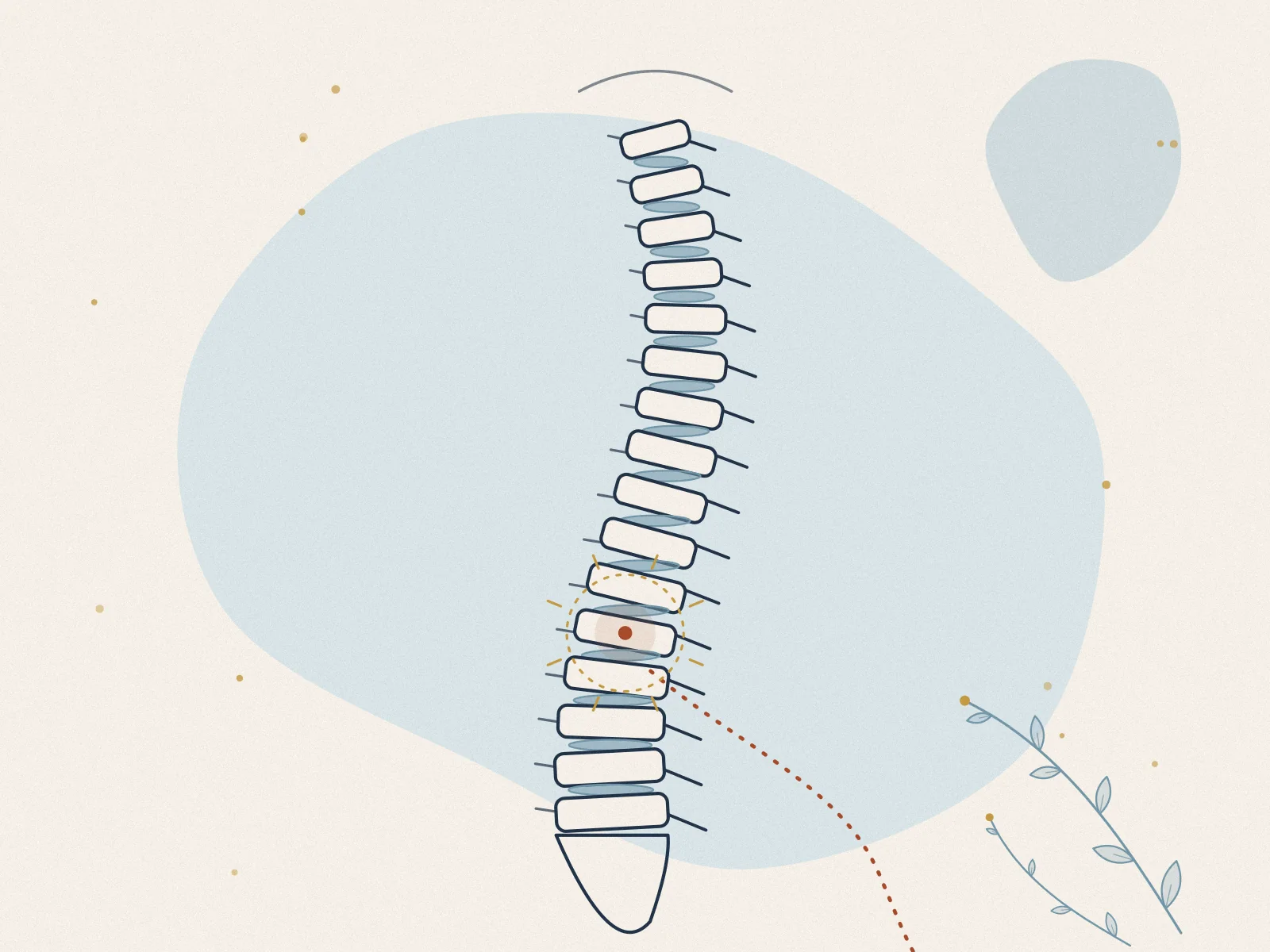
Illustration of sciatica, treated at Omnia Lifestyle clinic in Chiswick, West London

Sciatica at a glance

Sciatica is pain that travels from the lower back or buttock down the back of the leg, usually because a nerve root in the lower spine is irritated or compressed. Most sciatica settles within six to twelve weeks with the right movement, and surgery is needed only in a small minority of cases.

Symptoms of sciatica

  • Pain from the buttock down the leg, often below the knee
  • Burning, sharp or electric pain rather than a dull ache
  • Pins and needles or numbness in the leg, foot or toes
  • Leg pain worse than back pain, aggravated by sitting, coughing or sneezing
  • Weakness in the leg or foot in some cases

What causes sciatica?

The most common cause is a disc bulge or slipped disc pressing on a nerve root. Spinal stenosis, where the spaces around the nerves narrow with age, is more common after 60. Tightness in the piriformis muscle deep in the buttock can produce similar symptoms, and in pregnancy pelvic girdle pain is often mistaken for sciatica.

Sciatica and back pain: how are they linked?

Many people with sciatica also have lower back pain, because the same disc or joint problem that irritates the nerve can make the back sore and stiff. The difference is where the pain travels: with true sciatica the leg pain, often below the knee, is usually worse than the back pain, and it may come with pins and needles or numbness. Back pain that stays in the back or spreads only into the buttock is more often muscular or joint-related; see our back pain page. Both respond best to staying active and an exercise plan based on a proper assessment.

How is sciatica treated?

NICE guidance (NG59) recommends staying active and a structured exercise programme, with manual therapy alongside exercise. Pain relief should be discussed with a GP or pharmacist. For severe or persistent cases, a specialist may discuss a spinal injection or surgery, usually only after several weeks of conservative care.

Sciatica treatment in Chiswick, London

  • Physiotherapy: finds the direction of movement that eases your leg pain, tests nerve function and builds your programme around it. £99 for the first 70 minute assessment and treatment, follow-ups from £70.
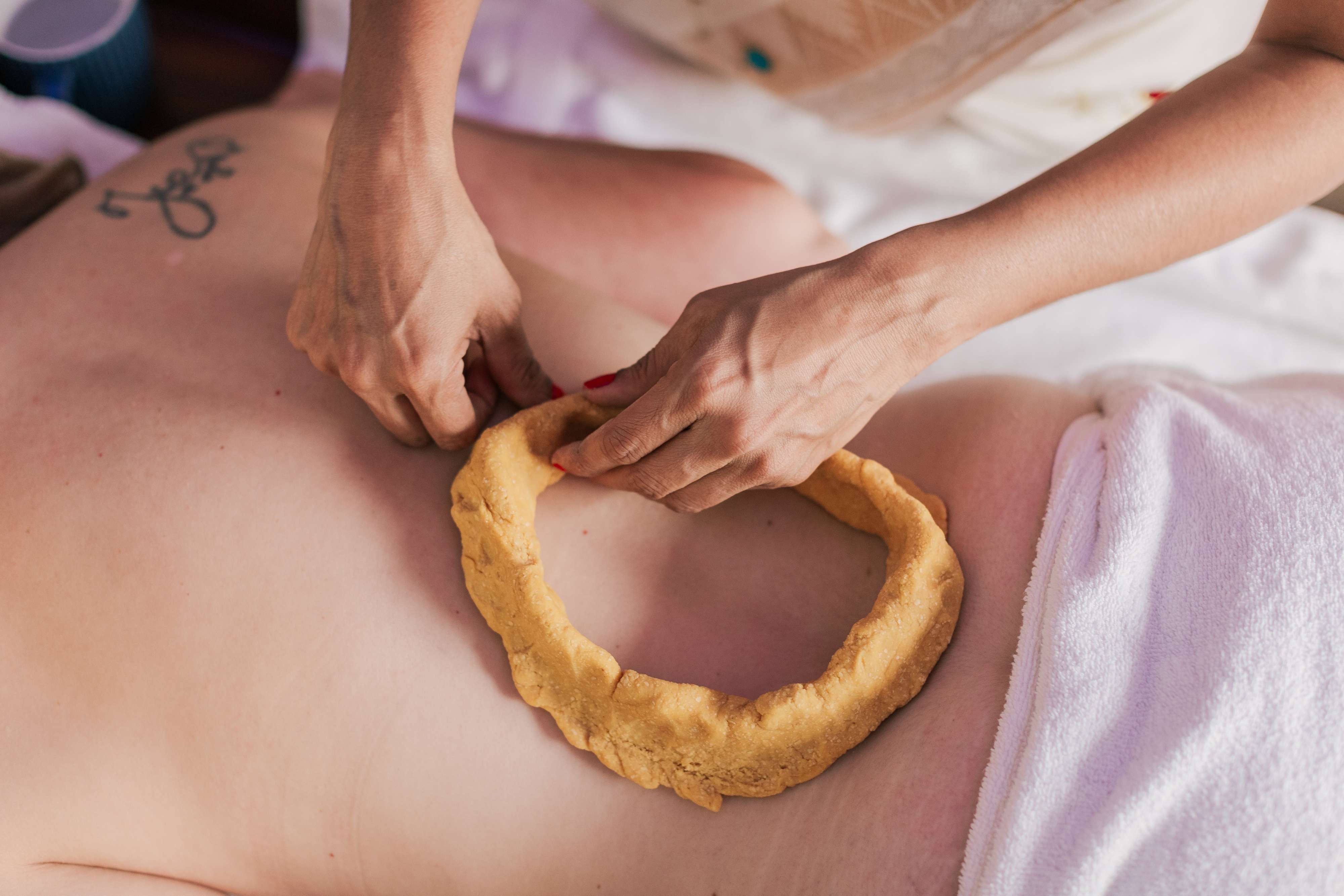
  • Manual therapy: eases muscle guarding in the back and buttock so movement becomes easier. Sessions from £65 for 30 minutes.
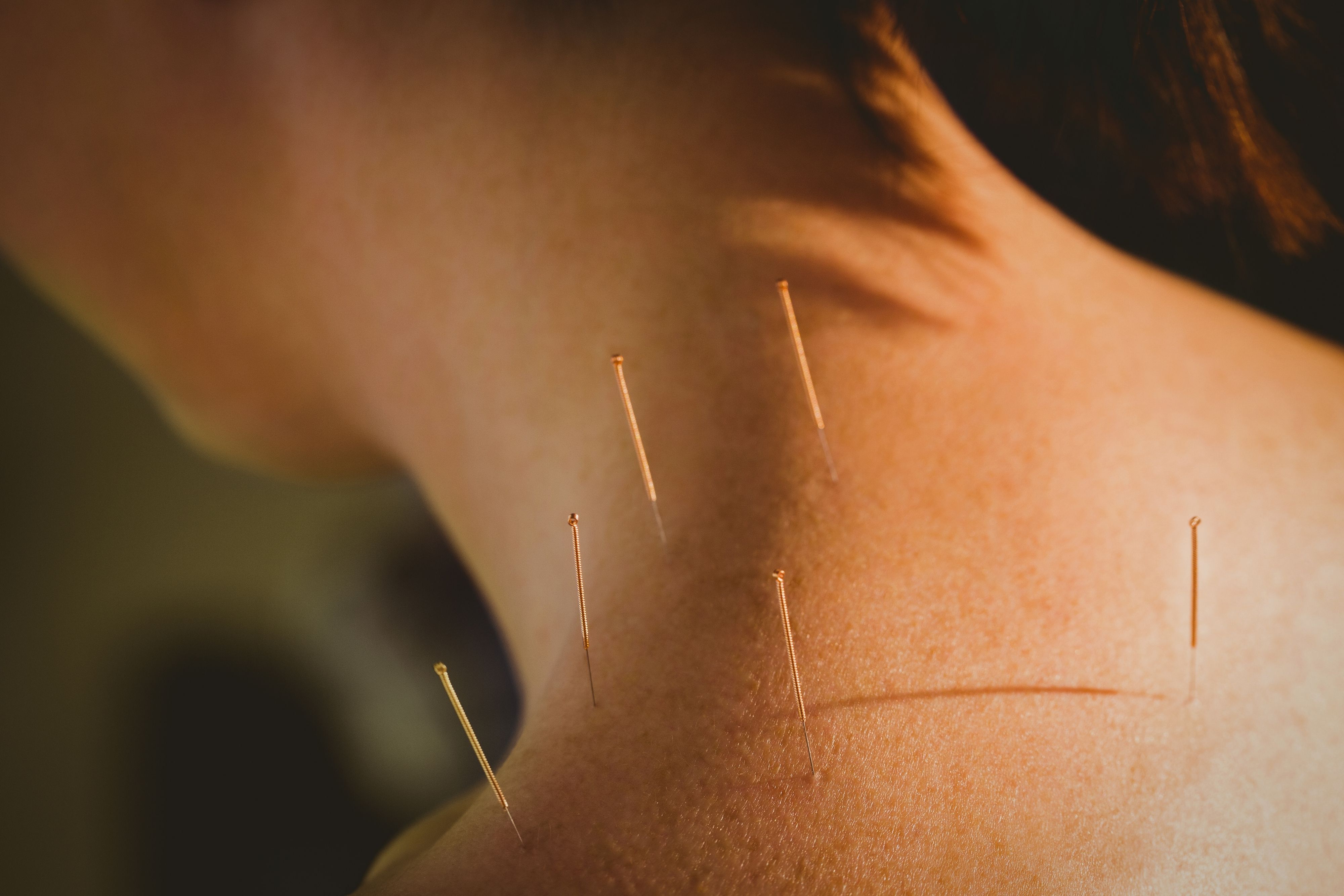
  • Acupuncture: an optional adjunct for short-term pain relief; national guidance does not recommend it routinely, so it never replaces exercise. Traditional acupuncture £80.
  • Home visits: physiotherapy at home within five miles of the clinic when travelling is too painful, from £110.

For more detail, read our guides to physiotherapy for sciatica and massage for sciatica.

Physiotherapy at Omnia is recognised by AXA Health, Aviva, WPA and Vitality, and you can see every price on our fees page.

What does the evidence say?

Exercise-based care guided by assessment has the best evidence. A generic exercise list can help one person and aggravate another, because disc-related and stenosis-related sciatica often respond to opposite movements. Our sciatica exercises guide explains which movements to try and which to avoid.

What does sciatica feel like?

People describe it as a burning, shooting or electric pain running from the buttock down the back or side of the leg, sometimes into the foot. It is often worse when sitting, bending, coughing or sneezing. Some people feel pins and needles or a patch of numbness rather than pain. Tight hamstrings, or a dull ache that stays above the knee, is less likely to be true sciatica and may come from the back muscles, hip or sacroiliac joint instead.

How to relieve sciatica pain

During a flare, the aim is to calm the nerve while staying as active as you can. Many people find relief lying on their back with their calves resting on a chair or sofa, or lying on their side with a pillow between the knees. Short, frequent walks usually help more than long periods of sitting or bed rest, and heat on the lower back and buttock can ease muscle spasm. For medication, speak to your pharmacist or GP. NICE advises against gabapentin, pregabalin and oral steroids for sciatica, because they have not been shown to help overall and can cause side effects.

How long does sciatica last, and does it go away?

For most people it does go away. Sciatica often improves noticeably within four to six weeks, and the majority of people recover within about three months without surgery, partly because disc material pressing on the nerve can shrink as the body reabsorbs it. Some people have a longer course or occasional recurrences, especially if the underlying disc or spinal narrowing is not addressed with strengthening. Pain that is not easing after six weeks, keeps returning, or comes with increasing numbness or weakness is a reason for a proper assessment.

What to expect at Omnia

Your physiotherapist asks where the pain travels and what eases or worsens it, then checks the reflexes, strength and sensation in both legs. Movement testing finds the positions and exercises that settle your leg pain. You leave the first session with two or three exercises and clear advice on sitting, sleep and work, and progress them at follow-up visits. If anything suggests you need a scan or a specialist opinion, we write to your GP.

What you can do at home

  • Walk little and often; many people find walking easier than sitting
  • Sit with hips slightly above knees and stand up every 20 to 30 minutes
  • Sleep on your side with a pillow between your knees
  • Stop any exercise that sends pain further down the leg

When to see a doctor urgently

Call 999 or go to A&E if you notice numbness around the genitals, inner thighs or buttocks, new bladder or bowel problems, or weakness in both legs. These can signal cauda equina syndrome, which needs emergency treatment.

See our guides to how to relieve sciatica pain and how long sciatica lasts.

Sciatica is assessed at Omnia Lifestyle, 8 to 9 Bedford Corner, The Avenue, Chiswick W4 1LZ, close to Turnham Green station, on bus routes 94, E3 and 272. Limited parking is available on request when booking. Book a sciatica assessment or call 020 4515 0000.

Related Therapies & Services

Questions we are asked

Sciatica: your questions answered

What is sciatica?

Sciatica is pain, tingling or numbness that travels from the lower back or buttock down the leg, caused by irritation of the sciatic nerve, most often by a bulging disc. It usually affects one side and can feel like burning, shooting or electric pain.

How long does sciatica last?

Most sciatica improves within four to six weeks, although some cases last longer. Staying gently active helps more than bed rest. If pain is not easing after six weeks, or keeps returning, a physiotherapy assessment can find what is driving it and set a plan.

Can acupuncture help sciatica?

Some people find acupuncture eases sciatic pain and muscle spasm, but the evidence is mixed and NICE does not recommend it on its own for sciatica. At Omnia we use it alongside physiotherapy and exercise, which have the strongest evidence, rather than instead of them.

When is sciatica an emergency?

Call 999 or go to A&E if sciatica comes with numbness around the genitals or bottom, new problems passing urine or controlling your bowels, or weakness in both legs. These can be signs of cauda equina syndrome, which needs same-day treatment.

Where can I get sciatica treatment near Chiswick?

Omnia Lifestyle treats sciatica at 8 to 9 Bedford Corner, The Avenue, Chiswick W4 1LZ, close to Turnham Green station, on bus routes 94, E3 and 272. Limited parking is available on request when booking. You can book physiotherapy or acupuncture directly online without a GP referral, and a first physiotherapy assessment and treatment costs £99. Home visits are available across West London from £110 when travelling is too painful.

Thank you, we have your notes.

A member of our team will be in touch to arrange your call. If anything is urgent, please call 020 4515 0000.

An error has occurred somewhere and it is not possible to submit the form. Please try again later.

Book online

To book an appointment straight away you can use our book now button

Message us on WhatsApp