



.jpg)


In areas like Chiswick and across West London, where many professionals spend hours working at desks, the impact of a sedentary lifestyle is becoming increasingly visible. From persistent lower back pain to neck stiffness and fatigue, the body begins to adapt to inactivity in ways that are difficult to reverse without targeted intervention.
What Happens to Your Body When You Sit for Too Long
When you sit for extended periods, your body shifts into a position that places strain on multiple systems at once. The hips remain flexed, the spine loses its natural curvature and the muscles responsible for supporting posture gradually weaken.
Over time, this leads to tight hip flexors, weakened glutes, and reduced core stability. These imbalances affect the alignment of the spine, increasing pressure on the lower back and leading to discomfort that often becomes chronic. The upper body is equally affected, with forward head posture and rounded shoulders placing strain on the neck and upper back.
Circulation is another key issue. Sitting slows down blood flow, which can lead to feelings of heaviness, fatigue, and reduced recovery. Poor circulation also affects the lymphatic system, making it less efficient at removing waste and excess fluid from the body.
Why Simple Fixes Are Not Enough
Many people attempt to address these issues with occasional stretching or short breaks. While these steps are helpful, they rarely address the deeper imbalances that develop over time.
Once the body has adapted to poor posture and inactivity, it requires a more structured approach to restore proper function. Without this, symptoms such as back pain, stiffness, and fatigue tend to return quickly, even after temporary relief.
How to Reverse the Effects of Prolonged Sitting
Reversing the effects of sitting requires a combination of movement, awareness, and targeted treatment.
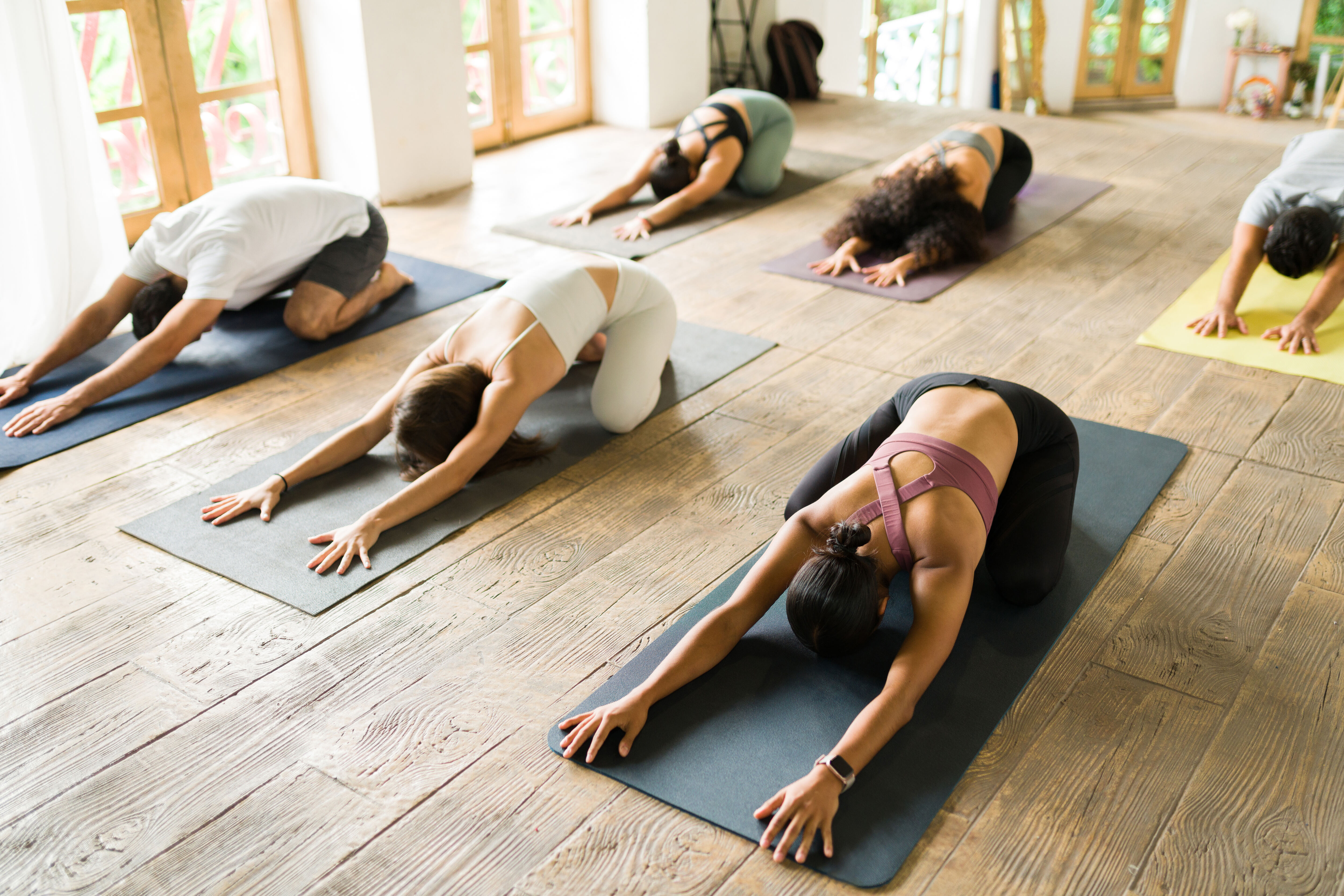
Regular movement throughout the day is essential. Simple habits such as standing breaks, short walks and posture adjustments can reduce the strain placed on the body. Strengthening exercises that target the core, glutes and back muscles help restore balance and support the spine.
However, in many cases, professional treatment is necessary to fully correct imbalances. Physiotherapy plays a key role in improving movement patterns and rebuilding strength, while manual therapy helps release deep muscle tension and improve mobility. These treatments work together to restore alignment and reduce pain.
At Omnia Lifestyle in Chiswick, we take an integrated approach to treating the effects of prolonged sitting. By combining physiotherapy, manual therapy and recovery-focused treatments, we help individuals restore function, improve posture and prevent long-term issues.
Conclusion
The effects of sitting all day are often underestimated, but over time they can significantly impact your health and quality of life. Addressing these issues early can prevent chronic pain and improve overall wellbeing.
If you are experiencing stiffness, fatigue, or posture-related discomfort in Chiswick or West London, a structured and personalised approach can help you reverse the damage and restore balance to your body.

.jpg)