Close

Part of ourMusculoskeletal (MSK) conditionscare

Knee Pain: what it is and how we help

Knee pain can come from the kneecap, cartilage, ligaments, tendons or arthritis, and often shows on stairs, squatting or sport. At Omnia Lifestyle in Chiswick we treat it with physiotherapy (from £99 for a first assessment and treatment), red light therapy and acupuncture, combined after assessment.

Omnia Lifestyle, 8 to 9 Bedford Corner, The Avenue, Chiswick W4 1LZ. Two minutes from Turnham Green station. Call 020 4515 0000.
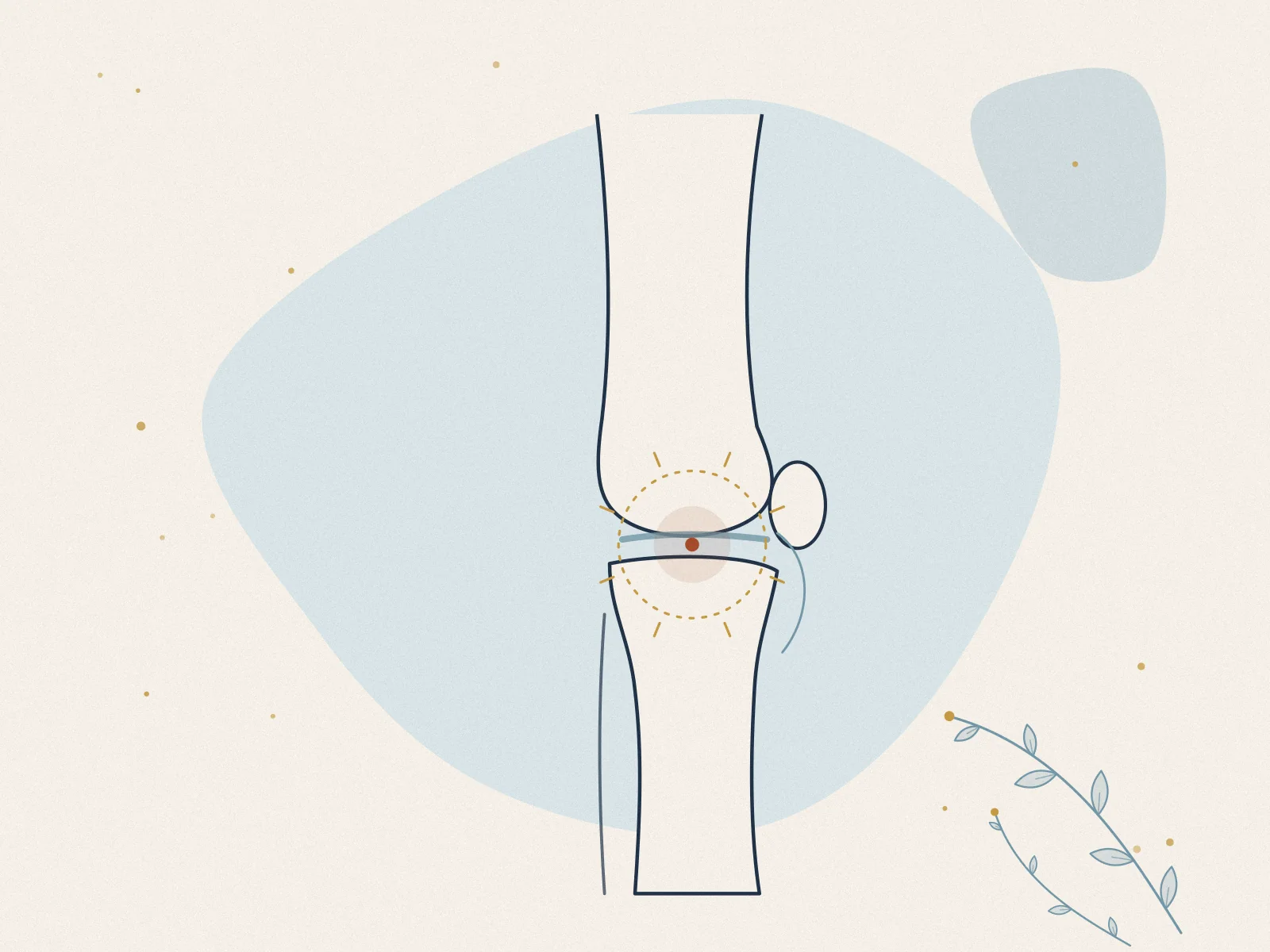
Illustration of knee pain, treated at Omnia Lifestyle clinic in Chiswick, West London

Knee pain at a glance

Knee pain can come from the joint surfaces, the kneecap, the ligaments, the meniscus or the tendons around the knee, and the right treatment depends on which one is involved. Most knee pain, including knee osteoarthritis, improves with targeted strengthening, weight management where relevant and a gradual return to activity.

Symptoms of knee pain

  • Pain on stairs, squatting, kneeling or getting up from a chair
  • Pain around or behind the kneecap after sitting or running
  • Swelling, stiffness or a feeling of the knee giving way
  • Clicking, catching or locking
  • Morning stiffness that eases within 30 minutes, typical of osteoarthritis

What causes knee pain?

Common causes include osteoarthritis, patellofemoral pain (runner's knee), meniscus tears, ligament sprains, patellar tendinopathy and bursitis. Weak hip and thigh muscles, a sudden increase in training and excess body weight all increase load on the knee.

Where does your knee hurt? Common causes by area

  • Front knee pain, around or behind the kneecap, is usually patellofemoral pain (runner's knee) or patellar tendinopathy. See runner's knee exercises.
  • Pain on the inner side of the knee often comes from osteoarthritis, a meniscus tear or a strain of the inner ligament. See inner knee pain.
  • Pain on the outer side of the knee is common in runners and cyclists with iliotibial band irritation. See outer knee pain.
  • Pain or soreness behind the knee can come from a Baker's cyst, a hamstring or calf tendon or a meniscus tear. A swollen, painful calf needs same-day medical advice to rule out a blood clot. See pain behind the knee.
  • A swollen or inflamed knee points to irritation inside the joint. See swollen knee.

How is knee pain treated?

For knee osteoarthritis, NICE guidance (NG226) recommends exercise and, where relevant, weight loss as core treatments for everyone. Most tendon and kneecap problems also respond to progressive loading. Scans and surgical opinions are reserved for significant injuries, locking or instability that does not settle.

Knee pain treatment in Chiswick, London

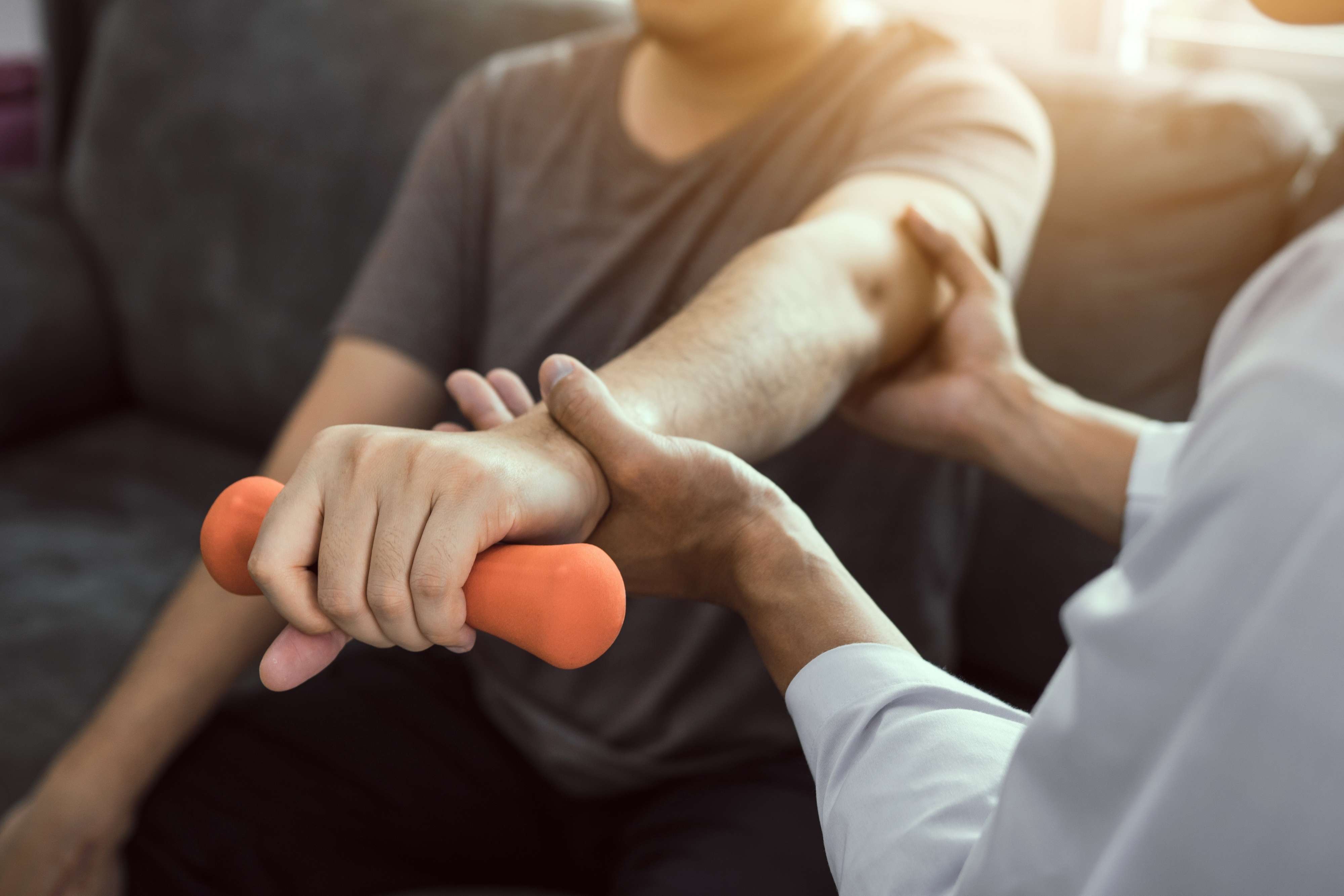
  • Physiotherapy: diagnosis, gait and movement analysis, and a strengthening programme for the knee and hip. Initial assessment and treatment £99, follow-ups from £70.
  • Red light therapy: THOR laser and full-body NovoTHOR; several trials of photobiomodulation report reduced knee osteoarthritis pain. NovoTHOR from £70, THOR laser £80.
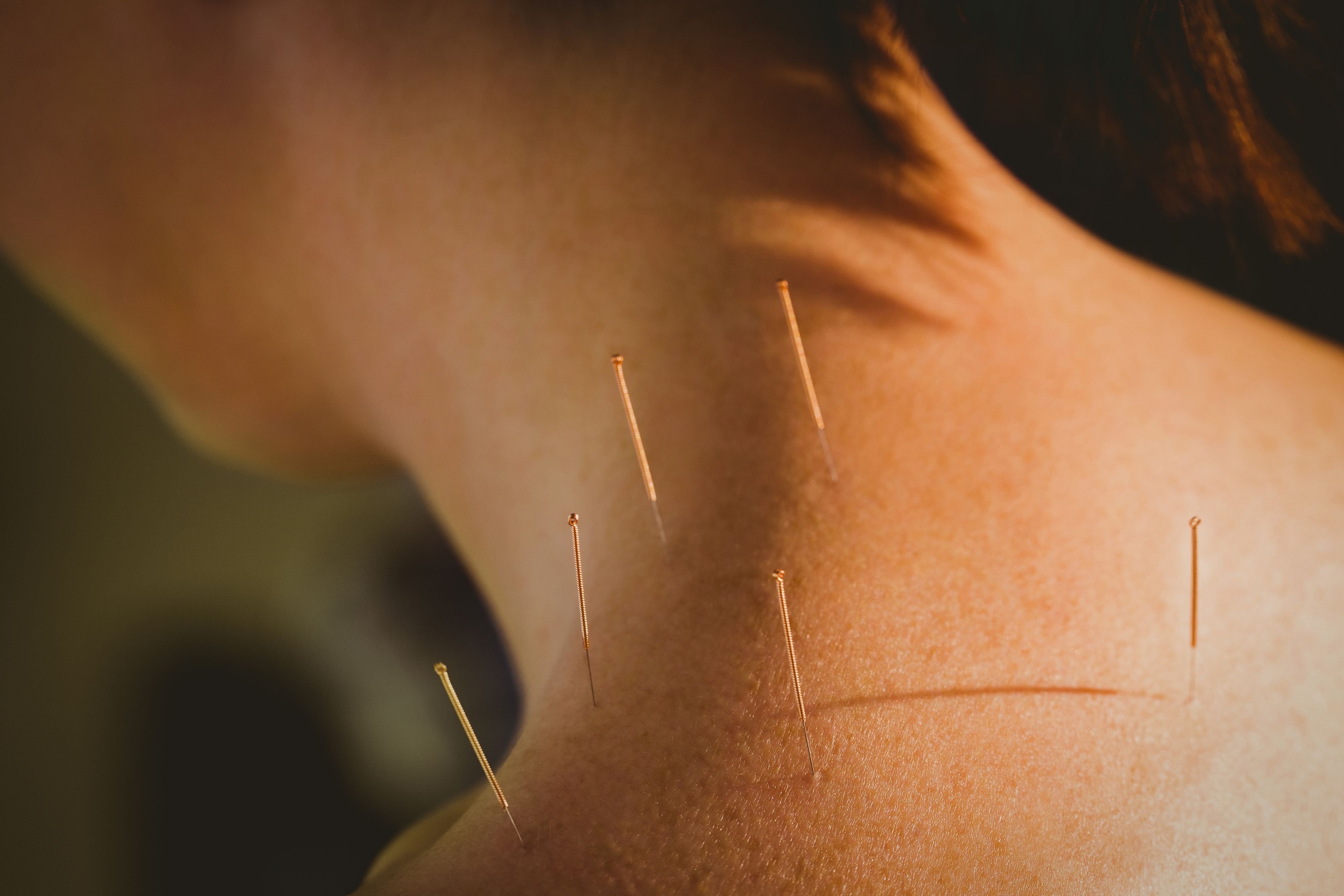
  • Acupuncture: an optional adjunct for pain; NICE does not recommend it for osteoarthritis, so we are clear about that. Traditional acupuncture £80.
  • Fitness and nutrition with InBody: weight and muscle tracking when reducing load on the knee is part of the plan. InBody scans £50.

Physiotherapy at Omnia is recognised by AXA Health, Aviva, WPA and Vitality, and you can see every price on our fees page.

What does the evidence say?

Strengthening the quadriceps and hip muscles consistently reduces knee pain and improves function. Each kilogram of body weight lost reduces load through the knee several times over when walking. Evidence for photobiomodulation in knee osteoarthritis is growing but not yet in UK guidelines.

Why does my knee hurt on the stairs?

Stairs load the knee far more than walking on the flat. Pain at the front of the knee going down stairs is typical of patellofemoral pain, where the kneecap joint is irritated, often because the thigh and hip muscles are not controlling the load well. Pain climbing stairs is common in knee osteoarthritis. Both usually improve with strengthening, and in the meantime taking stairs one step at a time helps.

Should I rest or exercise a painful knee?

For most knee pain, complete rest makes things worse, because muscles weaken and the joint stiffens. The better approach is to reduce the activities that clearly aggravate it, such as running or deep squatting, while keeping up exercise that feels comfortable, such as cycling, swimming or walking on the flat. Short-term rest makes sense after a new injury with significant swelling.

What does knee swelling mean?

Swelling that appears within an hour or two of an injury can mean bleeding inside the joint, which may point to a ligament tear and needs assessment. Swelling that builds up slowly over a day, or after activity, is more typical of a meniscus problem or osteoarthritis. A hot, red, swollen knee with fever needs same-day medical care.

What to expect at Omnia

Your physiotherapist asks how the pain started and what you want to get back to, then examines the knee, hip and foot and watches you walk, squat and step. You leave with a clear explanation and a starting strength programme. Where it helps, we add red light therapy or, if weight is a factor, an InBody scan and nutrition support. If an injury needs a scan or orthopaedic opinion, we refer back to your GP.

What you can do at home

  • Keep active with low-impact exercise such as cycling, swimming or walking
  • Follow our knee pain exercises guide
  • Increase running or sport gradually, by no more than about 10 percent a week
  • Use ice for 15 minutes after a flare if it helps

When to see a doctor urgently

Seek urgent care if the knee is hot, red and swollen with fever, cannot bear weight after an injury, locks and will not straighten, or if the calf becomes swollen and painful.

If your knee hurts mostly when you bend, squat or kneel, see knee pain when bending.

See our guide to knee pain in women.

Knee pain is assessed and treated at Omnia Lifestyle, 8 to 9 Bedford Corner, The Avenue, Chiswick W4 1LZ, close to Turnham Green station, on bus routes 94, E3 and 272. Limited parking is available on request when booking. Book online or call 020 4515 0000.

Related Therapies & Services

Questions we are asked

Knee Pain: your questions answered

What causes knee pain?

Common causes include osteoarthritis, kneecap pain from muscle imbalance, ligament and meniscus injuries, tendon problems such as jumper's knee, and bursitis. The cause depends on your age, activity and how the pain started, which is why assessment comes first.

Why is my knee clicking and painful?

Clicking without pain is usually harmless. Clicking with pain, swelling, catching or giving way can point to a meniscus tear, cartilage wear or kneecap tracking problems, and is worth having assessed by a physiotherapist.

What causes knee pain in women?

Women are more likely to develop kneecap pain because of hip and knee alignment, and osteoarthritis becomes more common after the menopause. Strength training for the hips and thighs is one of the most effective treatments for both.

How is knee pain treated?

Most knee pain responds to a structured exercise programme that strengthens the thigh and hip muscles, with weight management where relevant. Physiotherapy and red light therapy can reduce pain while strength builds. Surgery is needed only in a minority of cases.

When should I get knee pain checked urgently?

Seek urgent care if your knee is hot, red and swollen with a fever, if you cannot bear weight after an injury, if the knee locks and will not straighten, or if it looks deformed. Otherwise book a physiotherapy assessment at our Chiswick clinic.

Thank you, we have your notes.

A member of our team will be in touch to arrange your call. If anything is urgent, please call 020 4515 0000.

An error has occurred somewhere and it is not possible to submit the form. Please try again later.

Book online

To book an appointment straight away you can use our book now button

Message us on WhatsApp