Close

Part of ourMusculoskeletal (MSK) conditionscare

Sprains & Strains: what it is and how we help

Sprains and strains are overstretched ligaments or muscles, the most common acute soft-tissue injuries. At Omnia Lifestyle in Chiswick we treat them with physiotherapy, manual therapy and red light therapy, combined after assessment to speed recovery and prevent recurrence.

Omnia Lifestyle, 8 to 9 Bedford Corner, The Avenue, Chiswick W4 1LZ. Two minutes from Turnham Green station. Call 020 4515 0000.

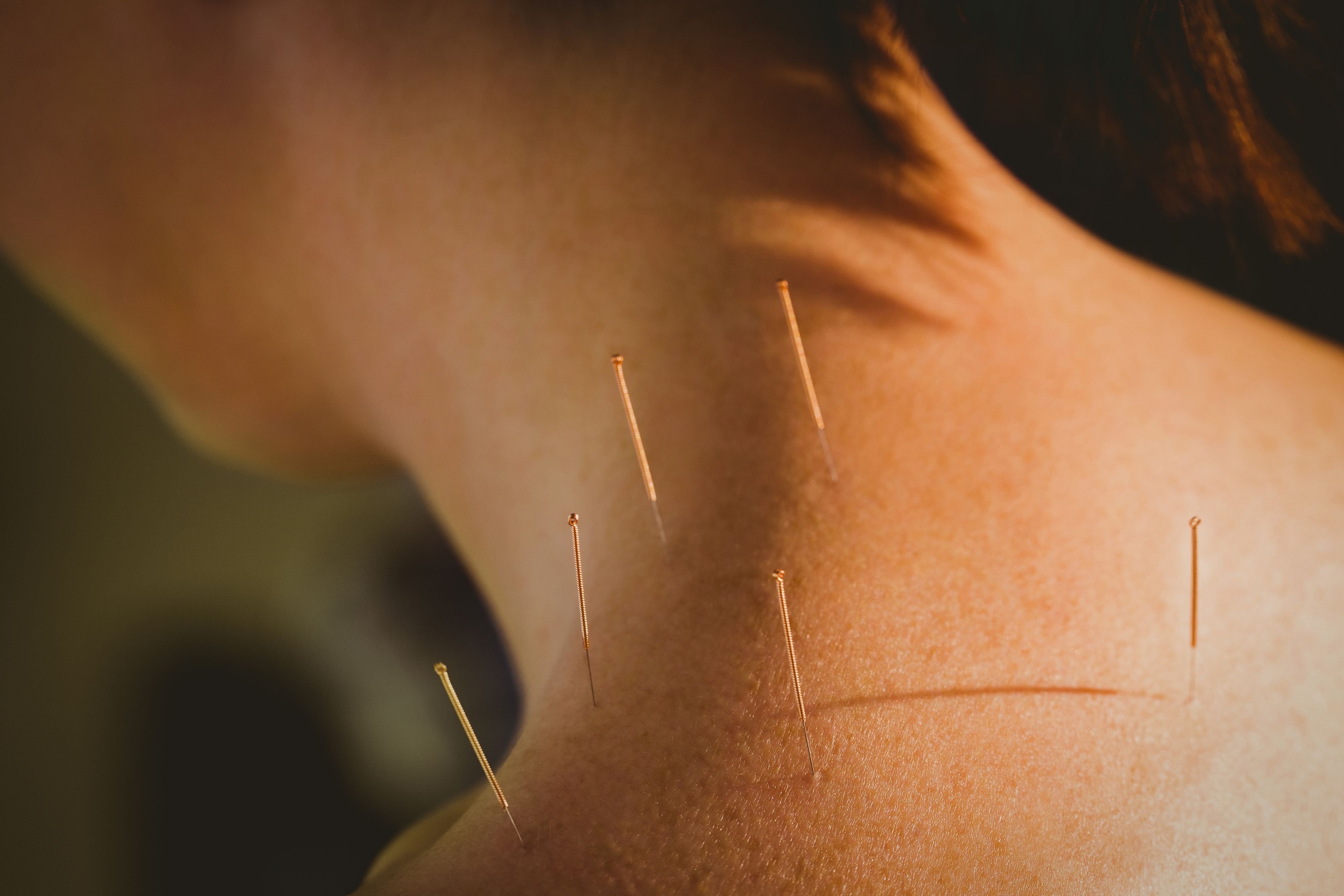
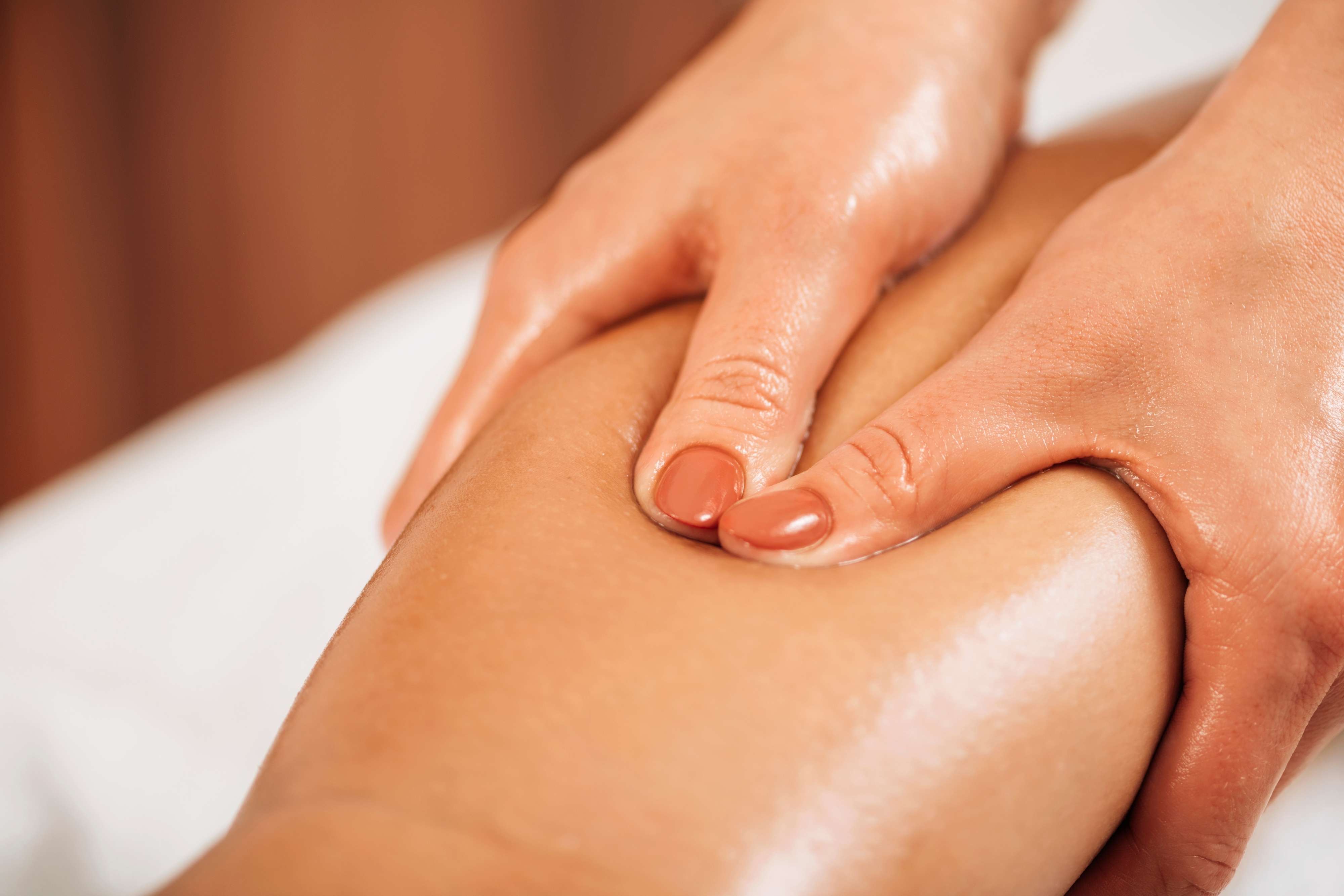
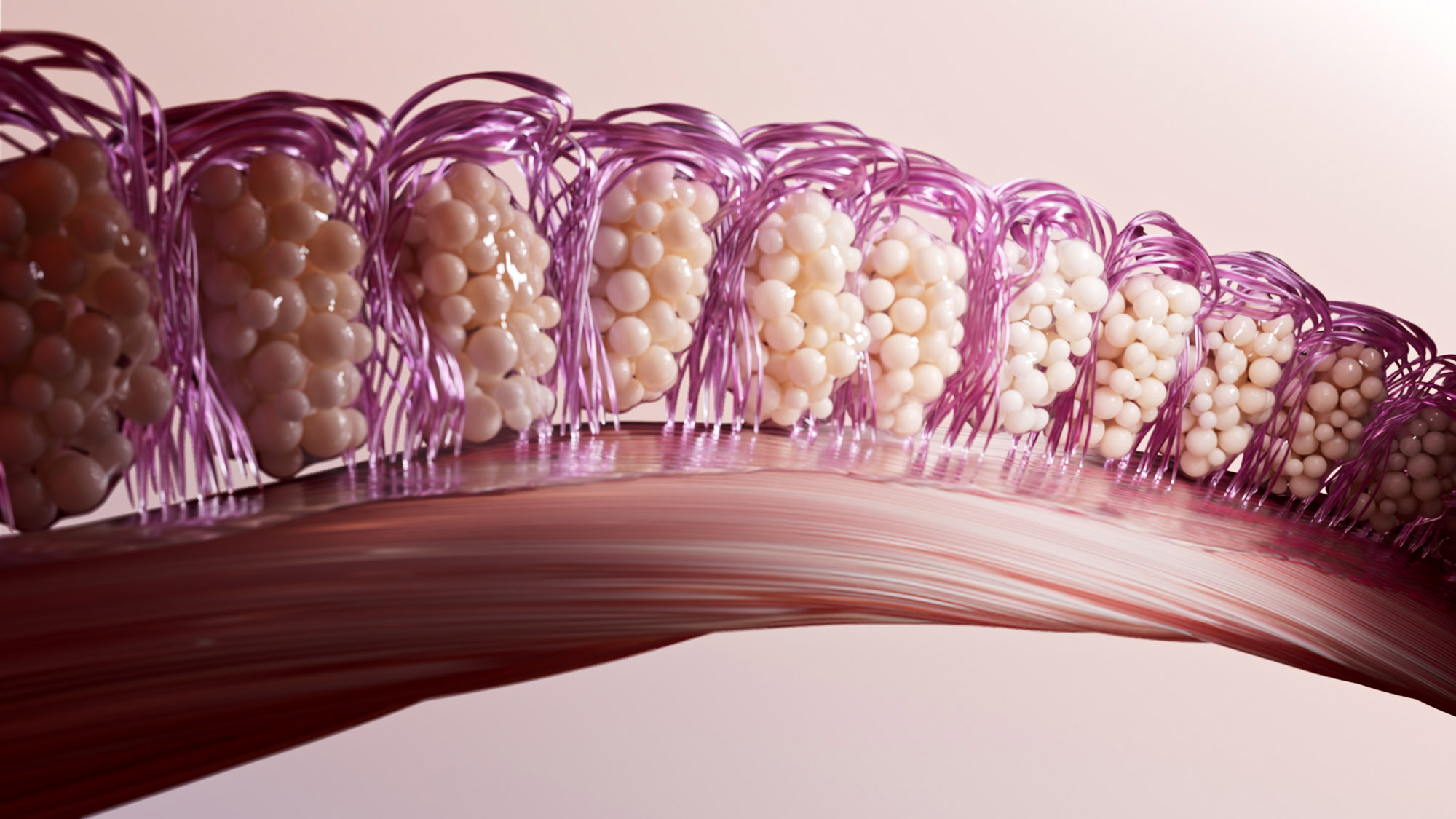
Illustration of sprains & strains, treated at Omnia Lifestyle clinic in Chiswick, West London

Sprains and strains at a glance

A sprain is an injury to a ligament, the tissue that connects bones at a joint, most often at the ankle, knee or wrist. A strain is an injury to a muscle or tendon, common in the hamstring, calf, groin and back. Most mild sprains and strains improve within two to six weeks, but proper rehabilitation matters, because a poorly rehabilitated ankle sprain is the biggest risk factor for another one.

Symptoms

  • Pain, swelling and bruising around the injured area
  • Difficulty putting weight through the joint or using the muscle
  • Muscle spasm or cramping
  • A feeling of weakness or the joint giving way

How are sprains and strains graded?

  • Grade 1: overstretching with minor damage; recovery in days to two weeks.
  • Grade 2: a partial tear; recovery in three to six weeks.
  • Grade 3: a complete tear; may need specialist assessment and a longer recovery.

How are they treated?

In the first 48 to 72 hours, protect the area, use ice, and keep moving gently within pain limits. After that, progressive exercise restores strength, flexibility and balance. Most people do not need a scan.

How we help in Chiswick

What does the evidence say?

Early, supervised exercise speeds recovery from ankle sprains compared with immobilisation. Balance training reduces the risk of re-injury by up to half.

Sprain or fracture?

They can look similar. A fracture is more likely if you cannot take four steps on the injured leg, have pain directly over the bone, notice a deformity or heard a crack at the time of injury. If in doubt, an urgent treatment centre or A&E can X-ray it. Many ankle injuries are sprains and do not need an X-ray.

What is PEACE and LOVE?

Modern advice for soft tissue injuries is often summarised as PEACE and LOVE. In the first days, protect the area, elevate it, check with a pharmacist before using anti-inflammatory medicines, use compression and learn about the injury. After that, load it gradually, stay positive, keep up cardiovascular exercise and follow a rehabilitation programme.

Why do ankle sprains keep happening?

After a sprain, the ligaments and the nerve signals that control balance take time to recover. Without balance and strength training, the ankle may feel unstable and roll again. Single-leg balance work, calf and hip strengthening, and a gradual return to sport greatly reduce repeat sprains.

What to expect at Omnia

Your physiotherapist checks the injured joint, grades the sprain or strain and looks for signs that need an X-ray. You receive clear advice for the first few days and a staged plan to restore movement, strength and balance, with manual therapy and red light therapy where they help. We set milestones so you know when it is safe to return to sport.

What you can do at home

  • Ice for 15 to 20 minutes every two to three hours in the first days
  • Raise the limb to reduce swelling
  • Start gentle movement as soon as pain allows
  • Avoid heat, alcohol and massage in the first 48 hours

Not sure whether your ankle needs checking? See our guide to when to worry about a sprained ankle.

For heel pain, see our guide to plantar fasciitis exercises.

Related: sports injuries and muscle pain. Omnia Lifestyle, Chiswick W4. Book online or call 020 4515 0000.

For other common causes of ankle pain, read our guide.

Related Therapies & Services

Questions we are asked

Sprains & Strains: your questions answered

How long does a sprain take to heal?

Mild sprains and strains usually improve within two weeks, while more severe ones can take six to eight weeks or longer. Gradual, guided loading heals tissue better than prolonged rest, and a physiotherapist can tell you how hard to push at each stage.

When should I worry about a sprained ankle?

Get an X-ray at a minor injuries unit or A&E if you cannot put weight on the foot or walk four steps, if there is tenderness over the ankle or foot bones, or the ankle looks deformed. These can be signs of a fracture rather than a sprain.

How should I treat a sprain in the first few days?

Protect the joint, keep it raised when you can and use ice wrapped in a cloth for 20 minutes every few hours. Start gentle movement as pain allows. Avoid heat, alcohol and hard massage for the first two to three days, as they can increase swelling.

Can I walk on a sprained ankle?

If you can walk with manageable pain, gentle walking usually helps healing after the first day or two. If you cannot bear weight at all, have it checked for a fracture first. A physiotherapist can guide you back to running and sport safely.

How can physiotherapy help sprains and strains in Chiswick?

Physiotherapy at Omnia assesses the injury, restores movement and rebuilds strength and balance to reduce the risk of the same sprain happening again. Sports massage, red light therapy and compression can support recovery. Book online at our W4 clinic.

Thank you, we have your notes.

A member of our team will be in touch to arrange your call. If anything is urgent, please call 020 4515 0000.

An error has occurred somewhere and it is not possible to submit the form. Please try again later.

Book online

To book an appointment straight away you can use our book now button

Message us on WhatsApp