Close

Part of ourMusculoskeletal (MSK) conditionscare

Arthritis: what it is and how we help

Arthritis is inflammation of the joints causing pain, stiffness and swelling, in many forms from osteoarthritis to rheumatoid. At Omnia Lifestyle in Chiswick we support it with physiotherapy, red light therapy and gentle movement such as tai chi and yoga, combined after assessment.

Omnia Lifestyle, 8 to 9 Bedford Corner, The Avenue, Chiswick W4 1LZ. Two minutes from Turnham Green station. Call 020 4515 0000.
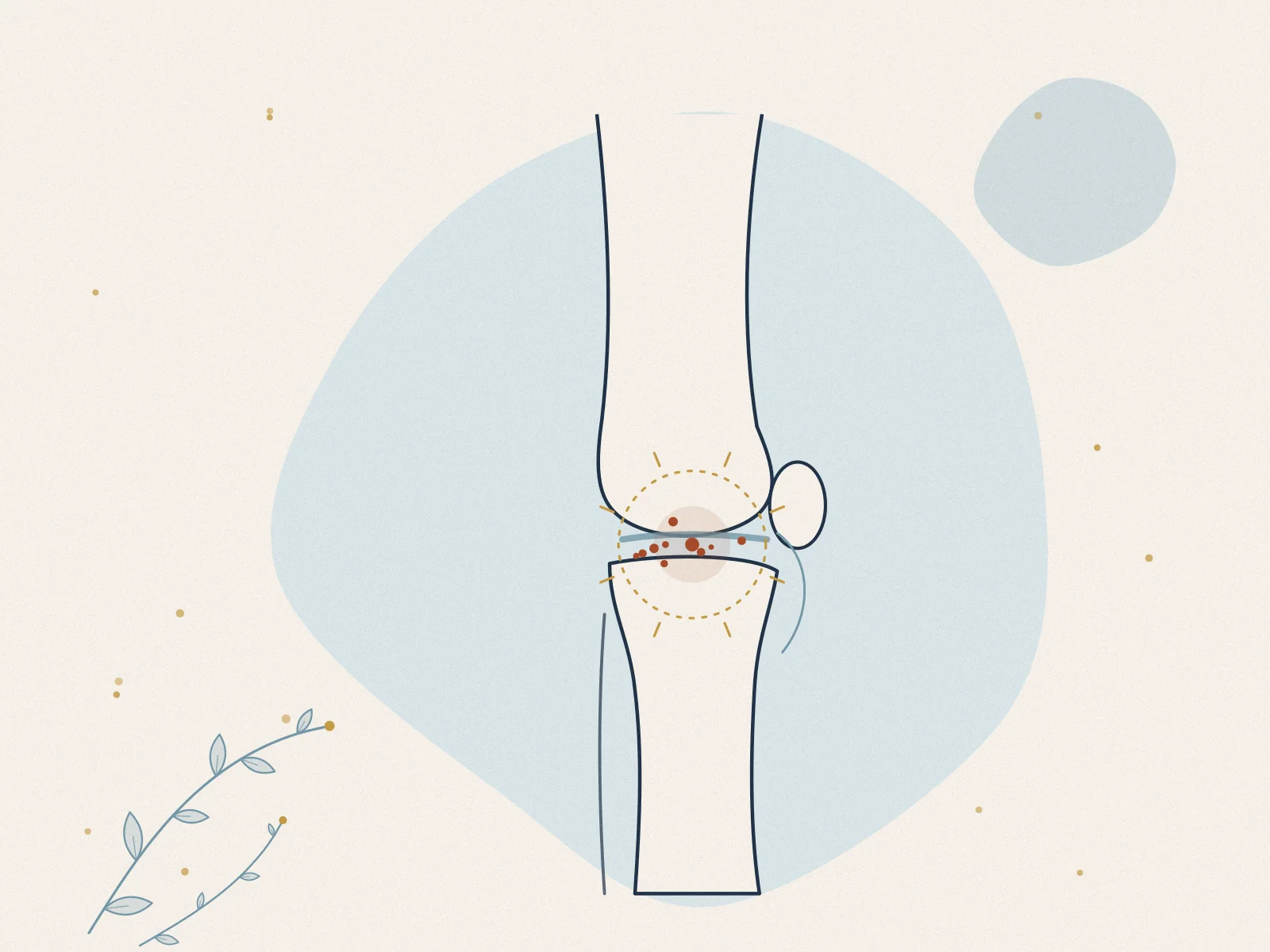
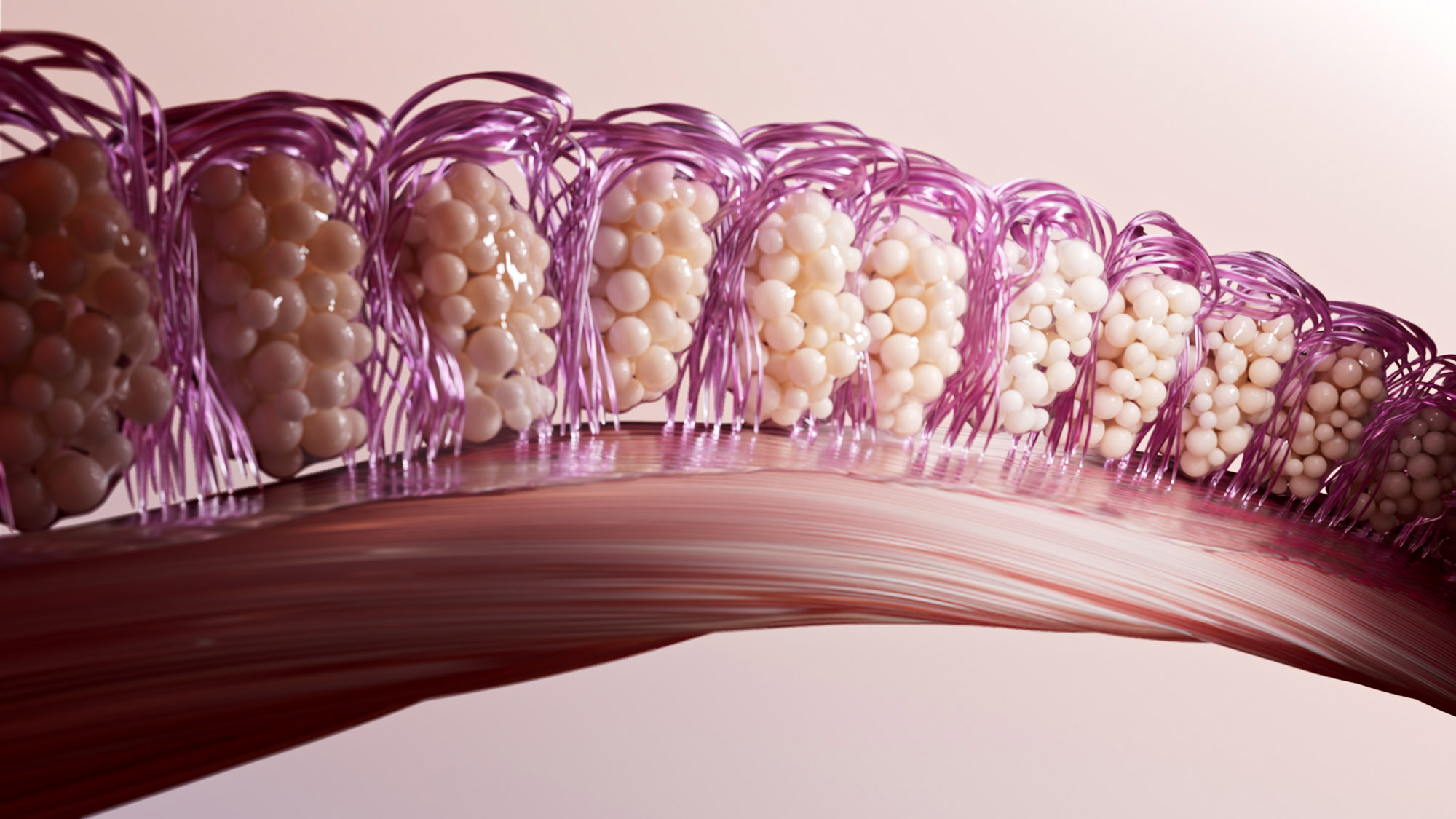
Illustration of arthritis, treated at Omnia Lifestyle clinic in Chiswick, West London

Arthritis at a glance

Arthritis is an umbrella term for more than 100 conditions that cause joint pain and inflammation. It affects around ten million people in the UK. The two most common types are osteoarthritis, where the joint tissues change over time, and rheumatoid arthritis, an autoimmune disease in which the immune system attacks the joint lining. They are treated very differently, so getting the right diagnosis matters.

Types of arthritis

  • Osteoarthritis: the most common type, affecting knees, hips, hands and spine.
  • Rheumatoid arthritis: an autoimmune condition, often affecting both hands and feet.
  • Psoriatic arthritis: linked to the skin condition psoriasis.
  • Gout: sudden, very painful attacks caused by uric acid crystals.
  • Ankylosing spondylitis: inflammation mainly of the spine, often starting in young adults.

Symptoms of arthritis

  • Joint pain, tenderness and stiffness
  • Swelling and warmth around joints
  • Reduced range of movement
  • Fatigue, especially with inflammatory types

What causes arthritis?

Each type has different drivers, and in many people several factors combine. Osteoarthritis is linked to age, previous joint injury, excess body weight, weak muscles around the joint and genetics. Rheumatoid and psoriatic arthritis happen when the immune system mistakenly attacks the joint lining, and smoking and family history increase the risk. Gout is caused by uric acid building up and forming crystals, often linked to diet, alcohol, kidney function and some medicines. Arthritis can also follow a joint infection or a significant injury.

What does arthritis feel like?

Osteoarthritis usually causes pain that is worse with use and towards the end of the day, with stiffness after rest that eases within about 30 minutes. Inflammatory arthritis tends to cause warm, swollen joints, often on both sides of the body, with morning stiffness lasting more than an hour and general tiredness. Gout causes sudden, intense pain with a red, hot joint, often the big toe. The pattern of symptoms helps your doctor tell the types apart.

Is arthritis hereditary?

Partly. Genes affect the risk of several types, including osteoarthritis of the hands and knees, rheumatoid arthritis, psoriatic arthritis, ankylosing spondylitis and gout. Having a parent with arthritis does not mean you will develop it, because weight, activity, injury and smoking also matter. If arthritis runs in your family, staying active, keeping your muscles strong and seeing your GP early about joint swelling are the most useful steps.

How is arthritis treated?

Osteoarthritis is managed mainly with exercise, weight management and pain relief. Inflammatory arthritis needs early treatment from a rheumatologist with disease-modifying medication, which protects joints from damage. Physiotherapy and activity help every type.

How we help in Chiswick

  • Physiotherapy: exercise programmes for strength, mobility and joint protection.
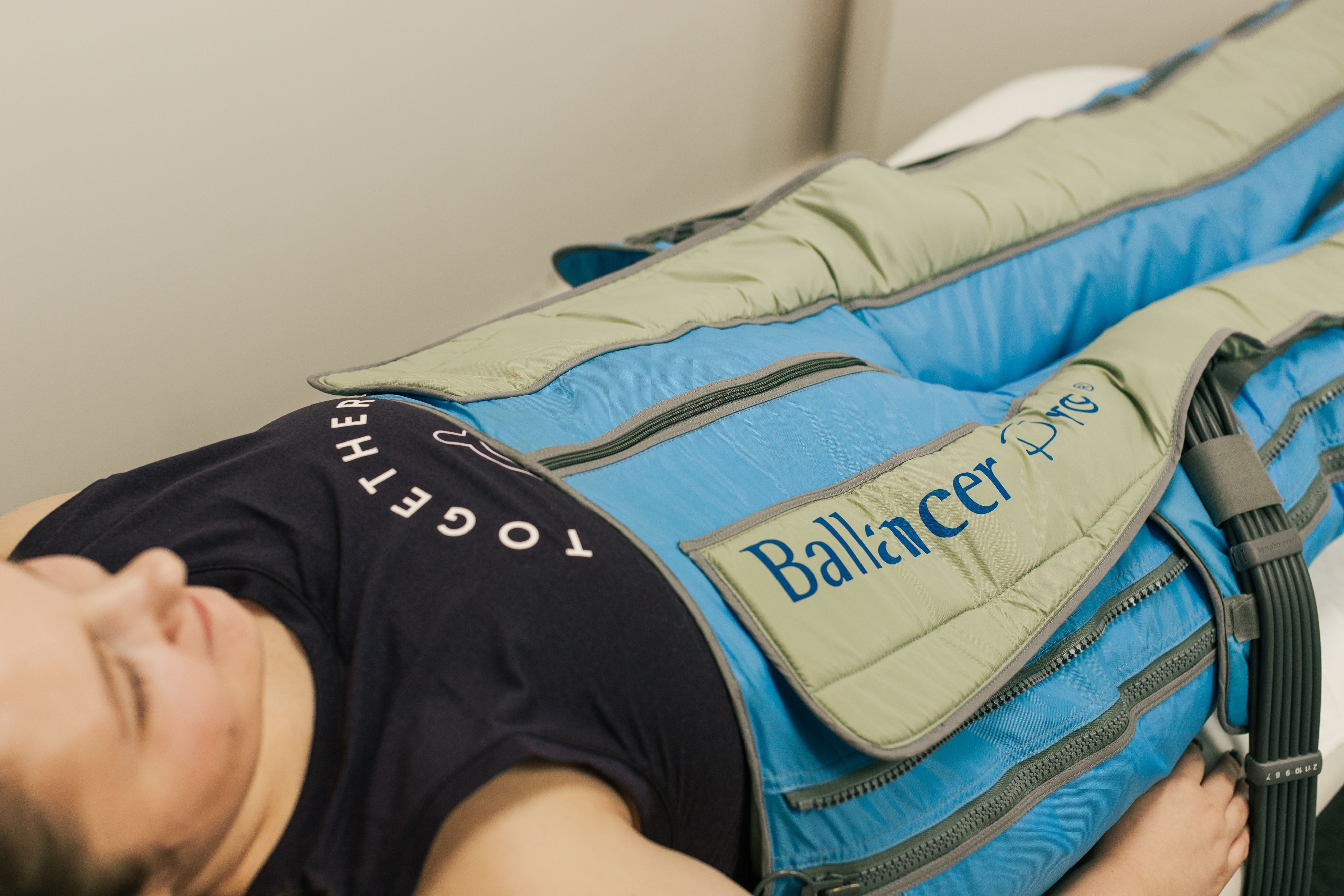
  • Red light therapy: photobiomodulation with trial evidence for osteoarthritis pain.
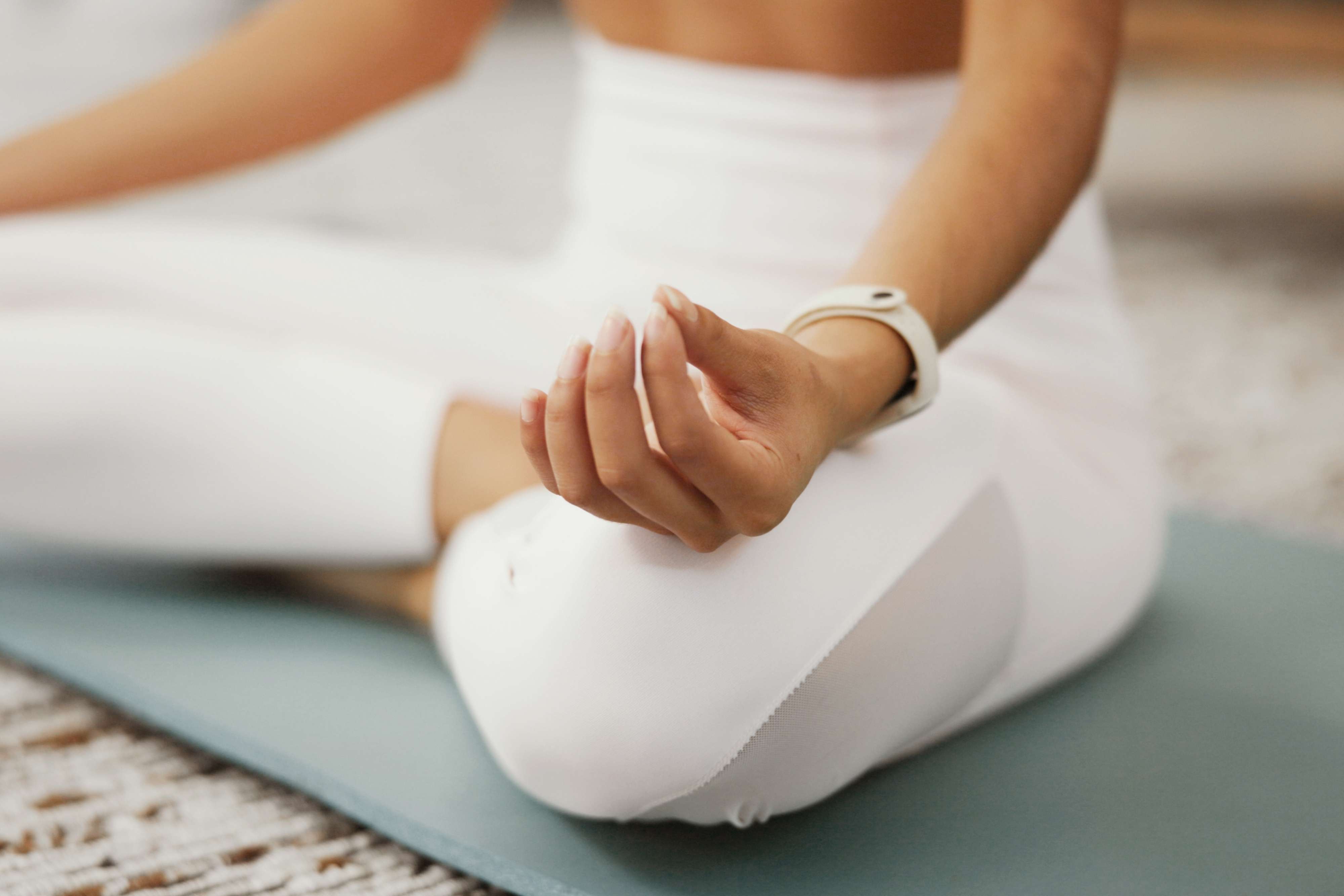
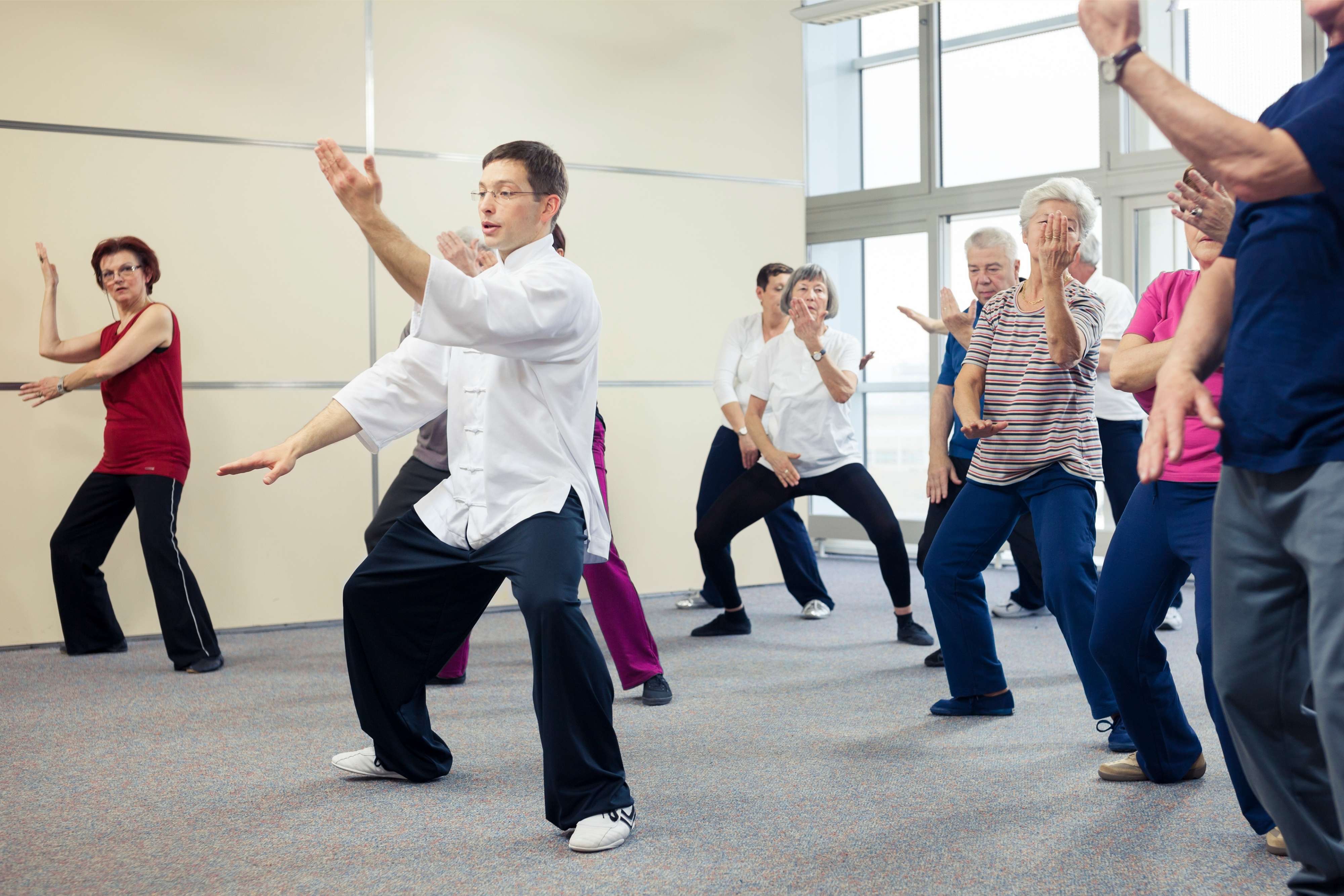
  • Tai chi and yoga: gentle movement with evidence for arthritis pain and function.
  • Ayurveda: diet and lifestyle support, working alongside your rheumatology care.
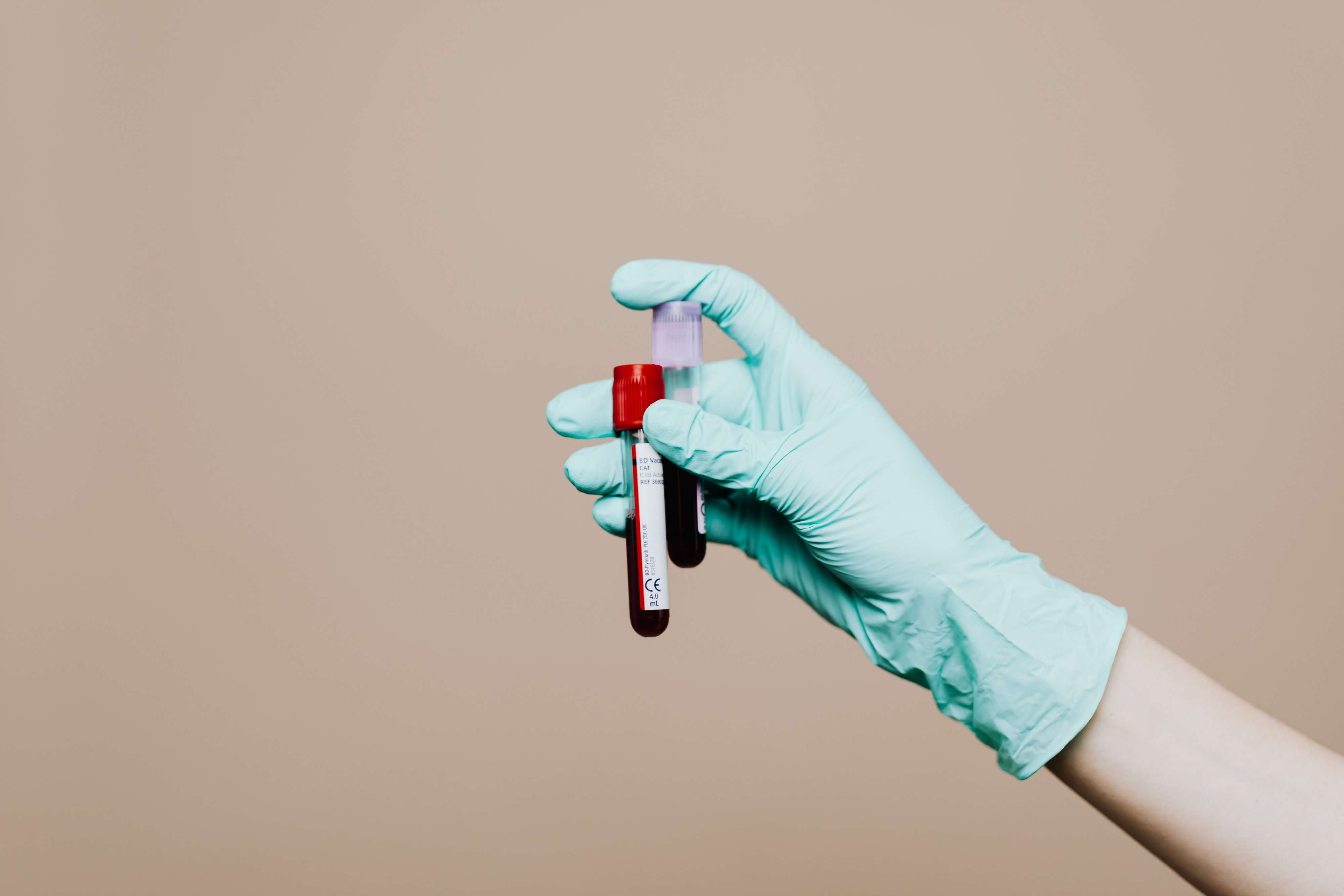
  • Blood tests: inflammation markers and uric acid.

What does the evidence say?

Exercise reduces pain and improves function in both osteoarthritis and rheumatoid arthritis. Early disease-modifying treatment has transformed outcomes in rheumatoid arthritis. Tai chi has good evidence for knee osteoarthritis.

What to expect at Omnia

Your first appointment covers which joints are affected, how long stiffness lasts, what you find hard day to day and any diagnosis you already have. Your physiotherapist assesses strength, movement and walking, and we arrange blood tests if inflammation or gout has not yet been ruled out. You leave with a starting exercise plan and advice on pacing, and we add tai chi, red light therapy or manual therapy where they help with comfort. With your permission, we share progress with your GP or rheumatologist.

What you can do at home

  • Stay active and pace your day
  • Do strengthening exercises two or three times a week
  • Keep a healthy weight to reduce joint load
  • Stop smoking, which worsens rheumatoid arthritis

For a closer look, see what arthritis feels like, the 4 stages of osteoarthritis and whether arthritis is hereditary.

Omnia Lifestyle, 8 to 9 Bedford Corner, Chiswick W4. Book online or call 020 4515 0000.

Related Therapies & Services

Questions we are asked

Arthritis: your questions answered

What is arthritis?

Arthritis is a general term for conditions that cause pain and inflammation in the joints. The most common types in the UK are osteoarthritis, rheumatoid arthritis and gout, and each needs a different approach, so the type matters.

What does arthritis feel like?

Arthritis usually causes joint pain, stiffness, reduced movement and sometimes swelling or warmth. Stiffness after rest is typical. Morning stiffness lasting more than 30 minutes, or swelling in several joints, suggests an inflammatory type that needs a GP review.

Is arthritis hereditary?

Genes play a part in several types, including osteoarthritis of the hands, rheumatoid arthritis and gout, but lifestyle, weight, injury and age matter too. A family history is a reason to stay active and see a doctor early if symptoms start.

What helps arthritis pain?

Regular exercise, strengthening the muscles around the joint, a healthy weight, pacing and heat for stiffness help most people. Medication is important for inflammatory arthritis. Physiotherapy, gentle movement such as tai chi and red light therapy can support daily comfort.

How does Omnia help people with arthritis in Chiswick?

We assess the joints affected, arrange blood tests where inflammation or gout is suspected, and build a plan around physiotherapy and guided exercise, with tai chi, red light therapy and manual therapy for comfort. We work alongside your GP or rheumatologist.

Thank you, we have your notes.

A member of our team will be in touch to arrange your call. If anything is urgent, please call 020 4515 0000.

An error has occurred somewhere and it is not possible to submit the form. Please try again later.

Book online

To book an appointment straight away you can use our book now button

Message us on WhatsApp