Close

Part of ourMusculoskeletal (MSK) conditionscare

Gout: what it is and how we help

Gout is sudden, intensely painful joint inflammation caused by urate crystal build-up, classically in the big toe. At Omnia Lifestyle in Chiswick we support it with blood tests, nutrition coaching and physiotherapy, combined after assessment and alongside GP care.

Omnia Lifestyle, 8 to 9 Bedford Corner, The Avenue, Chiswick W4 1LZ. Two minutes from Turnham Green station. Call 020 4515 0000.
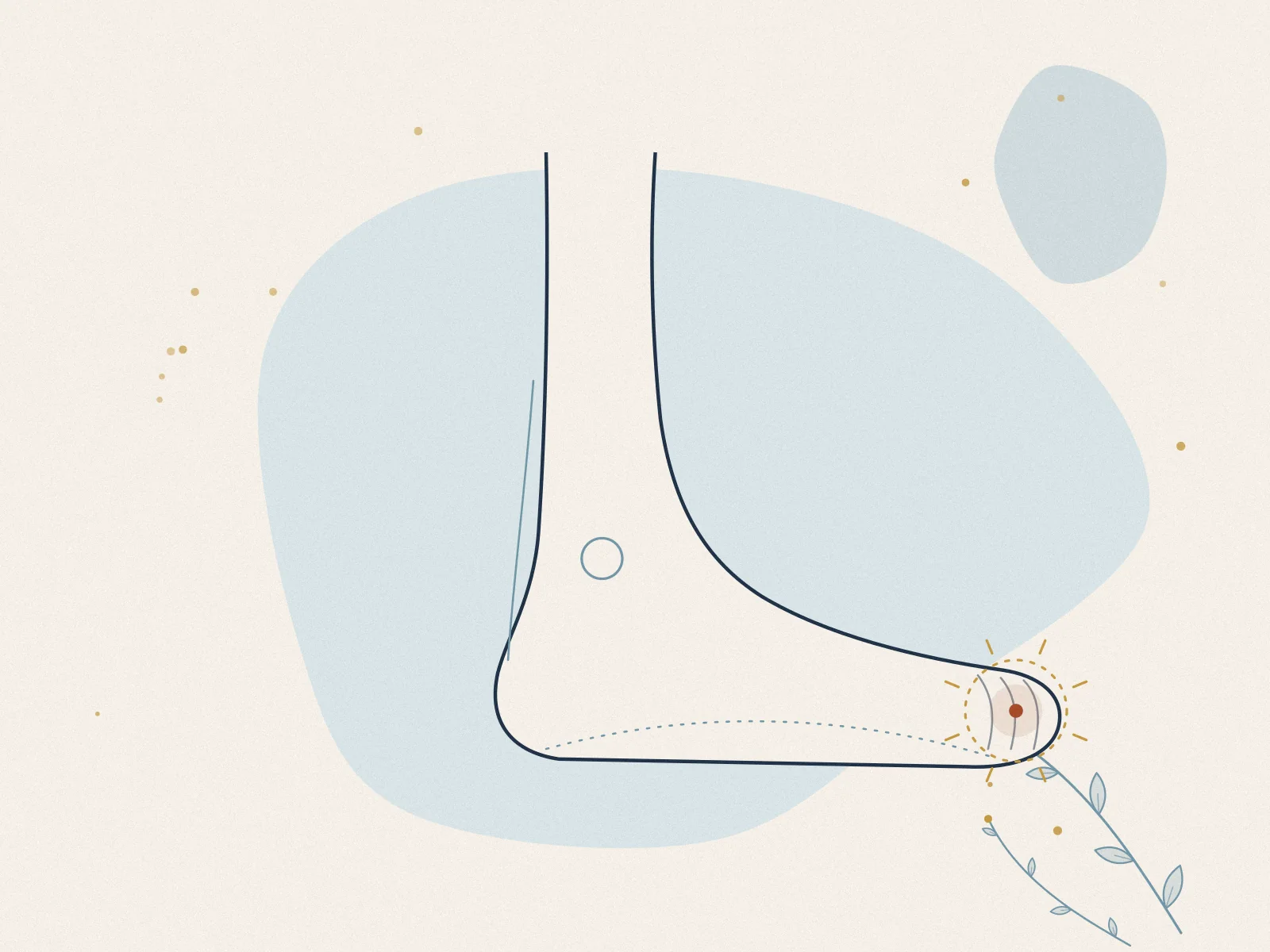
Illustration of gout, treated at Omnia Lifestyle clinic in Chiswick, West London

Gout at a glance

Gout is a type of inflammatory arthritis caused by a build-up of uric acid, which forms sharp crystals in a joint. It causes sudden attacks of severe pain, swelling and redness, most often in the big toe, but also the ankle, knee, wrist or fingers. Attacks usually settle within a week or two, and long-term treatment can prevent them.

Symptoms of gout

  • Sudden, severe pain in a joint, often starting at night
  • Hot, red, shiny skin over the joint
  • Swelling so tender that even a bed sheet hurts
  • Attacks that come and go

What causes gout?

High uric acid levels, from producing too much or clearing too little. Risk factors include being male, excess weight, high blood pressure, kidney problems, some medications such as diuretics, alcohol (especially beer), sugary drinks, and red meat and seafood.

How is gout treated?

Your GP can treat attacks with anti-inflammatory medication, colchicine or steroids. If attacks recur, long-term urate-lowering treatment such as allopurinol is recommended to dissolve crystals and prevent damage.

How we help in Chiswick

  • Blood tests: uric acid, kidney function and cholesterol.
  • Fitness and nutrition: gradual weight loss and eating patterns that lower uric acid.
  • InBody scan: body composition tracking during weight management.
  • Physiotherapy: restoring movement and strength after attacks.
  • Ayurveda: diet and routine support alongside medical treatment.

What does the evidence say?

Urate-lowering medication is the most effective way to prevent gout. Weight loss, cutting sugary drinks and alcohol, and staying hydrated also lower uric acid. Crash diets can trigger attacks, so weight loss should be gradual.

What foods trigger gout?

Foods high in purines raise uric acid in some people. The most common triggers are beer and spirits, sugary drinks sweetened with fructose, red meat, offal such as liver and kidneys, and some seafood, including anchovies, sardines, mussels and prawns. You do not need a very strict diet: most of the benefit comes from cutting sugary drinks and beer, keeping portions of meat and seafood moderate, and losing weight gradually if needed. Low-fat dairy, vegetables, wholegrains and plenty of water are good choices, and some studies link cherries and coffee to fewer attacks.

How long does a gout attack last?

Most attacks peak within 24 hours and settle within three to ten days, faster if treatment starts early. Without long-term treatment, attacks tend to become more frequent and can affect more joints. Over years, crystals can build up into lumps called tophi and damage joints, which is why urate-lowering treatment matters if attacks recur.

Can women get gout?

Yes. Gout is less common in women before the menopause because oestrogen helps the kidneys clear uric acid, but the risk rises after the menopause. Diuretic medicines, kidney problems and weight gain increase the risk for everyone.

What to expect at Omnia

An acute attack needs your GP. Between attacks, your first visit includes a review of your history, a uric acid and kidney blood test if you have not had one recently, and an InBody scan. We then agree a gradual plan for diet, weight and activity, with physiotherapy if a joint has become stiff, and check your progress every few weeks.

What you can do at home

  • Rest and raise the joint during an attack; use an ice pack wrapped in a towel
  • Drink plenty of water
  • Limit beer, spirits and sugary drinks
  • Reduce red meat, offal and shellfish

For triggers, risk factors and prevention, see our guide to what causes gout. For the symptoms of an attack, see what gout feels like, and for treatment options, how to treat gout.

Omnia Lifestyle, Chiswick W4, two minutes from Turnham Green. Book online or call 020 4515 0000.

Related Therapies & Services

Questions we are asked

Gout: your questions answered

What is gout?

Gout is a type of inflammatory arthritis caused by a build-up of uric acid crystals in a joint. It causes sudden attacks of severe pain, swelling, heat and redness, most often in the big toe.

What causes gout?

Gout happens when uric acid levels in the blood are too high. Risk factors include being overweight, alcohol, sugary drinks, some foods such as red meat and seafood, some medicines, kidney problems and family history.

What does a gout attack feel like?

An attack usually comes on quickly, often at night, with intense pain in one joint that becomes swollen, red, hot and very tender. Even a bedsheet touching it can hurt. Attacks usually settle within one to two weeks.

How is gout treated?

Attacks are treated with anti-inflammatory medicines or colchicine from your GP. If attacks keep happening, long-term medicine such as allopurinol lowers uric acid. Blood tests measure uric acid levels, and diet changes help.

When should I see a doctor about gout?

See your GP if you think you have gout. Seek urgent care for a hot, swollen joint with a fever, as it could be a joint infection. We can support recovery and lifestyle change at Omnia alongside your GP's treatment.

Thank you, we have your notes.

A member of our team will be in touch to arrange your call. If anything is urgent, please call 020 4515 0000.

An error has occurred somewhere and it is not possible to submit the form. Please try again later.

Book online

To book an appointment straight away you can use our book now button

Message us on WhatsApp