Close

Part of ourMusculoskeletal (MSK) conditionscare

Frozen Shoulder: what it is and how we help

Frozen shoulder (adhesive capsulitis) causes deep shoulder pain, often worse at night, and stiffness that limits lifting and reaching behind the back. At Omnia Lifestyle in Chiswick we treat it with physiotherapy (from £99 for a first assessment and treatment), manual therapy and acupuncture, matched to your stage.

Omnia Lifestyle, 8 to 9 Bedford Corner, The Avenue, Chiswick W4 1LZ. Two minutes from Turnham Green station. Call 020 4515 0000.
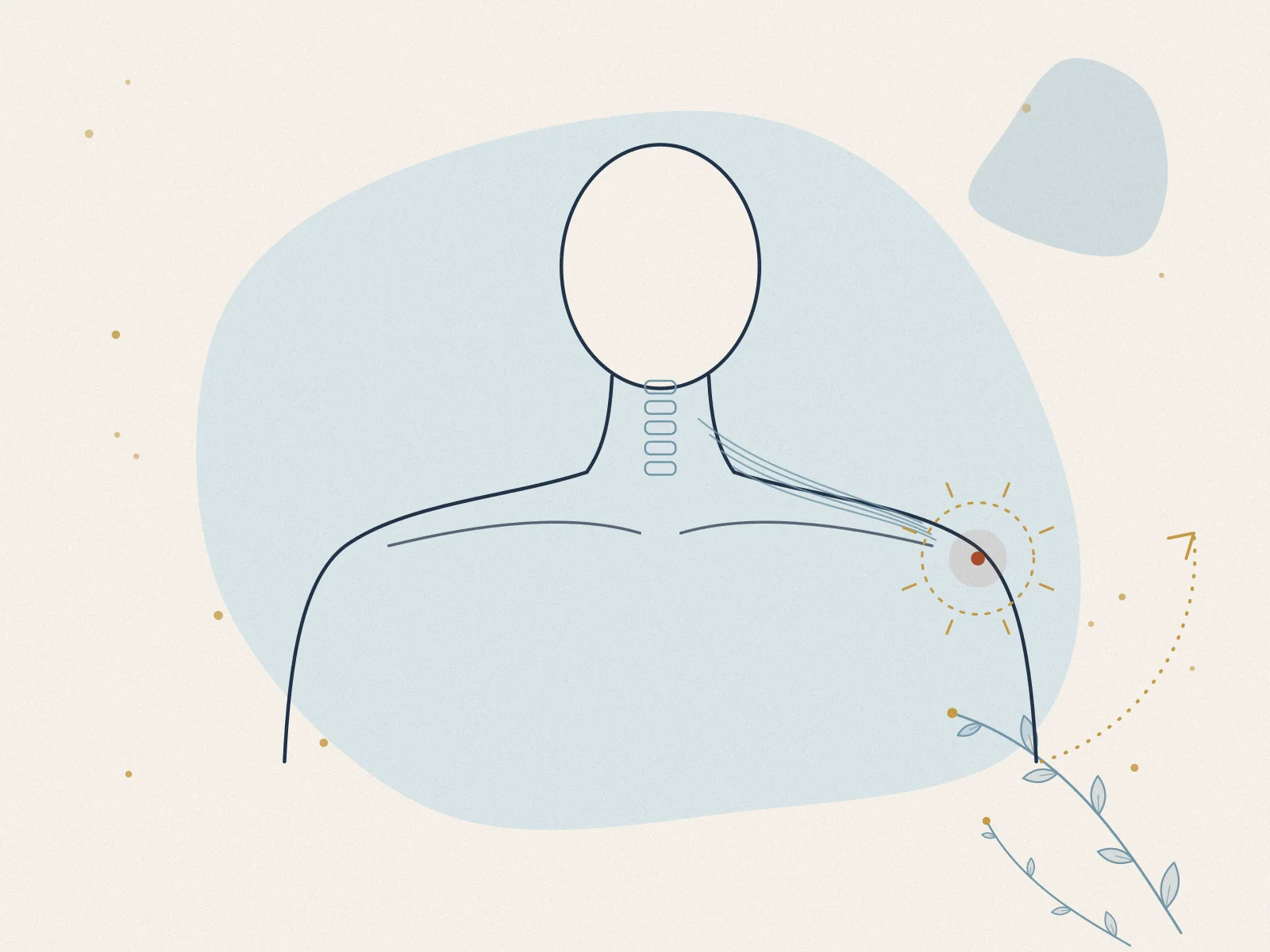
Illustration of frozen shoulder, treated at Omnia Lifestyle clinic in Chiswick, West London

Frozen shoulder at a glance

Frozen shoulder, or adhesive capsulitis, is a condition in which the capsule around the shoulder joint becomes inflamed, thickened and tight. It causes pain and a gradual loss of movement in every direction. It usually gets better on its own, but recovery can take one to three years, and the right treatment at each stage can make that time easier and shorter.

Symptoms of frozen shoulder

  • Deep, aching shoulder pain, often worse at night
  • Difficulty lying on the affected side
  • Loss of movement, especially turning the arm outwards and reaching behind the back
  • Trouble dressing, fastening a bra or reaching a high shelf

The three stages of frozen shoulder

  • Freezing (painful) stage: two to nine months of increasing pain and stiffness.
  • Frozen stage: four to twelve months where pain eases but stiffness remains.
  • Thawing stage: movement gradually returns over months.

Who gets frozen shoulder?

It is most common between 40 and 60, more common in women, and much more common in people with diabetes or thyroid problems. It can follow an injury, surgery or a period of keeping the arm still.

How is frozen shoulder treated?

Treatment depends on the stage. In the painful stage, pain relief, gentle movement and sometimes a steroid injection from a doctor can help. Later, stretching and strengthening restore movement. Hydrodilatation or surgery are options for a small number of people who do not improve.

Frozen shoulder treatment in Chiswick, London

  • Physiotherapy: stage-appropriate exercise, pain-guided in the freezing stage and more active once the pain settles. £99 for the first 70 minute assessment and treatment, follow-ups from £70.
  • Manual therapy: joint mobilisation and soft tissue work around the shoulder and upper back. Sessions from £65.
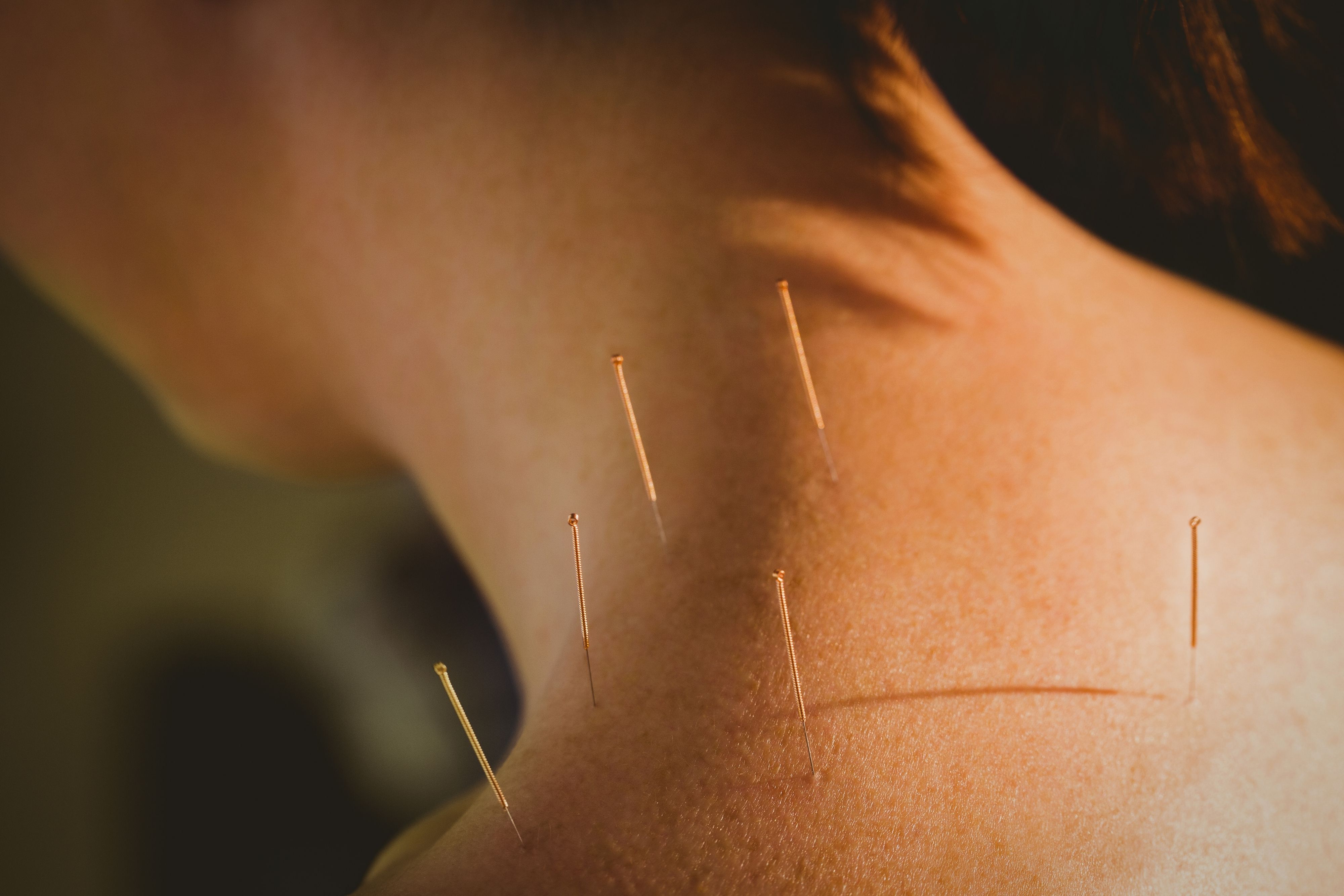
  • Acupuncture: some studies suggest it can reduce pain alongside exercise. Traditional acupuncture £80.
  • Red light therapy: targeted THOR laser for pain relief in the painful stage. THOR laser £80 for 30 minutes.
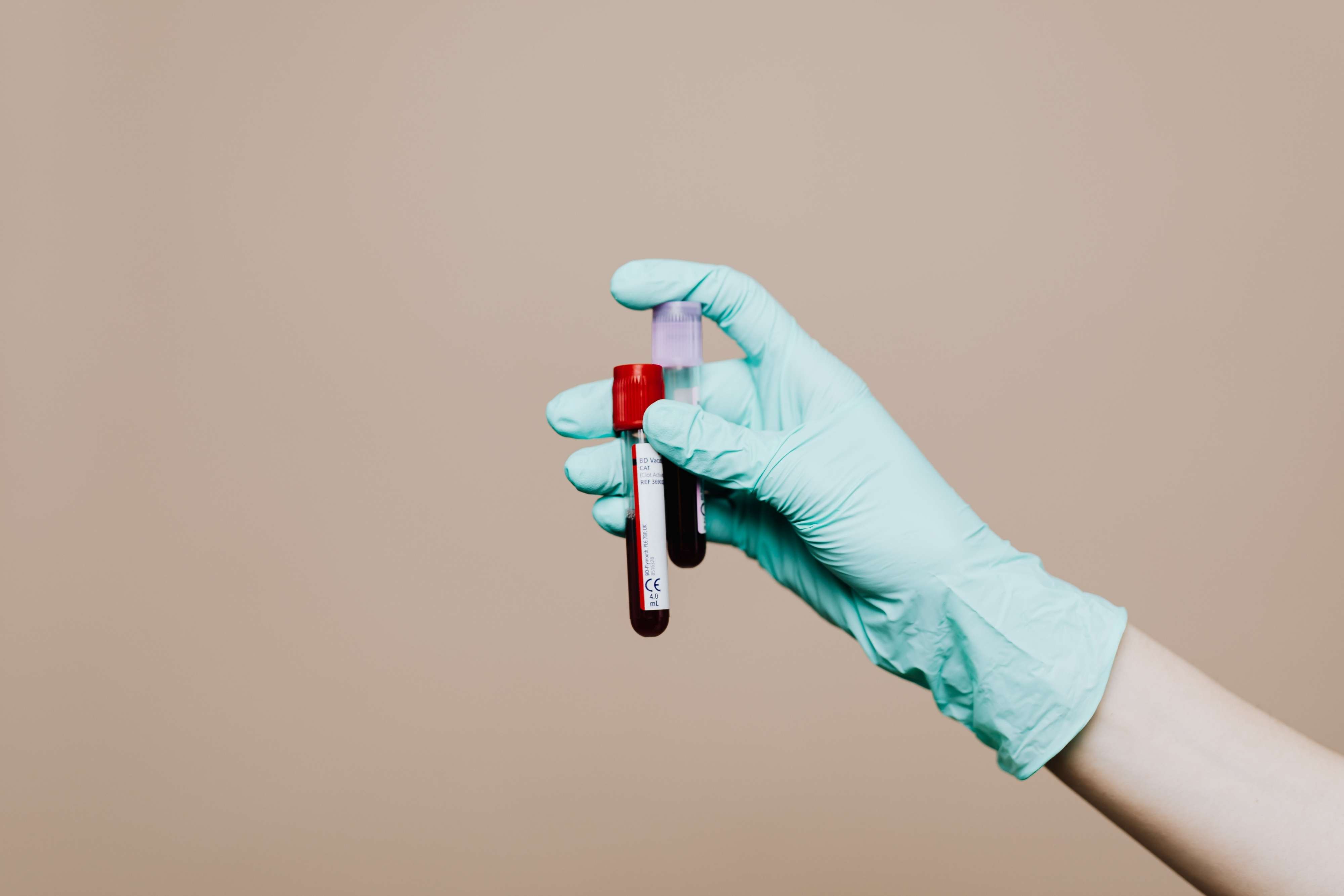
  • Blood tests: checking blood sugar and thyroid function if these have not been tested, for example an HbA1c test (£69) or a thyroid test (£59).

Our guide to acupuncture for shoulder pain explains what the evidence shows for frozen shoulder.

Physiotherapy at Omnia is recognised by AXA Health, Aviva, WPA and Vitality, and you can see every price on our fees page.

Is there a quick cure for frozen shoulder?

There is no instant cure, but the painful stage can be made much easier and recovery can often be shortened. A steroid injection early in the painful stage reduces pain for many people and makes exercise possible. The UK FROST trial compared early structured physiotherapy with a steroid injection, manipulation under anaesthetic and keyhole capsular release, and found similar results at one year, with physiotherapy and injection the least invasive option. Forcing painful stretches too early tends to slow things down rather than speed them up.

How long does a frozen shoulder last?

Most frozen shoulders run their course over one to three years, and many people notice a clear improvement well before that once the painful stage passes. Some are left with a small loss of movement that rarely affects daily life. People with diabetes often have a longer and stiffer course, and a small number develop frozen shoulder in the other arm later.

Frozen shoulder or a rotator cuff problem?

The two are often confused. In frozen shoulder, the arm is stiff even when someone else tries to move it, particularly when turning it outwards. With rotator cuff problems, pain is usually felt on lifting, but the shoulder moves more freely when helped. An X-ray is sometimes used to rule out arthritis, which can look similar.

How to tell if you have a frozen shoulder

The key sign is a shoulder that is stiff in every direction, not just painful. A simple check at home: stand with your elbows tucked into your sides and bent to 90 degrees, then turn both forearms outwards, like opening a book. With frozen shoulder, the affected side turns out much less, even when you use the other hand to help it. Reaching behind your back is usually limited too.

A physiotherapist or GP can usually diagnose frozen shoulder from your symptoms and an examination of how the shoulder moves. If your check suggests a frozen shoulder, a physiotherapy assessment in Chiswick can confirm it and match treatment to your stage.

What to expect at Omnia

Your physiotherapist measures how far the shoulder moves, identifies which stage you are in and checks the neck and upper back. You receive a small set of stage-appropriate exercises and advice for sleep and dressing. Acupuncture or THOR laser can ease night pain, and we let your GP know if a steroid injection may be worth discussing. We re-measure your movement at each review so progress is visible.

What you can do at home

  • Keep the arm moving gently within comfort; avoid forcing painful stretches in the early stage
  • Use pendulum swings and table slides several times a day
  • Sleep with a pillow under the affected arm
  • Follow our frozen shoulder exercises guide for each stage

For what actually speeds recovery at each stage, see our guide on how to cure frozen shoulder quickly.

Related: neck and shoulder pain.

Frozen shoulder is treated at Omnia Lifestyle, 8 to 9 Bedford Corner, The Avenue, Chiswick W4 1LZ, close to Turnham Green station, on bus routes 94, E3 and 272. Limited parking is available on request when booking. Book online or call 020 4515 0000.

Related Therapies & Services

Questions we are asked

Frozen Shoulder: your questions answered

What is frozen shoulder?

Frozen shoulder, or adhesive capsulitis, is a condition where the capsule around the shoulder joint becomes inflamed, thickened and tight. It causes shoulder pain and a gradual, marked loss of movement, particularly when lifting the arm or reaching behind the back.

How long does frozen shoulder last?

Frozen shoulder usually passes through three stages, painful, stiff and thawing, and commonly lasts one to three years. Treatment aims to reduce pain and keep as much movement as possible so recovery is quicker and more complete.

What causes frozen shoulder?

The cause is not fully understood. It is more common between 40 and 60, in women, in people with diabetes or thyroid disease, and after shoulder injury or surgery or a period of reduced arm movement.

Can acupuncture help frozen shoulder?

Some studies suggest acupuncture can reduce pain in frozen shoulder, particularly the night pain of the early stage. We use it to make movement more comfortable, alongside physiotherapy to restore range. Steroid injections from your GP or a consultant can also help in the painful stage.

How is frozen shoulder treated at Omnia?

Your physiotherapist assesses which stage you are in and sets exercises that match it, with gentle hands-on mobilisation. Acupuncture and red light therapy can ease pain. A first physiotherapy assessment and treatment costs £99, follow-ups start from £70, and physiotherapy at Omnia is recognised by AXA Health, Aviva, WPA and Vitality.

Thank you, we have your notes.

A member of our team will be in touch to arrange your call. If anything is urgent, please call 020 4515 0000.

An error has occurred somewhere and it is not possible to submit the form. Please try again later.

Book online

To book an appointment straight away you can use our book now button

Message us on WhatsApp