Close

Part of ourMusculoskeletal (MSK) conditionscare

Whiplash: what it is and how we help

Whiplash is neck strain from rapid back-and-forth movement, most often after road collisions. At Omnia Lifestyle in Chiswick we treat it with physiotherapy, acupuncture and manual therapy, combined after assessment, with vestibular rehabilitation where dizziness persists.

Omnia Lifestyle, 8 to 9 Bedford Corner, The Avenue, Chiswick W4 1LZ. Two minutes from Turnham Green station. Call 020 4515 0000.
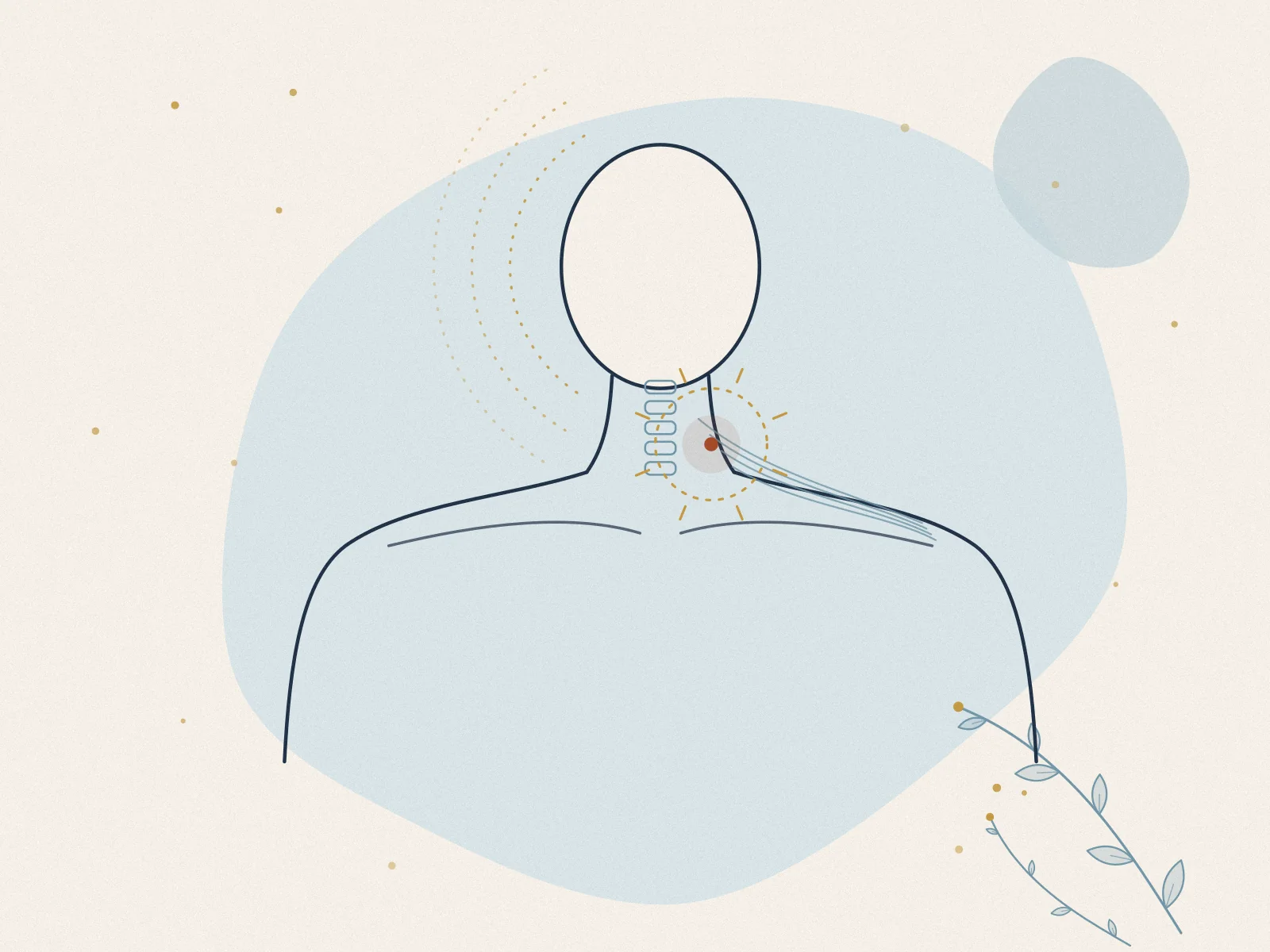
Illustration of whiplash, treated at Omnia Lifestyle clinic in Chiswick, West London

Whiplash at a glance

Whiplash is a neck injury caused by a sudden jolt of the head forwards and backwards, most often in a rear-end car accident, but also in falls and contact sport. It strains the muscles, ligaments and joints of the neck. Most people recover within a few weeks to three months, and staying gently active is the most important part of recovery.

Symptoms of whiplash

  • Neck pain and stiffness, often starting hours or a day after the injury
  • Headaches starting at the base of the skull
  • Pain and tension across the shoulders and upper back
  • Tingling in the arms, tiredness, dizziness or poor concentration in some people

How is whiplash treated?

A doctor or A&E will first check for injuries that need imaging. For uncomplicated whiplash, the advice is to keep moving, use pain relief as needed and return to normal activities as soon as possible. Soft collars are no longer recommended, because keeping the neck still slows recovery.

How we help with whiplash in Chiswick

  • Physiotherapy: graded neck and shoulder exercise, plus balance and eye movement work if dizziness persists.
  • Manual therapy: gentle mobilisation and soft tissue work to ease muscle spasm.
  • Acupuncture: an option for short-term relief of neck pain and headache.
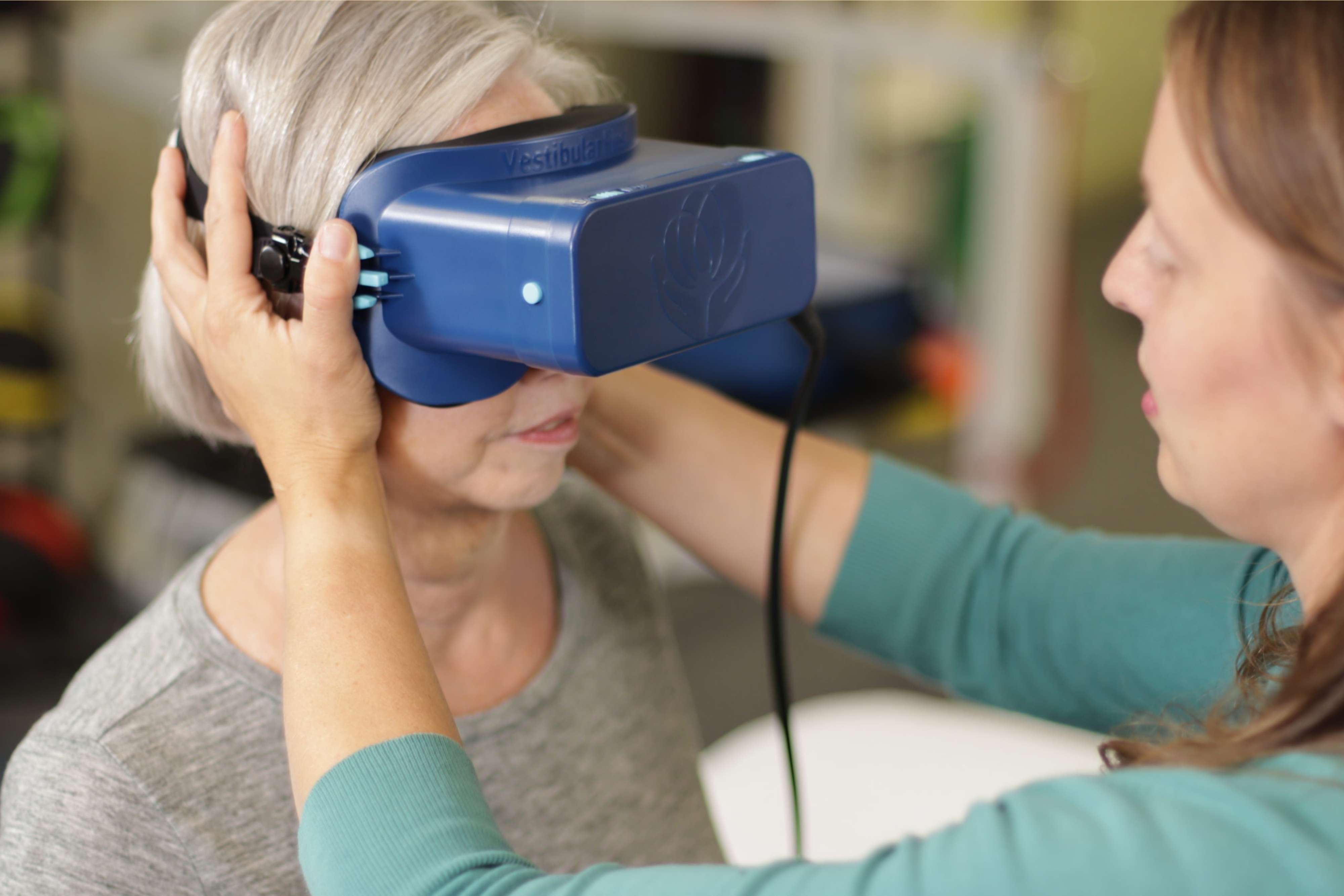
  • Vestibular First: assessment for dizziness and balance problems after a neck injury.
  • Red light therapy: recovery support for injured soft tissue.

What does the evidence say?

Early, active exercise leads to better outcomes than rest or collars. Most people improve significantly within three months. Fear of movement and high early pain are the strongest predictors of slower recovery, which is why reassurance and a clear plan matter.

What does whiplash feel like, and why does it start later?

Many people feel fine at the scene and notice pain and stiffness the next morning. That delay is normal: strained muscles and ligaments become inflamed and guarded over the following hours. Typical feelings are an aching, tight neck that is hard to turn, headaches spreading up from the base of the skull and a heavy, tense feeling across the shoulders. Some people also feel tired, foggy or slightly dizzy for the first days.

How long does whiplash last?

Most people are much better within a few weeks, and the majority recover within three months. A smaller group has symptoms that last longer, which is more likely if the early pain was severe, if there were arm symptoms or if worry about the injury leads to avoiding movement. Symptoms lasting beyond six weeks deserve a structured assessment, because targeted exercise at this stage helps prevent long-term neck pain.

Dizziness, headaches and concentration after whiplash

A neck injury can disturb the signals the neck sends to the balance system, causing unsteadiness or a feeling that the world is moving. Headaches and difficulty concentrating are also common, especially if a head knock or concussion happened at the same time. These symptoms usually improve with specific eye, balance and neck exercises, so they are worth mentioning rather than putting up with.

What to expect at Omnia

Your physiotherapist asks how the injury happened and checks neck movement, strength, nerve function in the arms and, where needed, balance and eye movements. You leave with gentle exercises and a clear plan for returning to work, driving and exercise. We can provide treatment notes on request if you are making an insurance claim, and we refer back to your GP if anything needs imaging.

What you can do at home

  • Move your neck gently through comfortable ranges several times a day
  • Use heat to ease muscle tension
  • Return to work and normal activity gradually
  • Keep a record of symptoms if you are making an insurance claim

Once whiplash has been assessed, our guide to neck pain exercises sets out a safe home programme to restore movement and strength.

For a recovery timeline and what helps, see our guide to how long whiplash lasts.

Related: neck and shoulder pain and balance and dizziness. Whiplash rehabilitation is available at Omnia Lifestyle, Chiswick W4, two minutes from Turnham Green. Book online or call 020 4515 0000.

Related Therapies & Services

Questions we are asked

Whiplash: your questions answered

What is whiplash?

Whiplash is a neck injury caused by the head being thrown suddenly forwards and backwards, most often in a car accident or a fall. It strains the muscles and ligaments of the neck, causing pain, stiffness, headaches and sometimes shoulder or arm symptoms.

How long does whiplash last?

Most people recover within a few weeks to three months. Keeping the neck gently moving, rather than resting it in a collar, usually speeds recovery. Symptoms lasting longer than three months benefit from a physiotherapy assessment and a structured exercise plan.

What does whiplash feel like?

Typical symptoms are neck pain and stiffness, headaches starting at the base of the skull, pain across the shoulders and reduced movement when turning the head. Symptoms often appear or worsen the day after the injury rather than immediately.

When should I see a doctor about whiplash?

Go to A&E after a crash if you have severe neck pain, numbness or weakness in the arms, difficulty walking, loss of consciousness or a severe headache. Otherwise, see your GP or a physiotherapist if pain is not easing after a few weeks.

How is whiplash treated at Omnia in Chiswick?

Treatment usually combines physiotherapy to restore neck movement and strength, manual therapy for muscle spasm and, where helpful, acupuncture for pain. Vestibular assessment is available if dizziness persists after the injury. Book online at our Chiswick W4 clinic.

Thank you, we have your notes.

A member of our team will be in touch to arrange your call. If anything is urgent, please call 020 4515 0000.

An error has occurred somewhere and it is not possible to submit the form. Please try again later.

Book online

To book an appointment straight away you can use our book now button

Message us on WhatsApp