Close

Part of ourWeight managementcare

Slow Metabolism: what it is and how we help

A slow metabolism makes weight management and energy harder, shaped by hormones, muscle mass and lifestyle. At Omnia Lifestyle in Chiswick we measure it with InBody scans and blood tests, then build a strength and nutrition plan around your results.

Omnia Lifestyle, 8 to 9 Bedford Corner, The Avenue, Chiswick W4 1LZ. Two minutes from Turnham Green station. Call 020 4515 0000.

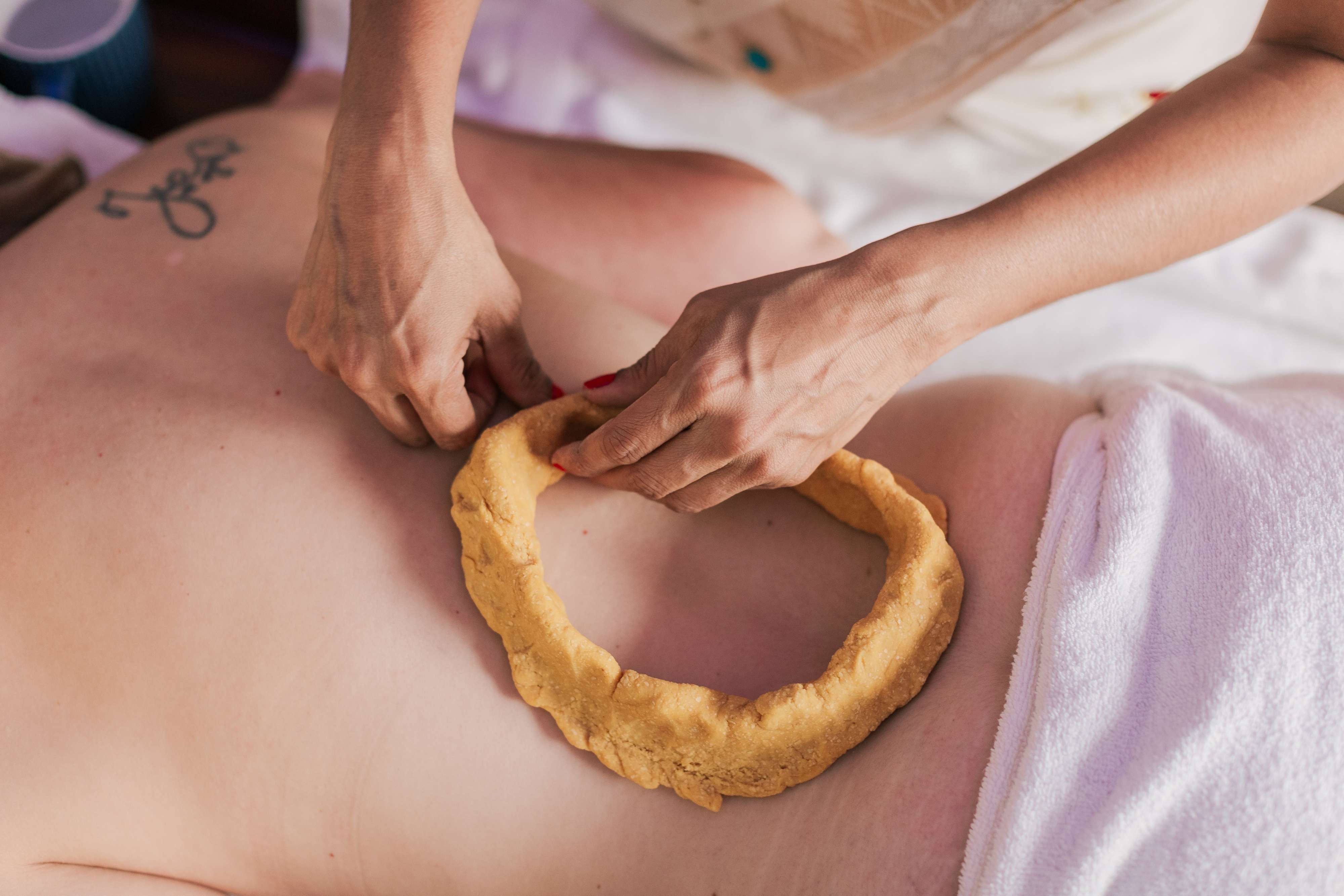
Slow Metabolism illustration, Omnia Lifestyle Chiswick

Slow metabolism at a glance

Metabolism is the energy your body uses to stay alive and move. People often blame a slow metabolism for weight gain, and differences between people do exist, but they are usually smaller than expected. The biggest factors you can change are muscle mass and daily movement. An underactive thyroid is a medical cause worth ruling out.

Signs people associate with a slow metabolism

  • Gaining weight easily or struggling to lose it
  • Feeling cold and tired
  • Low energy after meals
  • Loss of muscle tone with age

What affects your metabolic rate?

  • Muscle mass: muscle uses more energy than fat, even at rest.
  • Age: metabolic rate falls slowly with age, largely because of muscle loss.
  • Daily movement: walking, standing and everyday activity burn more than most people realise.
  • Crash dieting: very low calorie diets can reduce muscle and energy expenditure.
  • Thyroid function: an underactive thyroid lowers metabolic rate.
  • Sleep: short sleep disrupts appetite and energy use.

How we help in Chiswick

  • InBody scan: estimates your basal metabolic rate and measures muscle and fat, so the plan starts from facts.
  • Blood tests: thyroid function, blood sugar and vitamin levels.
  • Fitness and nutrition: strength training to build muscle and a sustainable eating plan.
  • Pixformance: guided strength sessions with form correction.
  • Ayurveda: digestion and routine guidance.

What does the evidence say?

Resistance training increases muscle mass and helps maintain metabolic rate, especially during weight loss and after 40. Supplements marketed as metabolism boosters have little evidence.

How do I know if my metabolism is slow?

You cannot tell from symptoms alone. An InBody scan estimates your basal metabolic rate from your muscle mass, and a thyroid blood test rules out a medical cause. Most people who believe they have a slow metabolism have a normal rate for their size and muscle mass, with weight gain driven by gradual changes in activity, sleep and eating.

Does metabolism slow down with age?

Research suggests metabolic rate is fairly stable from around 20 to 60 once body size is taken into account, and declines slowly after that. Much of the change people notice in midlife comes from losing muscle and moving less, which strength training and daily activity can counter.

Can you speed up your metabolism?

Building muscle through strength training raises resting energy use modestly, and increasing everyday movement such as walking and standing has a larger effect. Eating enough protein supports muscle and slightly increases the energy used in digestion. Avoiding very low calorie diets helps prevent the body adapting by lowering its energy use.

What to expect at Omnia

We start with an InBody scan to measure muscle, fat and estimated basal metabolic rate, and a blood panel including thyroid function. We explain what your InBody numbers mean and build a plan around strength training, daily activity and nutrition, with repeat scans to show changes in muscle over time.

What you can do at home

  • Strength train at least twice a week
  • Increase daily steps gradually
  • Avoid crash diets; aim for steady change
  • Eat enough protein to protect muscle

See our guides to what basal metabolic rate (BMR) is and how to speed up your metabolism.

Related: metabolic imbalance and hormonal weight gain. Omnia Lifestyle, Chiswick W4. Book online or call 020 4515 0000.

Related Therapies & Services

Questions we are asked

Slow Metabolism: your questions answered

What is metabolism?

Metabolism is all the chemical processes your body uses to turn food into energy. Your basal metabolic rate is the energy you burn at rest, and it depends mainly on your size, muscle mass, age and sex.

Can you speed up your metabolism?

The most reliable way is to build muscle through strength training, as muscle burns more energy than fat. Staying active through the day, eating enough protein and sleeping well also help. Metabolism-boosting supplements have little evidence.

Why has my metabolism slowed down?

Metabolism slows slightly with age, largely due to muscle loss, and after significant dieting. An underactive thyroid can also slow it. A blood test and a body composition scan can show what is actually changing.

What is basal metabolic rate?

Basal metabolic rate, or BMR, is the number of calories your body uses at complete rest to keep you alive. An InBody scan at Omnia estimates your BMR from your measured muscle and fat mass.

How does Omnia help with a slow metabolism in Chiswick?

We measure your body composition and BMR with an InBody scan, check thyroid and metabolic markers with blood tests where useful, and build a plan around strength and nutrition. Book online in W4.

Thank you, we have your notes.

A member of our team will be in touch to arrange your call. If anything is urgent, please call 020 4515 0000.

An error has occurred somewhere and it is not possible to submit the form. Please try again later.

Book online

To book an appointment straight away you can use our book now button

Message us on WhatsApp