Close

Part of ourWeight managementcare

Metabolic Imbalance: what it is and how we help

Metabolic imbalance is a disruption in how the body regulates energy, blood sugar and hormones. At Omnia Lifestyle in Chiswick we support it with blood tests, InBody body composition scans and fitness and nutrition coaching, combined after assessment.

Omnia Lifestyle, 8 to 9 Bedford Corner, The Avenue, Chiswick W4 1LZ. Two minutes from Turnham Green station. Call 020 4515 0000.

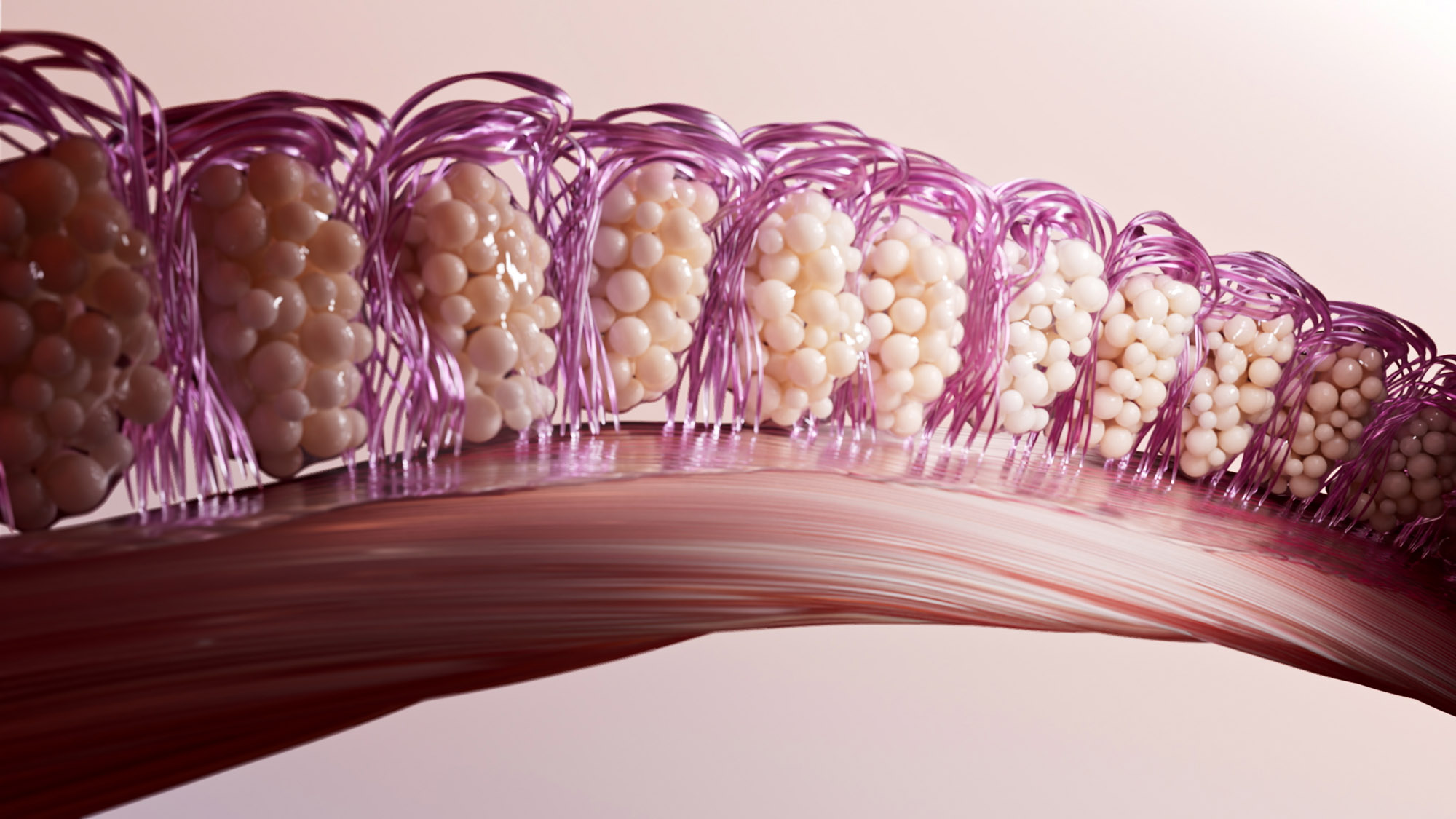
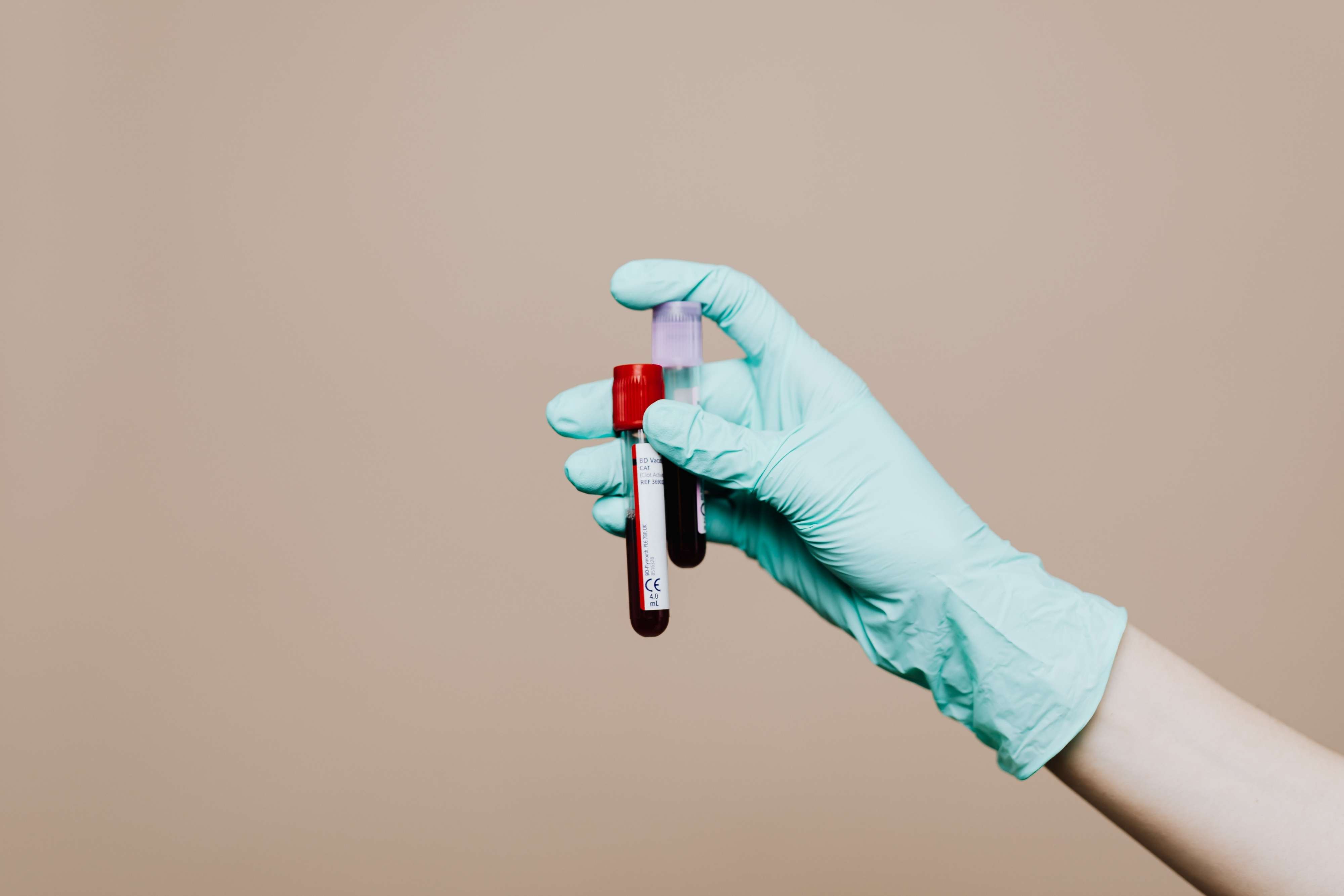
Illustration of metabolic imbalance, treated at Omnia Lifestyle clinic in Chiswick, West London

Metabolic imbalance at a glance

Metabolic imbalance describes a cluster of changes, often called metabolic syndrome, that raise the risk of type 2 diabetes, heart disease and stroke: extra fat around the waist, raised blood sugar, high blood pressure, raised triglycerides and low HDL cholesterol. Around one in four UK adults have it, often without symptoms. It is highly responsive to lifestyle change.

Signs of metabolic imbalance

  • A waist measurement above 94 cm for men or 80 cm for women (lower for some ethnic groups)
  • Raised fasting blood sugar or HbA1c
  • High blood pressure
  • High triglycerides or low HDL cholesterol
  • Fatigue after meals and sugar cravings

What causes it?

Insulin resistance sits at the centre, driven by visceral fat, inactivity, diets high in refined carbohydrates and ultra-processed food, poor sleep and genetics. South Asian and Black African and Caribbean people have a higher risk at lower body weights.

What is insulin resistance?

Insulin is the hormone that moves sugar from the blood into muscle, liver and fat cells. In insulin resistance, those cells respond less well, so the pancreas makes more insulin to keep blood sugar normal. For years this can hide the problem behind normal blood sugar readings. Over time the pancreas cannot keep up, blood sugar rises into the prediabetes range and, for some people, type 2 diabetes develops. Insulin resistance is closely linked to visceral fat, PCOS, fatty liver and high blood pressure.

Signs of insulin resistance

  • A larger waist, or weight gain mainly around the middle
  • Darker, velvety patches of skin in the neck, armpits or groin (acanthosis nigricans)
  • Skin tags
  • Energy dips and cravings after carbohydrate-heavy meals
  • Irregular periods or a diagnosis of PCOS

How is insulin resistance tested?

There is no single routine NHS test for insulin resistance itself. Doctors use HbA1c, which reflects average blood sugar over two to three months: 42 to 47 mmol/mol suggests prediabetes, and 48 or above suggests diabetes. Fasting glucose, triglycerides, HDL cholesterol, liver enzymes and waist measurement complete the picture. Fasting insulin and the HOMA-IR score are sometimes used privately, but results vary between laboratories, so they are best read alongside the other markers.

How is it treated?

Your GP may check blood pressure, cholesterol and HbA1c, and prescribe medication where needed. Lifestyle change is the foundation and can reverse many features.

Can insulin resistance be reversed?

Often, yes. Muscle is the body's biggest store for blood sugar, so strength training improves insulin sensitivity even before weight changes. Losing five to ten percent of body weight, walking after meals, cutting sugary drinks and refined carbohydrates, and sleeping seven to nine hours all help. Improvements in HbA1c can show within three months. People already diagnosed with diabetes should make changes with their GP, particularly if they take medication that lowers blood sugar.

How we help in Chiswick

  • Blood tests: HbA1c, lipids, liver function and inflammation markers.
  • InBody scan: visceral fat measurement, a key driver of metabolic risk.
  • Fitness and nutrition: a coached programme focused on strength, activity and blood sugar control.
  • Ayurveda: meal timing, digestion and routine.
  • Tai chi and yoga: gentle activity with evidence for blood pressure and stress.

What does the evidence say?

Losing five to seven percent of body weight and 150 minutes of activity a week significantly reduce the risk of developing type 2 diabetes. Strength training improves insulin sensitivity independently of weight loss.

What to expect at Omnia

We start with an InBody scan to measure visceral fat and muscle, a waist measurement and a Randox metabolic panel including HbA1c and lipids. Your report shows where each result sits against the laboratory range, and we build a coached plan around strength, activity, meals and sleep. Repeat scans and blood tests at around three months show what has changed. Any result that needs medical follow-up is shared with your GP.

What you can do at home

  • Walk for 10 minutes after meals
  • Swap refined carbohydrates for wholegrains, beans and vegetables
  • Reduce sugary drinks and alcohol
  • Measure your waist monthly

For a step-by-step plan, see our guide to how to reverse insulin resistance.

Blood tests that can help

Blood tests can show how your body handles sugar and fat. Our Metabolic Health Extended (£99) panel is a broad starting point. Read our guides to prediabetes blood tests and fatty liver blood tests. Blood tests are taken at our Chiswick clinic, with no GP referral, and you receive a clear results report, with a GP review available at an additional cost if you would like one. See every blood test and price.

Related: diabetes and metabolic health. Omnia Lifestyle, Chiswick W4. Book online or call 020 4515 0000.

Related Therapies & Services

Questions we are asked

Metabolic Imbalance: your questions answered

What is insulin resistance?

Insulin resistance is when the body's cells do not respond well to insulin, so the body needs more insulin to keep blood sugar normal. Over time it can lead to prediabetes and type 2 diabetes.

What causes insulin resistance?

The main factors are excess body fat, particularly around the waist, inactivity, poor sleep, genetics and age. It is also common in PCOS. It often has no symptoms until blood sugar rises.

How is insulin resistance tested?

There is no single routine test, but HbA1c and fasting glucose show whether blood sugar is rising, and waist size and blood fats add to the picture. Omnia offers Randox metabolic panels with a clear results report.

Can insulin resistance be reversed?

Yes, often. Losing excess weight, regular exercise, particularly strength training, reducing refined carbohydrates and sugary drinks, and good sleep can significantly improve insulin sensitivity.

How does Omnia help with metabolic health in Chiswick?

We combine blood testing, InBody body composition analysis and one-to-one fitness and nutrition coaching, with repeat measurements to track progress. We work alongside your GP. Book online in W4.

Thank you, we have your notes.

A member of our team will be in touch to arrange your call. If anything is urgent, please call 020 4515 0000.

An error has occurred somewhere and it is not possible to submit the form. Please try again later.

Book online

To book an appointment straight away you can use our book now button

Message us on WhatsApp