Close

Part of ourLongevitycare

Hypertension: what it is and how we help

High blood pressure rarely causes symptoms but raises long-term cardiovascular risk. At Omnia Lifestyle in Chiswick we offer complementary support alongside your medical care, using fitness and nutrition coaching, body composition scans, blood tests and tai chi or yoga, combined after assessment.

Omnia Lifestyle, 8 to 9 Bedford Corner, The Avenue, Chiswick W4 1LZ. Two minutes from Turnham Green station. Call 020 4515 0000.
Illustration of hypertension, treated at Omnia Lifestyle clinic in Chiswick, West London

High blood pressure at a glance

High blood pressure (hypertension) affects around one in three UK adults, and many do not know they have it because it rarely causes symptoms. Over time it increases the risk of heart attack, stroke and kidney disease. It is diagnosed and treated by your GP, and lifestyle changes can lower it significantly, sometimes enough to reduce or avoid medication.

What counts as high blood pressure?

A clinic reading of 140/90 mmHg or higher, confirmed with home or ambulatory readings of 135/85 or higher, usually means high blood pressure. Ideal blood pressure is generally below 120/80.

What raises blood pressure?

  • Being overweight and inactive
  • High salt intake
  • Alcohol
  • Stress and poor sleep, including sleep apnoea
  • Age, family history and ethnicity
  • Kidney disease and some medicines

How is it treated?

NICE guidance (NG136) recommends lifestyle advice for everyone and medication for people whose blood pressure or overall risk is high enough. Home monitoring helps you and your GP track progress.

How we support healthy blood pressure in Chiswick

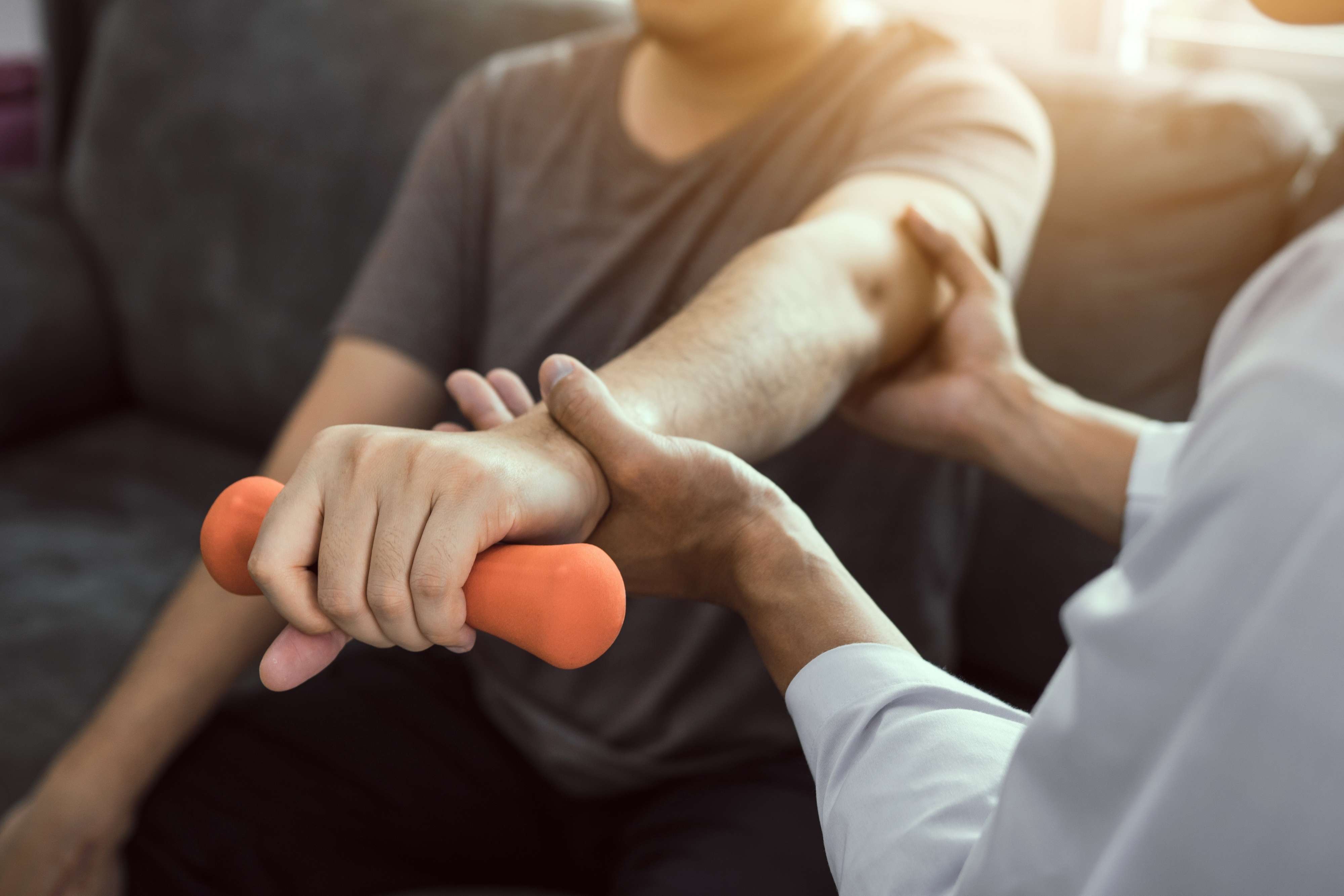
  • Fitness and nutrition: regular aerobic and strength exercise, and eating that lowers salt and supports weight loss.
  • InBody scan: visceral fat and body composition tracking.
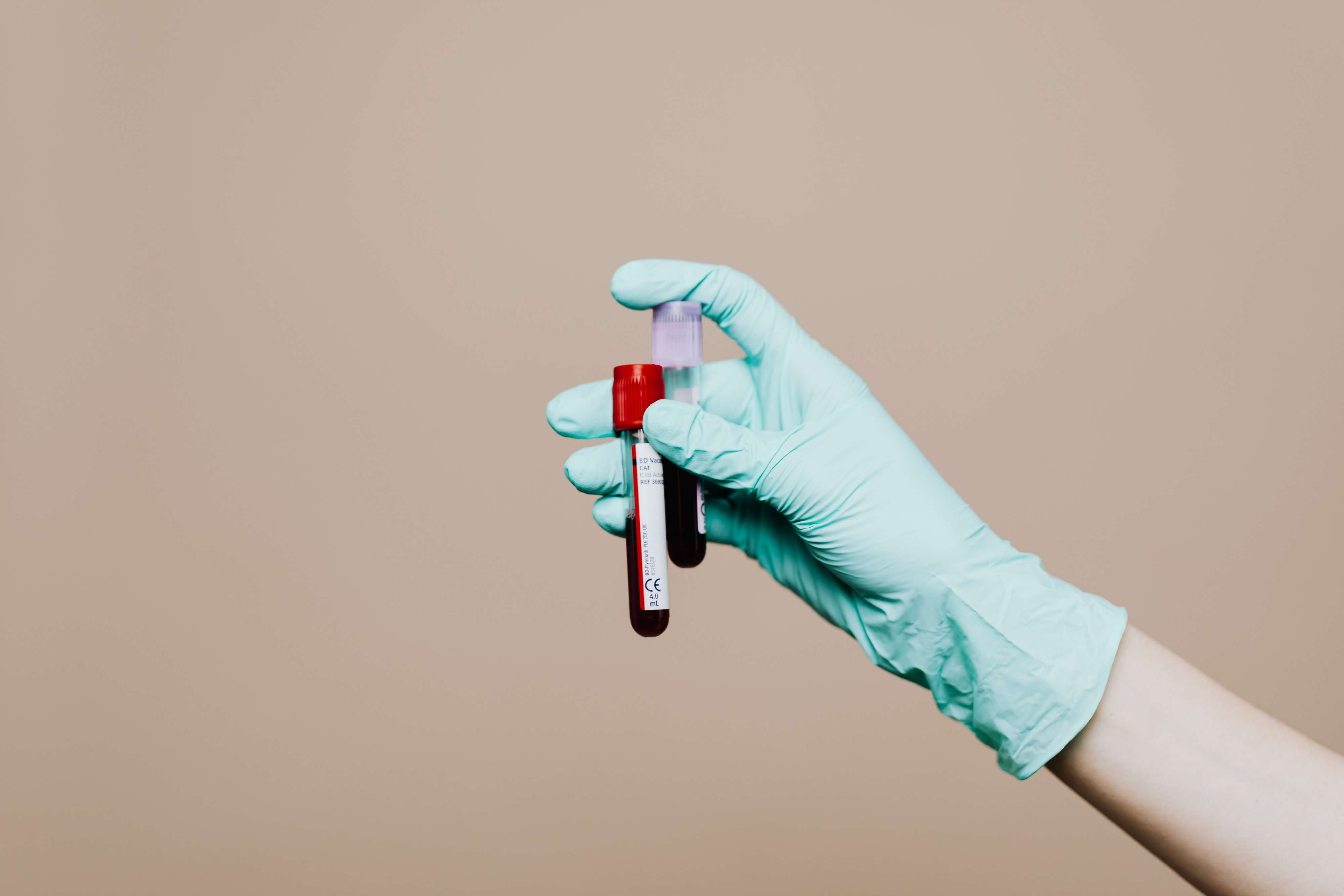
  • Blood tests: cholesterol, HbA1c and kidney function for your overall heart risk.
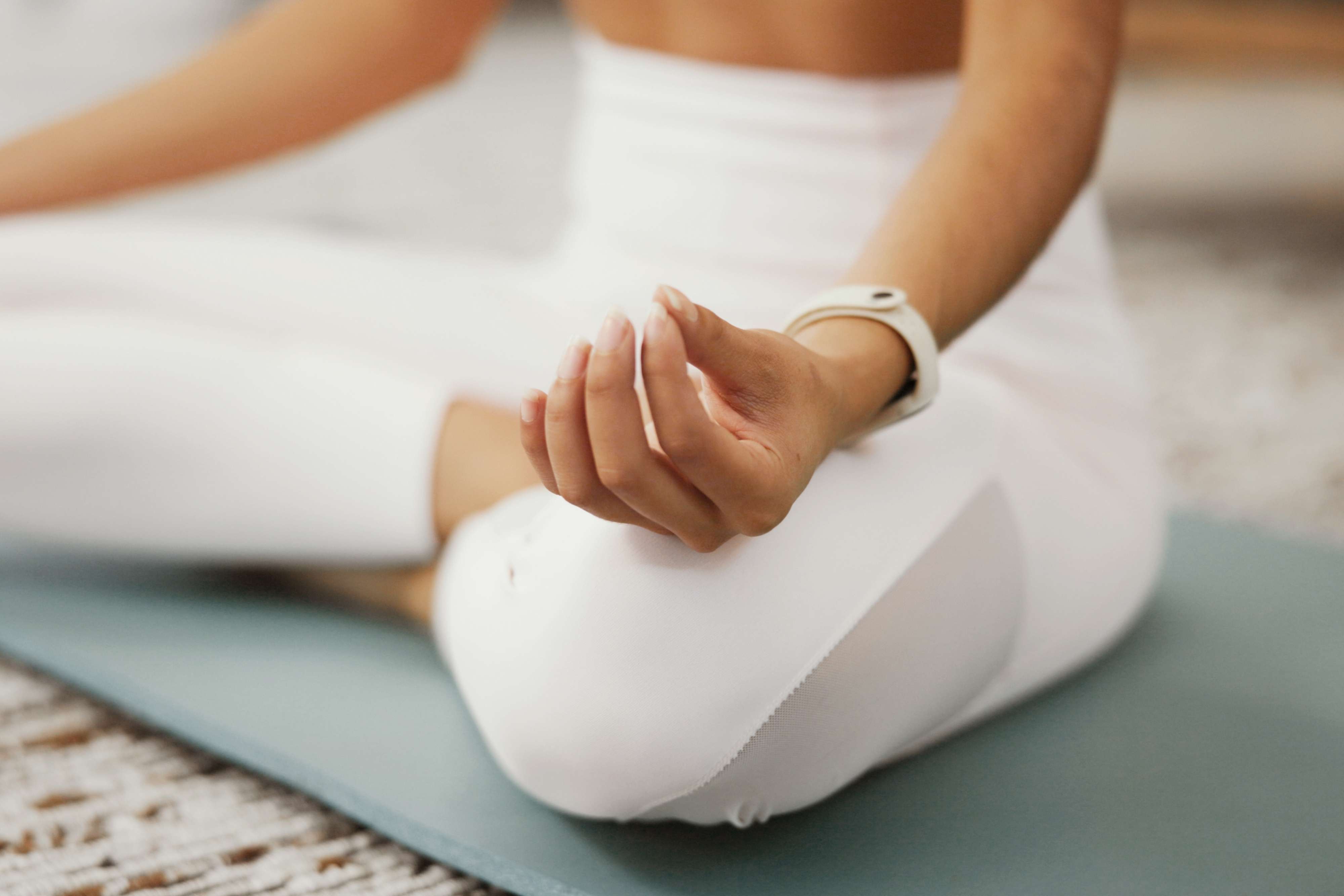
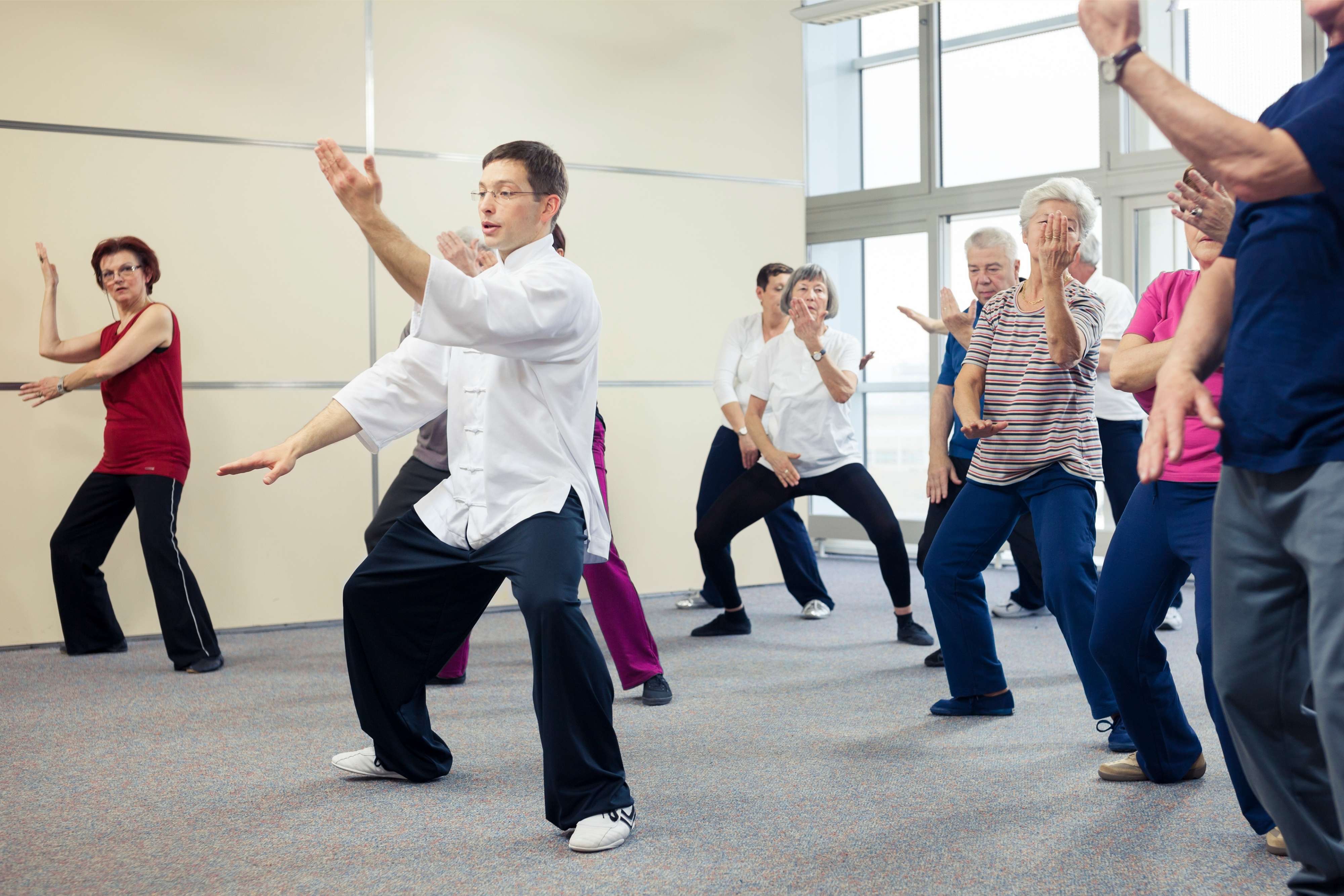
  • Tai chi and yoga: studies show modest reductions in blood pressure.
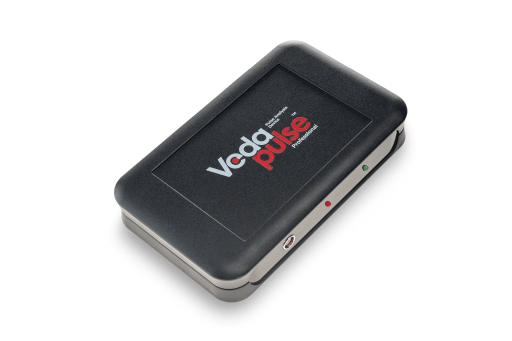
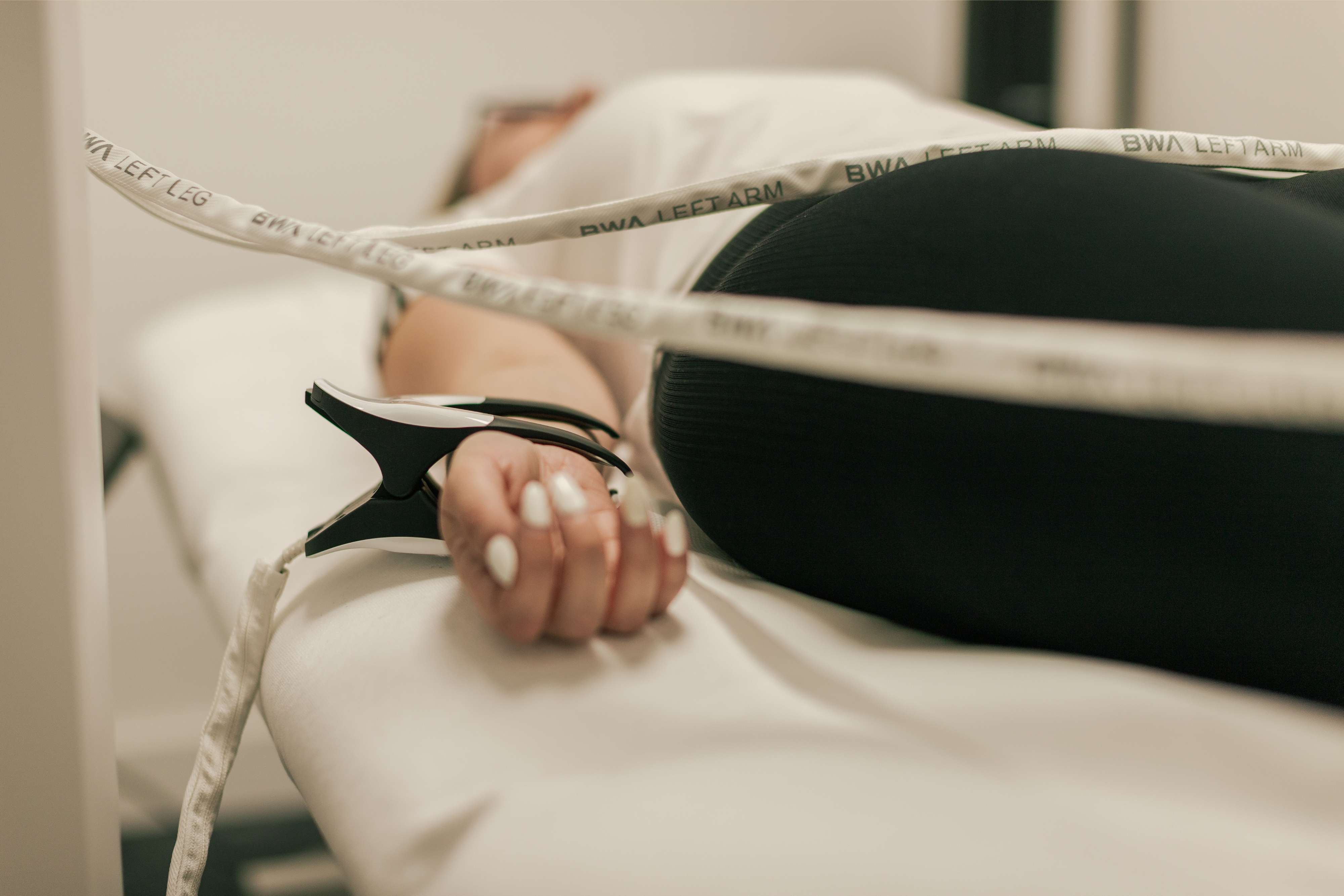
  • VedaPulse: stress and recovery assessment.

What does the evidence say?

Reducing salt, losing weight, exercising regularly and cutting alcohol can each lower blood pressure by several points, and combined changes can match a medication. Isometric exercise such as wall sits has shown notable effects in recent research.

Does high blood pressure cause symptoms?

Usually not, which is why it is called a silent condition. Most people feel completely well, even with high readings. Very high blood pressure can occasionally cause headaches, blurred vision or nosebleeds, but these are unreliable signs. The only way to know your blood pressure is to measure it. Adults aged 40 to 74 are offered a free NHS Health Check every five years, and many pharmacies offer free checks.

Does high blood pressure make you tired?

High blood pressure itself does not usually cause tiredness. Fatigue is more often linked to something that travels with it, such as poor sleep, sleep apnoea, excess weight or the side effects of some blood pressure medicines, particularly beta blockers. If you feel more tired after starting or changing medication, speak to your GP rather than stopping it. A blood test can also check for other causes such as anaemia or an underactive thyroid.

How to get an accurate home blood pressure reading

  • Use a validated upper-arm monitor rather than a wrist device
  • Sit quietly for five minutes with your back supported and feet flat
  • Rest your arm at heart level and do not talk
  • Take two readings a minute apart, morning and evening, for seven days
  • Avoid caffeine, exercise and smoking for 30 minutes beforehand

What to expect at Omnia

Your first appointment starts with a conversation about your readings, medication, lifestyle and goals, and an InBody scan to measure visceral fat and muscle. Where useful, we arrange a blood panel. You then receive a written plan combining activity, nutrition and stress support, reviewed every few weeks. We share your progress so you can take it to your GP, and we never change or advise stopping prescribed medication.

What you can do at home

  • Measure your blood pressure at home and keep a record
  • Keep salt under 6 grams a day
  • Walk briskly for 30 minutes on most days
  • Limit alcohol to under 14 units a week

For the lifestyle changes with the best evidence, see our guide to how to lower blood pressure naturally. For the main causes and hidden drivers, see what causes high blood pressure. To understand your numbers, see what counts as a high blood pressure reading, and for fatigue, whether high blood pressure makes you tired.

Omnia Lifestyle, Chiswick W4. Book online or call 020 4515 0000.

Related Therapies & Services

Questions we are asked

Hypertension: your questions answered

What causes high blood pressure?

High blood pressure is linked to being overweight, eating too much salt, not being active, drinking too much alcohol, smoking, stress, age and family history. In most people there is no single cause.

What counts as high blood pressure?

In the UK, high blood pressure is generally a reading of 140/90 mmHg or higher in a clinic, or 135/85 or higher at home. Most people have no symptoms, which is why regular checks matter.

How can I lower my blood pressure?

Reducing salt, losing weight if needed, regular activity, cutting down on alcohol, stopping smoking and managing stress all lower blood pressure. Many people also need medication, and it is important to keep taking it as prescribed.

Can acupuncture or yoga help blood pressure?

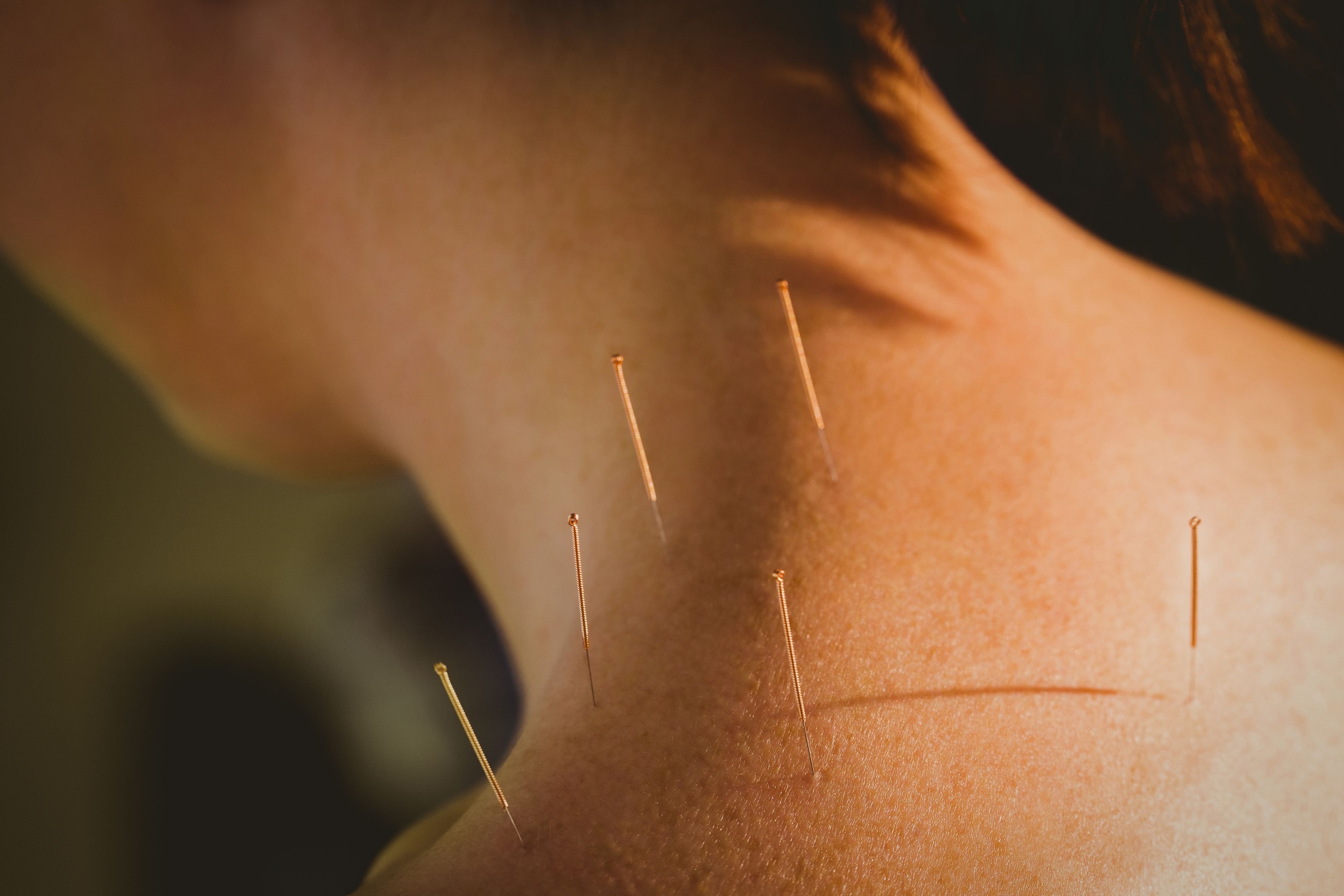
Some studies suggest yoga, tai chi and acupuncture may help reduce blood pressure slightly, mainly through relaxation. They can support lifestyle changes but do not replace medication your GP recommends.

When is high blood pressure an emergency?

Call 999 if a very high reading comes with chest pain, breathlessness, a severe headache, confusion, blurred vision or weakness on one side. Otherwise, see your GP or pharmacist for a check and follow-up.

Thank you, we have your notes.

A member of our team will be in touch to arrange your call. If anything is urgent, please call 020 4515 0000.

An error has occurred somewhere and it is not possible to submit the form. Please try again later.

Book online

To book an appointment straight away you can use our book now button

Message us on WhatsApp