Close

Part of ourMusculoskeletal (MSK) conditionscare

Rheumatism: what it is and how we help

Rheumatic pain covers aching joints and muscles associated with inflammatory and degenerative conditions. At Omnia Lifestyle in Chiswick we support it with physiotherapy, manual therapy and acupuncture, combined after assessment and alongside rheumatology care where needed.

Omnia Lifestyle, 8 to 9 Bedford Corner, The Avenue, Chiswick W4 1LZ. Two minutes from Turnham Green station. Call 020 4515 0000.
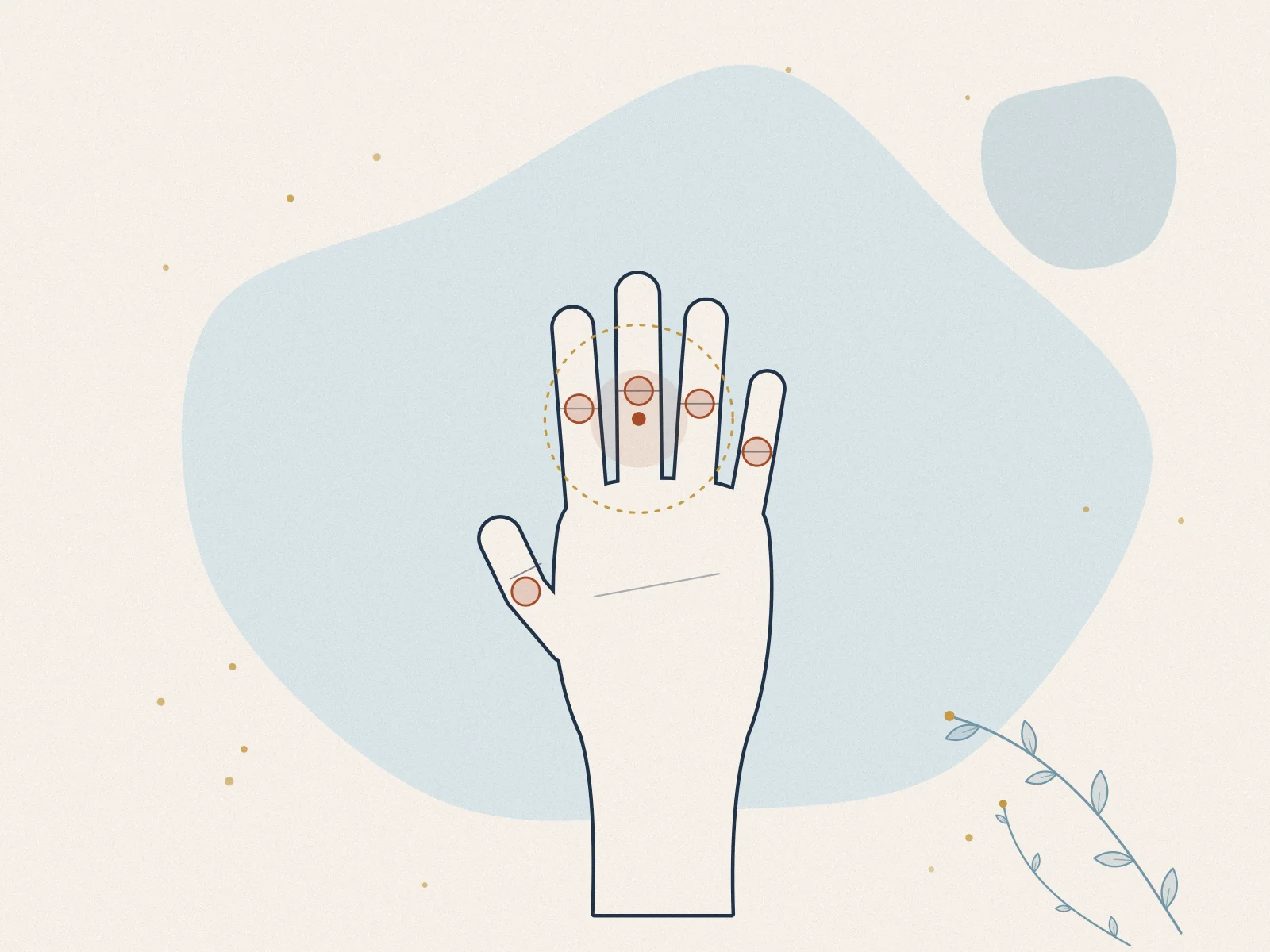
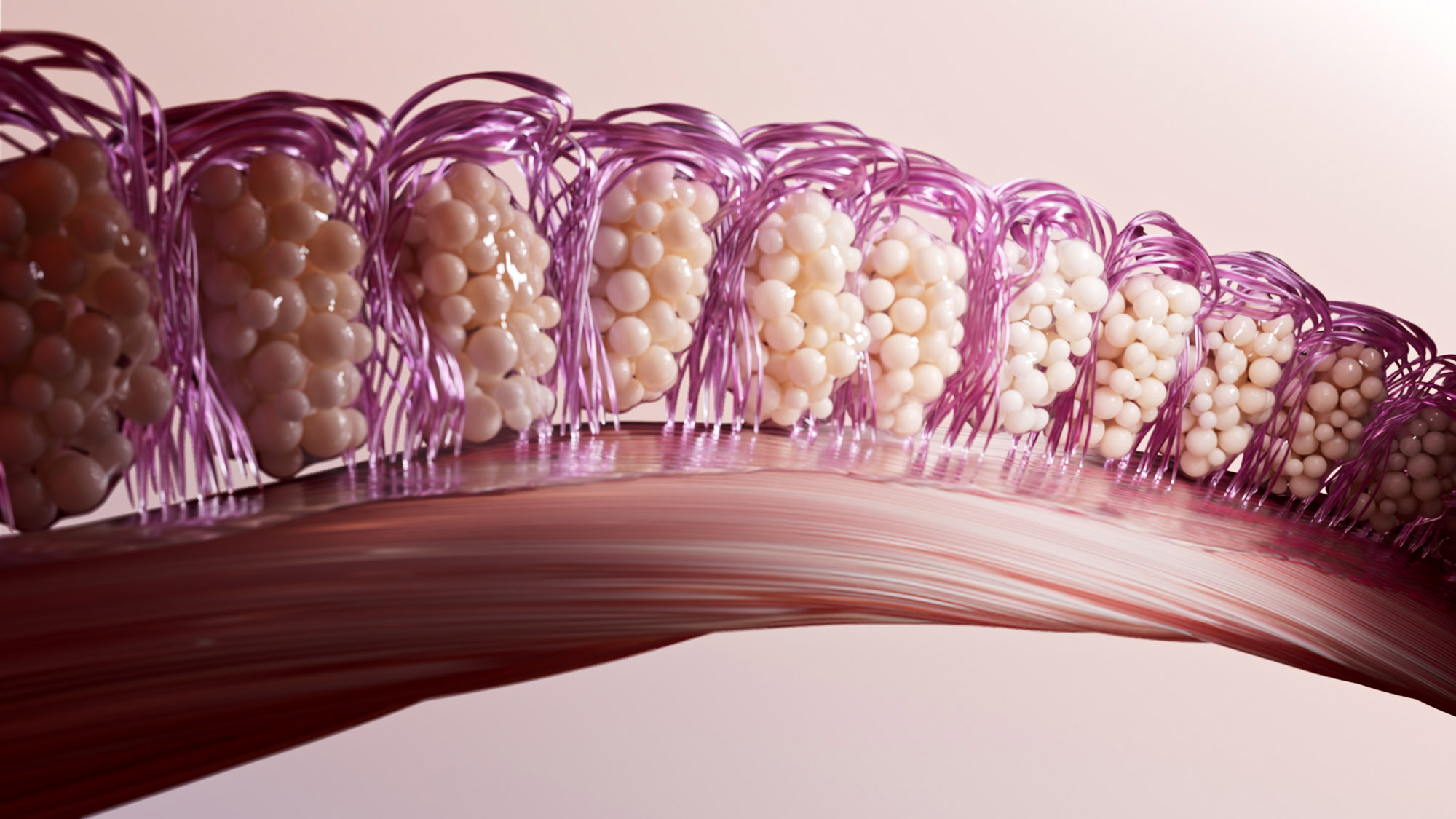
Rheumatism illustration, Omnia Lifestyle Chiswick

Rheumatism at a glance

Rheumatism is an older, everyday word for aches, pains and stiffness in the joints and muscles. Doctors now use more specific diagnoses, such as osteoarthritis, rheumatoid arthritis, polymyalgia rheumatica, fibromyalgia or soft tissue rheumatism like bursitis and tendinopathy. If you have been told you have rheumatism, a clearer diagnosis helps you get the right treatment.

Conditions often described as rheumatism

  • Osteoarthritis: joint pain and stiffness with activity.
  • Rheumatoid arthritis: swollen, painful joints with long morning stiffness.
  • Polymyalgia rheumatica: sudden shoulder and hip stiffness in people over 50.
  • Fibromyalgia: widespread pain and fatigue.
  • Soft tissue rheumatism: bursitis, tendinopathy and muscle pain.

How is rheumatism diagnosed?

Your GP will examine you and may arrange blood tests for inflammation and specific antibodies, and sometimes X-rays or ultrasound. Inflammatory conditions are referred to a rheumatologist.

How is it treated?

Treatment depends on the diagnosis. Inflammatory conditions need medication from your doctor. Across all types, staying active, strengthening and pacing reduce pain and stiffness.

How we help in Chiswick

What is polymyalgia rheumatica?

Polymyalgia rheumatica causes pain and stiffness in the shoulders, neck and hips, usually in people over 50. Stiffness is typically worst in the morning and can make getting out of bed or dressing difficult. It is treated by a doctor with steroid tablets, which usually work quickly. Because it can occur alongside giant cell arteritis, a new headache or change in vision needs urgent care.

Blood tests for rheumatism

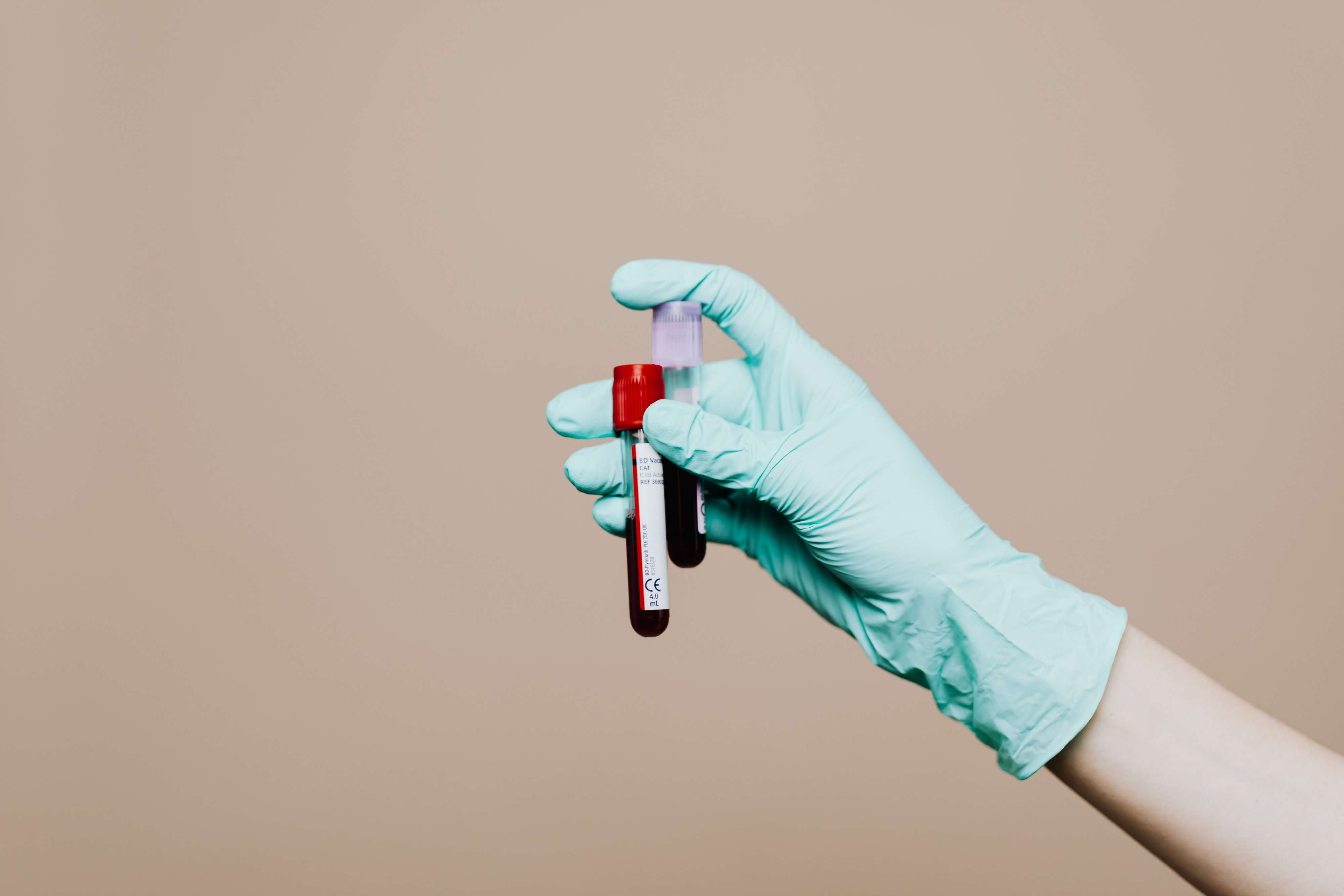
Blood tests help tell the different types apart. Inflammation markers such as CRP and ESR are often raised in inflammatory conditions and polymyalgia rheumatica. Rheumatoid factor and anti-CCP antibodies support a diagnosis of rheumatoid arthritis, and uric acid is checked for gout. Normal results with widespread pain may point towards osteoarthritis or fibromyalgia.

Does cold or damp weather make it worse?

Many people feel stiffer and achier in cold, damp weather. The research is mixed, but keeping warm, staying active and using heat on stiff joints helps many people through the winter months.

What to expect at Omnia

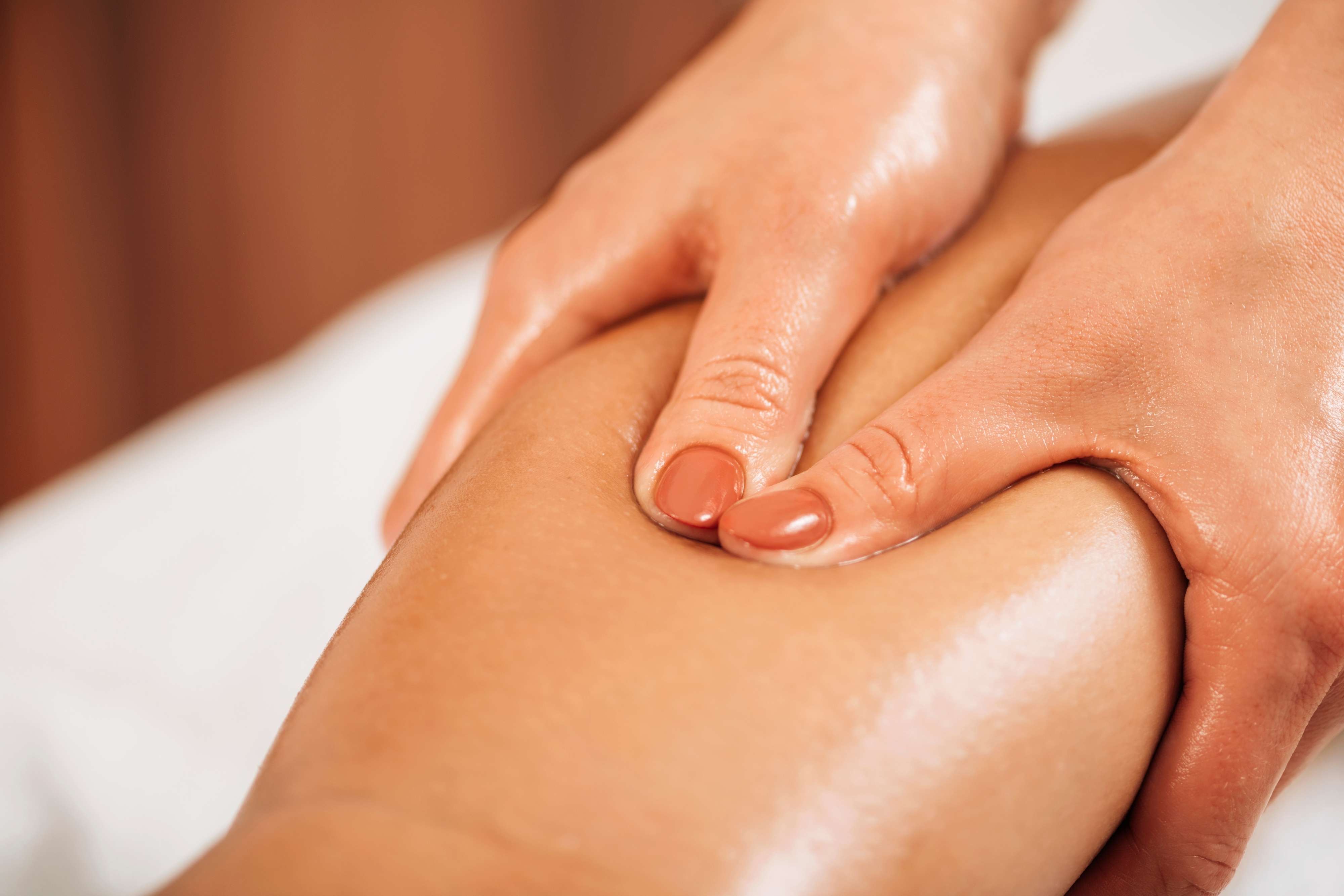
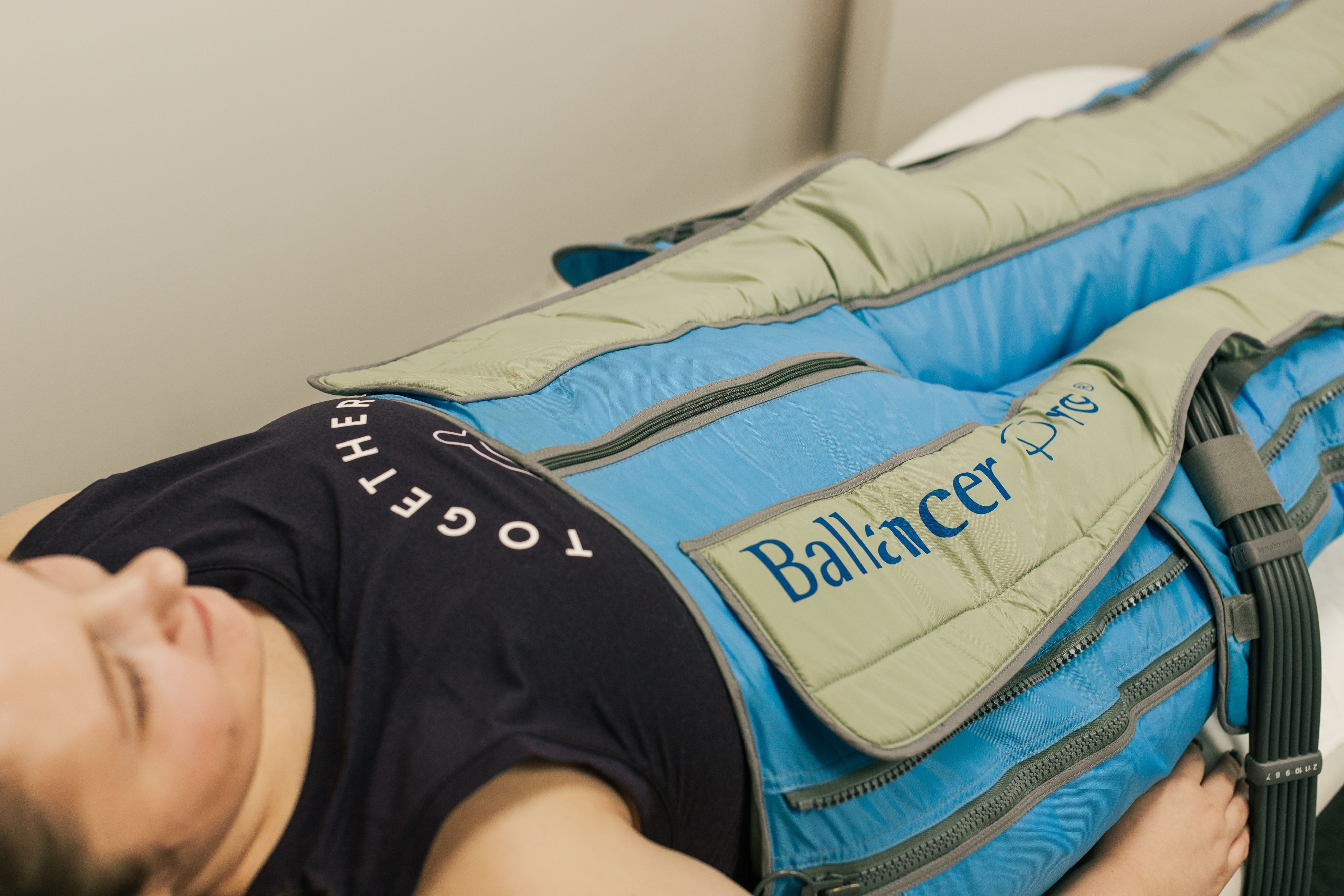
We ask where you ache, how long morning stiffness lasts and about any diagnosis you already have, then assess movement and strength. If inflammation has not been ruled out, we can arrange blood tests and share the results with your GP. Your plan combines exercise and pacing with manual therapy, warming therapies and red light therapy for comfort.

What you can do at home

  • Take a warm shower or bath to ease morning stiffness
  • Move gently throughout the day
  • Keep a symptom diary to share with your doctor
  • Stay warm in cold weather

Related: arthritis and joint pain. Omnia Lifestyle, Chiswick W4. Book online or call 020 4515 0000.

Related Therapies & Services

Questions we are asked

Rheumatism: your questions answered

What is rheumatism?

Rheumatism is an older, general term for pain and stiffness in the joints, muscles and connective tissue. Doctors now use more specific diagnoses, such as rheumatoid arthritis, osteoarthritis, gout, polymyalgia rheumatica or fibromyalgia, because each is treated differently.

What is the difference between arthritis and rheumatism?

Arthritis means inflammation or disease of the joints specifically. Rheumatism is a broader, informal term that also covers muscle and soft tissue pain. If you have been told you have rheumatism, it is worth asking which condition is meant.

What does rheumatic pain feel like?

It can include aching joints, stiffness after rest, muscle pain and reduced movement. Pain and stiffness in the shoulders and hips over age 50, particularly in the morning, can be polymyalgia rheumatica and needs a prompt GP review.

How are rheumatic conditions diagnosed?

Diagnosis combines your history, an examination and blood tests such as inflammation markers and rheumatoid factor, sometimes with scans. Your GP may refer you to a rheumatologist. Omnia offers private Randox blood testing with a practitioner review.

How can Omnia help with rheumatic pain?

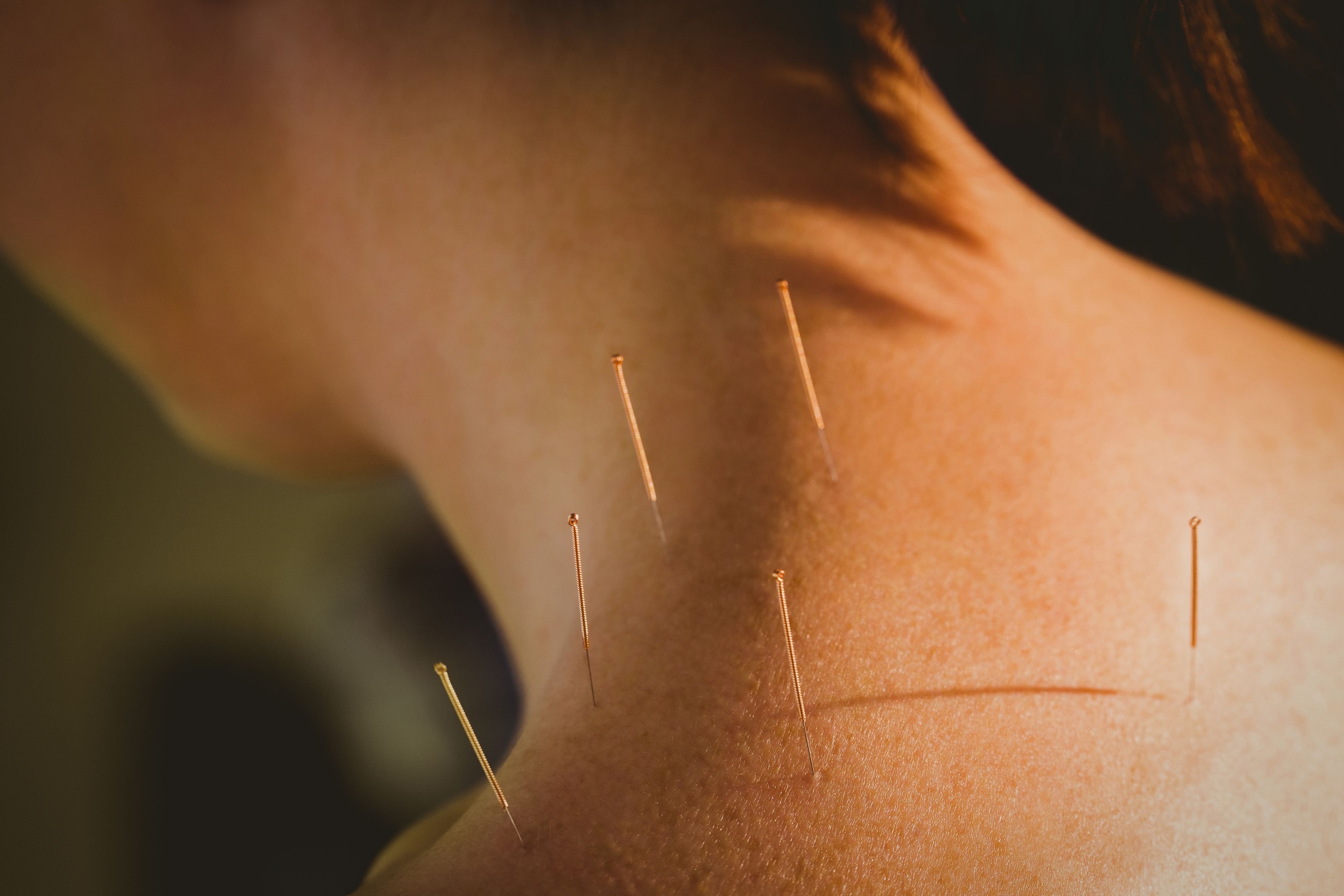
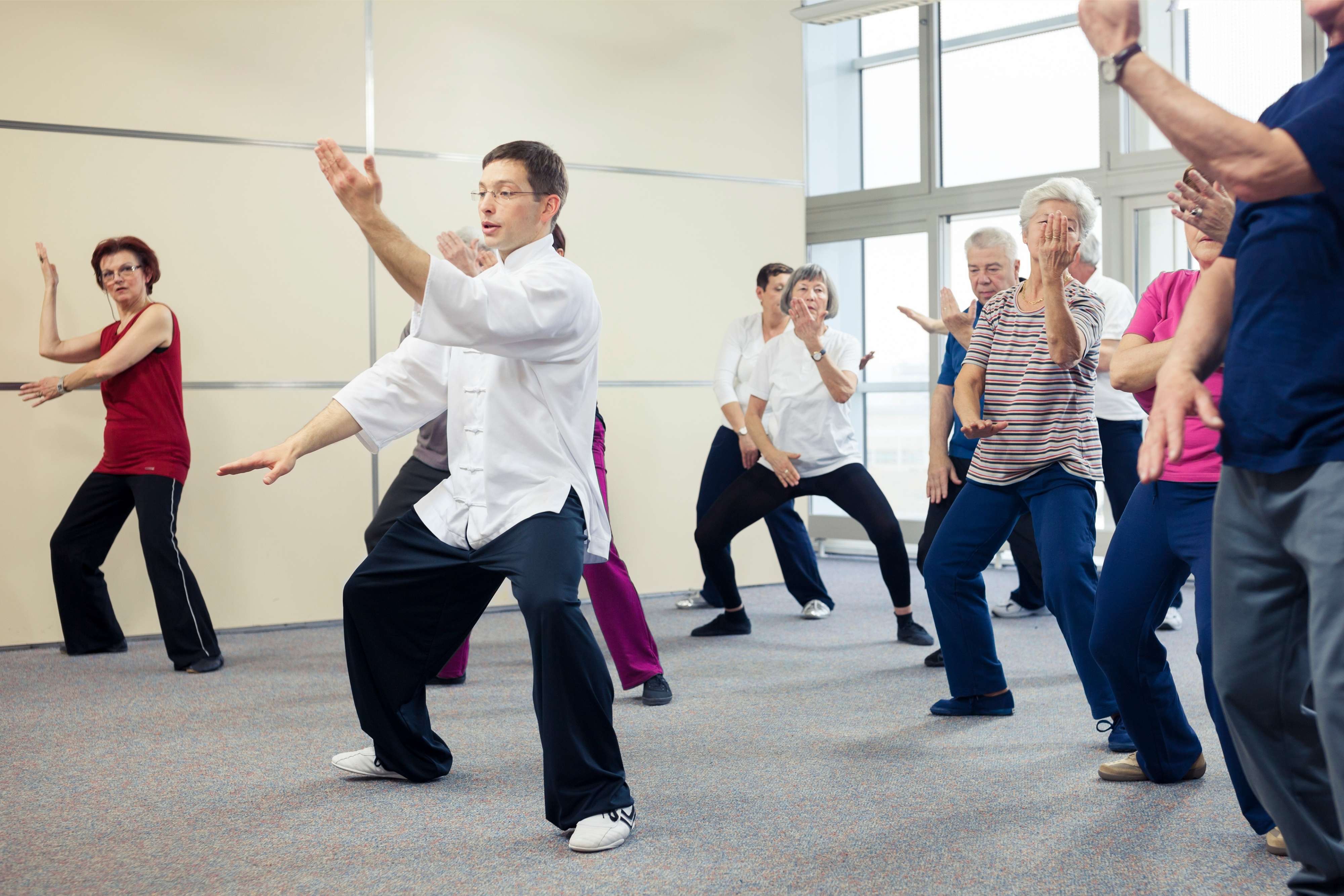
Once the underlying condition is clear, we support it with physiotherapy, gentle exercise such as tai chi and yoga, manual therapy, red light therapy and acupuncture for pain, alongside your medical treatment at our Chiswick W4 clinic.

Thank you, we have your notes.

A member of our team will be in touch to arrange your call. If anything is urgent, please call 020 4515 0000.

An error has occurred somewhere and it is not possible to submit the form. Please try again later.

Book online

To book an appointment straight away you can use our book now button

Message us on WhatsApp