Close

Part of ourLongevitycare

Multiple Sclerosis: what it is and how we help

MS is a neurological condition affecting nerve signalling. At Omnia Lifestyle in Chiswick we offer complementary support alongside your specialist care, using physiotherapy, acupuncture and balance-focused rehabilitation, combined after assessment.

Omnia Lifestyle, 8 to 9 Bedford Corner, The Avenue, Chiswick W4 1LZ. Two minutes from Turnham Green station. Call 020 4515 0000.
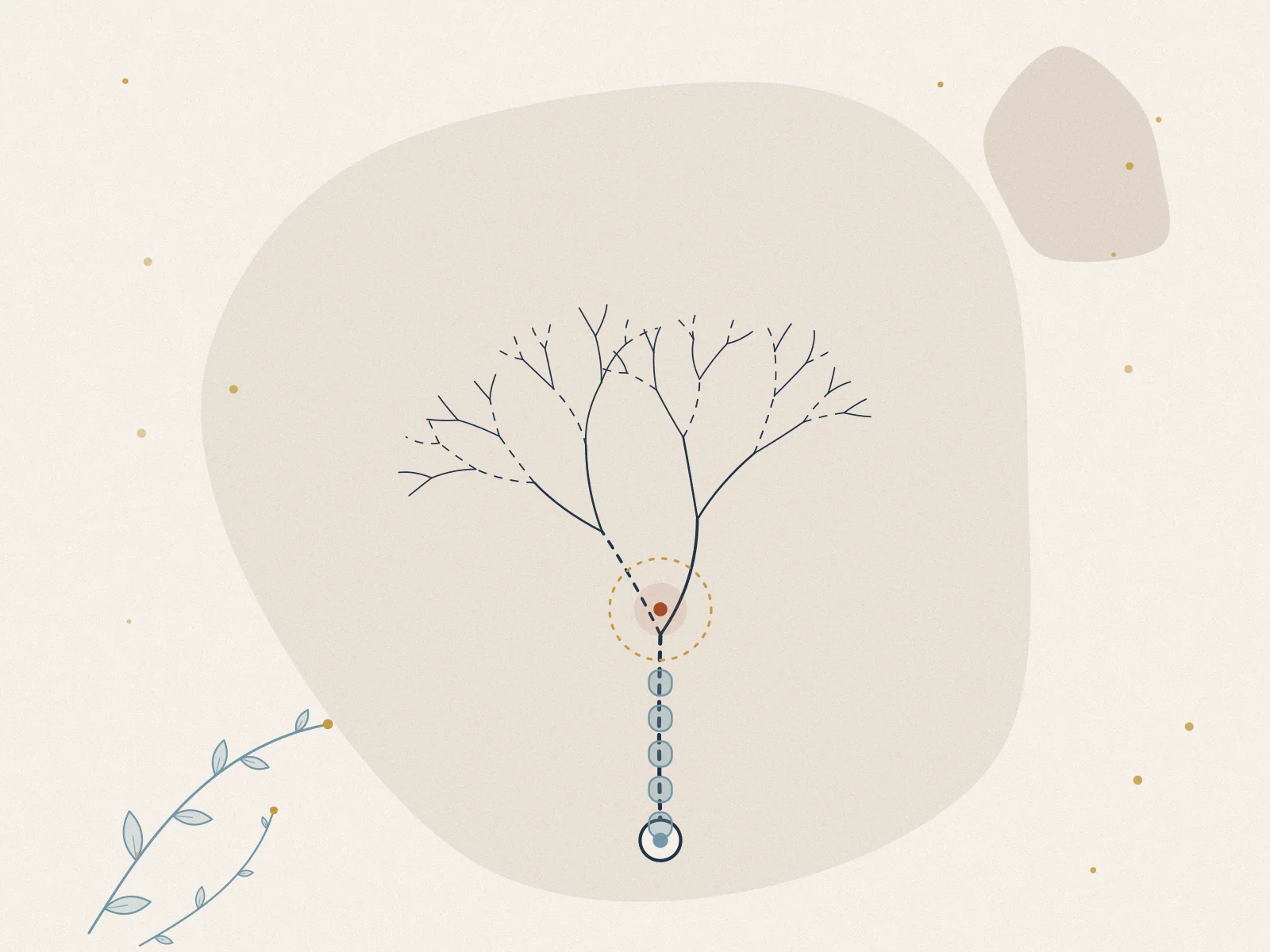
Illustration of multiple sclerosis, treated at Omnia Lifestyle clinic in Chiswick, West London

Multiple sclerosis at a glance

Multiple sclerosis (MS) is a lifelong neurological condition in which the immune system damages the protective coating around nerves in the brain and spinal cord. Over 150,000 people in the UK live with MS. Symptoms vary widely, and modern disease-modifying treatments from neurology teams have changed the outlook. Exercise and rehabilitation are an important part of living well with MS.

Common symptoms of MS

  • Fatigue, often the most troublesome symptom
  • Numbness, tingling or pain
  • Muscle stiffness, spasms and weakness
  • Problems with balance, walking and dizziness
  • Vision problems, bladder issues and difficulty concentrating

How is MS treated?

Your neurology team leads treatment, including disease-modifying therapies and treatment of relapses. NICE guidance for MS (NG220) recommends supervised exercise programmes, including aerobic, balance and strength training, and specialist support for fatigue and mobility.

How we support MS in Chiswick

  • Physiotherapy: strength, balance, walking and stiffness management, paced around fatigue.
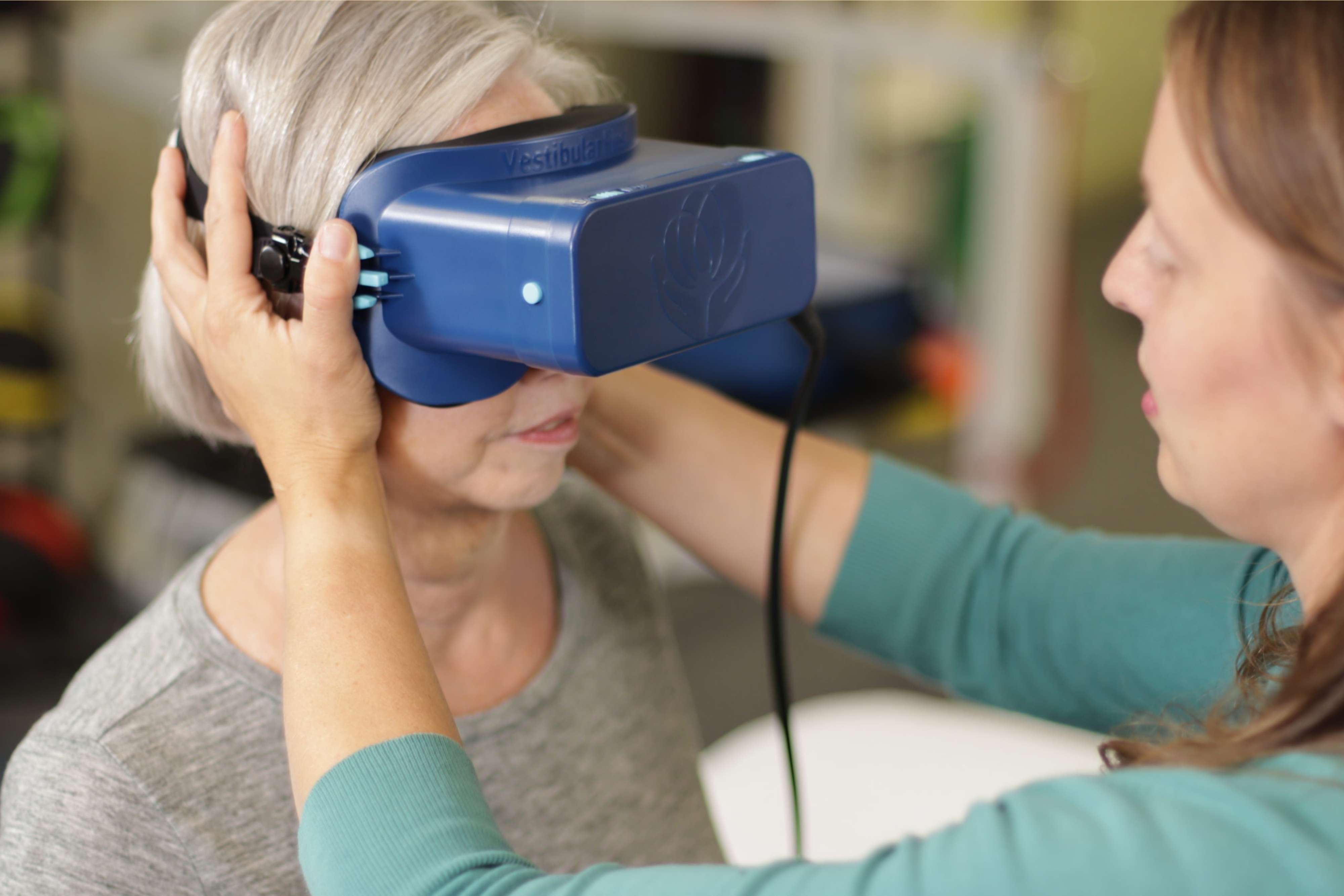
  • Vestibular First: assessment and rehabilitation for dizziness and balance problems.
  • Pixformance: supervised strength training with real-time feedback.
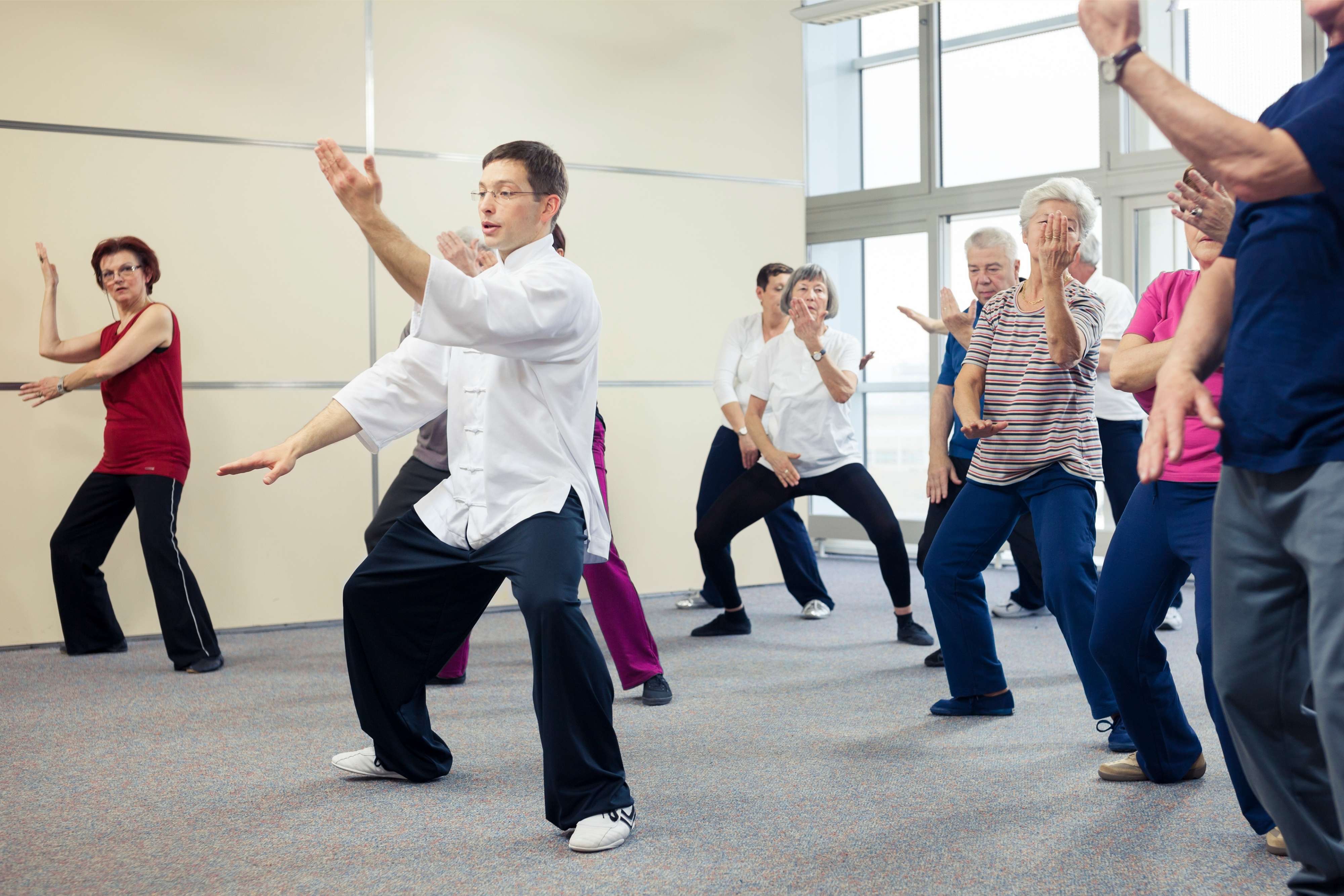
  • Yoga and tai chi: gentle movement with evidence for fatigue and balance in MS.
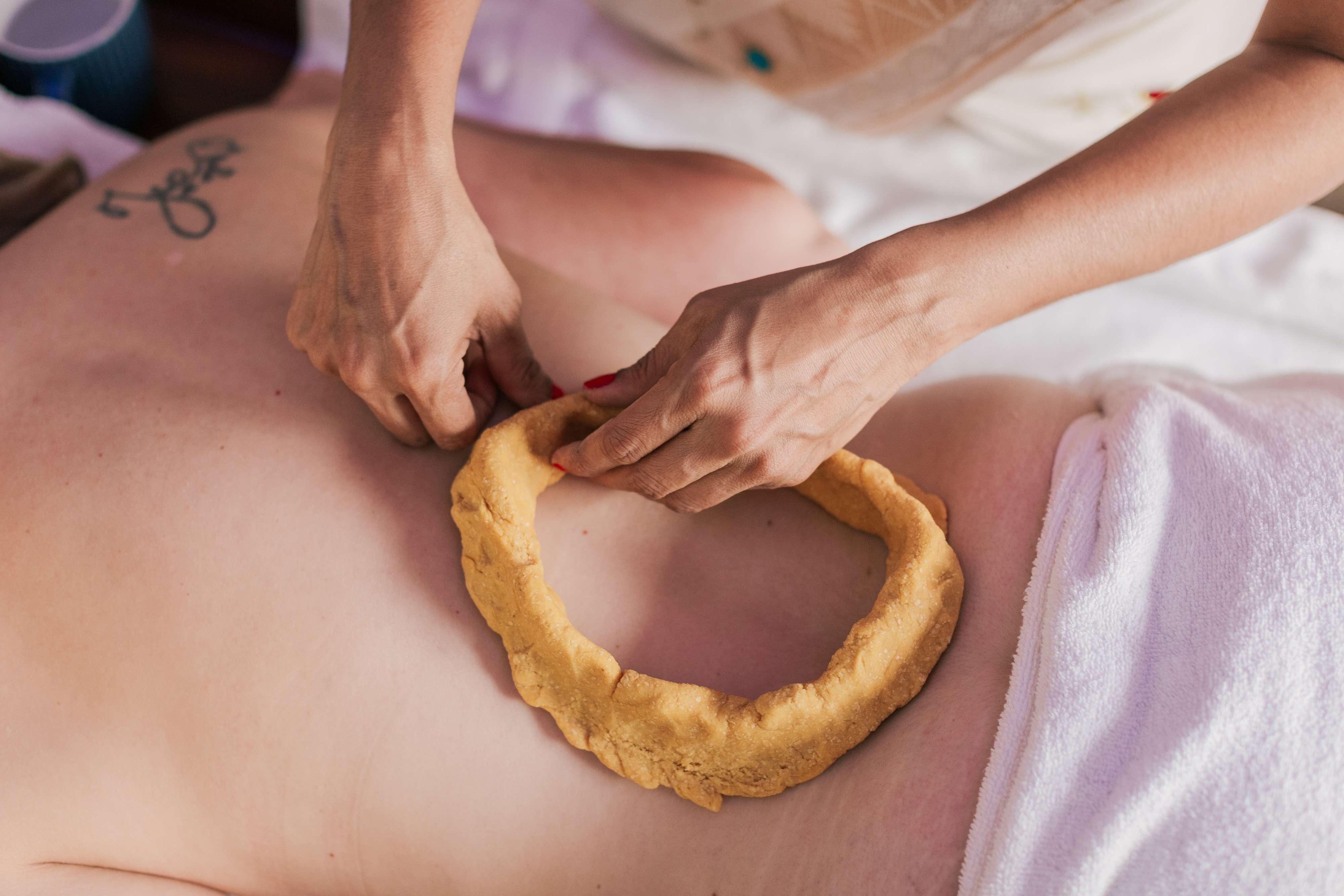
  • Acupuncture: some people use it for pain and wellbeing alongside neurology care.
  • Home visits: physiotherapy at home within five miles of the clinic.

What does the evidence say?

Regular, appropriately dosed exercise improves fatigue, strength, walking and quality of life in MS without increasing relapse risk. Yoga has evidence for reducing fatigue.

What are the types of MS?

Most people are first diagnosed with relapsing-remitting MS, where symptoms flare up in relapses and then partly or fully settle. Over time some people move into secondary progressive MS, where disability gradually increases. A smaller number have primary progressive MS, with gradual worsening from the start. Your neurologist will explain which type you have and which treatments suit it.

What is MS fatigue?

MS fatigue is an overwhelming tiredness that is different from normal tiredness and may not improve with rest. It is one of the most common and disabling symptoms. Pacing, planning rest, cooling strategies, regular exercise and treating poor sleep or low mood all help, and your MS nurse can advise on specific fatigue programmes.

Is exercise safe with MS?

Yes. Regular exercise is safe for most people with MS and does not trigger relapses. It improves strength, balance, walking, fatigue and mood. Heat can temporarily worsen symptoms, so exercising somewhere cool, staying hydrated and building up gradually all help. A physiotherapist can adapt exercises to your abilities.

What to expect at Omnia

Your first appointment covers your MS history, current symptoms, medication and what you want to be able to do. Your physiotherapist assesses strength, balance, walking and fatigue patterns, then builds a programme around your energy levels. Sessions can take place in clinic, through guided Pixformance training or at home, and we can share progress with your MS team.

What you can do at home

  • Exercise little and often, avoiding overheating
  • Plan your day around energy peaks
  • Keep cool; heat can temporarily worsen symptoms
  • Stay in touch with your MS nurse

Related: rehabilitation and balance and dizziness. Omnia Lifestyle, Chiswick W4. Book online or call 020 4515 0000.

Related Therapies & Services

Questions we are asked

Multiple Sclerosis: your questions answered

What is multiple sclerosis?

Multiple sclerosis, or MS, is a long-term condition in which the immune system attacks the protective coating of nerves in the brain and spinal cord. It can cause fatigue, problems with walking and balance, numbness, vision changes and bladder symptoms.

What are the early signs of MS?

Early signs can include blurred or double vision, numbness or tingling, fatigue, weakness, balance problems and bladder urgency. These symptoms have many possible causes, so see your GP if you notice them. MS is diagnosed by a neurologist.

Can physiotherapy help MS?

Yes. Physiotherapy is an important part of MS care, helping maintain strength, balance, mobility and independence and managing fatigue. Programmes are adapted to your energy levels and how the condition affects you.

Can acupuncture help with MS symptoms?

There is limited evidence that acupuncture may help some MS symptoms such as pain, fatigue or spasticity. It does not treat the disease. We use it as a supportive option alongside your neurology team's treatment.

How does Omnia support people with MS in Chiswick?

We offer physiotherapy, Pixformance guided strength work, vestibular rehabilitation for balance, tai chi and supportive therapies, paced to your energy. We work alongside your MS nurse and neurologist. Home visits are available across West London.

Thank you, we have your notes.

A member of our team will be in touch to arrange your call. If anything is urgent, please call 020 4515 0000.

An error has occurred somewhere and it is not possible to submit the form. Please try again later.

Book online

To book an appointment straight away you can use our book now button

Message us on WhatsApp