Close

Part of ourLongevitycare

Low Immunity: what it is and how we help

Low immunity means the body's defences respond less effectively, leading to frequent illness and slow recovery. At Omnia Lifestyle in Chiswick we support it with blood tests, fitness and nutrition coaching, Ayurveda and acupuncture, combined after assessment.

Omnia Lifestyle, 8 to 9 Bedford Corner, The Avenue, Chiswick W4 1LZ. Two minutes from Turnham Green station. Call 020 4515 0000.
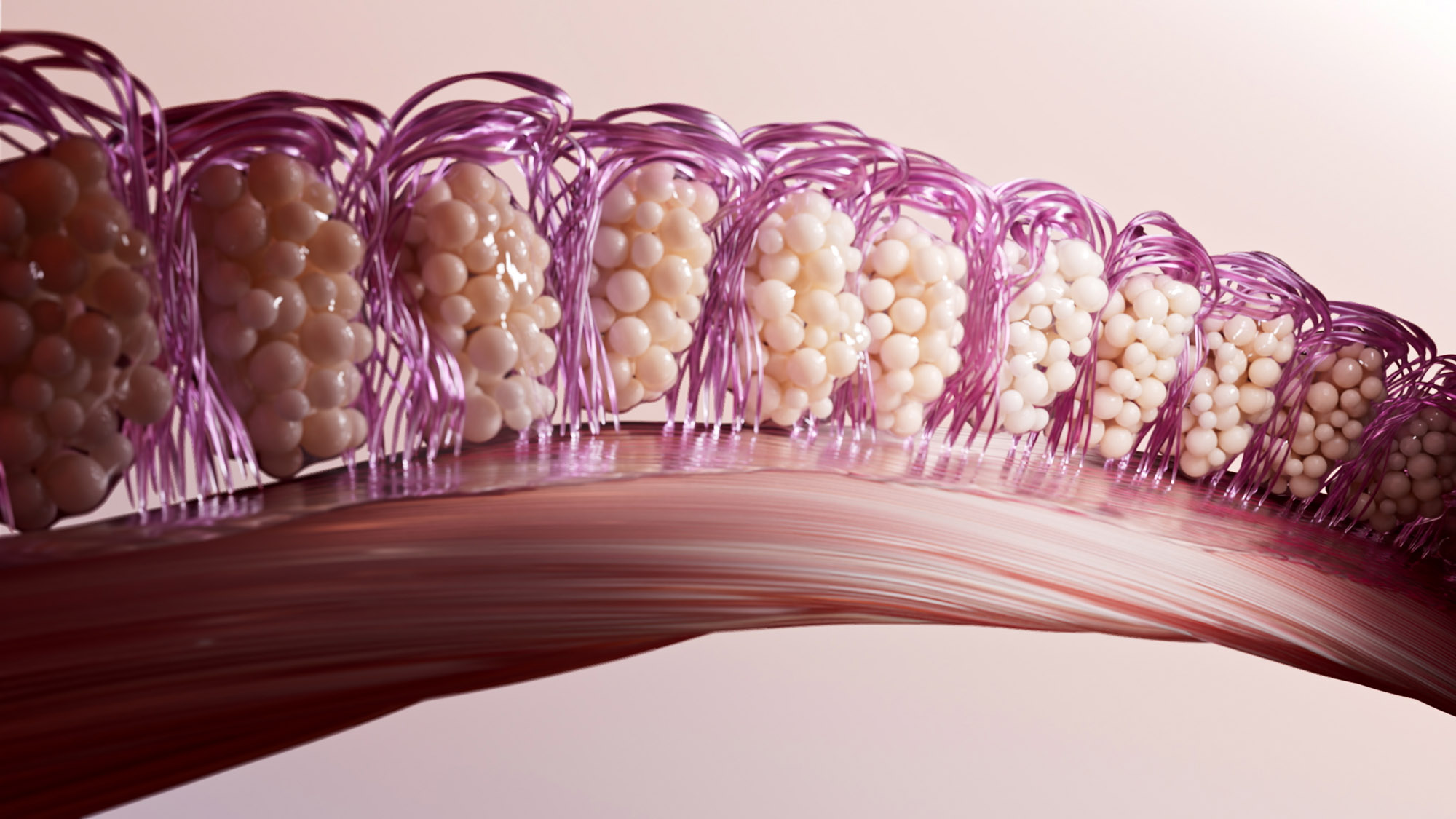
Illustration of low immunity, treated at Omnia Lifestyle clinic in Chiswick, West London

Low immunity at a glance

Everyone catches colds, and adults typically get two to four a year. Feeling that you catch everything, or that illnesses drag on, is common during periods of stress, poor sleep, heavy training or after a major illness. Most people do not have an immune disorder; lifestyle and nutrition factors are usually involved, though frequent or severe infections need medical tests.

Signs your immunity may be low

  • Catching colds more often than usual
  • Infections that last longer or keep coming back
  • Slow wound healing
  • Persistent tiredness and poor recovery

What can weaken immunity?

  • Short or poor-quality sleep
  • Chronic stress
  • Low vitamin D, iron, zinc or B12
  • Poorly controlled diabetes
  • Heavy alcohol use and smoking
  • Overtraining without recovery
  • Some medicines, such as steroids and immunosuppressants

How we help in Chiswick

What does the evidence say?

No treatment can boost a healthy immune system beyond normal. What works is correcting deficiencies, sleeping well, managing stress, moderate exercise and a varied diet. UK advice is to consider a vitamin D supplement in autumn and winter.

Why do I keep getting ill?

Frequent colds are common in people with young children, those who work with the public and during periods of stress or poor sleep. Recurrent infections can also follow low vitamin D or iron, poorly controlled diabetes, smoking or heavy alcohol use. Infections that are severe, unusual, keep coming back in the same place or need repeated antibiotics should be checked by a GP.

Does stress weaken the immune system?

Yes. Long-term stress raises cortisol and disrupts sleep, and both can dampen immune responses and make you more vulnerable to infections such as colds and cold sores. Managing stress through sleep, exercise, relaxation and social connection supports immune health.

Vitamin D and immunity

Vitamin D plays a role in immune function, and UK advice is to consider a daily 10 microgram supplement from October to March, when sunlight is too weak for the skin to make enough. People with darker skin or who spend little time outdoors may need it all year round. A blood test can check your level.

What to expect at Omnia

We ask how often you are ill, what infections you get, and about your sleep, stress, diet and health history, and may arrange a blood panel to check for deficiencies. Your plan focuses on sleep, nutrition, activity and stress, with Ayurvedic or acupuncture support if helpful. Anything that suggests an immune problem is passed to your GP.

What you can do at home

  • Sleep seven to nine hours
  • Eat a wide range of plants and enough protein
  • Exercise moderately and regularly
  • Keep up to date with recommended vaccines

For what each test shows, see private blood tests explained.

Related: immune support. Omnia Lifestyle, Chiswick W4. Book online or call 020 4515 0000.

Related Therapies & Services

Questions we are asked

Low Immunity: your questions answered

What are the signs of a weak immune system?

Signs can include catching infections often, infections that last a long time or keep coming back, slow wound healing and feeling run down. Many of these are also caused by stress and poor sleep, which are more common than a true immune problem.

What causes low immunity?

Common factors include poor sleep, stress, low vitamin D or iron, poor diet, smoking and heavy drinking. Some medicines, such as steroids and chemotherapy, and conditions such as diabetes also lower immunity.

Which blood tests check immunity?

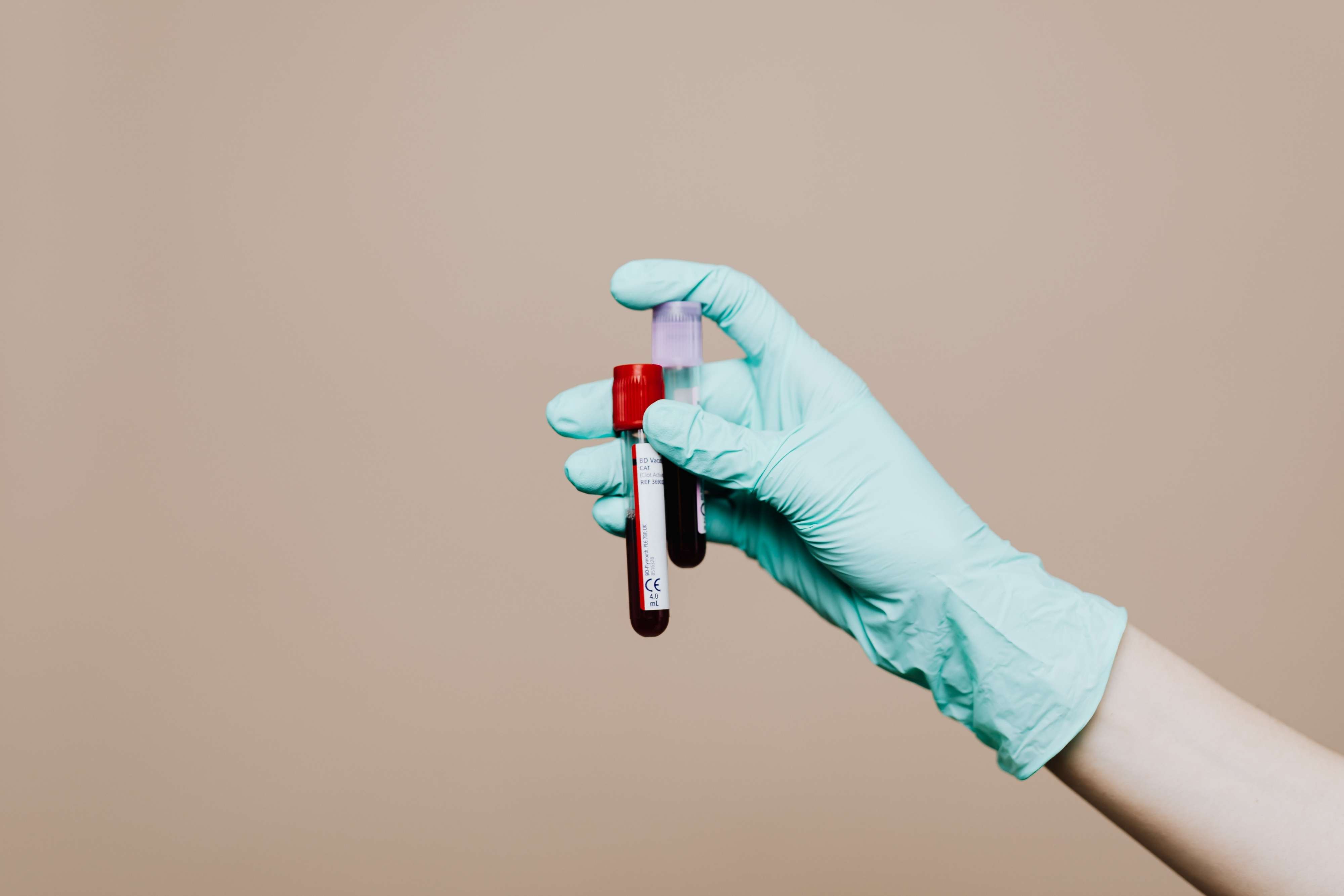
A full blood count, vitamin D, iron studies and B12 are commonly useful starting points. Your GP can arrange further immune tests if needed. Omnia offers private Randox panels with a clear results report.

How can I improve low immunity naturally?

Prioritise sleep, eat a varied diet with enough protein, stay active, manage stress, and consider vitamin D in autumn and winter. Tai chi and yoga may help through their effect on stress and sleep.

When should I see a doctor about frequent infections?

See your GP if you have more infections than usual, infections that need repeated antibiotics, unexplained weight loss, fevers or night sweats. These need medical investigation before any complementary support.

Thank you, we have your notes.

A member of our team will be in touch to arrange your call. If anything is urgent, please call 020 4515 0000.

An error has occurred somewhere and it is not possible to submit the form. Please try again later.

Book online

To book an appointment straight away you can use our book now button

Message us on WhatsApp