Close

Part of ourLongevitycare

Fatigue: what it is and how we help

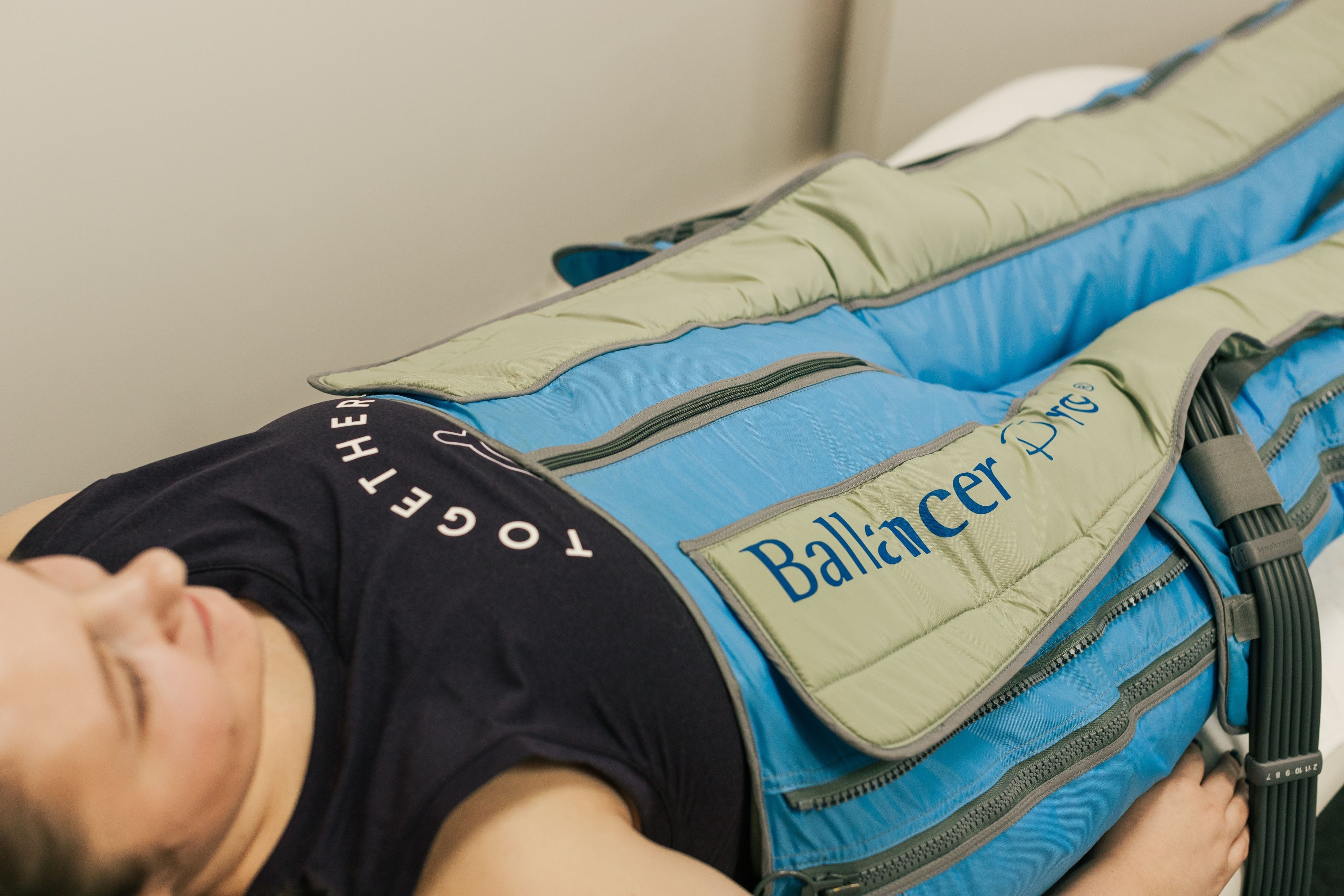
Fatigue is persistent exhaustion that rest does not resolve, affecting both physical performance and mental clarity. At Omnia Lifestyle in Chiswick we support it with acupuncture, restorative therapies and screening for underlying causes, combined after assessment.

Omnia Lifestyle, 8 to 9 Bedford Corner, The Avenue, Chiswick W4 1LZ. Two minutes from Turnham Green station. Call 020 4515 0000.
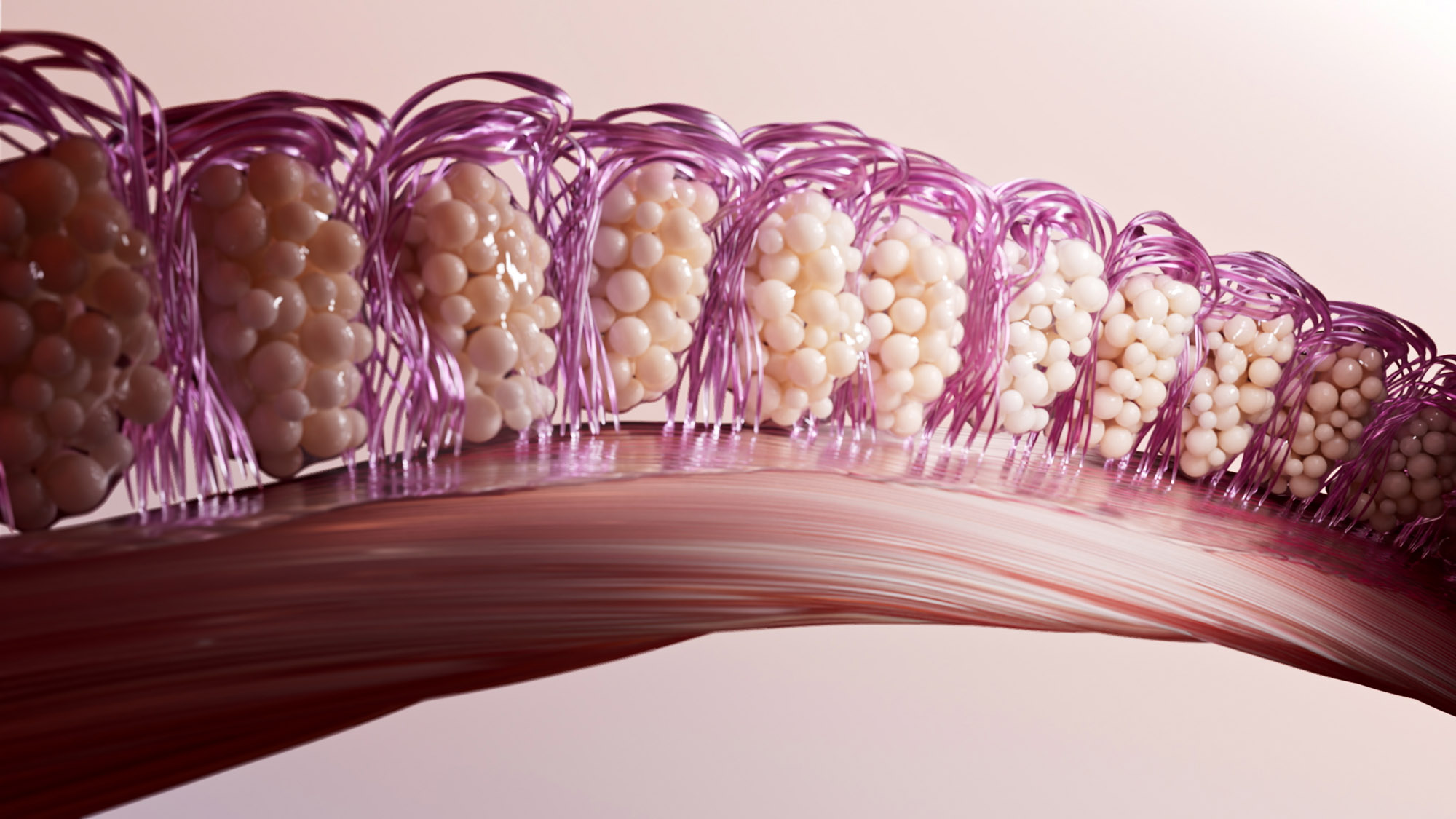
Illustration of fatigue, treated at Omnia Lifestyle clinic in Chiswick, West London

Fatigue at a glance

Fatigue is persistent tiredness that does not go away with normal rest. It is one of the most common reasons people see a GP. Most fatigue has identifiable causes, such as poor sleep, stress, anaemia, thyroid problems, low vitamin D or long-term illness, so the first step is to find the driver rather than simply push through.

Signs of fatigue

  • Exhaustion that affects work, family life or exercise
  • Waking unrefreshed
  • Needing to rest after everyday activities
  • Poor concentration and memory
  • Muscle heaviness and low motivation

Common causes of fatigue

  • Poor or disrupted sleep, including sleep apnoea
  • Stress, anxiety and depression
  • Iron deficiency anaemia, often from heavy periods
  • Underactive thyroid, diabetes and low vitamin B12 or D
  • Recovery from viral illness, including long COVID
  • Menopause, pregnancy and new parenthood
  • ME/CFS, when fatigue follows a specific pattern

How is fatigue investigated?

Your GP may check a full blood count, iron, thyroid, blood sugar, kidney and liver function, and vitamin levels. Treating any cause found often makes a clear difference.

How we help in Chiswick

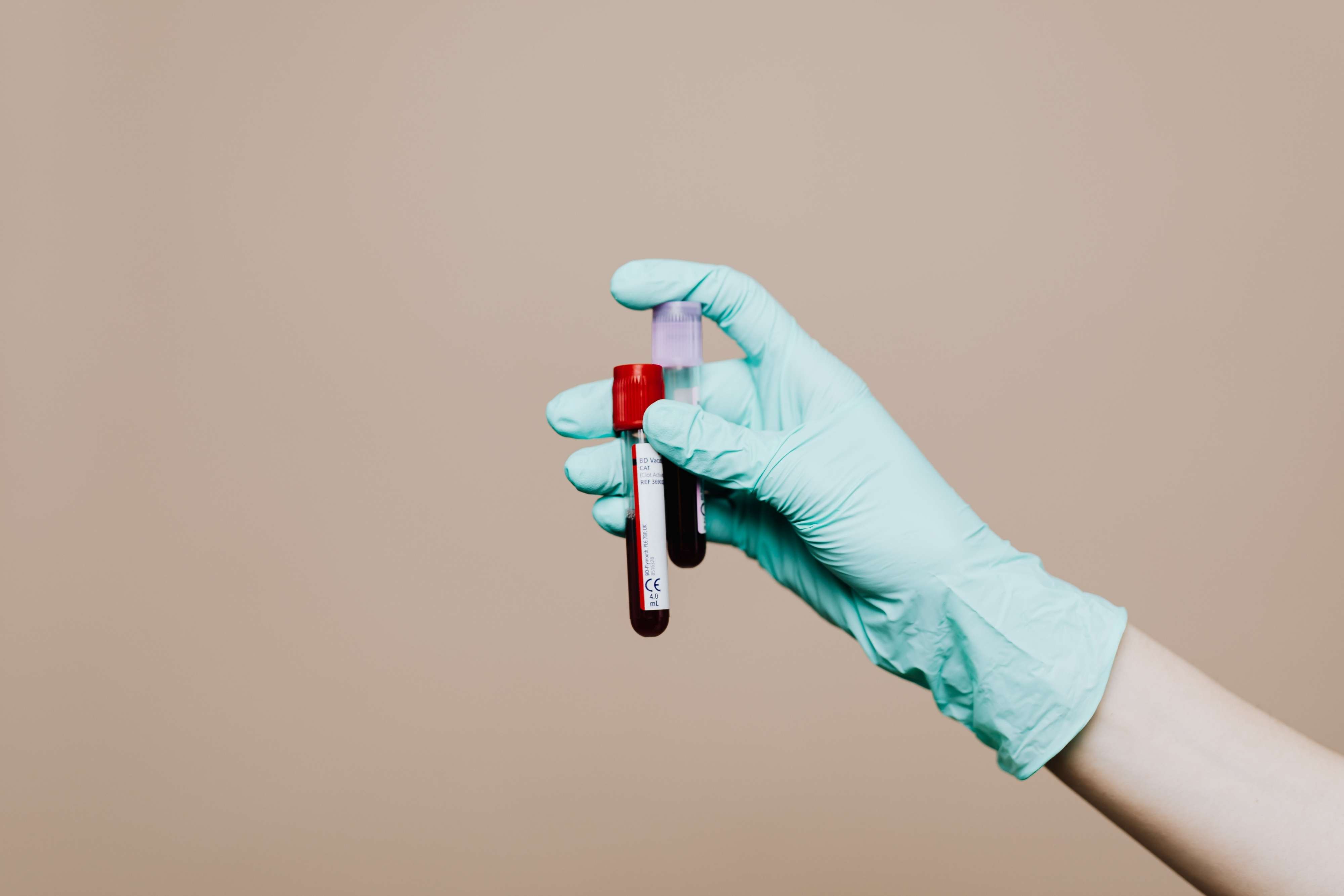
  • Blood tests: Randox panels for iron, ferritin, thyroid, B12, vitamin D and HbA1c.
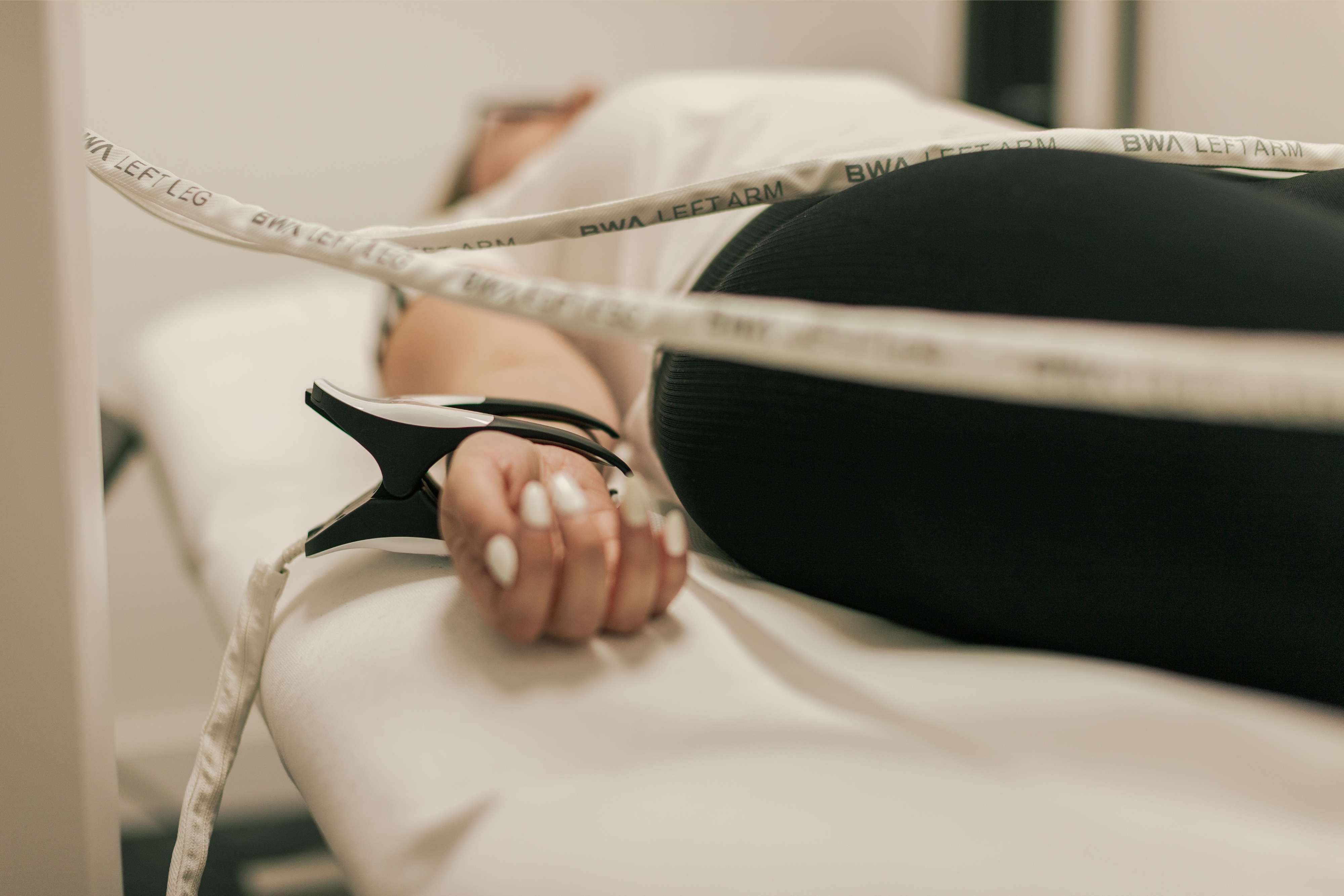
  • VedaPulse: heart rate variability to assess stress and recovery.
  • Ayurveda: routine, digestion and restorative therapies.
  • Acupuncture: often used for fatigue linked to stress and poor sleep.
  • Fitness and nutrition: gradual, sustainable activity and nutrition, once medical causes are excluded.

Why am I so tired all the time?

Start with the basics, because they are the most common causes. Are you getting seven to nine hours of sleep, and does snoring or waking in the night break it up? Has stress, low mood or anxiety increased? Are you eating regular meals, drinking enough water and limiting alcohol and late caffeine? Have your periods become heavier, or have you recently been ill? If tiredness has lasted more than a few weeks despite reasonable sleep, a blood test is a sensible next step, because low iron, low vitamin D or B12, thyroid problems and raised blood sugar are common and treatable.

Why are women more often tired all the time?

Women are more likely to have low iron from heavy periods or pregnancy, and more likely to develop thyroid conditions. Perimenopause and menopause can disrupt sleep through night sweats and hormonal change, and caring responsibilities alongside work add to the load. A ferritin test is particularly useful, because iron stores can be low before anaemia shows on a full blood count. See our pages on menopause symptoms and thyroid disorders.

What does the evidence say?

Correcting a proven deficiency, such as low iron or vitamin D, reliably improves energy in people who are deficient. Regular physical activity improves fatigue for most people, even when they feel too tired to start. Improving sleep routines and treating sleep apnoea or low mood also make a clear difference. For ME/CFS, activity needs to be managed differently, so pacing matters more than pushing on.

What to expect at Omnia

We start with a detailed conversation about your sleep, mood, diet, periods, activity and medical history, and arrange a Randox blood panel if you have not had recent tests. Results usually arrive within days, and your report shows where each result sits against the laboratory range. Your plan then targets the causes we find, whether that is nutrition, sleep routine, stress support or gradual activity. If anything needs a doctor, take your report to your GP.

What you can do at home

  • Keep regular sleep and wake times
  • Eat regular meals with protein and fibre
  • Get daylight in the morning
  • Limit alcohol and late caffeine

For the common causes and the blood tests that help, see our guide to why you may be tired all the time. If tiredness comes with dizziness, see whether tiredness can cause dizziness.

Blood tests that can help

Blood tests can look for treatable causes of tiredness, such as low iron, thyroid problems or low B12. Our Tired All The Time (£159) panel covers the common ones, and our guide to blood tests for anaemia explains the iron and blood count results. Blood tests are taken at our Chiswick clinic, with no GP referral, and you receive a clear results report, with a GP review available at an additional cost if you would like one. See every blood test and price.

Related: low energy. Omnia Lifestyle, Chiswick W4. Book online or call 020 4515 0000.

Related Therapies & Services

Questions we are asked

Fatigue: your questions answered

Why am I tired all the time?

Common causes include poor sleep, stress, anxiety or low mood, low iron, vitamin D or B12, an underactive thyroid, diabetes, some medicines and lifestyle factors such as diet, alcohol and inactivity. Often several factors combine.

What blood tests are useful for tiredness?

A full blood count, ferritin, vitamin D, B12 and folate, thyroid function and HbA1c are common starting points. Omnia offers Randox fatigue panels with results in days and a clear results report.

Why are women more often tired all the time?

Heavy periods causing low iron, thyroid conditions, pregnancy, the menopause and carrying more caring responsibilities all make tiredness more common in women. Blood tests help find physical causes.

How can I get my energy back?

Regular sleep and wake times, daily activity, balanced meals, limiting alcohol and caffeine and managing stress help most people. Treating any deficiency found on blood tests often makes a noticeable difference.

When should I see a GP about tiredness?

See your GP if tiredness lasts more than a few weeks, or comes with weight loss, night sweats, breathlessness, heavy periods, changes in bowel habit or low mood. Omnia can support you once serious causes are ruled out.

Thank you, we have your notes.

A member of our team will be in touch to arrange your call. If anything is urgent, please call 020 4515 0000.

An error has occurred somewhere and it is not possible to submit the form. Please try again later.

Book online

To book an appointment straight away you can use our book now button

Message us on WhatsApp