Close

Part of ourWomen's healthcare

Endometriosis & Adenomyosis: what it is and how we help

Endometriosis is a condition where tissue similar to the womb lining grows elsewhere, causing pelvic pain and heavy periods. At Omnia Lifestyle in Chiswick we offer supportive care alongside your gynaecology treatment, using acupuncture, gentle therapies and lifestyle support, combined after assessment.

Omnia Lifestyle, 8 to 9 Bedford Corner, The Avenue, Chiswick W4 1LZ. Two minutes from Turnham Green station. Call 020 4515 0000.
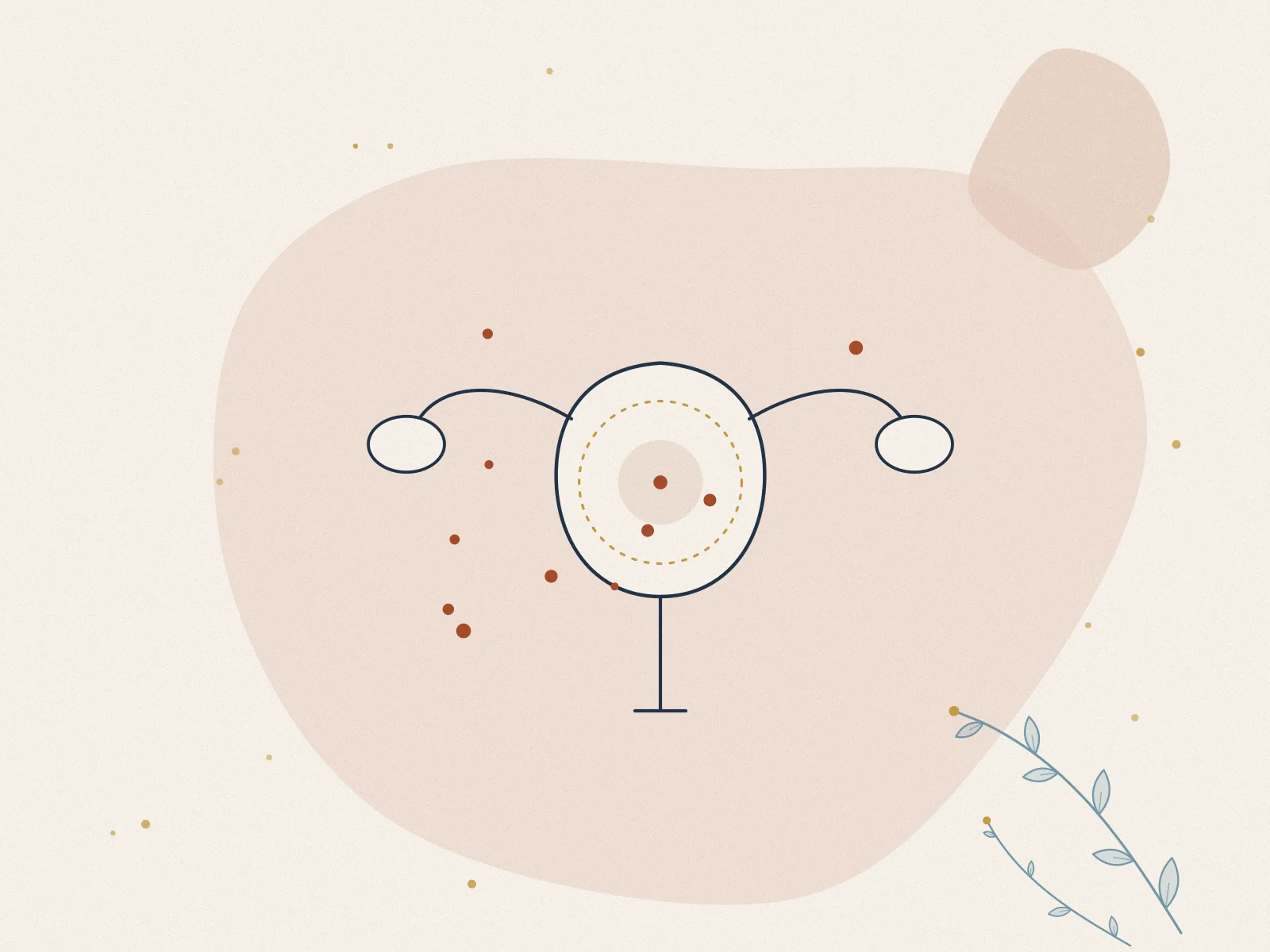
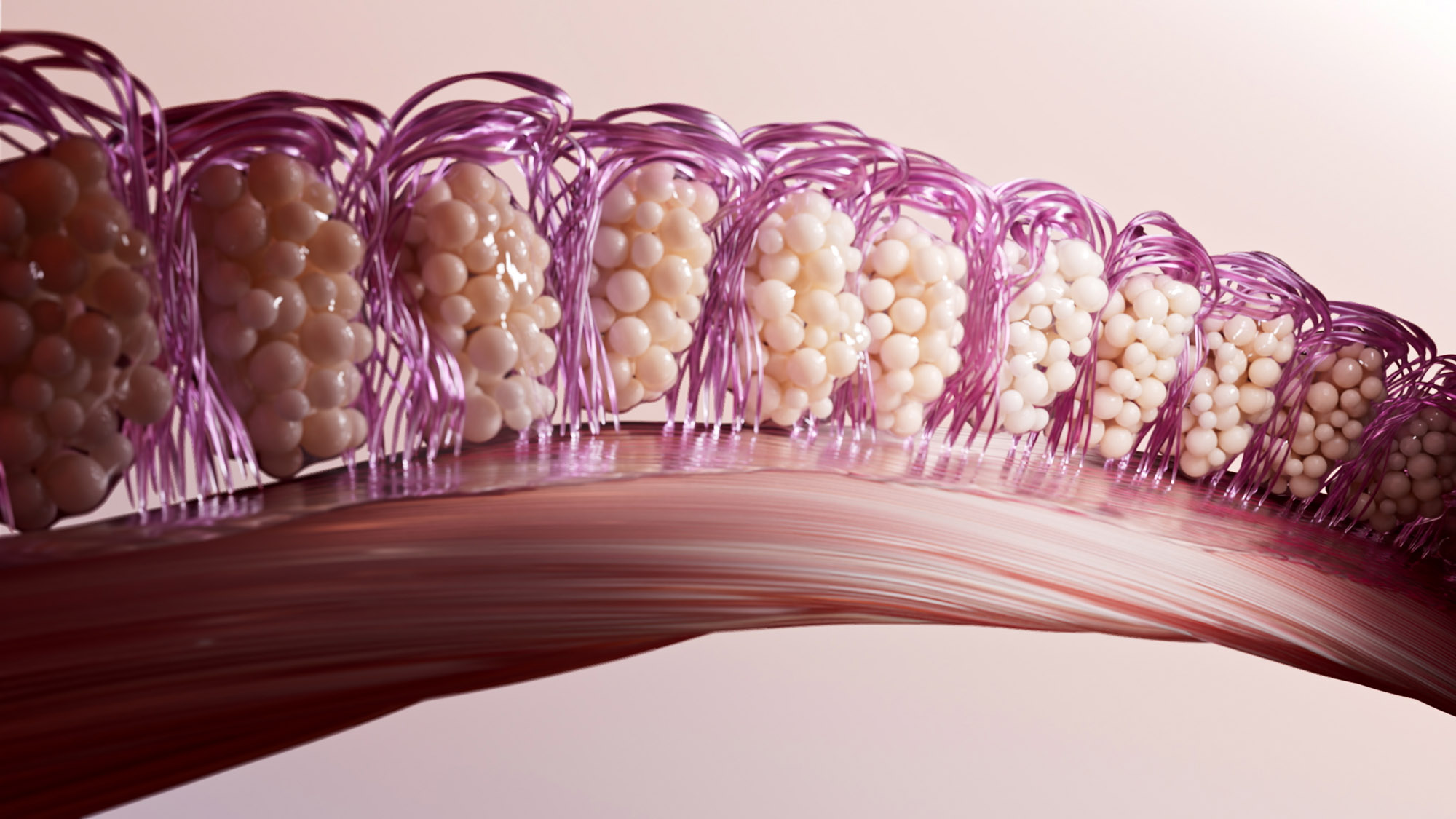
Illustration of endometriosis, treated at Omnia Lifestyle clinic in Chiswick, West London

Endometriosis and adenomyosis at a glance

Endometriosis and adenomyosis are related conditions in which tissue similar to the womb lining grows where it should not. In endometriosis it grows outside the womb, on the ovaries, bowel or pelvic lining. In adenomyosis it grows into the muscle wall of the womb itself. Both can cause painful, heavy periods, and many people have both. Diagnosis and medical treatment come first; supportive care can help you live better alongside it.

Symptoms

  • Severe period pain that stops you working or sleeping
  • Pelvic pain between periods and pain during or after sex
  • Heavy or prolonged bleeding, often with clots (common in adenomyosis)
  • A bulky, tender womb and pressure or bloating
  • Painful bowel movements or urination during periods
  • Fatigue, low mood and difficulty getting pregnant for some

What is the difference between endometriosis and adenomyosis?

Endometriosis affects around one in ten women of reproductive age in the UK and is usually confirmed by laparoscopy. Adenomyosis is often diagnosed by ultrasound or MRI, is more common in the late 30s and 40s and after pregnancy, and typically causes heavy bleeding as well as pain. It usually settles after the menopause.

How are they treated?

Your GP or gynaecologist may offer pain relief, hormonal treatments such as the pill or a hormonal coil, and in some cases surgery. Diagnosis in the UK can take years, so a symptom diary helps you and your doctor.

What does endometriosis pain feel like?

Many people describe deep, cramping or stabbing pelvic pain that is far worse than typical period pain and is not controlled by usual painkillers. Pain can spread to the lower back and legs, and some people feel sharp pain during bowel movements, when passing urine or during sex. Pain may start days before a period and continue after it. The amount of pain does not always match how much endometriosis is present.

Endometriosis, adenomyosis and fertility

Many people with endometriosis or adenomyosis conceive naturally, but both can make it harder for some. If you are trying to get pregnant, speak to your GP early rather than waiting the usual year, especially if you are over 35. Options range from surgery to IVF, and your gynaecologist can advise what suits you. See our fertility page for supportive care alongside medical treatment.

How we support endometriosis and adenomyosis in Chiswick

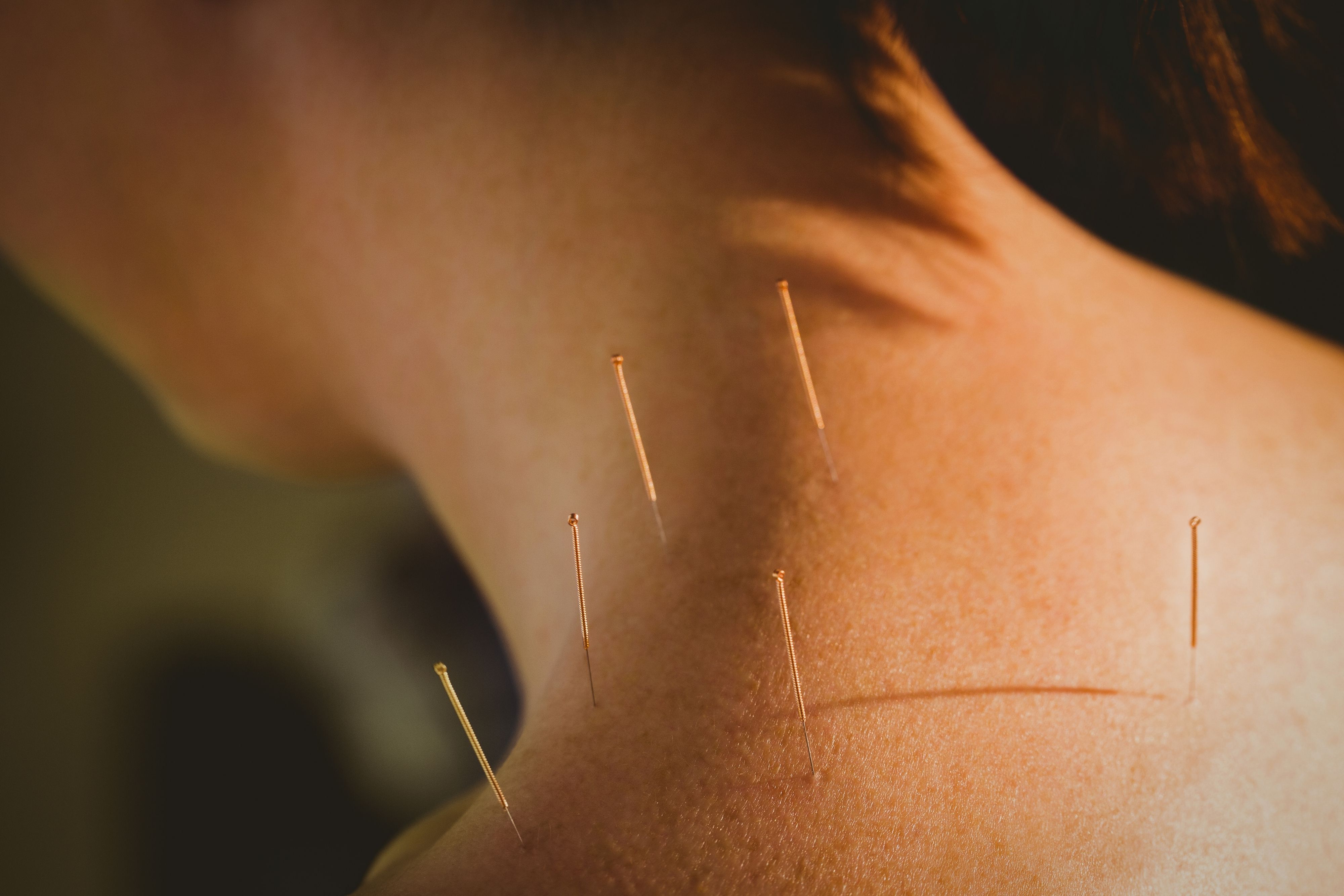
  • Acupuncture: some trials suggest it can reduce period and pelvic pain; we time sessions around your cycle.
  • Red light therapy: warmth and muscle relaxation during painful periods; evidence specific to endometriosis and adenomyosis is still early.
  • Physiotherapy: help with pelvic, hip and lower back muscle tension that builds up around chronic pain.
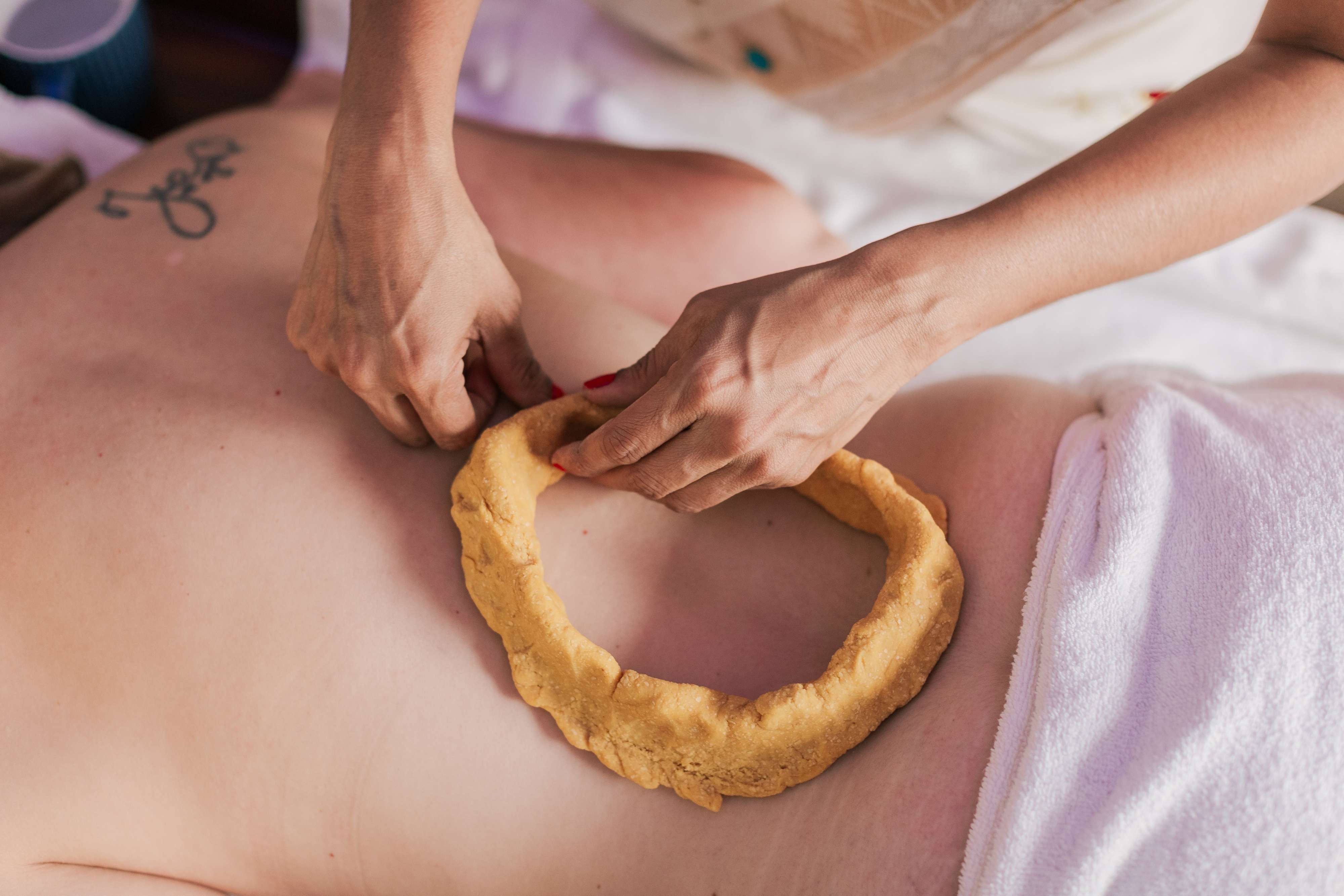
  • Ayurveda and yoga: an anti-inflammatory eating pattern, gentle movement and stress support.
  • Blood tests: checking iron and ferritin when heavy bleeding leaves you tired.

What does the evidence say?

Complementary therapies do not remove endometriosis or adenomyosis. Small studies report benefit from acupuncture for pain, and regular exercise and a balanced diet can improve overall wellbeing. We are honest about what each option can and cannot do.

Living with endometriosis day to day

  • Plan lighter days around the part of your cycle when pain is usually worst
  • Talk to your employer about adjustments; endometriosis can count as a disability at work
  • Connect with Endometriosis UK for support groups and resources
  • Look after sleep and stress, which both affect pain

What to expect at Omnia

Your first appointment covers your symptoms, cycle, diagnosis so far and current treatment. We then agree a plan that may include acupuncture timed to your cycle, physiotherapy for pelvic and back muscle tension, and Ayurvedic or nutrition guidance, reviewed regularly. We work alongside your GP or gynaecologist and will encourage you to see them if anything changes.

What you can do at home

  • Keep a pain and bleeding diary across three cycles
  • Use heat on the lower abdomen during flares
  • Try gentle movement and stretching rather than complete rest
  • Ask your GP about iron testing if periods are heavy

See our guides to how endometriosis is diagnosed and how to stop period pain fast.

Read about acupuncture and fertility or visit our women's health hub. Omnia Lifestyle is at 8 to 9 Bedford Corner, Chiswick W4, two minutes from Turnham Green. Book online or call 020 4515 0000.

Related Therapies & Services

Questions we are asked

Endometriosis & Adenomyosis: your questions answered

What is endometriosis?

Endometriosis is a condition where tissue similar to the lining of the womb grows in other places, such as the ovaries and pelvis. It can cause painful periods, pelvic pain, pain during sex, fatigue and fertility problems.

What causes endometriosis?

The exact cause is not known. Theories include retrograde menstruation, genetics and immune system factors. It is not caused by anything you did, and it affects around one in ten women of reproductive age in the UK.

How is endometriosis diagnosed?

A GP may suspect it from your symptoms, and an ultrasound can show some types. A laparoscopy, a keyhole operation, is often needed to confirm it. Diagnosis in the UK often takes several years, so keep a symptom diary.

Does endometriosis go away?

There is no cure, but symptoms can be managed with pain relief, hormone treatment and surgery. Symptoms often ease after the menopause. Complementary therapies can support pain and wellbeing alongside medical care.

Can red light therapy help adenomyosis?

Red light therapy is not a treatment for adenomyosis itself, and research in this area is at an early stage. Some people use it for comfort and muscle tension during painful periods, alongside medical care. At Omnia we discuss it honestly as a supportive option after assessment.

Thank you, we have your notes.

A member of our team will be in touch to arrange your call. If anything is urgent, please call 020 4515 0000.

An error has occurred somewhere and it is not possible to submit the form. Please try again later.

Book online

To book an appointment straight away you can use our book now button

Message us on WhatsApp