Close

Part of ourMusculoskeletal (MSK) conditionscare

Complex Regional Pain Syndrome: what it is and how we help

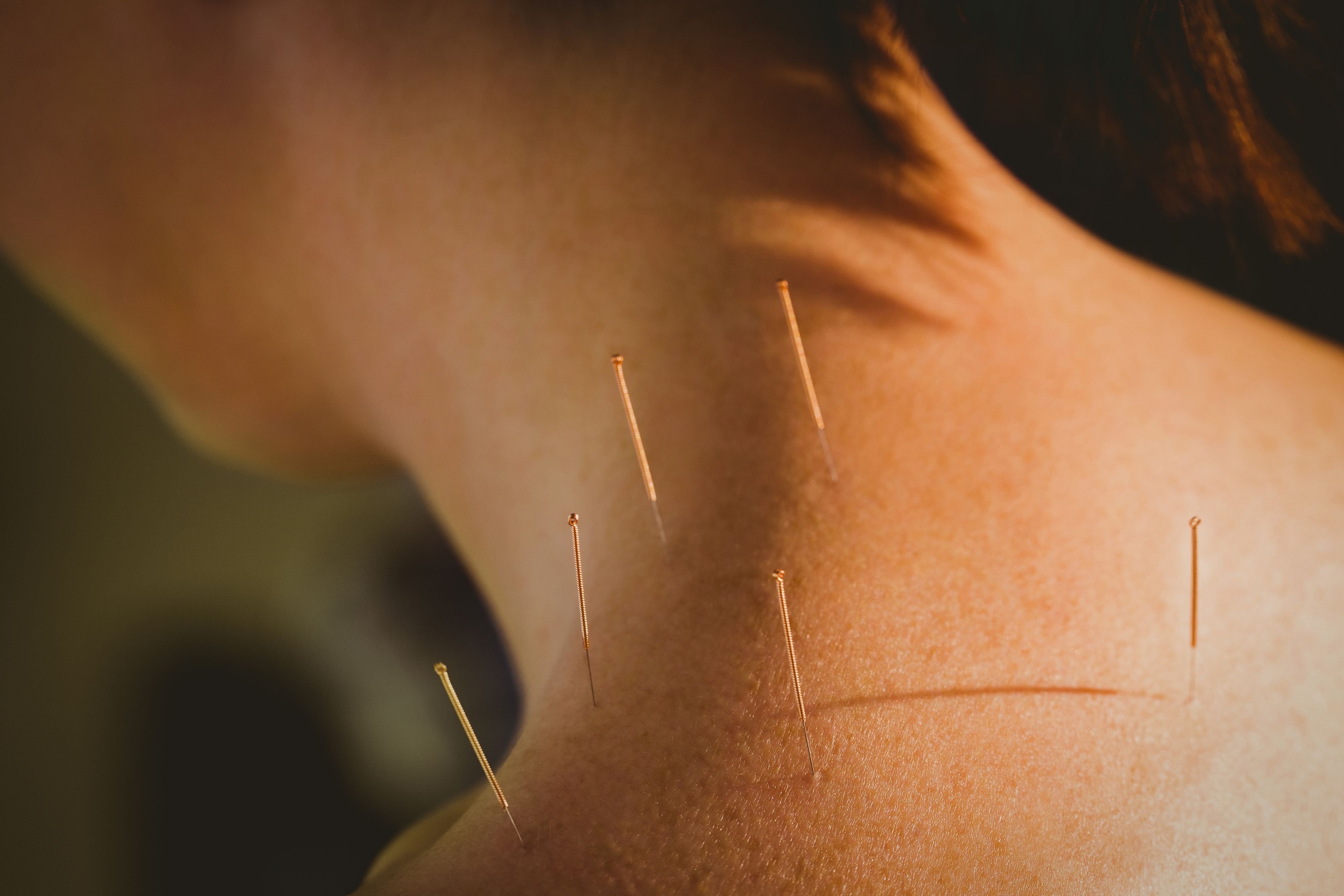
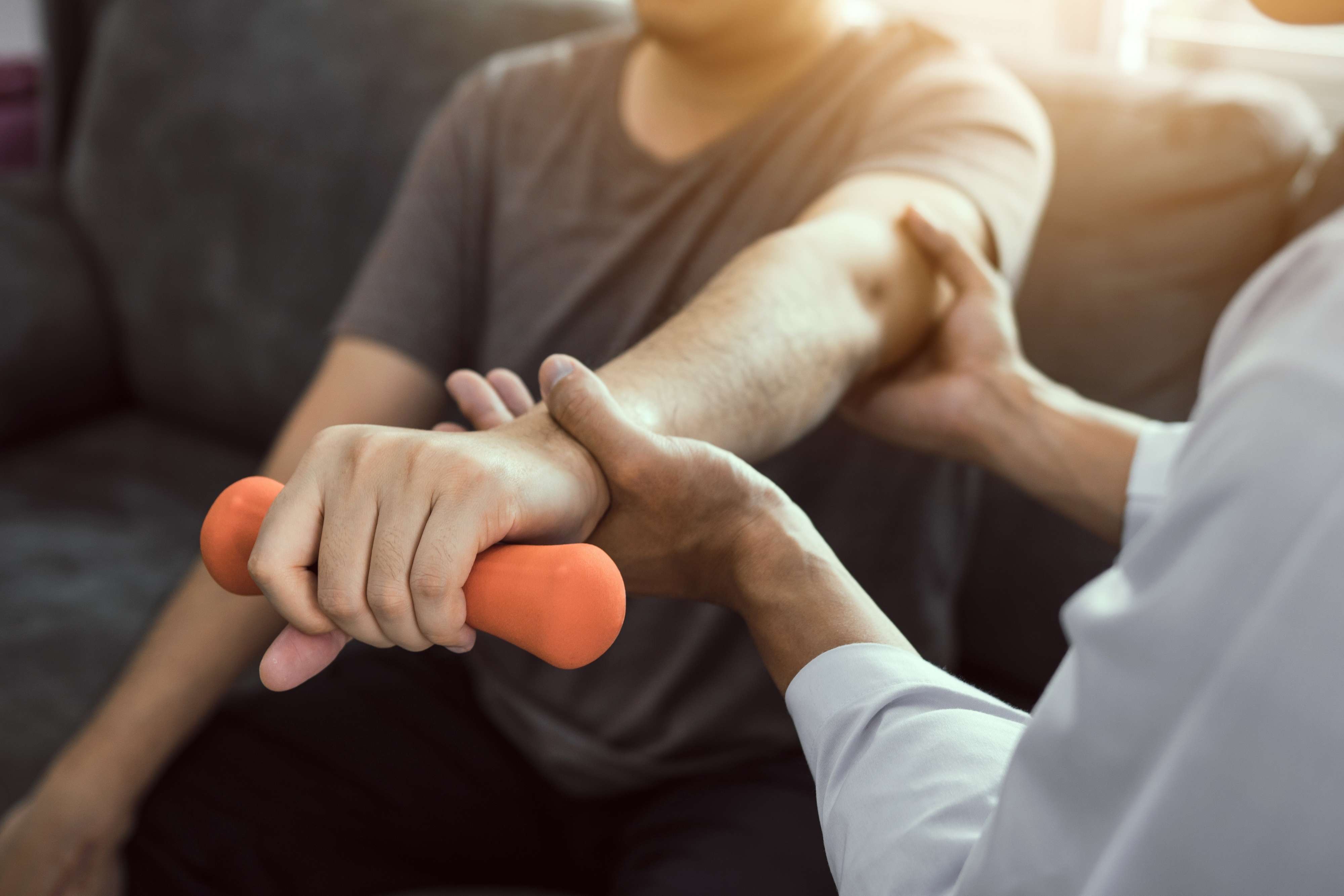
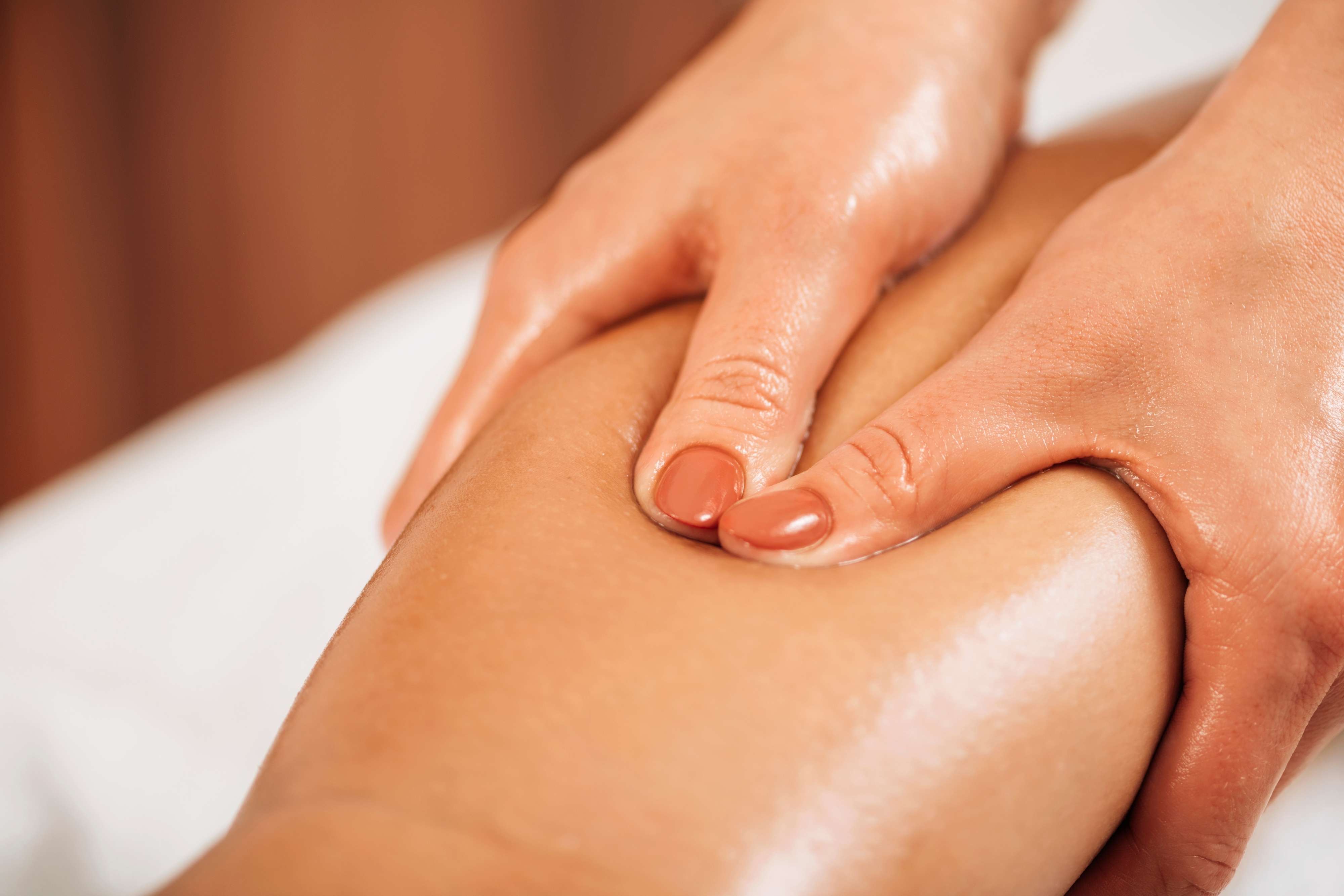
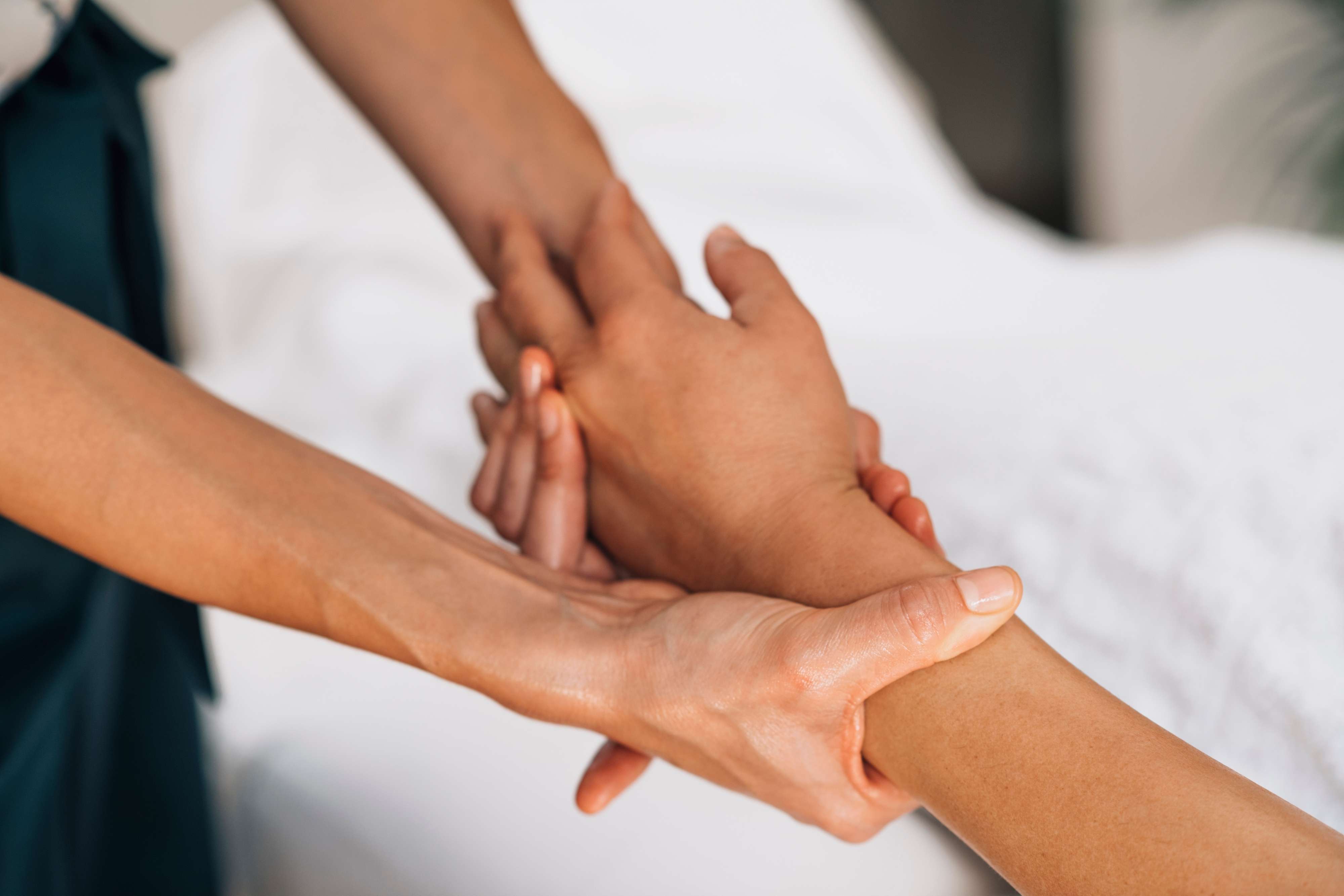
CRPS is persistent, severe pain usually in a limb after injury, out of proportion to the original damage. At Omnia Lifestyle in Chiswick we support it with acupuncture, physiotherapy and manual lymphatic drainage, combined after assessment.

Omnia Lifestyle, 8 to 9 Bedford Corner, The Avenue, Chiswick W4 1LZ. Two minutes from Turnham Green station. Call 020 4515 0000.
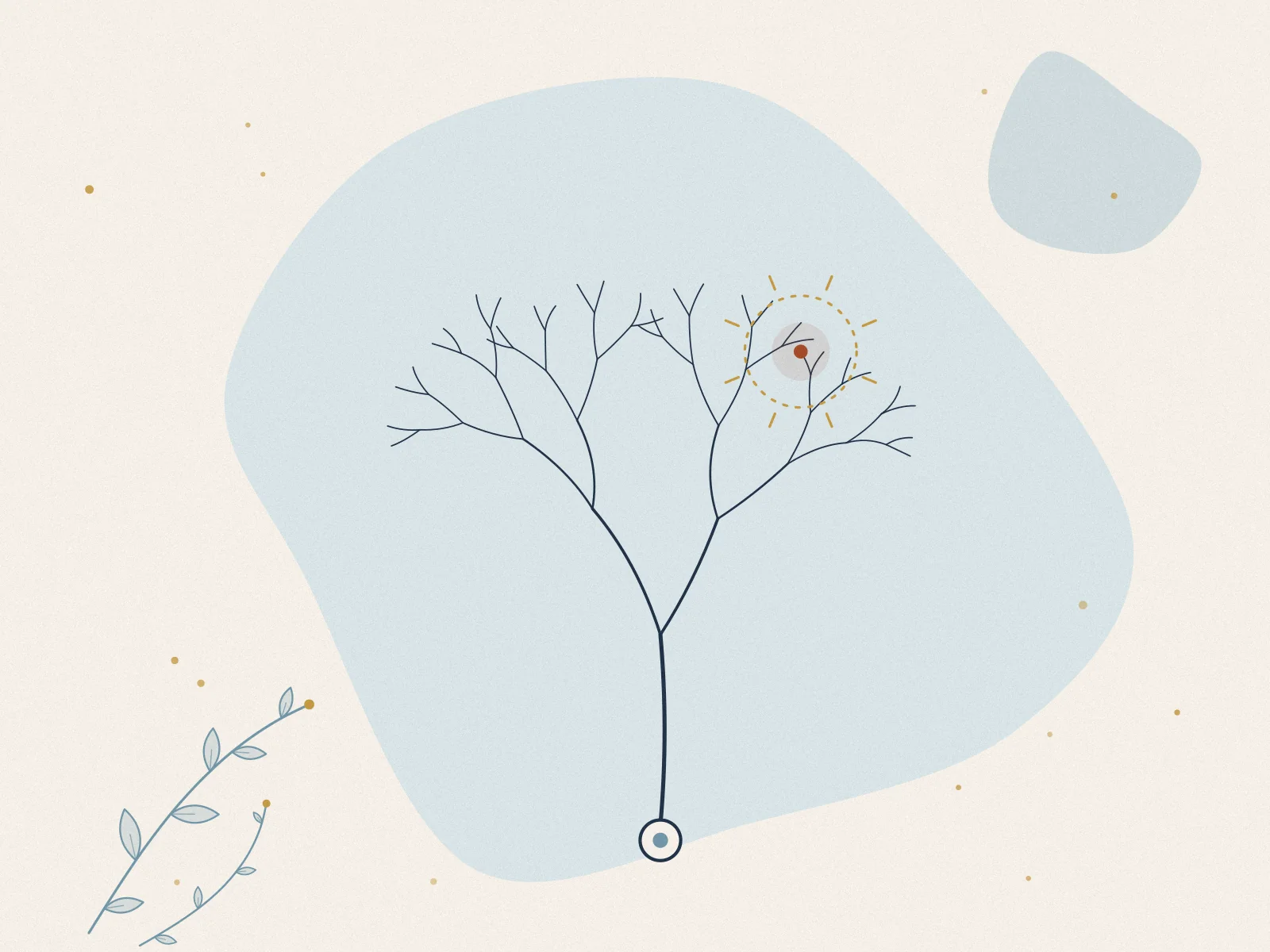
Illustration of complex regional pain syndrome, treated at Omnia Lifestyle clinic in Chiswick, West London

Complex regional pain syndrome at a glance

Complex regional pain syndrome (CRPS) is a condition in which severe, persistent pain develops in a limb, usually after an injury, fracture or surgery, and is far greater than expected from the original injury. It involves changes in how the nervous system processes pain. Early diagnosis and active rehabilitation give the best chance of improvement, and many people do improve.

Symptoms of CRPS

  • Burning, stabbing or throbbing pain in an arm, hand, leg or foot
  • Extreme sensitivity to touch, even clothing or bed sheets
  • Changes in skin colour, temperature and swelling
  • Stiffness and reduced movement
  • Changes to hair and nail growth
  • A sense that the limb does not feel like your own

How is CRPS treated?

UK guidelines from the Royal College of Physicians recommend early rehabilitation, pain education, physiotherapy and occupational therapy, psychological support and medication where needed. Specialist pain services manage more severe cases.

How we support CRPS in Chiswick

What does the evidence say?

Early, graded rehabilitation and graded motor imagery have the best evidence. Keeping the limb moving and used, within tolerance, helps prevent stiffness and worsening. We work alongside your pain team.

What causes CRPS?

CRPS usually develops after an injury such as a fracture, sprain or surgery, although sometimes the trigger is minor. The exact cause is not fully understood, but it involves changes in the nerves, immune response, blood flow and how the brain processes signals from the affected limb. It is more common in women and after wrist fractures.

Can CRPS go away?

Many people improve significantly, especially when CRPS is recognised and treated early, and some recover fully within a year or two. For others it becomes a long-term condition that can be managed. Staying engaged with rehabilitation, even when progress feels slow, gives the best chance of improvement.

What is graded motor imagery?

Graded motor imagery is a step-by-step programme that retrains the brain's map of the painful limb. It starts with recognising left and right images of hands or feet, moves on to imagining movements, then uses mirror therapy before progressing to real movement. It has evidence in CRPS and is best guided by a physiotherapist.

What to expect at Omnia

Your first appointment covers your injury, diagnosis, treatment so far and how CRPS affects your day. Your physiotherapist assesses the limb gently and at your pace, then sets a graded plan that may include desensitisation, graded motor imagery and gradual movement. We can add psychological support and coordinate with your pain team.

What you can do at home

  • Use the affected limb gently in daily tasks
  • Gradually expose the skin to different textures
  • Pace activity to avoid flares
  • Contact Burning Nights CRPS Support for information

Related: fibromyalgia and rehabilitation. Omnia Lifestyle, Chiswick W4. Book online or call 020 4515 0000.

Related Therapies & Services

Questions we are asked

Complex Regional Pain Syndrome: your questions answered

What is CRPS?

Complex regional pain syndrome is a persistent pain condition, usually in an arm or leg, that develops after an injury, surgery or fracture. The pain is far greater than expected, with changes in skin colour, temperature, swelling and sensitivity to touch.

What causes CRPS?

CRPS is thought to involve changes in the nerves, immune system and brain after an injury, which keep pain signals active after the tissue has healed. It is not caused by anything you did, and early treatment gives the best chance of improvement.

How is CRPS diagnosed?

A doctor diagnoses CRPS from your symptoms and examination using the Budapest criteria, after ruling out other causes. If you suspect CRPS after an injury, ask your GP or consultant for early referral to a pain or specialist team.

How is CRPS treated?

Treatment usually combines medication, physiotherapy to keep the limb moving, graded desensitisation, mirror therapy and pain psychology. Early, gentle movement is important. At Omnia, physiotherapy and carefully paced acupuncture or lymphatic drainage can support your specialist plan.

Which is worse, CRPS type 1 or type 2?

Type 1 develops without a confirmed nerve injury and type 2 after a known nerve injury. Symptoms and treatment are similar, and severity varies from person to person rather than by type.

Thank you, we have your notes.

A member of our team will be in touch to arrange your call. If anything is urgent, please call 020 4515 0000.

An error has occurred somewhere and it is not possible to submit the form. Please try again later.

Book online

To book an appointment straight away you can use our book now button

Message us on WhatsApp