Close

Part of ourWomen's healthcare

Interstitial Cystitis: what it is and how we help

Interstitial cystitis is chronic bladder pain and urinary frequency without infection. At Omnia Lifestyle in Chiswick we support it with acupuncture, physiotherapy and gentle restorative therapies, combined after assessment and alongside urology care.

Omnia Lifestyle, 8 to 9 Bedford Corner, The Avenue, Chiswick W4 1LZ. Two minutes from Turnham Green station. Call 020 4515 0000.
Illustration of interstitial cystitis, treated at Omnia Lifestyle clinic in Chiswick, West London

Interstitial cystitis at a glance

Interstitial cystitis, also called bladder pain syndrome, is a long-term condition causing bladder pain, pressure and a frequent, urgent need to pass urine, without an infection. It is more common in women and can have a big impact on sleep, work and relationships. There is no single cure, but a combination of approaches helps most people.

Symptoms of interstitial cystitis

  • Pain or pressure in the bladder and pelvis, often easing after urinating
  • Needing to urinate frequently, including at night
  • A sudden, strong urge to go
  • Pain during sex
  • Symptoms that flare with certain foods, stress or around periods

How is it diagnosed and treated?

A GP or urologist will rule out infection and other causes. Treatment may include diet changes, bladder training, medication, and bladder instillations from a specialist. Pelvic floor physiotherapy is recommended for people with tight or tender pelvic floor muscles.

How we support interstitial cystitis in Chiswick

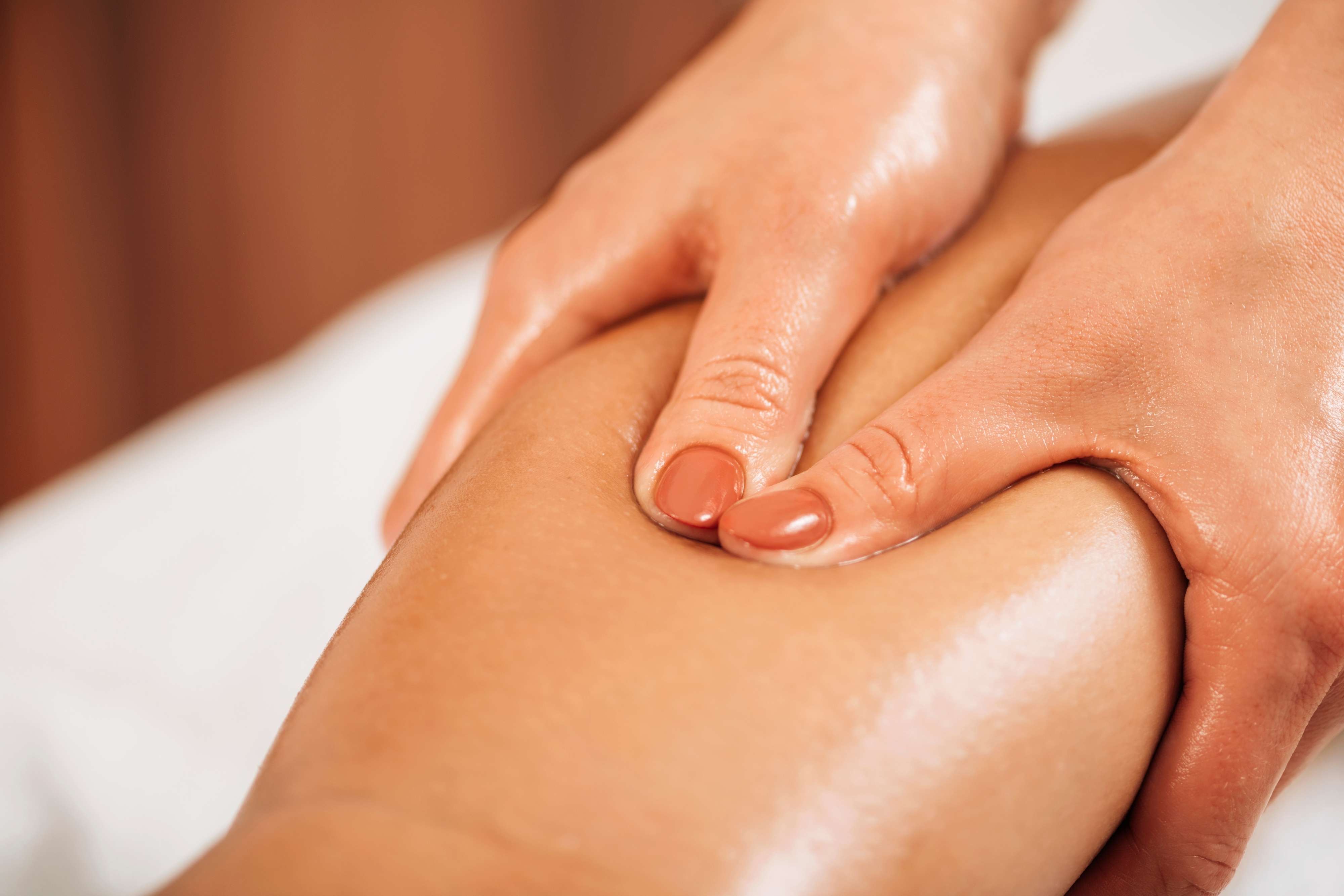
  • Physiotherapy: assessment of pelvic, hip and abdominal muscle tension, with onward referral to specialist pelvic health physiotherapy where needed.
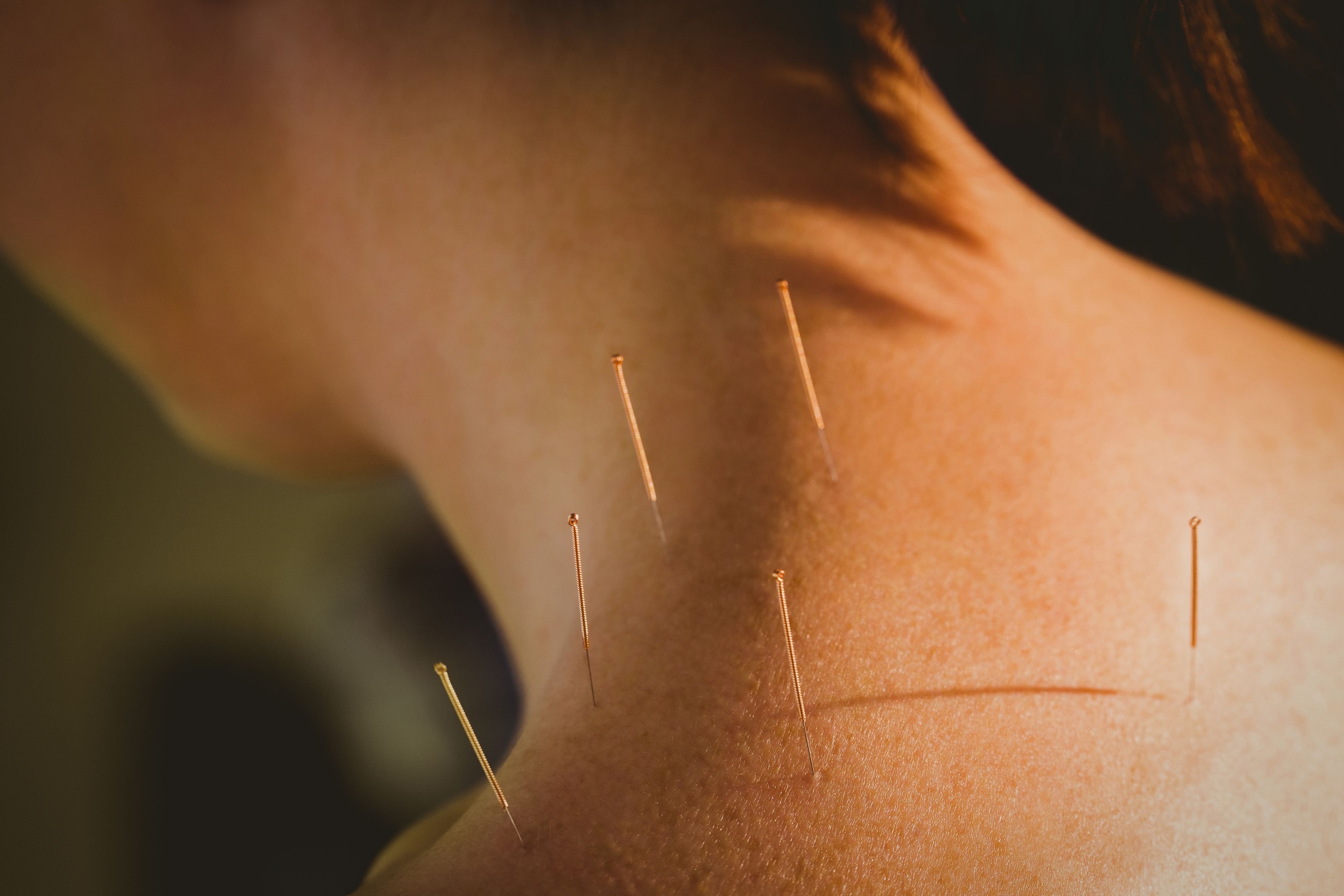
  • Acupuncture: small studies suggest it may reduce pelvic pain for some people.
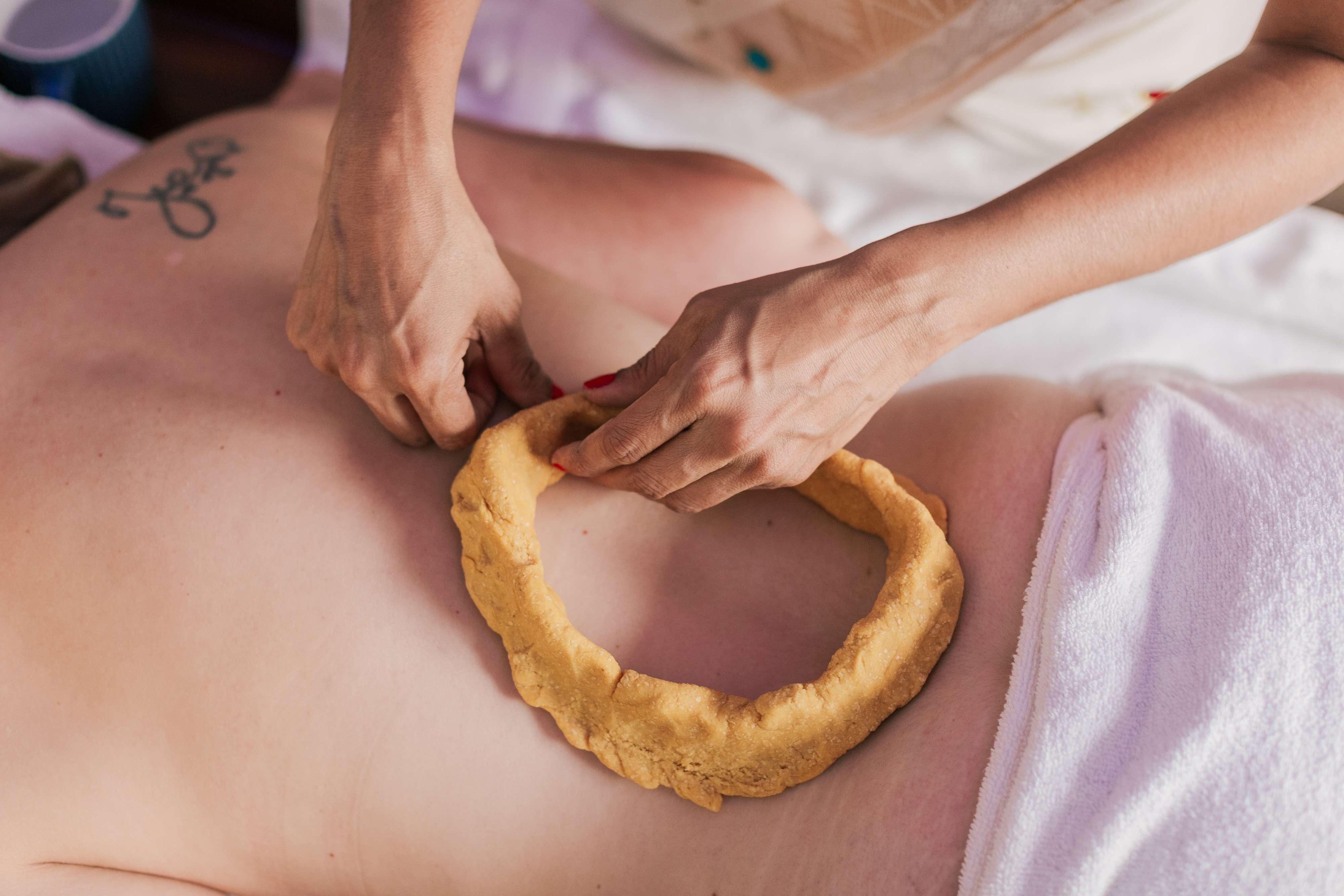
  • Ayurveda: diet and routine guidance to help identify trigger foods.
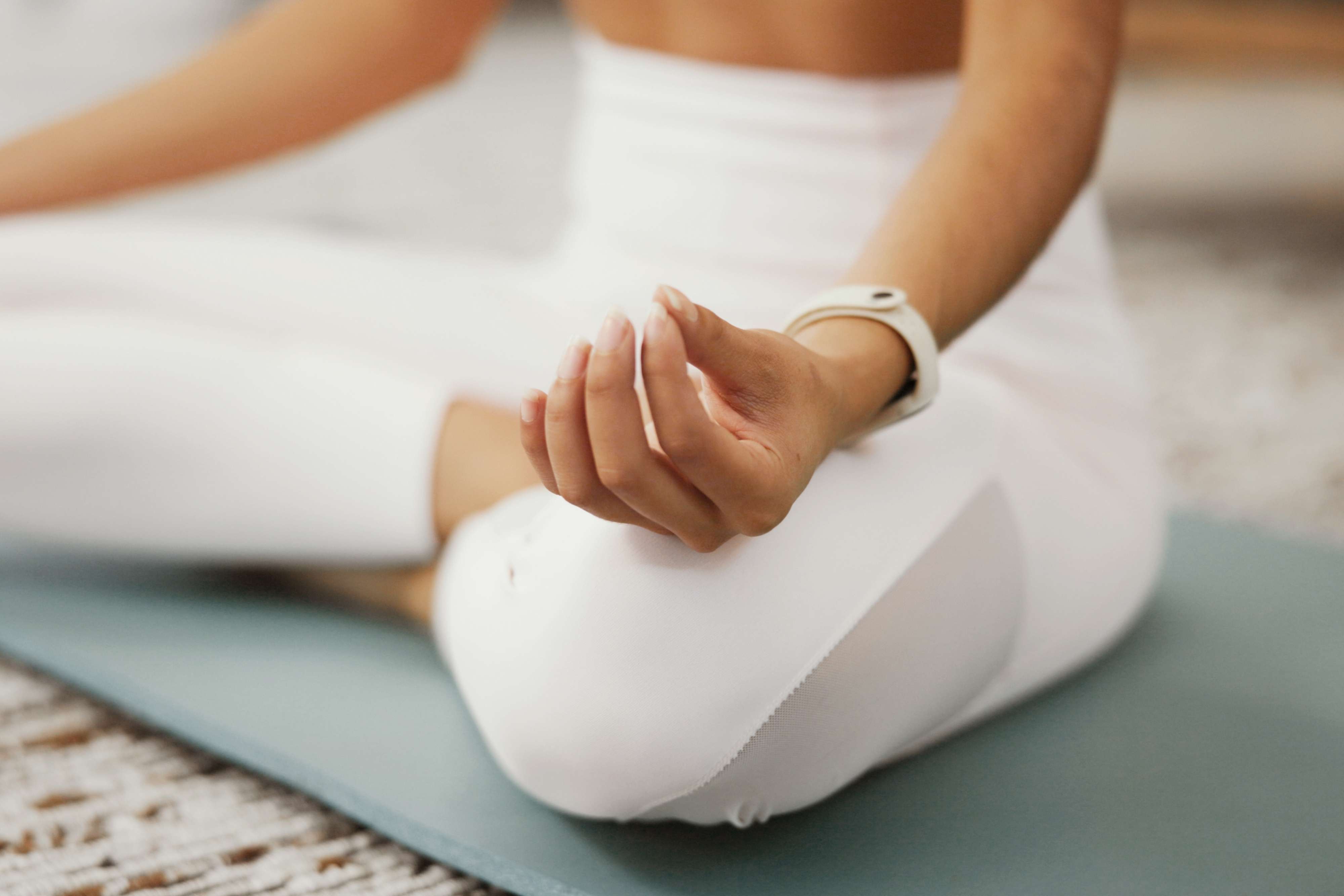
  • Yoga: gentle movement and relaxation to reduce muscle guarding and stress.
  • Psychological support: for living with chronic pelvic pain.

What does the evidence say?

Pelvic floor muscle release therapy has some of the best evidence among non-drug treatments. Diet changes help many people. Evidence for acupuncture is limited but encouraging.

Interstitial cystitis or a UTI?

A urinary tract infection usually comes on suddenly with burning when passing urine, cloudy or smelly urine and sometimes fever, and clears with antibiotics. Interstitial cystitis causes similar urgency and pain, but urine tests are clear and antibiotics do not help. Many people are treated for repeated infections before interstitial cystitis is considered.

What foods trigger interstitial cystitis?

Triggers vary, but common ones include coffee, tea, alcohol, fizzy drinks, citrus fruits and juices, tomatoes, spicy foods, artificial sweeteners and chocolate. Removing likely triggers and reintroducing them one at a time while keeping a diary helps identify yours without restricting your diet more than necessary.

Pelvic floor tension and bladder pain

Many people with bladder pain have tight, overactive pelvic floor muscles rather than weak ones, which can worsen pain, urgency and pain during sex. Strengthening exercises may not help in this case. Specialist pelvic health physiotherapy focuses on relaxing and releasing these muscles.

What to expect at Omnia

We take a detailed history of your symptoms, triggers, tests and treatment so far, and how bladder pain affects daily life and relationships. Your plan may include physiotherapy for pelvic, hip and abdominal tension, with referral to specialist pelvic health care where needed, alongside acupuncture, diet support and stress management. We work alongside your GP or urologist.

What you can do at home

  • Keep a bladder and food diary to find triggers
  • Common triggers include caffeine, alcohol, citrus, spicy foods and fizzy drinks
  • Drink enough water, spread through the day
  • Use a heat pad on the lower abdomen during flares

Visit our women's health hub. Omnia Lifestyle, Chiswick W4. Book online or call 020 4515 0000.

Related Therapies & Services

Questions we are asked

Interstitial Cystitis: your questions answered

What is interstitial cystitis?

Interstitial cystitis, also called bladder pain syndrome, is a long-term condition causing pelvic or bladder pain, a frequent and urgent need to pass urine and discomfort as the bladder fills, without a urine infection.

How is it different from a UTI?

A urine infection usually comes on suddenly and clears with antibiotics, and a urine test shows bacteria. Interstitial cystitis causes similar symptoms but tests are clear and it lasts for months. A GP or urologist makes the diagnosis.

Will interstitial cystitis go away?

It is usually a long-term condition, but symptoms often come and go, and many people find the right combination of treatments reduces flare-ups. Treatment includes diet changes, bladder training, medicines and pelvic floor physiotherapy.

How can I calm a flare-up?

Heat on the lower tummy, avoiding trigger foods and drinks such as caffeine, alcohol and acidic foods, relaxation techniques and prescribed medication help many people. Speak to your GP about a flare-up plan.

Can acupuncture help interstitial cystitis?

Some small studies suggest acupuncture may reduce pelvic pain for some people, although evidence is limited. We use it alongside your medical care to support pain and stress, at our Chiswick clinic.

Thank you, we have your notes.

A member of our team will be in touch to arrange your call. If anything is urgent, please call 020 4515 0000.

An error has occurred somewhere and it is not possible to submit the form. Please try again later.

Book online

To book an appointment straight away you can use our book now button

Message us on WhatsApp