Close

Part of ourMusculoskeletal (MSK) conditionscare

Tennis Elbow: what it is and how we help

Tennis elbow is pain on the outer elbow caused by overload of the forearm tendons, common far beyond tennis courts. At Omnia Lifestyle in Chiswick we treat it with acupuncture, physiotherapy and manual therapy, combined after assessment.

Omnia Lifestyle, 8 to 9 Bedford Corner, The Avenue, Chiswick W4 1LZ. Two minutes from Turnham Green station. Call 020 4515 0000.

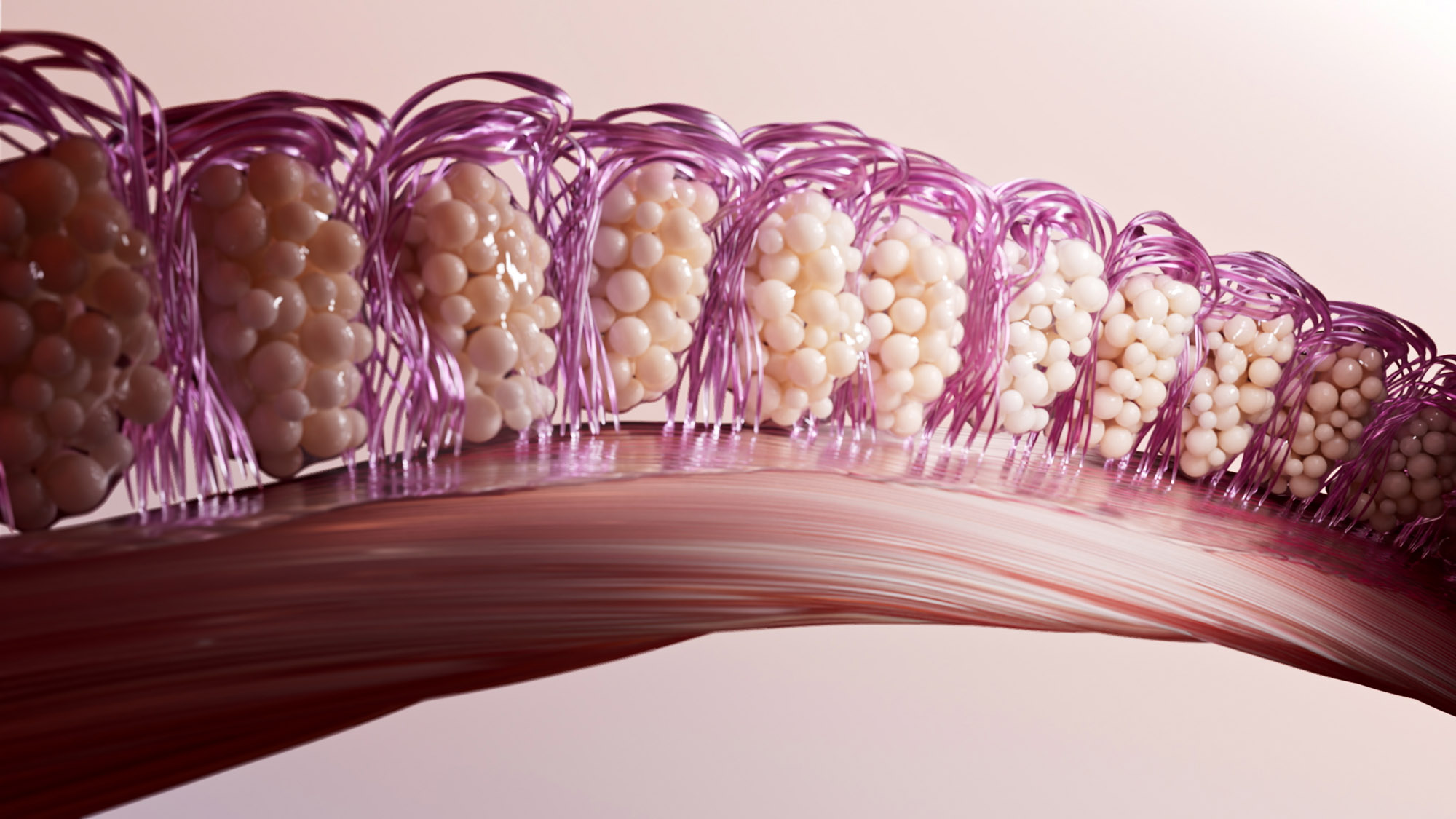
Tennis Elbow illustration, Omnia Lifestyle Chiswick

Tennis elbow at a glance

Tennis elbow, or lateral elbow tendinopathy, is pain on the outer side of the elbow caused by overloading the tendon that attaches the wrist and finger extensor muscles to the bone. Despite the name, most people who get it do not play tennis: it is usually caused by repetitive gripping, typing, lifting or DIY. Most cases improve within a year, and progressive loading exercise speeds recovery.

Symptoms of tennis elbow

  • Pain and tenderness on the bony outer part of the elbow
  • Pain gripping, lifting a kettle, turning a door handle or shaking hands
  • Pain spreading down the forearm
  • Weaker grip and morning stiffness

What causes tennis elbow?

Repeated wrist extension and gripping load the tendon faster than it can adapt. Common triggers include a sudden increase in computer work, racket sports, gardening, painting, manual trades and lifting young children. It is most common between 35 and 55.

How is tennis elbow treated?

The first steps are reducing aggravating activities, not complete rest, and starting a progressive strengthening programme. Steroid injections can give short-term relief but are linked to worse outcomes at one year for many people, so they are used cautiously.

How we help with tennis elbow in Chiswick

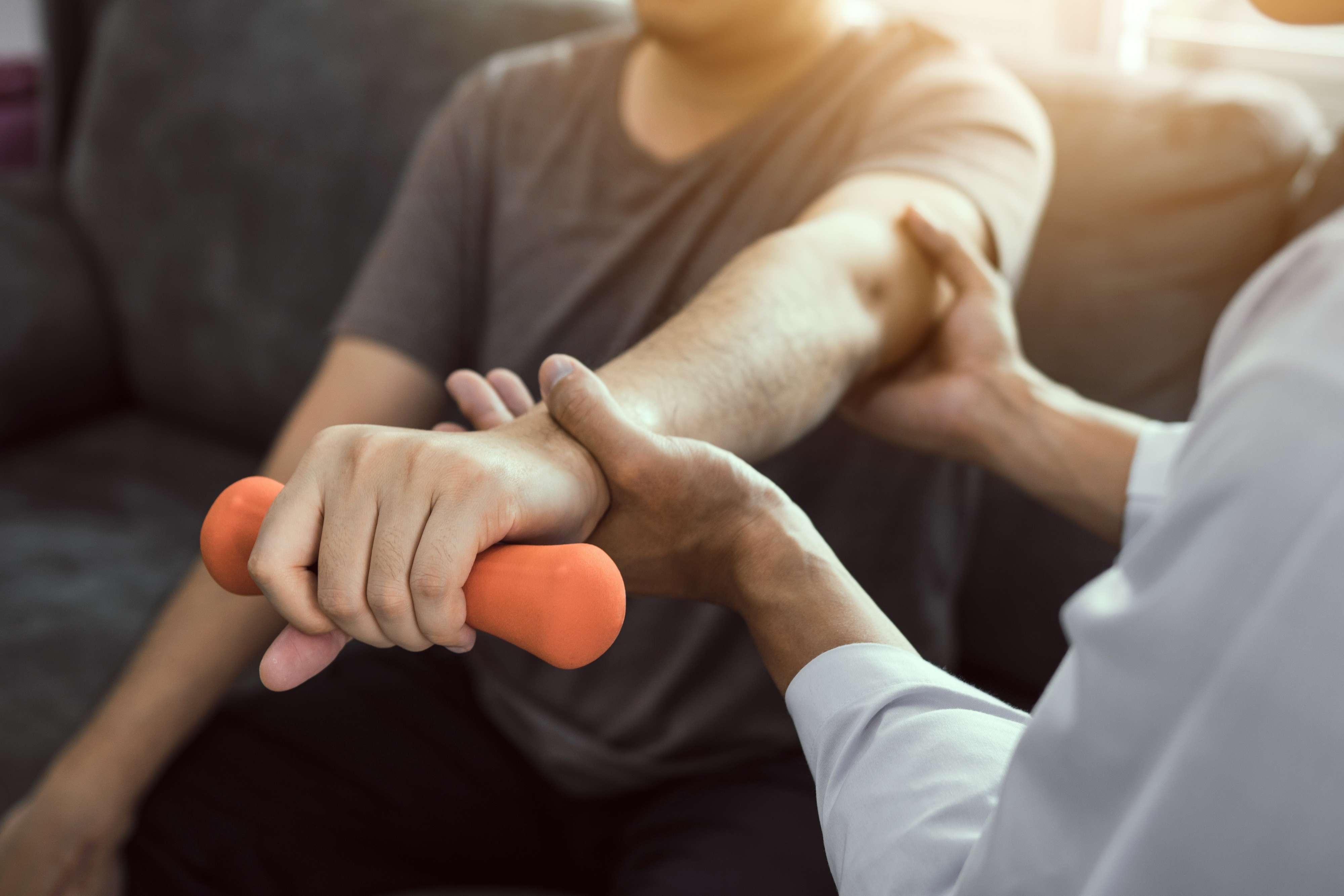
  • Physiotherapy: load management and a graded tendon strengthening programme, including isometric and slow-loading exercise.
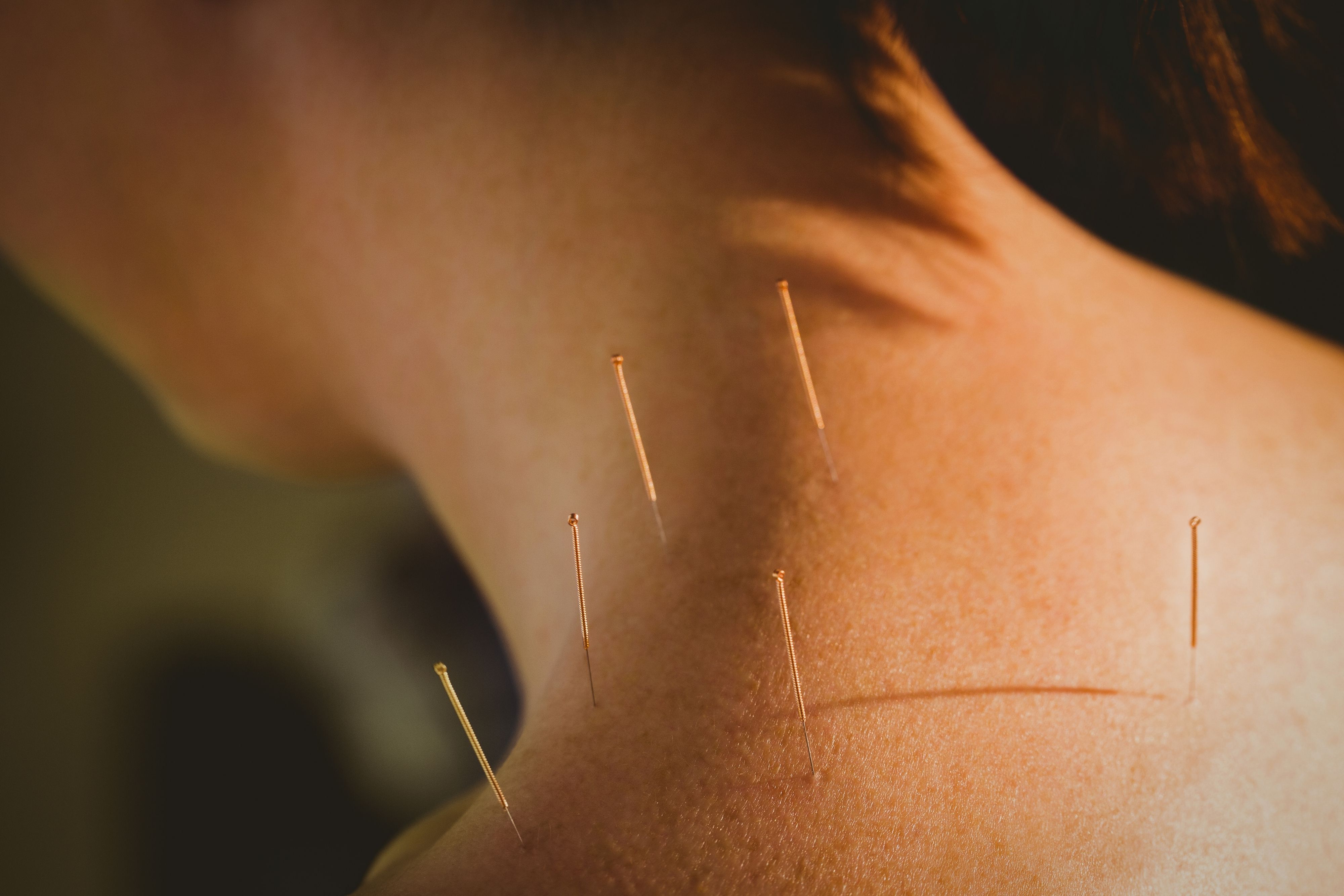
  • Acupuncture: reviews suggest short-term pain relief, useful while strength builds.
  • Red light therapy: THOR laser, which has trial evidence for lateral elbow pain when combined with exercise.
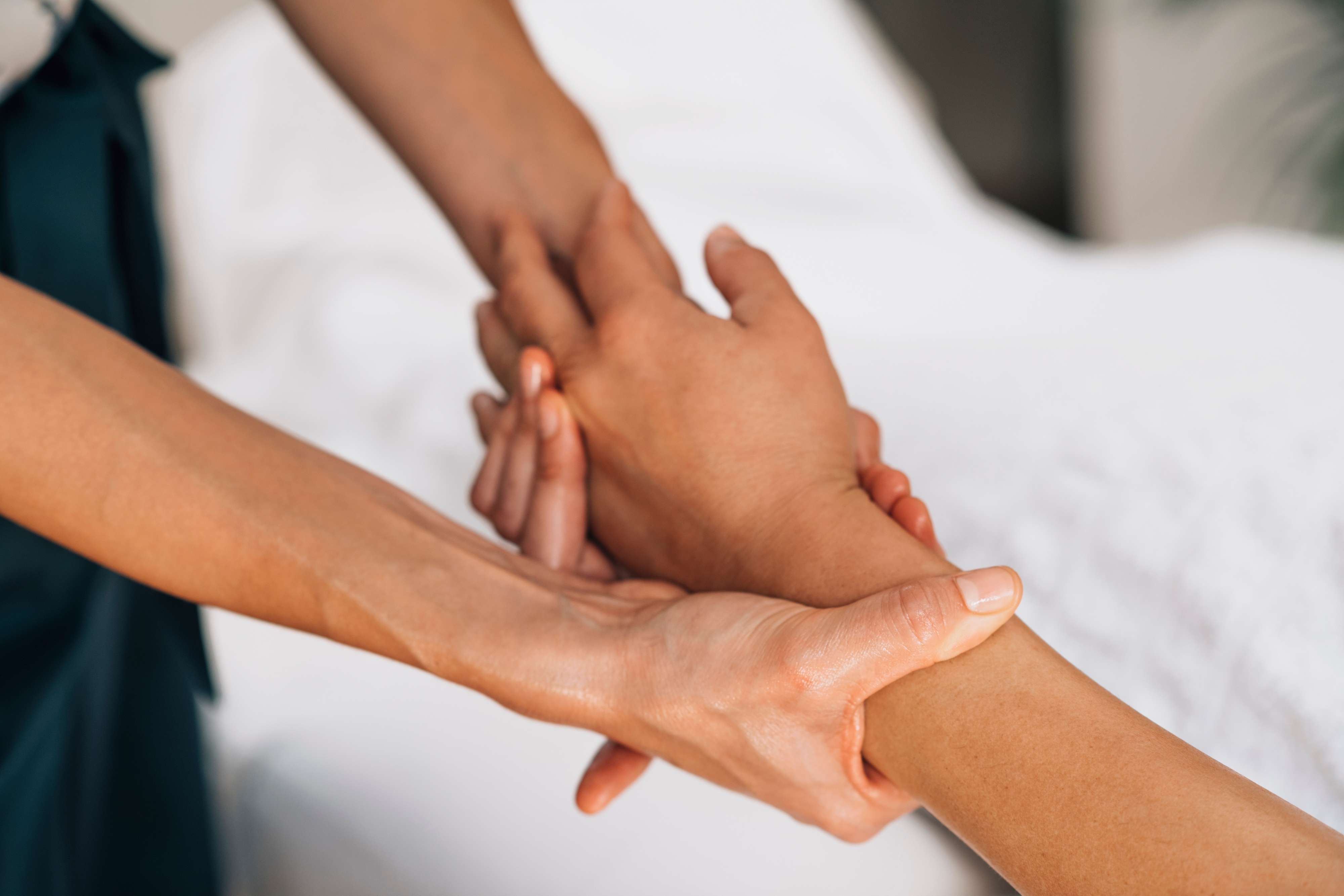
  • Manual therapy: soft tissue work for the forearm and mobilisation of the elbow and neck.

What does the evidence say?

Exercise that gradually loads the tendon has the most consistent evidence. Low-level laser therapy has shown benefit in some trials when combined with exercise. Braces can reduce pain during activity for some people.

How long does tennis elbow last?

Most people recover within a year, although symptoms commonly last between six months and two years if the tendon keeps being overloaded. Recovery is usually faster when you reduce the aggravating tasks early and start strengthening, rather than waiting for the pain to disappear on its own. Tendons adapt slowly, so expect steady improvement over weeks rather than days. Pain that is getting worse after three months of good management is a reason for reassessment.

How to treat tennis elbow at home

A simple loading plan helps most people. Start with isometric holds: rest your forearm on a table, palm down, and push the back of your hand up against your other hand for 30 to 45 seconds, five times, once or twice a day. As pain settles, progress to slowly lowering a light weight or water bottle with the wrist, over three to four seconds. Mild discomfort during exercise is acceptable if it settles by the next morning. Our tennis elbow exercises guide shows each stage.

Tennis elbow or something else?

Pain on the inner side of the elbow is more likely to be golfer's elbow. Pain that spreads down the arm with tingling may come from the neck or a trapped nerve, and pain with swelling or locking can point to a problem inside the joint. A quick assessment separates these, because each needs a different plan.

What to expect at Omnia

Your physiotherapist asks about your work, hobbies and the tasks that hurt, then tests grip strength and checks the elbow, wrist and neck. You leave with a starting exercise and practical changes for your desk or tools. Acupuncture or THOR laser can be added to settle pain while the tendon strengthens. Most people need a handful of sessions spread over several weeks, with the exercise programme doing most of the work.

What you can do at home

  • Reduce, rather than stop, the activities that provoke pain
  • Grip with the palm facing up when lifting where possible
  • Adjust your mouse and keyboard so the wrist stays neutral
  • Follow our tennis elbow exercises guide

See our guides to how to treat tennis elbow and tennis elbow exercises.

Tennis elbow is treated at Omnia Lifestyle, 8 to 9 Bedford Corner, Chiswick W4, two minutes from Turnham Green. Book online or call 020 4515 0000.

Related Therapies & Services

Questions we are asked

Tennis Elbow: your questions answered

What is tennis elbow?

Tennis elbow, or lateral epicondylalgia, is pain on the outside of the elbow caused by overload of the tendons that extend the wrist and fingers. Despite the name, it is most common in people who do repetitive gripping or computer work, not tennis players.

How long does tennis elbow last?

Tennis elbow often lasts between six months and two years, although most people recover within a year. A progressive loading exercise programme is the most effective way to speed recovery and reduce pain.

How do you treat tennis elbow?

The best evidence is for a structured strengthening programme for the forearm muscles, reducing aggravating activities and using a brace for painful tasks. Painkillers and ice can help short term. Steroid injections may ease pain briefly but can slow long-term recovery.

Can acupuncture help tennis elbow?

Several studies suggest acupuncture can reduce tennis elbow pain in the short term. At Omnia we use it to calm pain so you can keep up the strengthening exercises that deliver the lasting result.

Where can I get tennis elbow treatment in Chiswick?

Omnia Lifestyle in Chiswick W4 offers physiotherapy, acupuncture, manual therapy and red light therapy for tennis elbow, two minutes from Turnham Green station. Book online without a GP referral.

Thank you, we have your notes.

A member of our team will be in touch to arrange your call. If anything is urgent, please call 020 4515 0000.

An error has occurred somewhere and it is not possible to submit the form. Please try again later.

Book online

To book an appointment straight away you can use our book now button

Message us on WhatsApp