Close

Part of ourLongevitycare

Asthma: what it is and how we help

Asthma is a condition where airways narrow and inflame, causing wheeze, cough and breathlessness. At Omnia Lifestyle in Chiswick we offer complementary support alongside your medical care, using breathing-focused physiotherapy, yoga, tai chi and guided fitness, combined after assessment.

Omnia Lifestyle, 8 to 9 Bedford Corner, The Avenue, Chiswick W4 1LZ. Two minutes from Turnham Green station. Call 020 4515 0000.
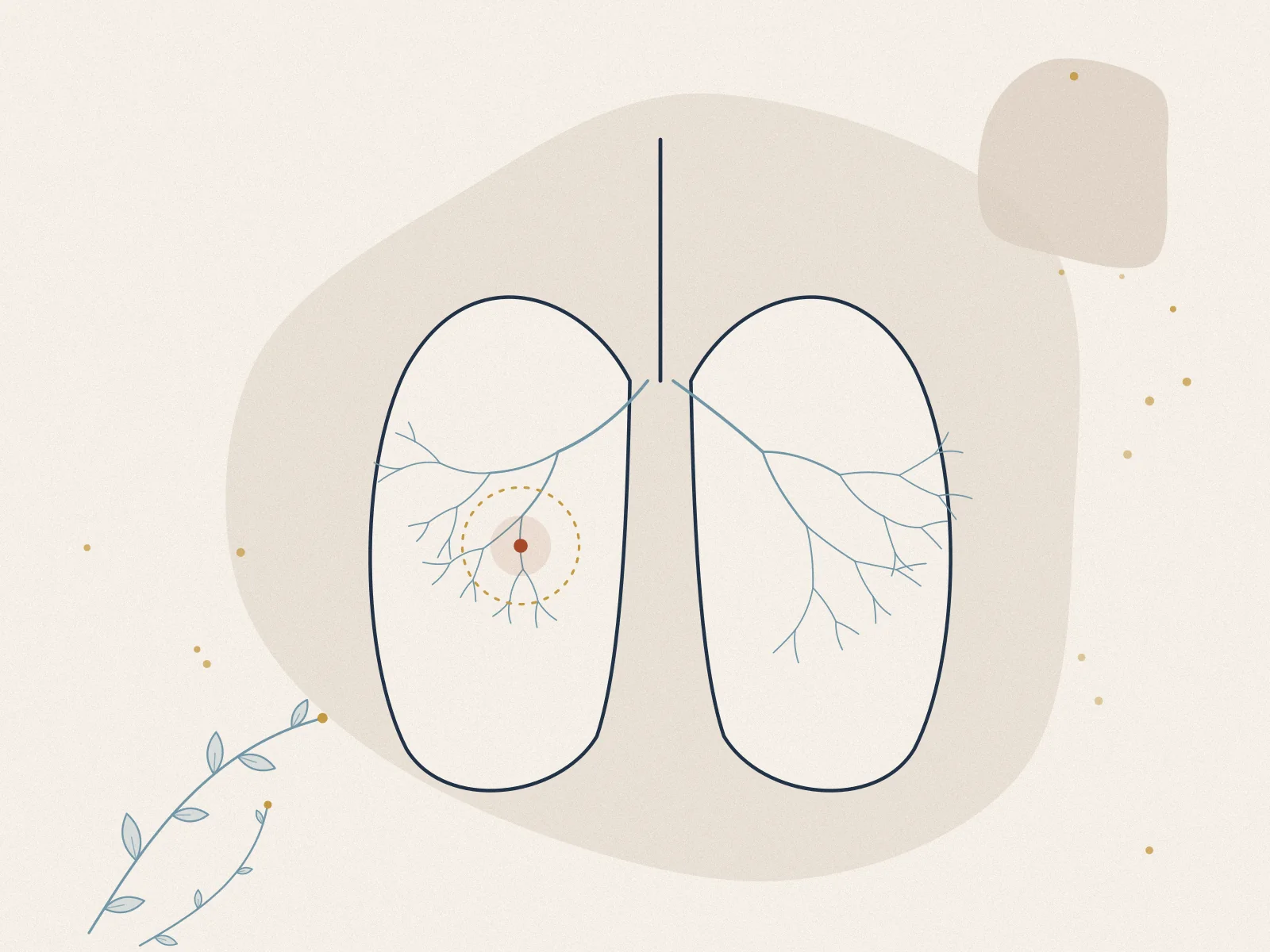
Illustration of asthma, treated at Omnia Lifestyle clinic in Chiswick, West London

Asthma at a glance

Asthma is a common long-term condition in which the airways become inflamed and narrow, causing wheezing, breathlessness, chest tightness and coughing. Over five million people in the UK have asthma. It is managed by your GP or asthma nurse with inhalers and a personal action plan. Supportive approaches, such as breathing retraining and exercise, can help you live well alongside medical treatment.

Symptoms of asthma

  • Wheezing and a whistling sound when breathing
  • Breathlessness and chest tightness
  • Coughing, especially at night or with exercise
  • Symptoms triggered by colds, pollen, cold air, smoke or exercise

How is asthma treated?

Treatment usually includes a preventer inhaler to reduce airway inflammation and a reliever for symptoms. A written asthma action plan and an annual review are recommended for everyone. Good inhaler technique makes a big difference.

How we support asthma in Chiswick

  • Physiotherapy: breathing pattern retraining, which UK asthma guidelines recognise can improve quality of life and symptoms for some adults.
  • Yoga: breathing and relaxation; some studies report improved quality of life.
  • Fitness and nutrition: safe, gradual exercise and weight management, which improve asthma control.
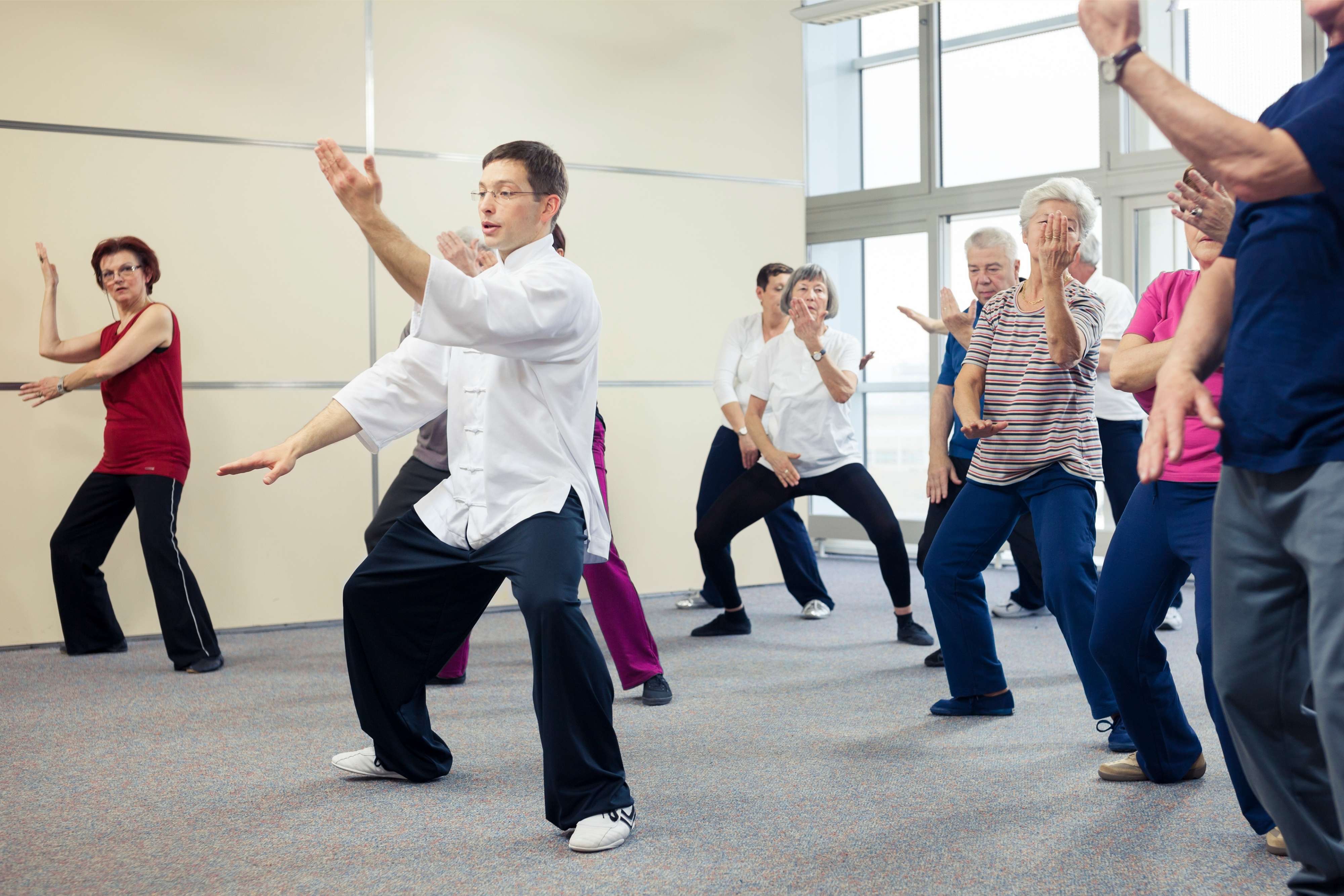
  • Tai chi and qi gong: gentle movement with controlled breathing.

What does the evidence say?

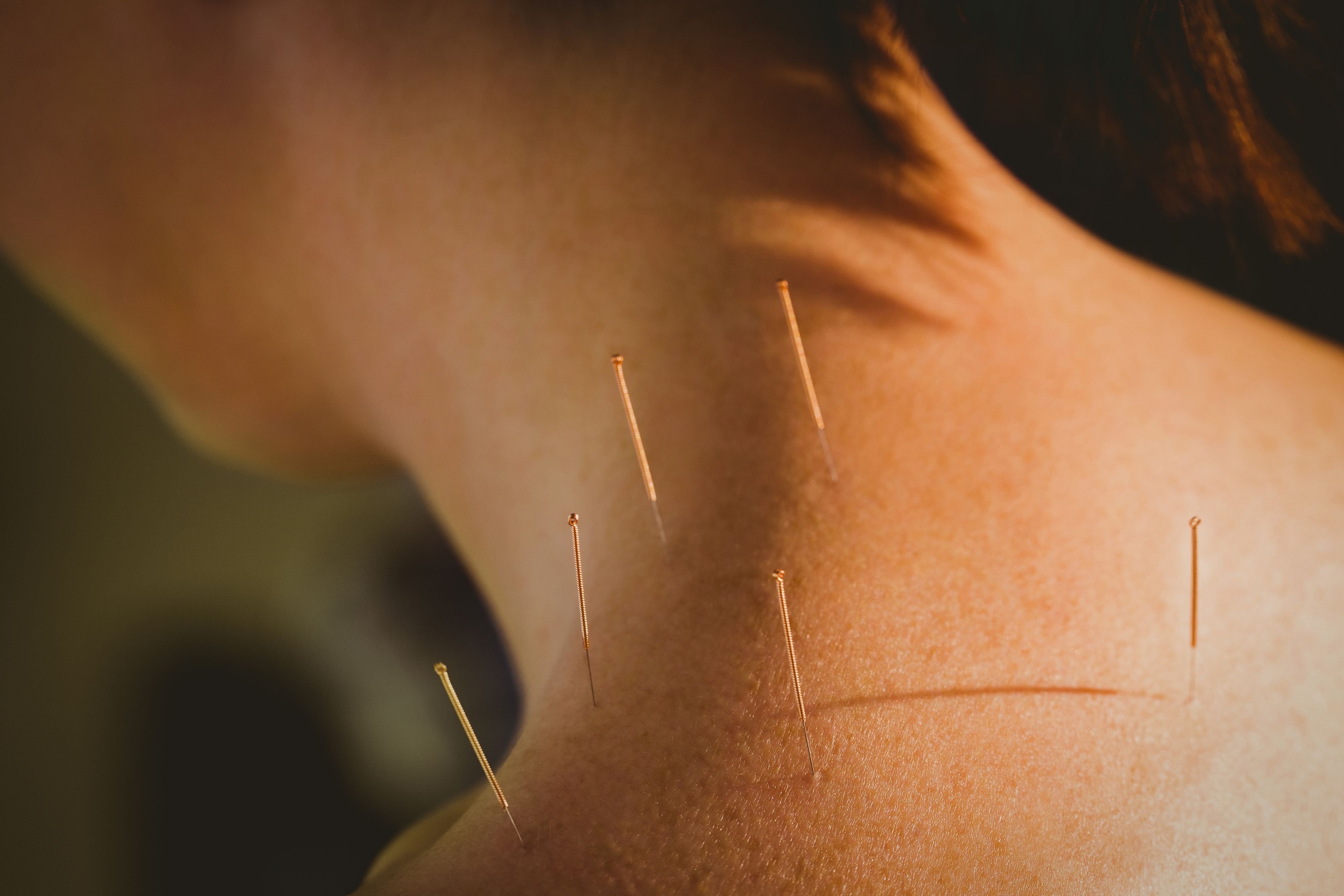
Regular preventer medication has the strongest evidence for controlling asthma. Breathing exercises can improve symptoms and quality of life for some adults. Evidence does not support acupuncture as an asthma treatment, and we do not offer it for that purpose.

What does an asthma attack feel like?

Signs of an asthma attack include worsening wheeze, cough and chest tightness, becoming too breathless to speak, eat or sleep, faster breathing and a reliever inhaler that is not helping or is needed more than every four hours. Follow your asthma action plan and call 999 if symptoms do not improve or you are worried.

Adult-onset asthma

Asthma can start at any age. In adults it may be triggered by respiratory infections, allergies, workplace exposures such as dust or chemicals, hormonal changes or excess weight. New wheeze, cough or breathlessness in adulthood should be assessed by a GP, because other conditions can cause similar symptoms.

Dysfunctional breathing and asthma

Some people with asthma also develop a pattern of fast, upper-chest breathing that causes breathlessness, frequent sighing, dizziness and tingling. This can make asthma feel worse or be mistaken for it. Breathing pattern retraining with a physiotherapist helps many people feel more in control.

What to expect at Omnia

We ask about your asthma history, triggers, medication and how asthma affects activity and sleep, and look at your breathing pattern. Your plan may include breathing retraining, safe exercise progression, yoga or tai chi, and weight management where relevant. We always work alongside your GP or asthma nurse and never change your inhalers.

What you can do at home

  • Take your preventer every day as prescribed, even when well
  • Ask your pharmacist to check your inhaler technique
  • Know your triggers and follow your action plan
  • Stay active; warm up before exercise

Hay fever often makes asthma worse. See our guide to how to stop hay fever fast.

Related: allergies. Omnia Lifestyle, Chiswick W4. Book online or call 020 4515 0000.

Related Therapies & Services

Questions we are asked

Asthma: your questions answered

What causes asthma?

Asthma is a long-term condition in which the airways become inflamed and narrow. The exact cause is not known, but it is linked to allergies, family history and environmental factors. Triggers include colds, pollen, dust, smoke, exercise and cold air.

Can you develop asthma as an adult?

Yes. Asthma can start at any age, including in adulthood, sometimes after a respiratory infection or due to workplace triggers. See your GP if you develop wheezing, breathlessness or a cough that keeps returning.

Can asthma go away?

Childhood asthma can improve or disappear with age, although it may return later. Adult asthma usually needs ongoing management. With the right inhalers and an asthma plan, most people live full, active lives.

Can complementary therapies help asthma?

Breathing techniques, yoga and staying active can help some people feel more in control of their symptoms, but they do not replace inhalers. Never stop or reduce asthma medication without your GP or asthma nurse.

What should I do in an asthma attack?

Sit up, take one puff of your reliever inhaler every 30 to 60 seconds up to ten puffs, and call 999 if you do not feel better or are getting worse. Always follow your personal asthma action plan.

Thank you, we have your notes.

A member of our team will be in touch to arrange your call. If anything is urgent, please call 020 4515 0000.

An error has occurred somewhere and it is not possible to submit the form. Please try again later.

Book online

To book an appointment straight away you can use our book now button

Message us on WhatsApp