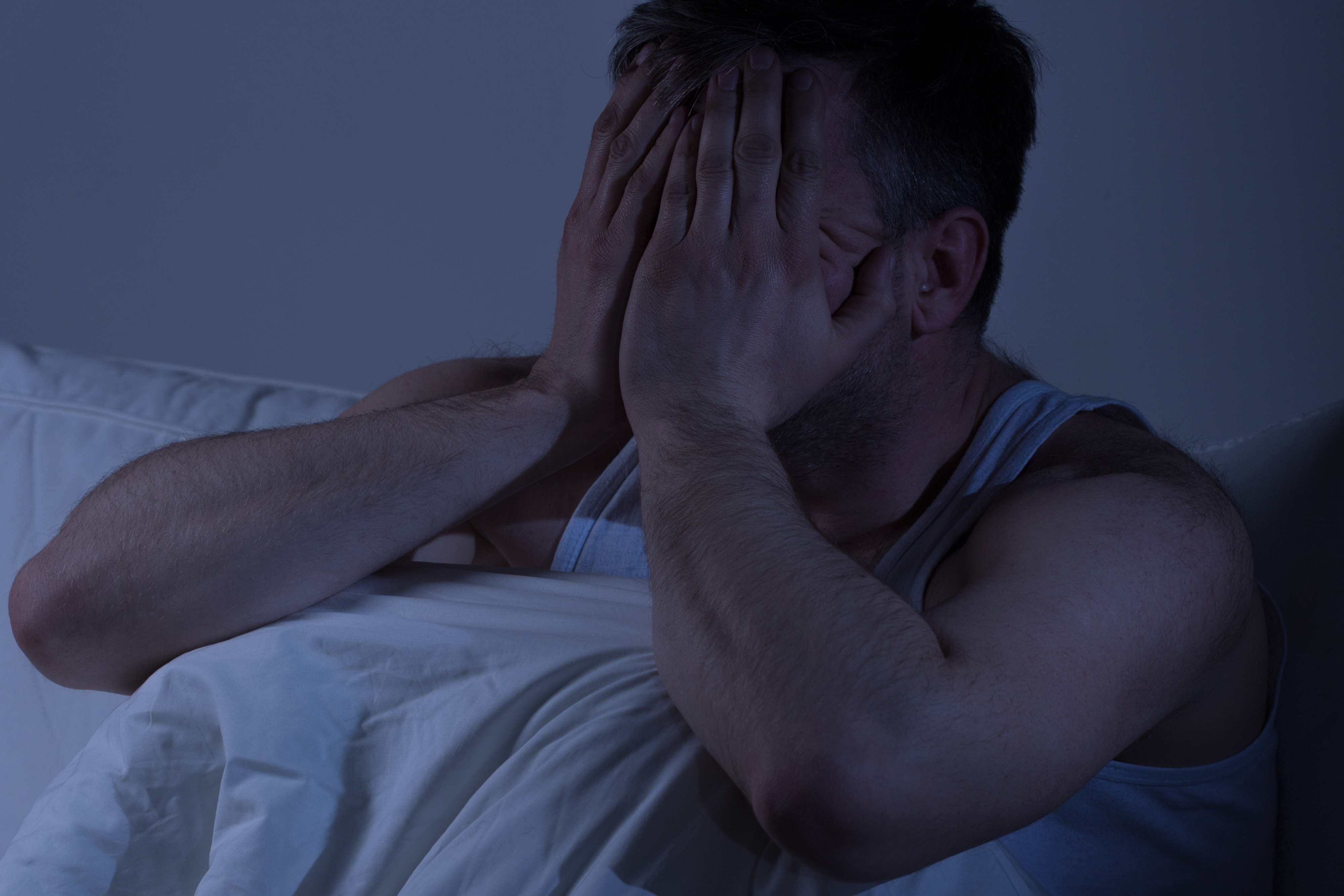





Stress does not directly cause the most common form of vertigo, but the relationship is real and more complicated than a simple yes or no. Stress makes existing vertigo worse, lowers the threshold at which symptoms appear, and drives a distinct form of chronic dizziness that is genuinely triggered by anxiety and tension.
If you have noticed your symptoms flaring during difficult periods, you are not imagining it. Here is what is actually going on.
First, what vertigo is
Vertigo is not the same as feeling faint or lightheaded. Vertigo is a false sensation of movement, usually spinning, either of yourself or of the room around you. That distinction matters, because the causes are different.
The most common cause is benign paroxysmal positional vertigo (BPPV), where small crystals in the inner ear become displaced into the balance canals. This produces brief, intense spinning triggered by specific head movements such as rolling over in bed or looking up.
Stress does not displace those crystals. So for BPPV specifically, stress is not the cause.
How stress makes vertigo worse anyway
Even where stress is not the cause, it reliably affects the experience.
Muscle tension in the neck
Sustained stress produces tension through the neck and upper shoulders. The neck contributes positional information to your balance system, and when that input is disturbed by tension and restricted movement, it can conflict with what your inner ear and eyes are reporting. That conflict can be perceived as dizziness or unsteadiness. This is often called cervicogenic dizziness.
Altered breathing
Stress commonly produces faster, shallower breathing. Over-breathing changes carbon dioxide levels in the blood, which can produce lightheadedness, tingling and a floating sensation. It is one of the most common overlooked contributors to chronic dizziness.
Heightened attention to symptoms
Anxiety increases how closely you monitor your own body. Minor variations in balance that would normally pass unnoticed become salient and alarming. This is not imagination. It changes how the nervous system weights the incoming signals.
Poor sleep
Stress disrupts sleep, and fatigue reduces the balance system's tolerance. Many people find symptoms are markedly worse when they are tired.
Avoidance
Once dizziness has frightened you, it is natural to move more carefully, turn your head less, and avoid busy environments. Unfortunately the balance system recalibrates through exposure to movement. Avoidance prevents that recalibration and tends to prolong symptoms.
When anxiety is the primary driver
There is a recognised condition, persistent postural-perceptual dizziness (PPPD), in which chronic non-spinning dizziness and unsteadiness persist for months, typically worse when standing, walking, or in visually complex environments such as supermarkets or busy streets.
It often begins after a genuine vestibular event such as a BPPV episode or an inner ear infection. The original problem resolves, but the dizziness continues because the balance system has not fully recalibrated and anxiety has reinforced the pattern.
This is a real, well-described condition and not a case of symptoms being imagined. It responds to vestibular rehabilitation, and psychological approaches often help alongside it.
Stress and Meniere's disease
Meniere's disease produces episodes of vertigo alongside hearing changes, tinnitus and a sensation of fullness in the ear. Stress is very commonly reported by patients as a trigger for attacks, though the mechanism is not fully established. If you have hearing symptoms alongside vertigo, that needs proper medical assessment rather than being attributed to stress.
Symptoms that need urgent medical attention
Most dizziness is not dangerous, but some presentations are emergencies. Call 999 or go to A and E if dizziness or vertigo occurs with any of:
- Sudden severe headache, unlike any you have had before
- Weakness or numbness in the face, arm or leg, particularly on one side
- Slurred speech or difficulty finding words
- Double vision or sudden loss of vision
- Difficulty walking or severe loss of coordination
- Sudden hearing loss in one ear
- Chest pain, or fainting
These can indicate a stroke or other serious cause, and they require immediate assessment. Do not wait.
You should also see your GP, non-urgently, for dizziness that persists, recurs, or is accompanied by hearing changes.
What actually helps
Get a diagnosis first
This is the most important step. BPPV, vestibular migraine, PPPD and cervicogenic dizziness respond to different treatments, and the single most common reason people stay dizzy for months is treatment aimed at the wrong mechanism. BPPV in particular is often resolved quickly with the right repositioning manoeuvre.
Vestibular rehabilitation
A structured, progressive programme of exercises that retrains the balance system through controlled exposure to movement. It is the mainstay of treatment for PPPD and for incomplete recovery after a vestibular event, and it has a good evidence base.
Address the neck
Where neck tension and restricted movement contribute, manual therapy and specific exercises can help. This is most relevant where dizziness is clearly related to neck position or accompanied by neck pain and headache.
Breathing
If over-breathing is contributing, slow diaphragmatic breathing practice is simple, free and often surprisingly effective.
Reduce avoidance, gradually
Guided, graded return to movement and to busy environments is central to recovery. Gradually is the key word, and this is easier with professional guidance than alone.
Sleep and general stress management
Worth taking seriously rather than treating as an afterthought, given how strongly fatigue affects symptom threshold.
Frequently asked questions
Can anxiety cause a spinning sensation?
True spinning vertigo is more typically vestibular in origin. Anxiety more commonly produces lightheadedness, floating or unsteadiness. Spinning warrants assessment.
Will my vertigo go away if I reduce my stress?
If stress is a major driver, symptoms often improve. If the underlying cause is BPPV, it needs a repositioning manoeuvre, and stress reduction alone will not resolve it.
Why is it worse in supermarkets?
Visually complex environments with lots of motion and repeating patterns load the visual component of balance heavily. This is characteristic of PPPD and of incomplete vestibular recovery.
Should I lie still until it passes?
During an acute spinning attack, yes, staying still is sensible. Long-term, avoidance of movement tends to prolong symptoms. Recovery comes through graded exposure.
Can neck problems really cause dizziness?
The neck contributes to balance, so tension and restricted movement can contribute to unsteadiness. It is usually one factor among several rather than the sole cause.
Dizziness and balance assessment in Chiswick
We assess and treat balance and dizziness problems at Omnia Lifestyle in Chiswick, W4, close to Turnham Green station, on bus routes 94, E3 and 272. Limited parking is available on request when booking. Assessment identifies which mechanism is driving your symptoms, because that determines the treatment.
Read more about balance and dizziness, or book an assessment.
This article is general information, not medical advice. Dizziness has many causes, some of which are serious. If your symptoms are sudden, severe, or accompanied by any of the warning signs listed above, seek urgent medical care.



.jpg)
.jpg)