Close

Part of ourLongevitycare

Stomach Ulcer: what it is and how we help

Stomach ulcers are sores in the stomach lining causing burning pain, and diagnosis and medical care always come first. At Omnia Lifestyle in Chiswick we offer complementary support alongside your GP's treatment, using acupuncture, Ayurveda and stress-regulation therapies.

Omnia Lifestyle, 8 to 9 Bedford Corner, The Avenue, Chiswick W4 1LZ. Two minutes from Turnham Green station. Call 020 4515 0000.
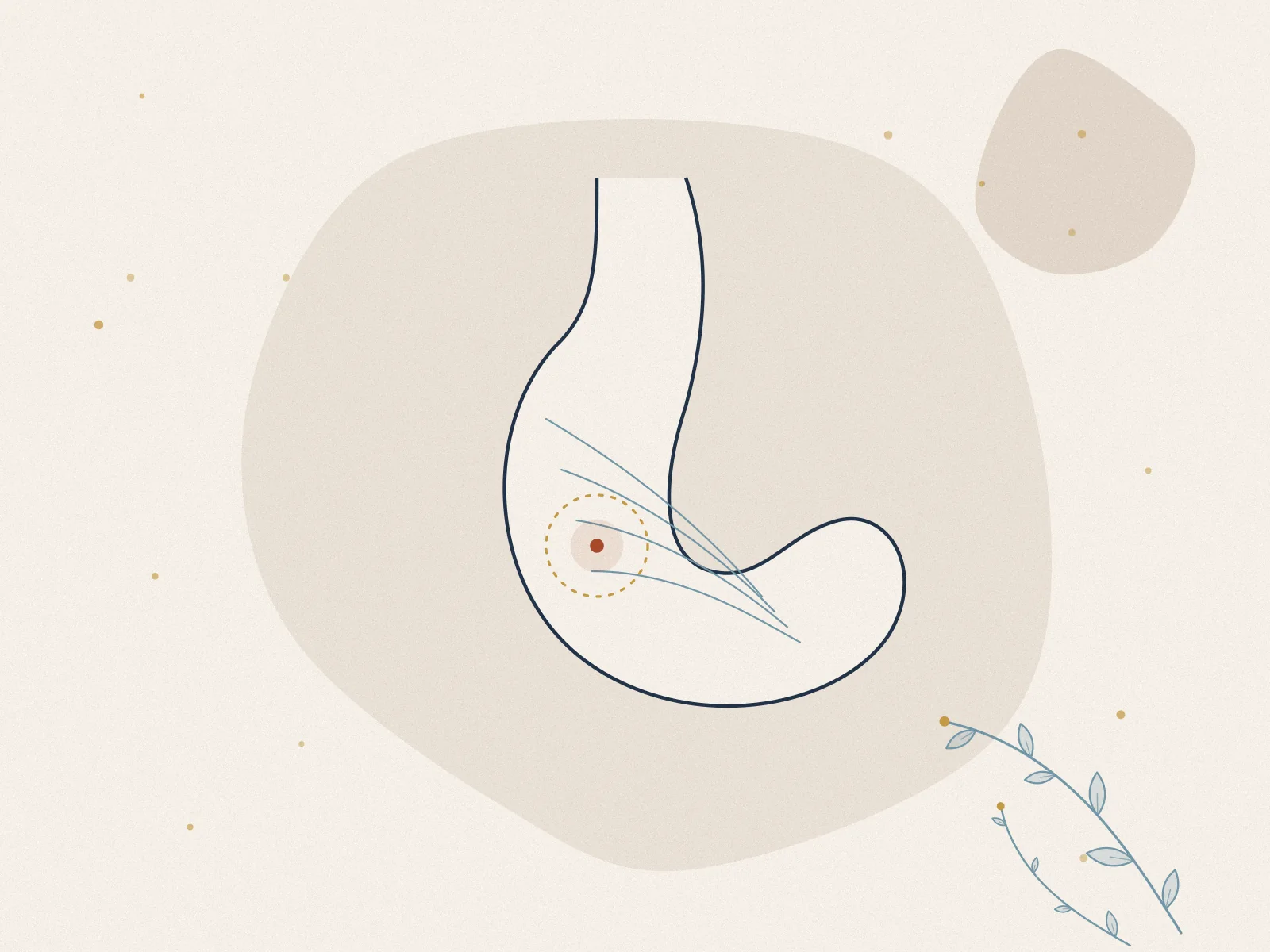
Illustration of stomach ulcer, treated at Omnia Lifestyle clinic in Chiswick, West London

Stomach ulcers at a glance

A stomach ulcer, or peptic ulcer, is an open sore in the lining of the stomach or the first part of the small intestine. The two main causes are infection with Helicobacter pylori bacteria and anti-inflammatory painkillers such as ibuprofen or aspirin. Stomach ulcers are treated medically by your GP and usually heal within a few weeks. Supportive care can help with the diet, stress and lifestyle factors that affect symptoms.

Symptoms of a stomach ulcer

  • Burning or gnawing pain in the upper tummy
  • Pain that may improve or worsen with eating
  • Indigestion, heartburn and bloating
  • Feeling sick or loss of appetite

How are stomach ulcers treated?

Your GP can test for H. pylori and, if found, prescribe a course of antibiotics with acid-reducing medication. Proton pump inhibitors are used to heal the ulcer. If painkillers are the cause, your doctor will review them. Some people need an endoscopy.

How we support digestive health in Chiswick

  • Ayurveda: gentle, regular eating patterns and digestion-focused guidance once medical treatment is under way.
  • Acupuncture: some people use it for indigestion and stress-related digestive symptoms.
  • Yoga: stress reduction, as stress can worsen symptoms.
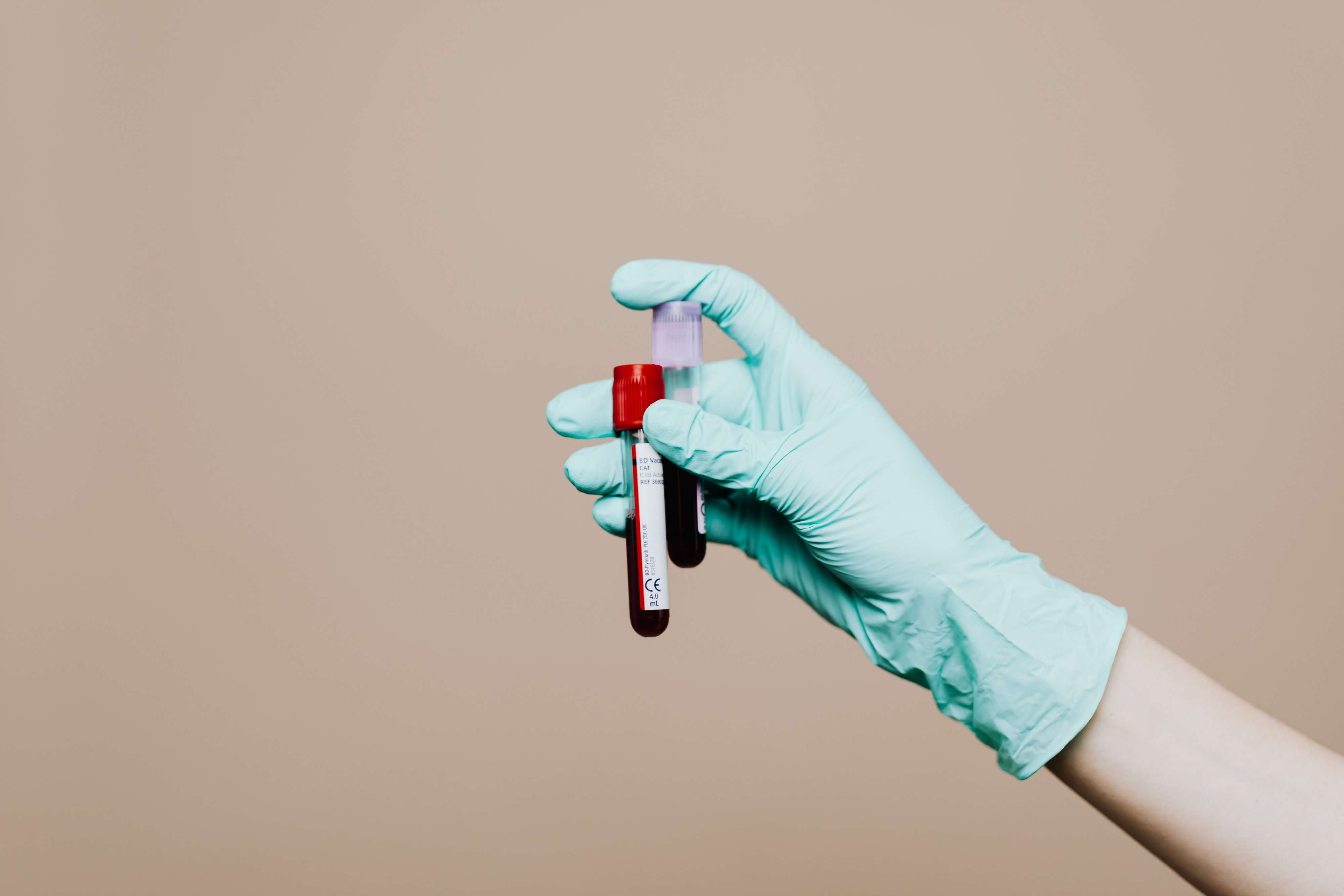
  • Blood tests: checking for anaemia, which can follow bleeding ulcers.

What does the evidence say?

Treating H. pylori and stopping anti-inflammatory painkillers are the most effective steps. Stopping smoking and reducing alcohol help healing. Complementary care supports comfort and wellbeing but does not treat the ulcer itself.

What does a stomach ulcer feel like?

The most common symptom is a burning or gnawing pain in the upper tummy, between the breastbone and the belly button. Pain from an ulcer in the duodenum often improves when you eat and returns a few hours later, while pain from a stomach ulcer may worsen with food. Some people have no pain until a complication such as bleeding occurs.

How is H. pylori tested?

H. pylori can be tested with a stool test or a breath test through your GP. You usually need to stop acid-reducing medicines for two weeks and antibiotics for four weeks beforehand, so ask your GP or pharmacist first. Treatment is a one or two week course of antibiotics with an acid-reducing medicine.

Foods to eat and avoid with an ulcer

No specific food causes ulcers, and bland diets are no longer routinely advised. However, many people find spicy food, alcohol, coffee and large, fatty meals make their symptoms worse. Smaller regular meals, high-fibre foods, fruit and vegetables are generally well tolerated, so follow what your own symptoms tell you.

What to expect at Omnia

We see people alongside, or after, GP assessment for ulcer symptoms. We ask about your symptoms, diet, stress, alcohol and medicines, and flag anything that needs urgent review. Our support focuses on regular eating patterns, stress management and Ayurvedic digestive guidance, with blood tests to check for anaemia where relevant.

What you can do at home

  • Avoid ibuprofen, aspirin and similar painkillers unless your doctor advises them
  • Eat smaller, regular meals
  • Limit alcohol and stop smoking
  • Notice and reduce foods that worsen your symptoms

Omnia Lifestyle, Chiswick W4. Book online or call 020 4515 0000.

Related Therapies & Services

Questions we are asked

Stomach Ulcer: your questions answered

What causes stomach ulcers?

Most stomach ulcers are caused by an infection with Helicobacter pylori bacteria or by regular use of anti-inflammatory painkillers such as ibuprofen or aspirin. Smoking and heavy drinking can make them worse.

What does a stomach ulcer feel like?

The most common symptom is a burning or gnawing pain in the upper middle of the tummy, which may ease or worsen with eating. Indigestion, bloating, heartburn and feeling sick are also common.

How is a stomach ulcer treated?

Stomach ulcers are treated medically, usually with medicine to reduce stomach acid and antibiotics if H. pylori is found. See your GP for testing. Complementary care can only support comfort and stress alongside medical treatment.

When is a stomach ulcer an emergency?

Call 999 or go to A&E if you vomit blood or material like coffee grounds, pass black, sticky stools, or have sudden, severe tummy pain. These can be signs of a bleeding or perforated ulcer.

How can Omnia support digestive health in Chiswick?

Once your GP has diagnosed and started treatment, we can support stress, diet and digestion through Ayurvedic consultation, acupuncture and nutrition guidance. We never replace medical treatment for an ulcer.

Thank you, we have your notes.

A member of our team will be in touch to arrange your call. If anything is urgent, please call 020 4515 0000.

An error has occurred somewhere and it is not possible to submit the form. Please try again later.

Book online

To book an appointment straight away you can use our book now button

Message us on WhatsApp