






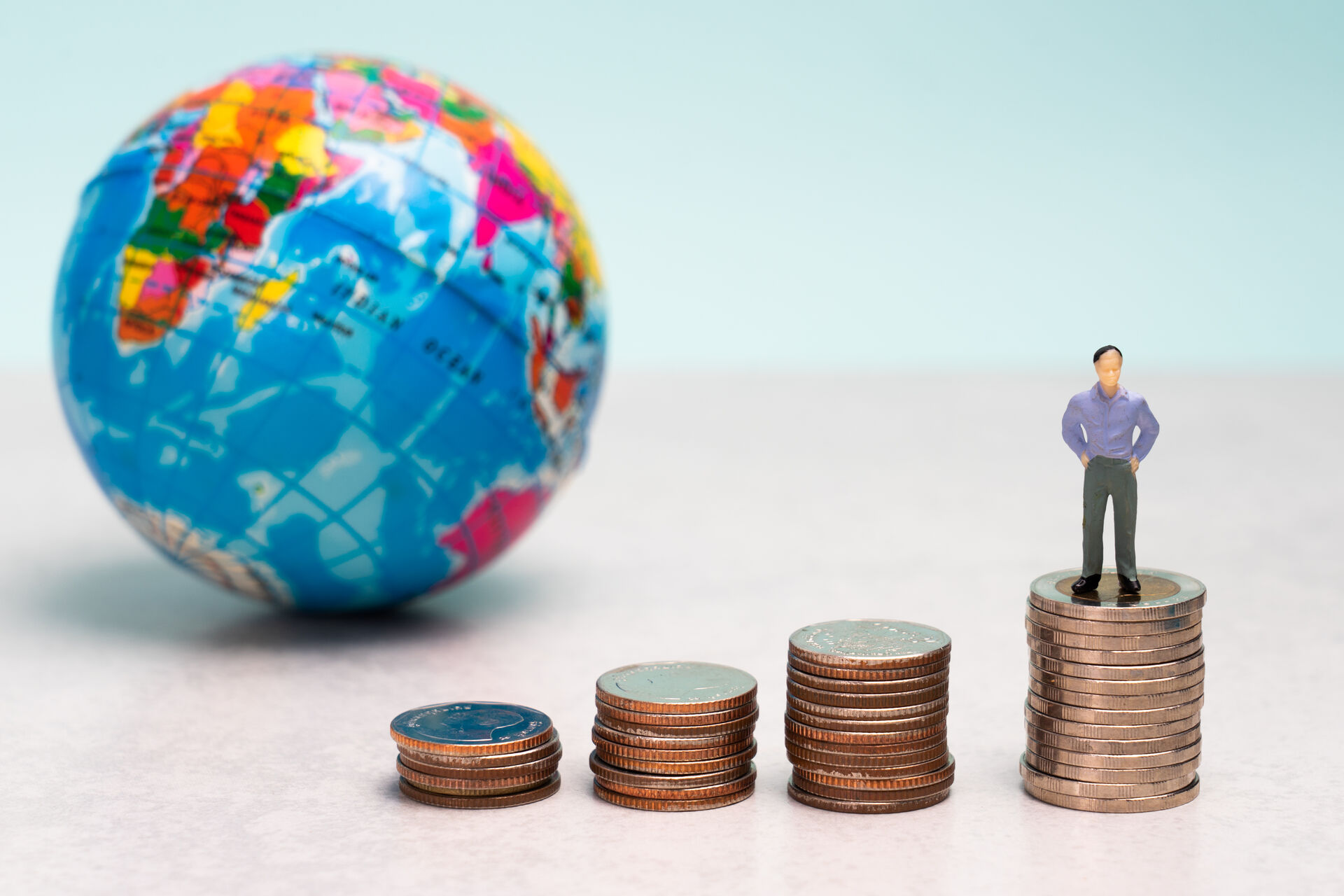


Over the past six years, a pattern has quietly but consistently emerged—one that is difficult to ignore.
A perpetual crisis loop.
Since 2020, one global catastrophe has followed another: a pandemic, geopolitical wars, and now escalating global conflict. Yet beneath these events lies a deeper economic reality:
While the majority face instability, inflation, and survival stress, certain sectors are experiencing unprecedented growth.
This is not a coincidence. It reflects a structural shift in how wealth is created—and concentrated—during crises.
1. COVID-19: The Pharma & Tech Acceleration
The pandemic was the first major catalyst.
Who benefited?
Pharmaceutical giants and Big Tech.
- Companies like Pfizer and Moderna saw historic revenues.
- Big Tech consolidated power as the world moved online.
- Billionaire wealth surged by over 80% between 2020 and 2025.
What happened to the majority?
- Global poverty increased for the first time in decades.
- Small businesses collapsed.
- Public debt skyrocketed—now repaid through higher taxes and reduced services.
2. Ukraine–Russia War: Energy & Defence Take Centre Stage
As the world attempted recovery, war reshaped economic priorities.
Who benefited?
Energy companies and defence contractors.
- Oil giants reported record-breaking profits.
- Defence spending surged, with billions in new contracts.
What was the cost?
- A global cost-of-living crisis.
- Food and energy shortages across Europe and Africa.
- Inflation is eroding household purchasing power.
3. 2026 Iran–US Conflict: The Triple Shock
The current escalation in the Middle East is not an isolated event—it is a convergence.
Three sectors now dominate simultaneously:
- Defence: Global spending nearing $918 billion
- Energy: Oil prices surging beyond $120/barrel
- Finance: High interest rates benefit large institutions
Impact on the average person:
- Rising fuel and food prices
- Expensive loans and mortgages
- Increased economic insecurity
-
The Bigger Picture: Disaster Capitalism in Motion
Economists have long described a concept called "Disaster Capitalism"—where crises become opportunities for market capture and policy shifts.
We are now witnessing this at a global scale.
The top 0.001% controls more wealth than ever before.
The gap between corporations and citizens is widening rapidly.
A repeating cycle emerges:
Crisis → Public Spending → Private Profit → Rising Debt → Inflation → Reduced Purchasing Power
A Tale of Two Realities: UK vs India
United Kingdom: The Cost-of-Living Relapse
- Energy prices are spiking sharply
- Inflation stabilisation reversing
- Public sentiment is increasingly sceptical
India: The Strategic Balancing Act
- Heavy reliance on imported oil (87%)
- Renewed dependence on Russian supply
- Economic growth under pressure
Different strategies—same underlying strain on the population.
Leadership in Crisis: Protection or Participation?
Global leadership today broadly reflects three approaches:
- Strategic Pragmatists: Prioritising domestic stability (e.g., India)
- Reluctant Allies: Balancing geopolitics and public pressure (e.g., UK)
- War-Time Opportunists: Leveraging crisis for economic gain (e.g., US sectors)
The real question is not political—it is ethical:
Are systems being used to protect citizens, or to sustain the crisis economy?
The Silent Crisis: Mental Health
This is where the impact becomes deeply human.
In clinical practice, the consequences are visible every day.
Patients are not just dealing with anxiety or depression in isolation—they are facing:
- Chronic financial stress
- Debt vs basic survival decisions
- Continuous uncertainty about the future
A patient recently shared:
"I don't know whether to prioritise three meals a day or paying my energy bills."
This is no longer an exception.
It is becoming the norm.
Why This Matters
We are investing heavily in treating mental health—yet we are not addressing one of its primary drivers:
A global system that keeps people in a constant state of survival.
If this trajectory continues:
- Financial stress will become a permanent baseline
- Mental health disorders will rise structurally, not episodically
- Inequality will deepen beyond repair
This is not merely an economic issue.
It is a societal and moral inflexion point.
The pattern is clear:
Crises are no longer disruptions.
They are becoming mechanisms.
And unless we question this system:
The suffering of many will continue to fund the growth of a few.
-Dr Diwakar Sukul



.jpg)
.jpg)
