Omnia Journal. Mental health. A perspective by Prof (Dr) Diwakar Sukul
Is the mind nestled somewhere in the folds of the brain, or does it transcend the physical altogether? A clinical psychologist follows the question into the oldest psychology we have.
Prof (Dr) Diwakar SukulPhD, CPsychol, AFBPsS, HCPC. Chartered Clinical Psychologist, Head of Mental Health at Omnia Lifestyle
Have you ever paused to ask yourself: what is the mind?
For centuries, philosophers, psychologists and spiritual seekers have wrestled with this question. In Western psychology, the mind is often described as the source of thoughts and ideas. Yet we frequently wonder: who is creating those thoughts? Are they merely the echoes of our experiences, as many psychologists suggest? If so, how do we explain the spontaneous smile of a newborn, or their tears without apparent cause?
Could it be that the mind carries memories beyond this lifetime? That it resides not just in the brain, but in a field of consciousness? This idea gained traction in my own clinical journey, particularly during past-life regression sessions, where I witnessed remarkable change when patients released traumas that seemed to stem from lives they had no conscious memory of.
This led me deeper into the study of Indian and Vedic philosophies, where the mind is not just a cognitive tool but a sacred bridge, connecting the body to the soul. Ancient sages devoted their lives to decoding this bridge, recognising that understanding the mind was key to understanding the self.
Yog Guru Patanjali, a pioneer in spiritual psychology, described the mind as having three core functions. The first is the gateway to perception: everything that arrives through sight, hearing, smell, taste and touch.
The power to analyse and decide. What was recorded is weighed, compared, judged and acted upon.
The sense of "I" that shapes our identity. This is where what happens to us becomes who we believe we are.
Modern therapies like CBT focus heavily on discrimination, helping individuals reframe thoughts and behaviours. However, the deeper challenges often lie in the third function: the ego.
It is here that spiritual practices offer profound insight. By observing the source of our thoughts rather than reacting to them, we begin to dissolve rigid identifications and open space for transformation.
Krishna, the great philosopher of the Bhagavad Gita, spoke of three types of karma. The first is sanchit: the accumulated store of past actions, everything that has already been laid down.
The portion of that store being experienced now. It is already in motion; it arrives whether we welcome it or not.
Action without expectation. It is this third form that offers a path to liberation. When we act without attachment to outcomes, we free ourselves from the fear of rejection and the burden of expectation.
Most of the time we are carried by our thoughts. We react to each one as it arrives, and each reaction becomes the next thought. From inside the stream, the stream is all there is.
As we continue on this journey of decoding the mind, let us embrace both the scientific and the spiritual. Let us become observers, not just doers.
The thoughts do not stop. What changes is where we are standing.
The mind, in all its mystery,
may be the most sacred bridge we will ever cross.
Patanjali's three functions and the Gita's three karmas are contemplative maps, some two thousand years old. They are not clinical constructs and have not been tested as such. What does have a strong evidence base is the practice the author arrives at: observing thoughts rather than reacting to them. Mindfulness-based cognitive therapy is recommended by NICE for preventing relapse in recurrent depression, and acceptance and commitment therapy, which trains exactly this shift from doer to observer, has a substantial trial record.
The author's account of past-life regression is his own clinical experience. There is no reliable evidence that recalled past lives are veridical, and the improvements described are open to other explanations, including the therapeutic relationship and the act of narrating distress. It is not offered at Omnia.
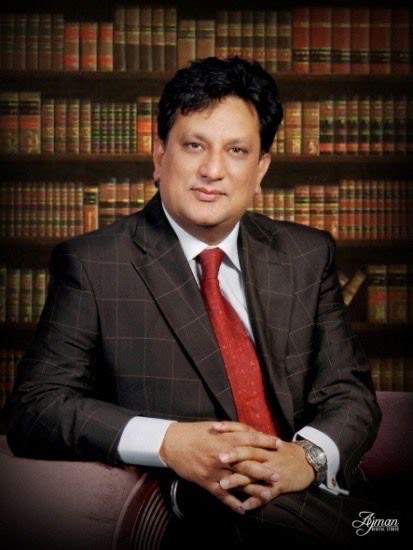
PhD, CPsychol, AFBPsS, HCPC Registered. Chartered Clinical Psychologist, Head of Mental Health at Omnia Lifestyle
In 1998 he established the Kamkus Clinic on Harley Street, built on his concept of multidimensional healthcare, and went on to develop the Body Mind Energy Assessment and Vedic Psychotherapy. He is a Chartered Member and Associate Fellow of the British Psychological Society.
If you would like to explore how observing the mind, rather than being run by it, could help with anxiety, low mood or a life that feels stuck, Dr Sukul brings both clinical psychology and this older tradition to the room.
Dr Sukul runs a weekly clinical psychology clinic at Omnia by secure video call. You can also call the clinic on 020 4515 0000. If you are in crisis right now, call NHS 111 and choose the mental health option, or call Samaritans free on 116 123, day or night.